ART WIKI33,040 on view
MapCollectionArtistsMuseumsExhibitionsJournal
Sign in

ART WIKI

Where the masterpiece hangs, and when they let you in.

Collections: Art Institute of Chicago, Getty Villa, Harvard Art Museums, Hirshhorn Museum and Sculpture Garden, J. Paul Getty Museum, Minneapolis Institute of Art, Musée du Louvre, National Gallery of Art, National Museum of Asian Art, National Portrait Gallery (Smithsonian), Pushkin State Museum of Fine Arts, Rijksmuseum, Smithsonian American Art Museum, SMK — National Gallery of Denmark, State Hermitage Museum, State Russian Museum, The Cleveland Museum of Art, The Metropolitan Museum of Art, The Museum of Modern Art, Tretyakov Gallery, Victoria and Albert Museum, Whitney Museum of American Art, State Catalogue of the Museum Fund of Russia (274 museums), Europeana (19 museums), Wikidata (6 museums), Paris Musées (12 museums), and Joconde, the French Ministry of Culture's museum database (495 museums). Images belong to their rights holders.

Sections

  • Map
  • Search
  • Collection
  • Masterpieces
  • On view now
  • Artists

More

  • Museums & galleries
  • Exhibitions
  • Journal
  • Where the data comes from
  • Privacy & cookies
HomeMapBrowse
  1. Collection/
  2. The Cleveland Museum of Art/
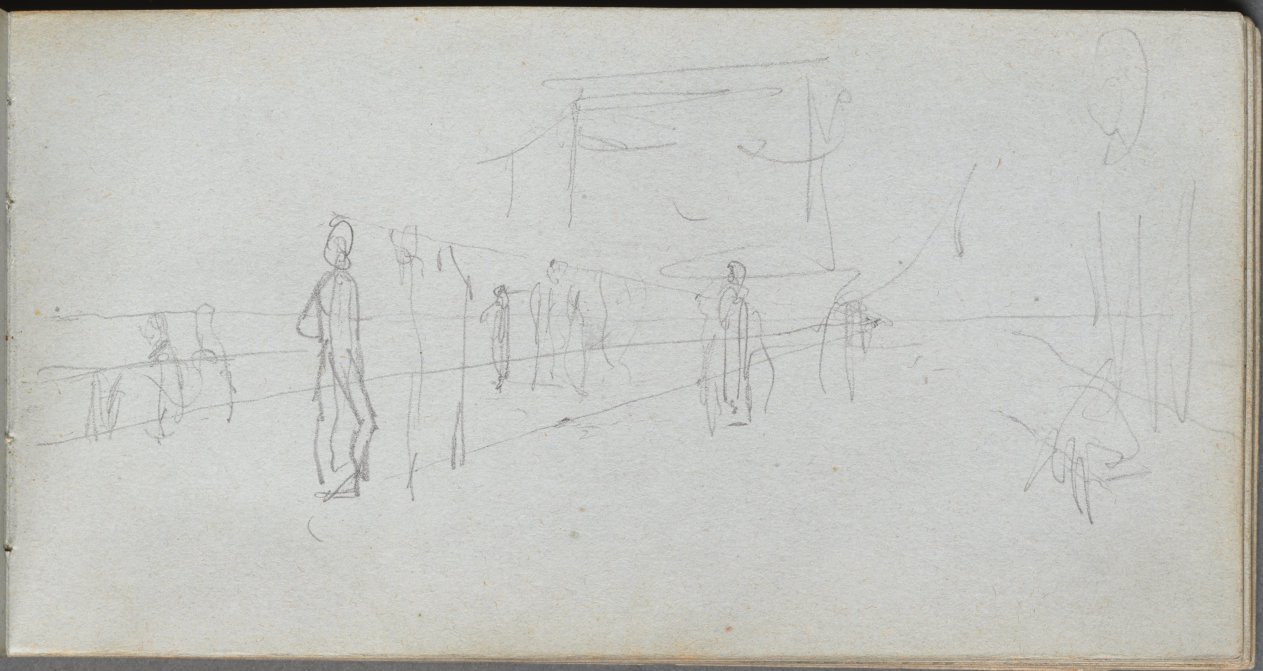
  3. Sketchbook, page 40: Perspective Study
Sketchbook, page 40: Perspective Study, Ernest Meissonier, c. 1860s
Jean-Louis-Ernest Meissonier, portraitJean-Louis-Ernest MeissonierFrench, 1815–1891

Sketchbook, page 40: Perspective Study

c. 1860s · Bound Volume

May one see it?

Not receiving at present

The Cleveland Museum of Art

Cleveland, United States

It belongs to the collection, but is not on display at present.

Checked
9 days ago
In this state since
Aug 19, 2026
Source
The museum
On the mapMuseum page

Particulars

c. 1860s
18151891
Accession number
1992.344.nn

In the catalog

Drawings & watercolorsGraphiteRealismImpressionism19th centuryFrance

Sources

  • The Cleveland Museum of Art
  • Image: The Cleveland Museum of Art — Museum open access

Meanwhile, in the life of Jean-Louis-Ernest Meissonier

The whole life
  1. summer 1859

    A government commission for scenes of the Italian campaign

    In the summer of 1859, when Napoleon III and Victor Emmanuel II set out to oust the Habsburgs from northern Italy, Meissonier receives a government commission to illustrate scenes from the campaign. Napoleon III attached him to the imperial staff, and the painter accompanied the emperor in Italy.

  2. 1860s

    A turn to battle subjects and high prices

    In the 1860s he begins to paint historical and battle scenes from the time of the French Revolution, the Napoleonic Wars and the conflicts of Emperor Napoleon III; his contemporaries valued them even more than his earlier genre works. In time he received 300,000 francs each for The Charge of the Cuirassiers and Napoleon I in 1814, and 200,000 for Napoleon III at Solferino, which its first owner later resold for 850,000.

  3. autumn 1861

    Elected to the Institut de France

    In autumn 1861 the members of the Académie des Beaux-Arts vote him into their number: he takes the chair of Abel de Pujol.

  4. 1864

    Salon of 1864: “Solferino” and “1814”

    At the Salon Meissonier shows The Emperor at Solferino, which took him more than three years to complete, and 1814.

  5. June 1868

    Travels to Antibes with easel, family and horses

    In June 1868 Meissonier travels to Antibes with canvas and easel, his wife, son and daughter, and two of his horses, Bachelier and Lady Coningham. The light of the south attracted him: in the Antibes landscapes he, possibly under the influence of plein-air landscapists, abandoned for a while his obsession with historical authenticity in favour of something more spontaneous.

  6. 1870–1871

    A colonel in besieged Paris

    At the beginning of the war in 1870 he accompanies Napoleon III as an attaché of the imperial staff, and during the Siege of Paris he commands a regiment of the National Guard (other accounts call it a regiment de marche, one of the improvised units thrown up in the chaos of the war).
More by Jean-Louis-Ernest Meissonier

All works
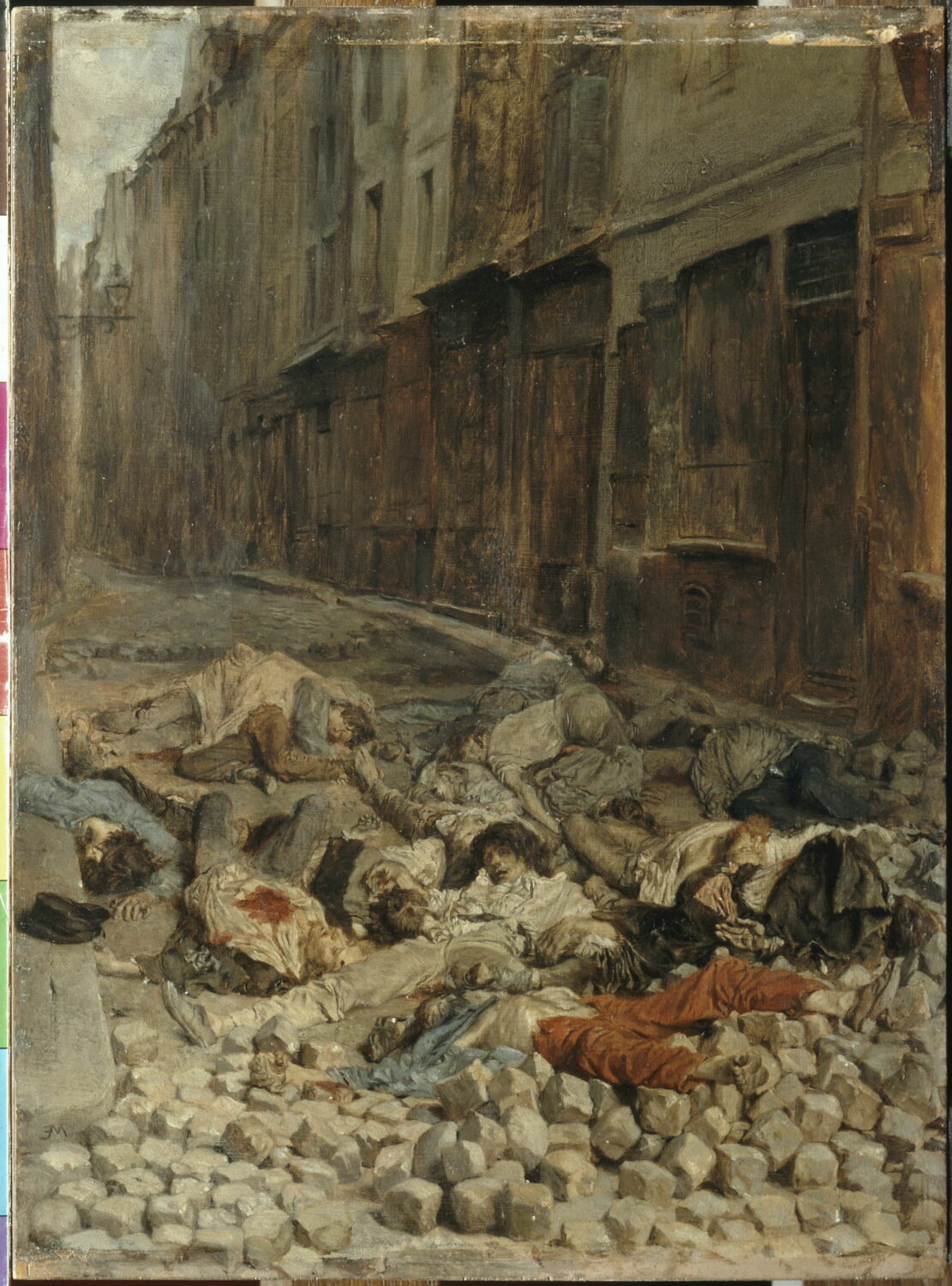
La Barricade, dit aussi Souvenir de guerre civile. Juin1848, Meissonier, Ernest, Milieu du XIXe siècle (vers 1850 - 1851)

La Barricade, dit aussi Souvenir de guerre civile. Juin1848

mid 19th century (c. 1850–1851) · Musée du Louvre

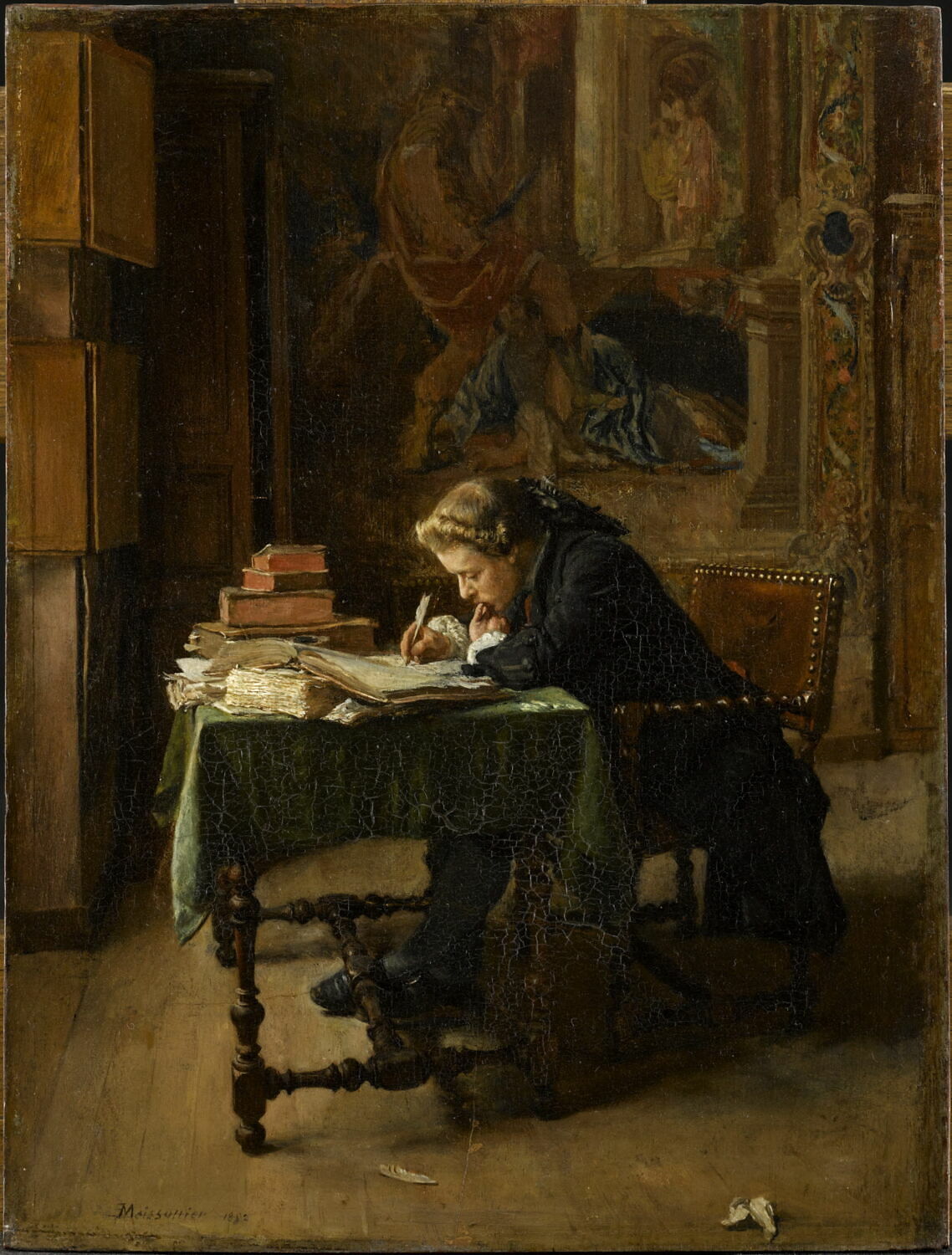
Jeune homme travaillant, dit aussi Jeune homme écrivant, Meissonier, Ernest, 3e quart du XIXe siècle (1852)

Jeune homme travaillant, dit aussi Jeune homme écrivant

third quarter of the 19th century (1852) · Musée du Louvre

Horseman in a Storm, Jean-Louis-Ernest Meissonier, model c. 1878, cast after 1894

Horseman in a Storm

model c. 1878, cast after 1894 · National Gallery of Art

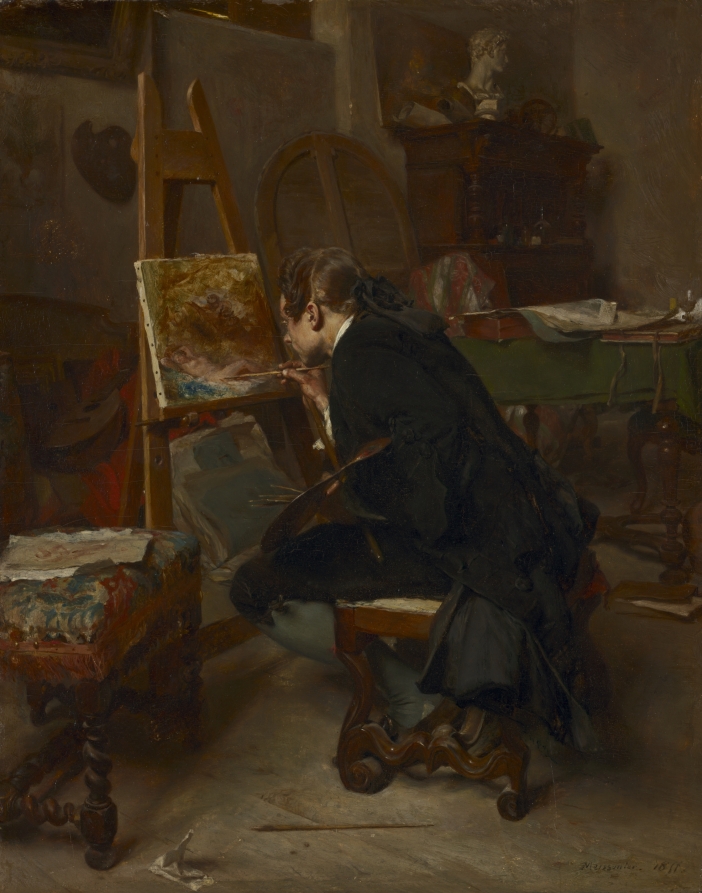
A Painter, Ernest Meissonier, 1855

A Painter

1855 · The Cleveland Museum of Art

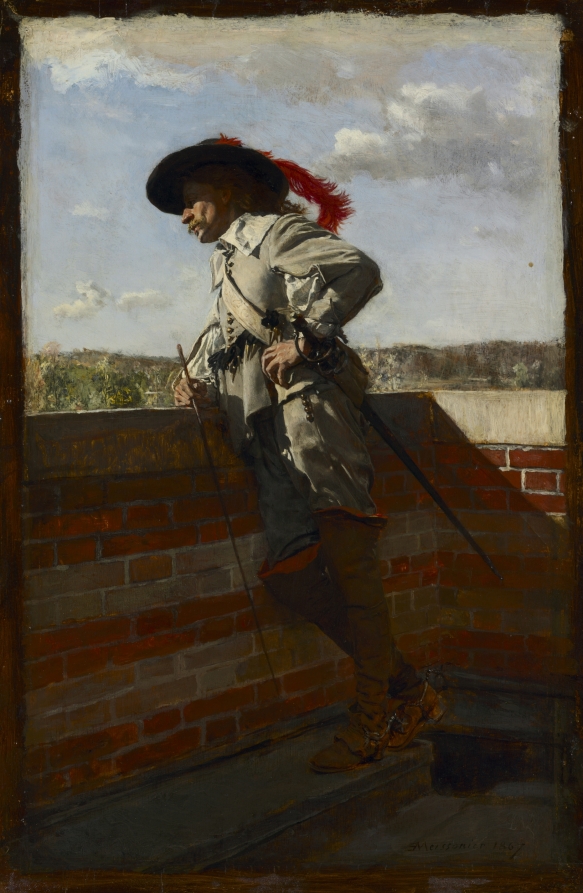
On a Terrace, Ernest Meissonier, 1867

On a Terrace

1867 · The Cleveland Museum of Art

Les Amateurs, Jean-Louis-Ernest Meissonier

Les Amateurs

Not on view · National Gallery of Art

Scène de cabaret, Meissonier, Ernest

Scène de cabaret

Musée du Louvre

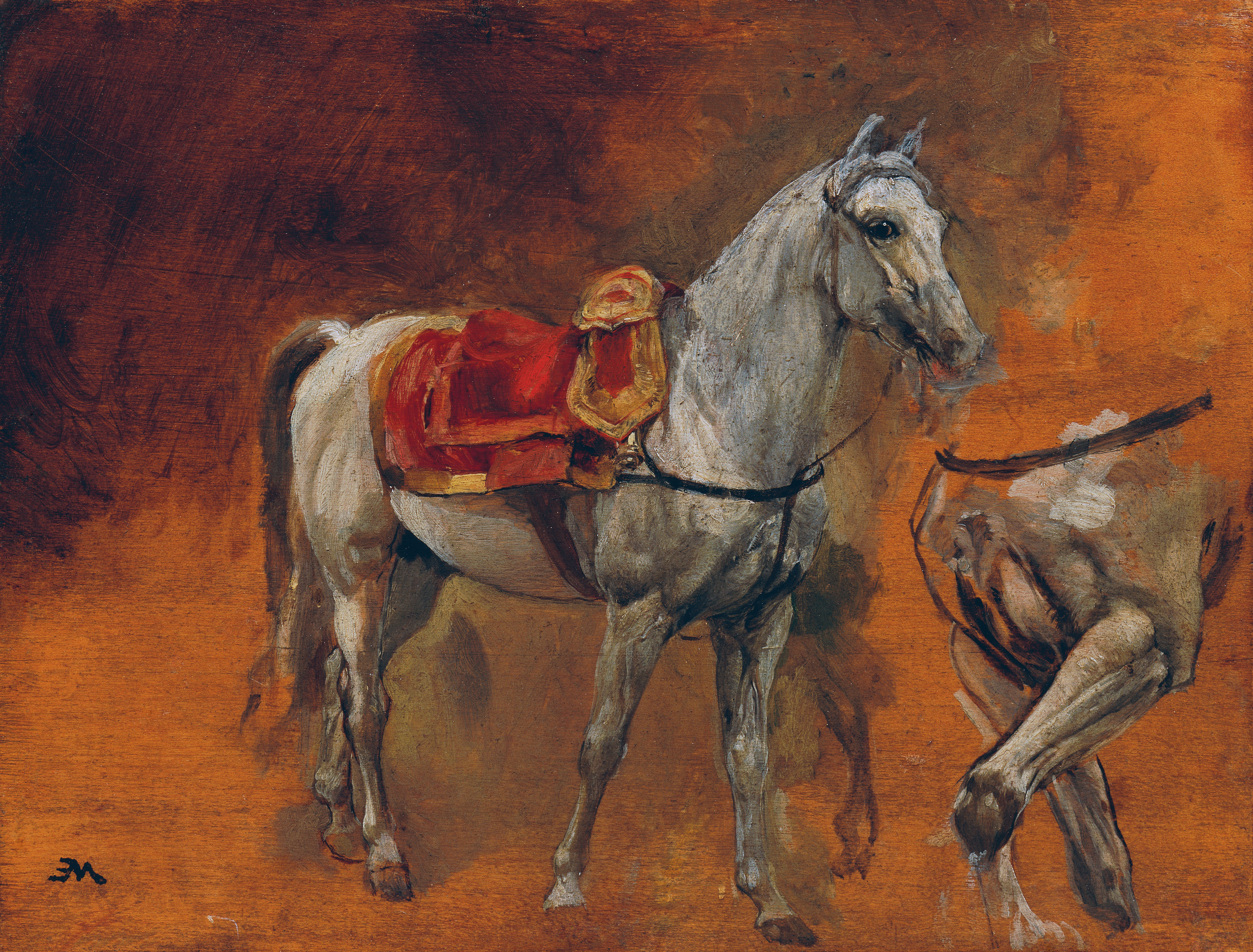
Studien eines Schimmels, Jean-Louis-Ernest Meissonier

Studien eines Schimmels

Belvedere

Neighbors at The Cleveland Museum of Art

Museum page
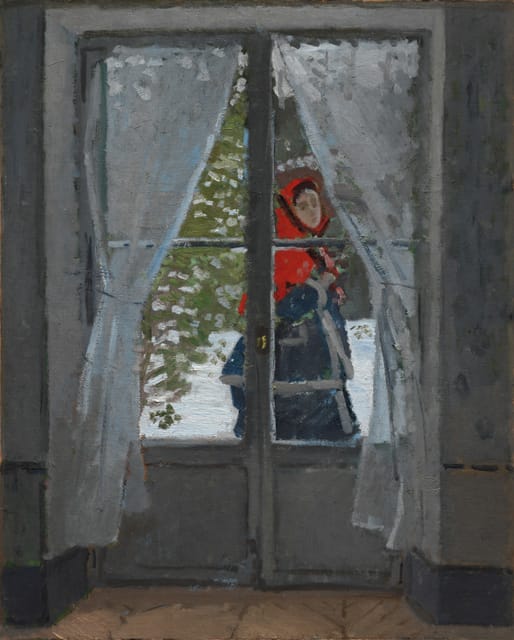
The Red Kerchief, Claude Monet, c. 1868–73

Claude Monet

The Red Kerchief, c. 1868–73

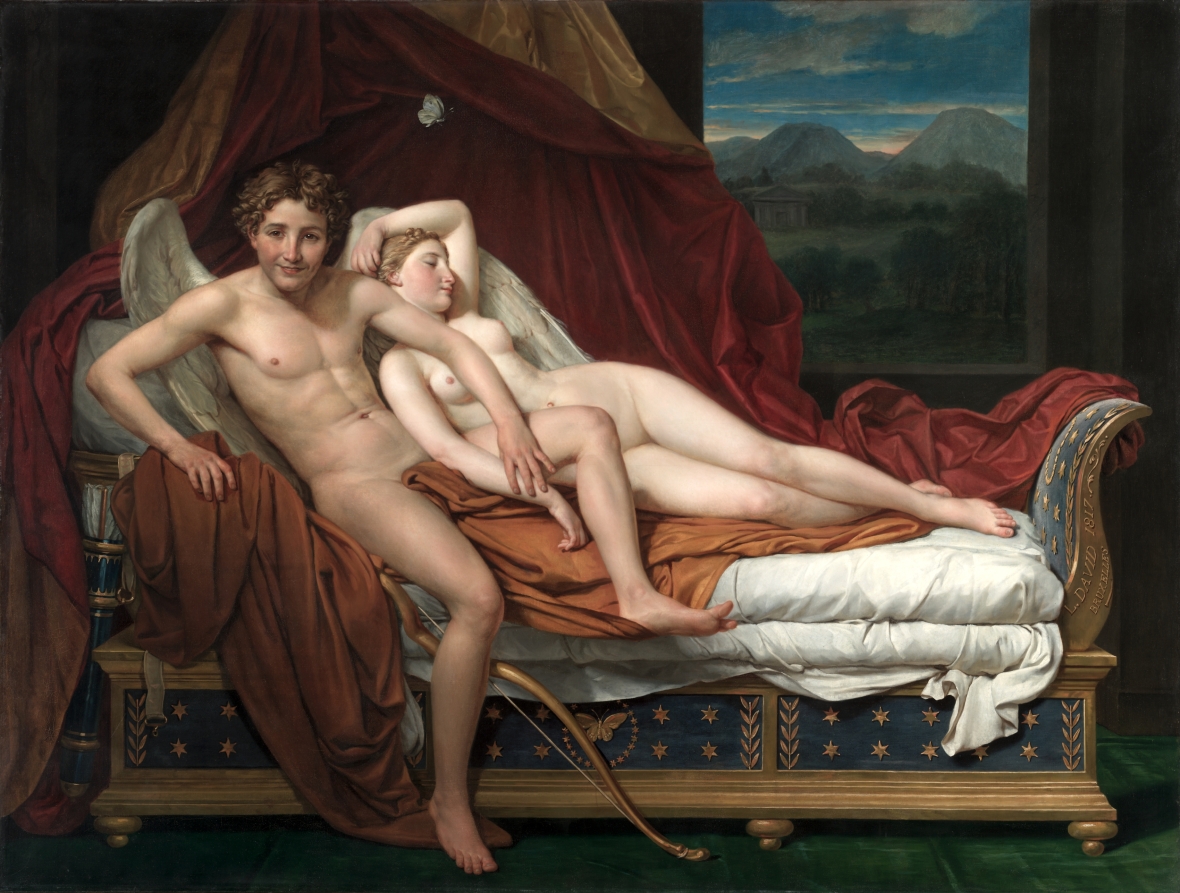
Cupid and Psyche, Jacques-Louis David, 1817

Jacques-Louis David

Cupid and Psyche, 1817

Mars, Venus, and Eros, Marcantonio Raimondi possibly after Andrea Mantegna, 1508

Andrea Mantegna

Mars, Venus, and Eros, 1508

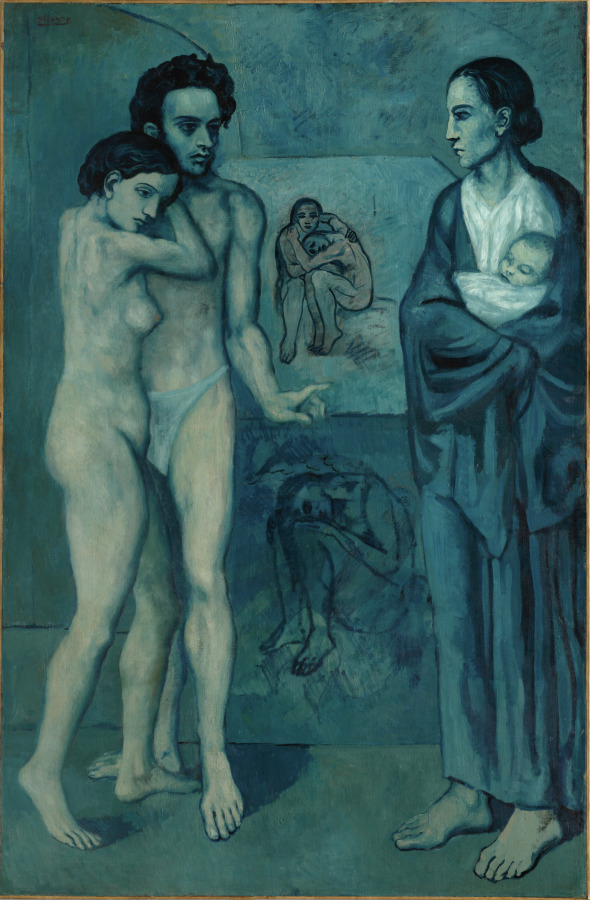
La Vie, Pablo Picasso, 1903

Pablo Picasso

La Vie, 1903

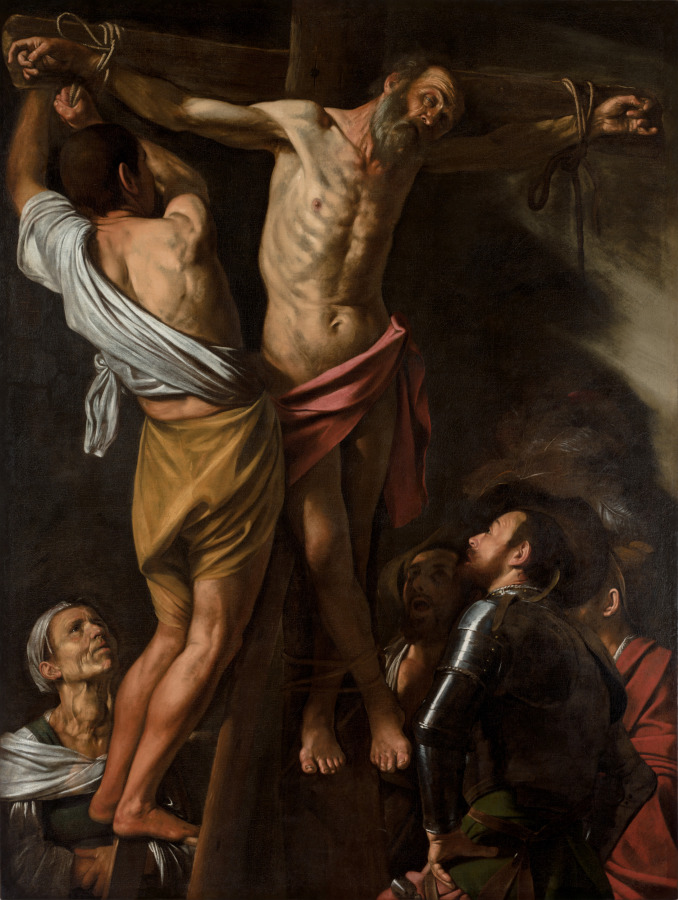
The Crucifixion of Saint Andrew, Caravaggio, 1606–7

Caravaggio

The Crucifixion of Saint Andrew, 1606–7

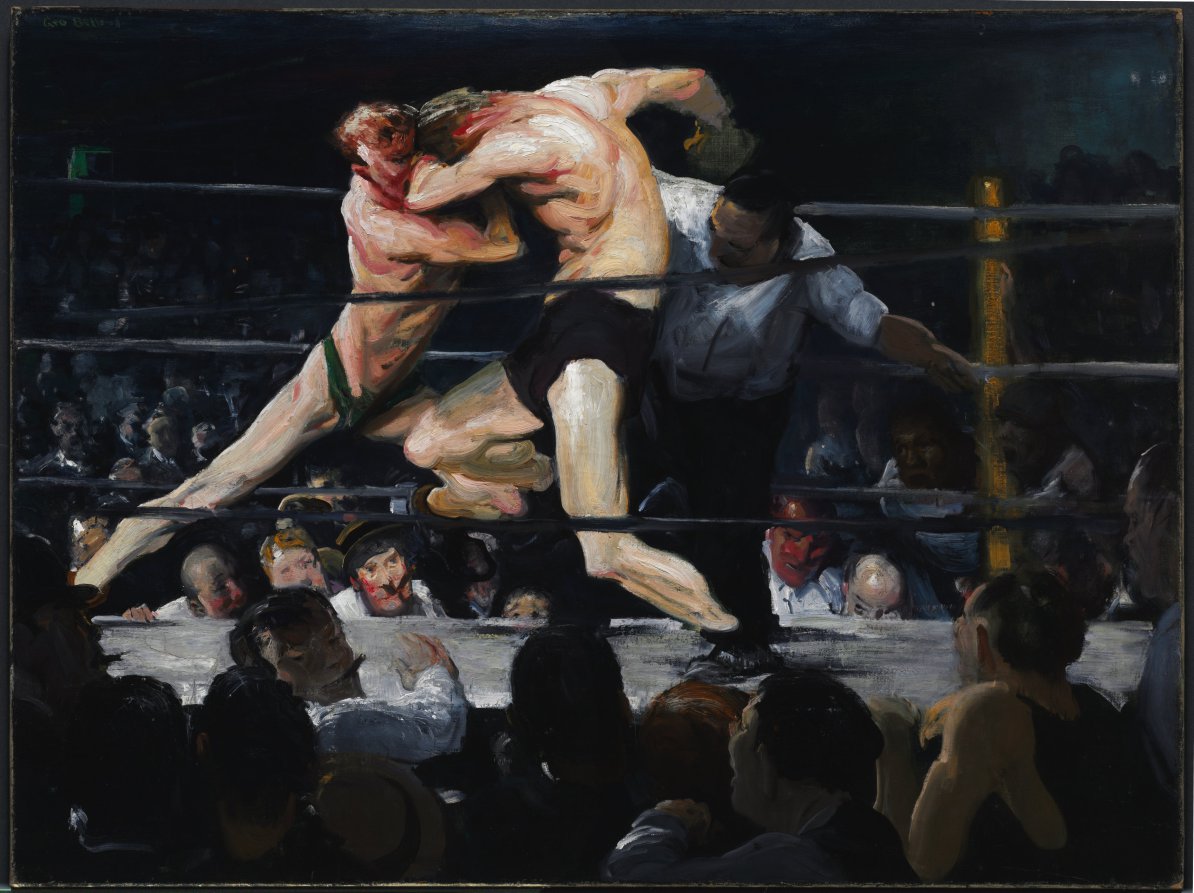
Stag at Sharkey's, George Bellows, 1909

George Bellows

Stag at Sharkey's, 1909

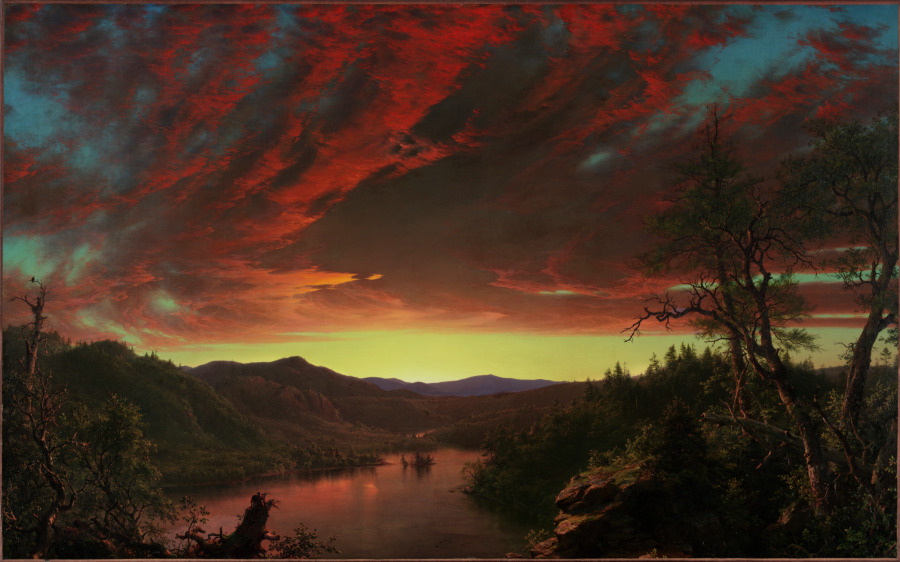
Twilight in the Wilderness, Frederic Edwin Church, 1860

Frederic Edwin Church

Twilight in the Wilderness, 1860

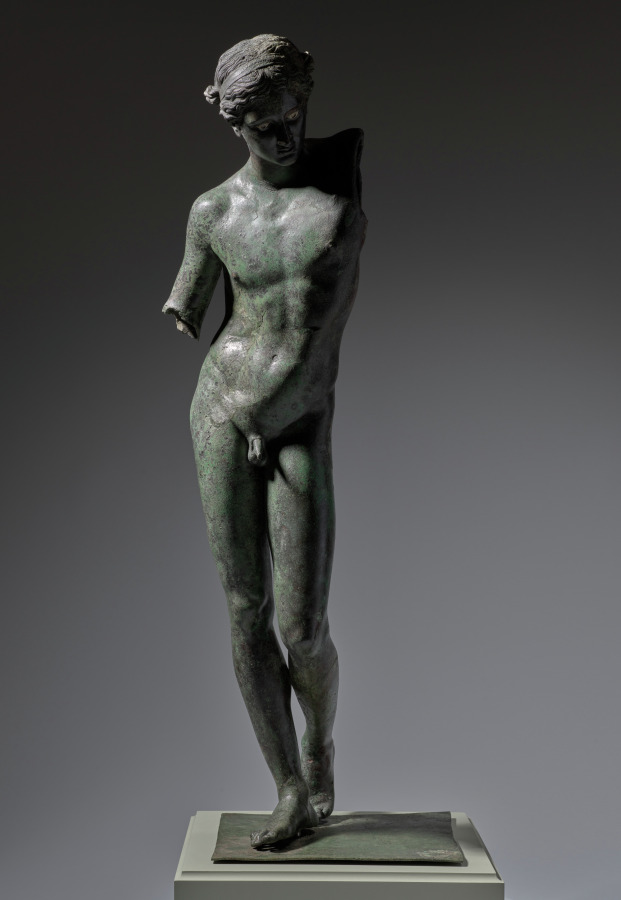
The Cleveland Apollo: Apollo Sauroktonos (Lizard-Slayer) or Apollo the Python-Slayer, Praxiteles, c. 350–200 BCE

Praxiteles

The Cleveland Apollo: Apollo Sauroktonos (Lizard-Slayer) or Apollo the Python-Slayer, c. 350–200 BCE