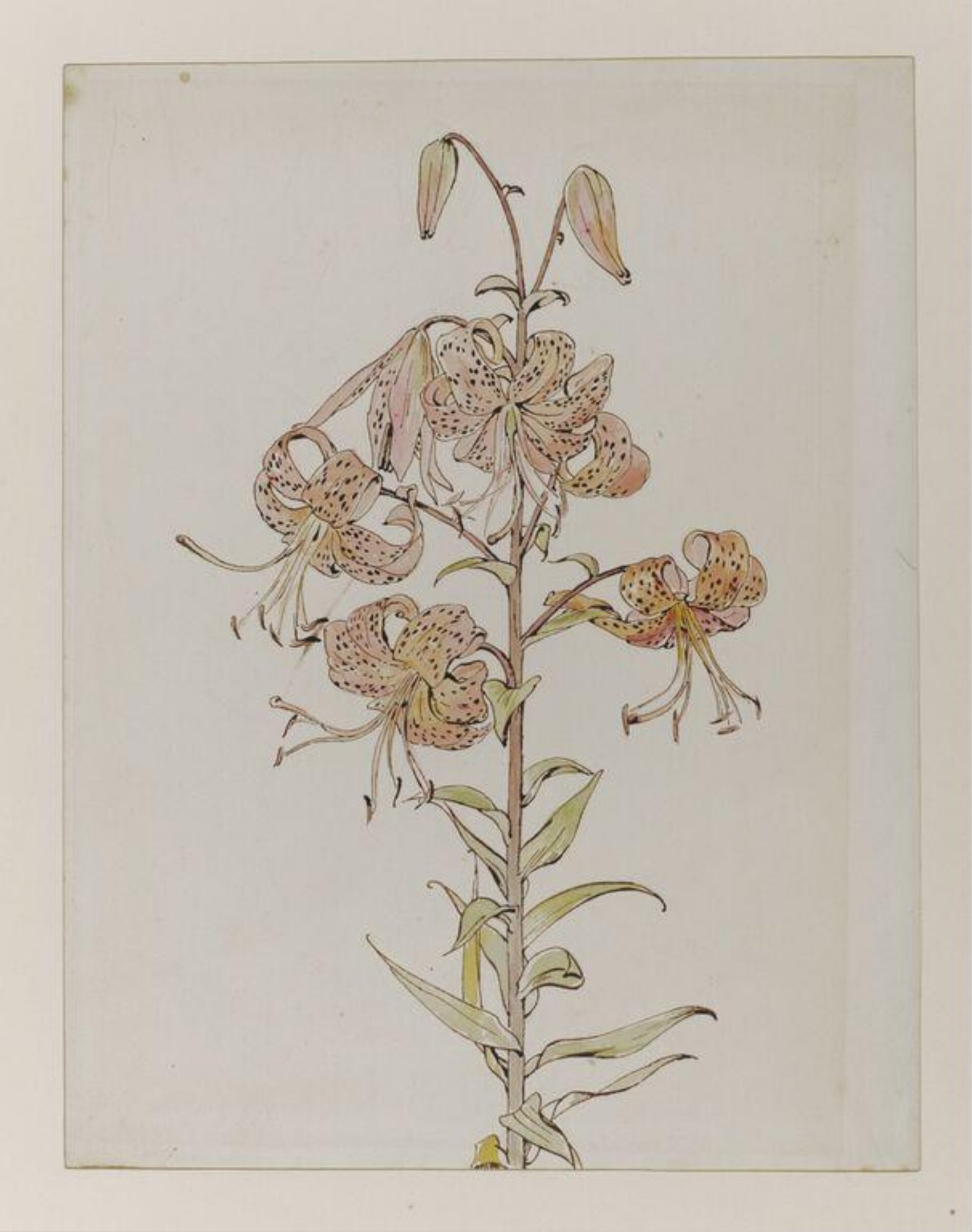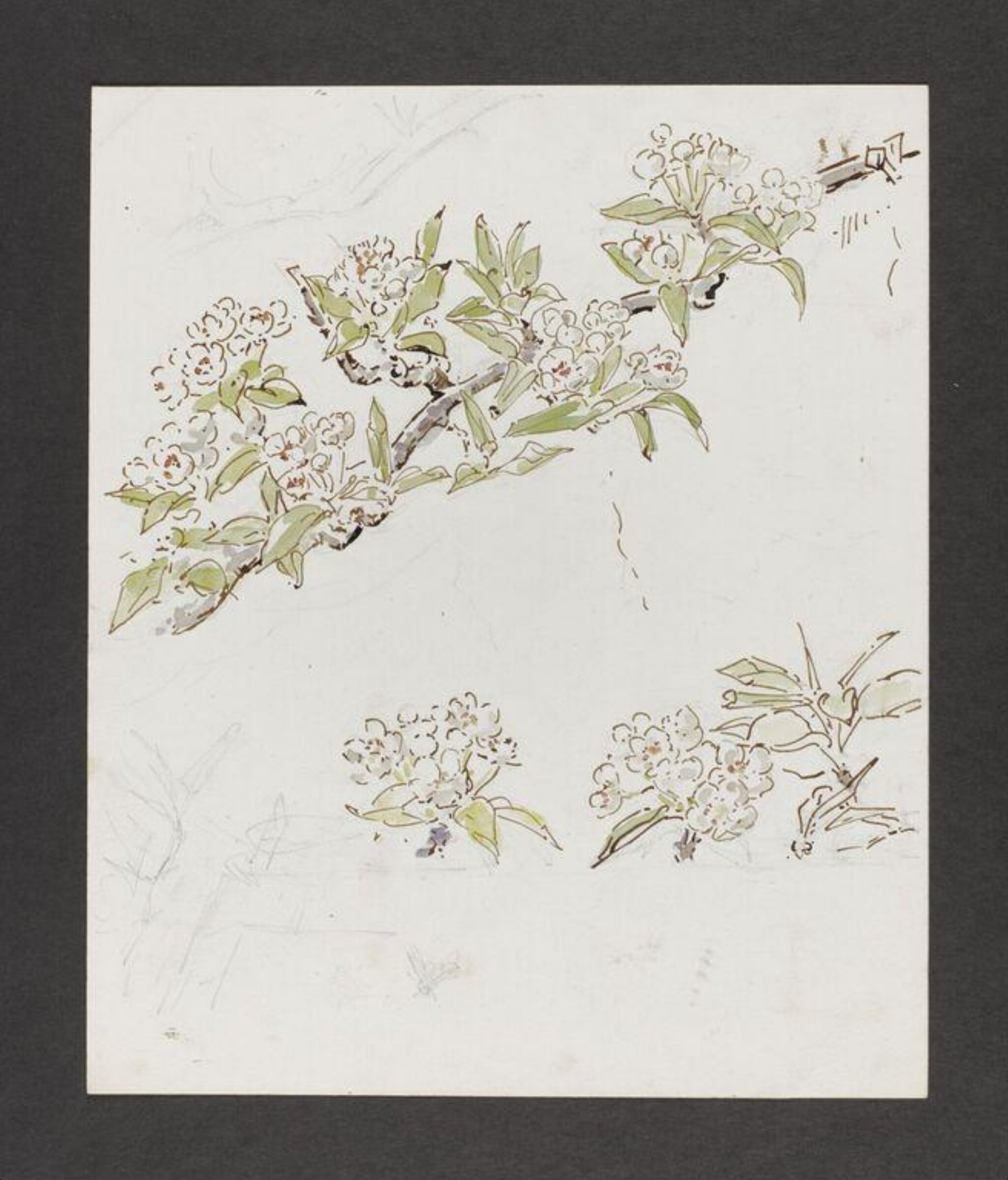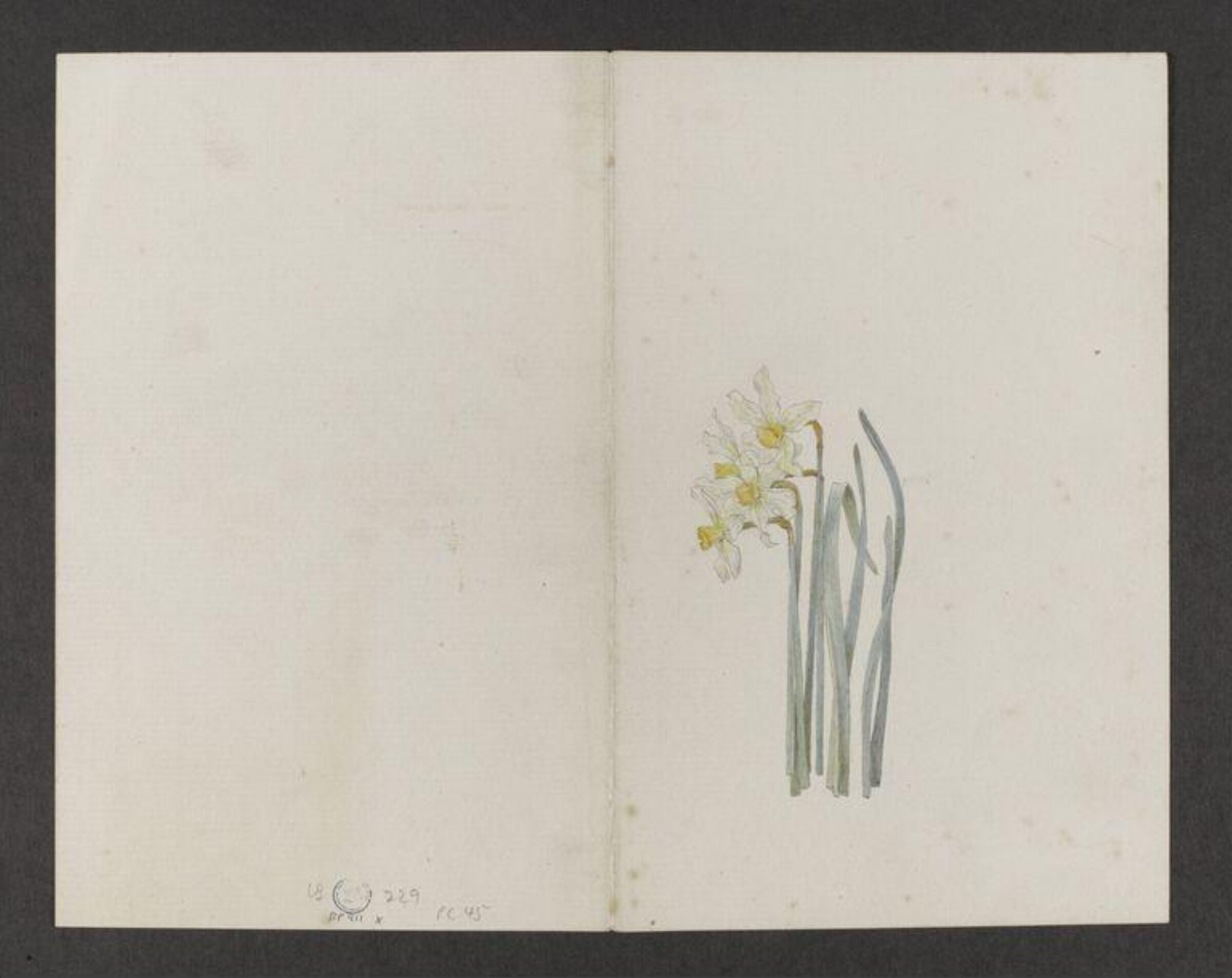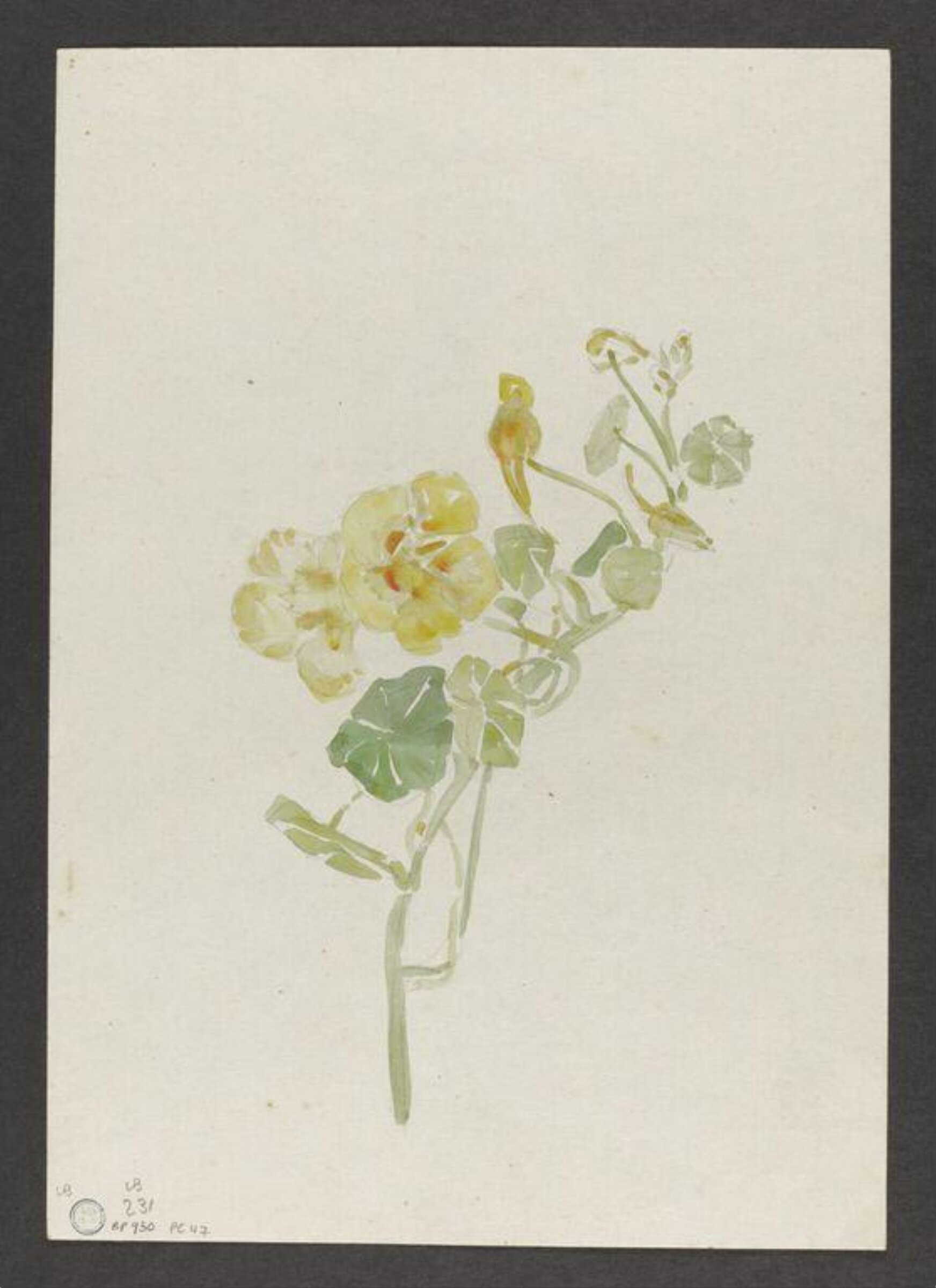
 Beatrix Potter1866–1943
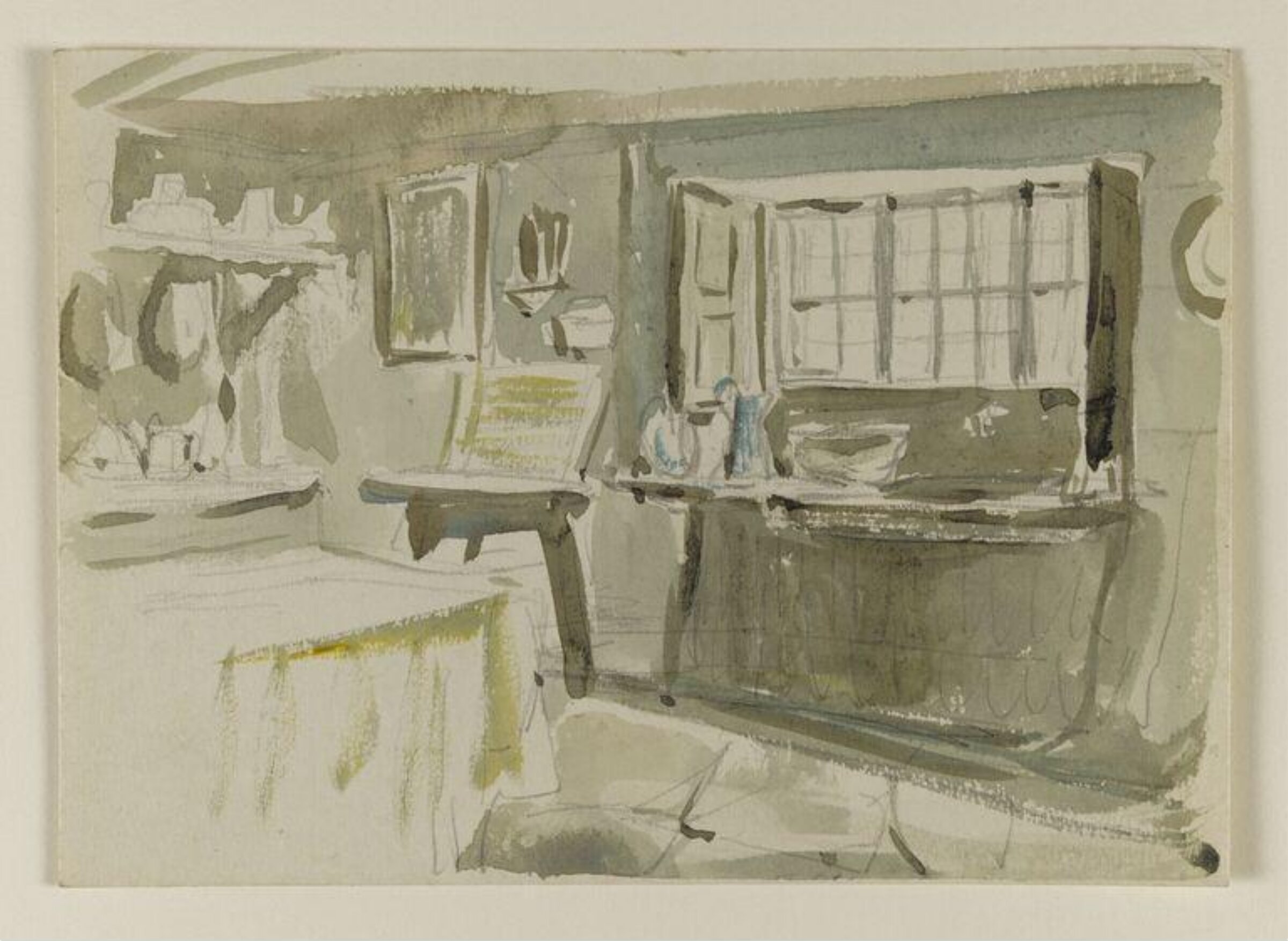
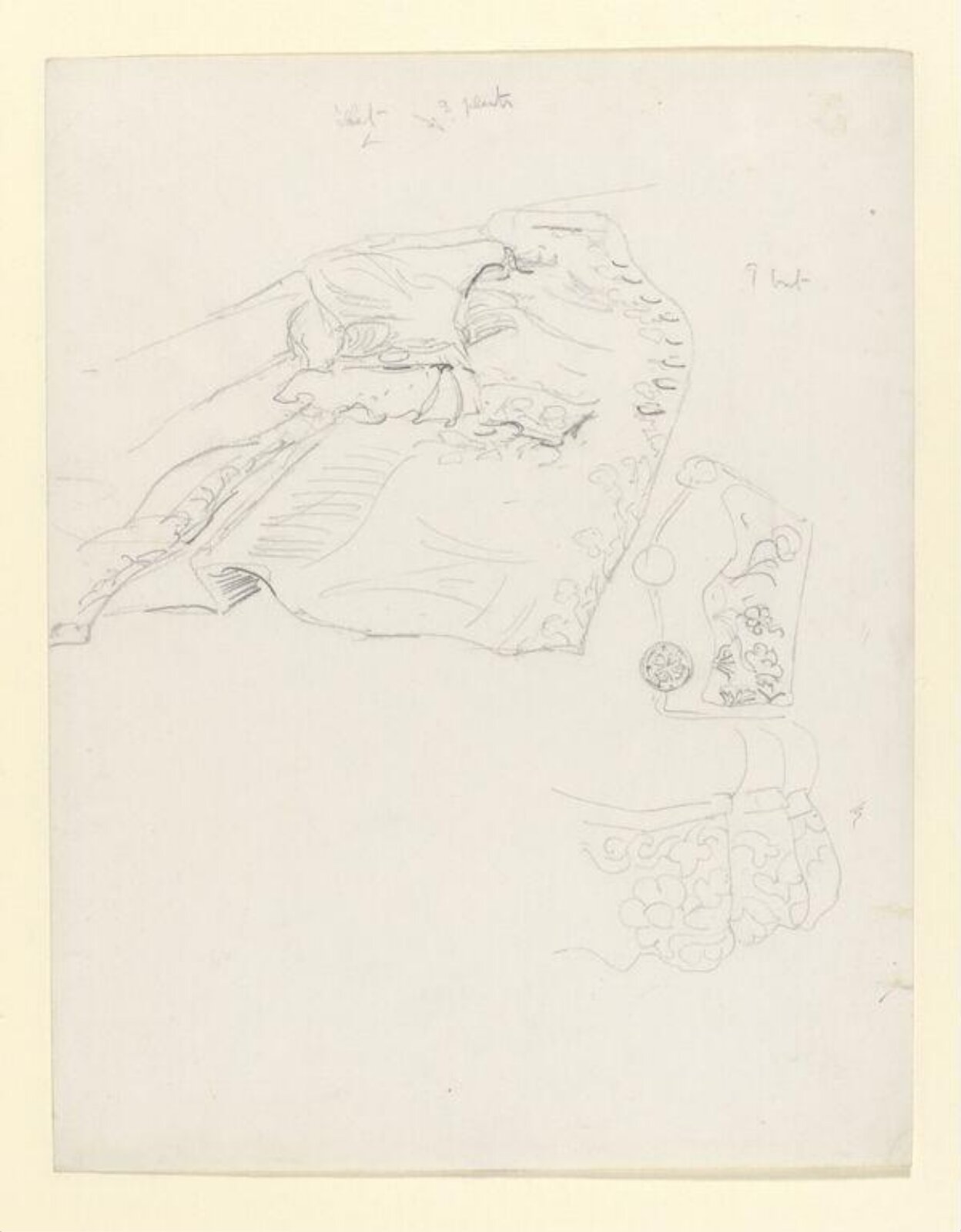
Sketch for the Mayor's coat
Can I see it?
Not on view at present
Where is “Sketch for the Mayor's coat” now? Collection: Victoria and Albert Museum, London. Not on view at present. Checked September 25, 2026.

London, United Kingdom
It belongs to the collection, but is not on display at present.
- Checked
- In this state since
- Source
- The museum
About the work
Beatrix Potter (1866-1943) is one of the world's best-loved children's authors and illustrators. She wrote the majority of the twenty-three Original Peter Rabbit Books between 1901 and 1913. The Tale of Peter Rabbit (Frederick Warne, 1902) is her most famous and best-loved tale.
Read on
The Tailor of Gloucester was Beatrix's favourite of her little books and the second to be privately printed prior to publication by Frederick Warne & Co. in 1903. Many of Beatrix Potter’s stories begin ‘Once upon a time…’. The Tailor of Gloucester is unusual in that the story takes place at a specific period – ‘the time of swords and periwigs’ – between about 1735 and 1785. Beatrix went to extraordinary lengths to create an authentic setting. Passing a tailor’s shop in Chelsea one day, she deliberately tore a button off her coat and took it in to be mended so she could observe at first hand the tailor’s posture, tools and workbench.
She sought inspiration for the Mayor of Gloucester’s coat and embroidered waistcoat in 18th-century clothes owned by her local museum, the Victoria and Albert Museum (then known as the South Kensington Museum). In March 1903 she wrote to her publisher, Norman Warne: ‘I had been looking at them for a long time in an inconvenient dark corner of the Goldsmith’s Court, but had no idea they could be taken out of the case. The clerk says I could have any article put on a table in one of the offices, which will be most convenient.’ Her sketches of the Museum's costumes are so accurate that it is possible to identify the original garments, including the mayor’s waistcoat, ‘worked with poppies and corn-flowers’.
Victoria and Albert Museum
Details
- Accession number
- LC 9/A/3
What it shows
In the catalog
Sources
- Victoria and Albert Museum
- Image: Victoria and Albert Museum — © Victoria and Albert Museum, London
In the life of Beatrix Potter
The whole life1900–1901
A dummy book of the rabbit tale, printed at her own expense
In 1900 Beatrix revised her tale of the four little rabbits and made a dummy book of it — it has been suggested, in imitation of Helen Bannerman’s 1899 bestseller; no one would buy it. So in December 1901 she had it printed at her own expense for family and friends — in black and white, with a coloured frontispiece.
2 October 1902
“The Tale of Peter Rabbit” is published
Several publishers had turned the manuscript down, Frederick Warne & Co among them, but the firm, eager to enter the booming market for small-format children’s books, reconsidered on the advice of the artist L. Leslie Brooke; it declined Rawnsley’s verse version in favour of Beatrix’s own prose, and she agreed to colour her illustrations, choosing the new Hentschel three-colour process. “The Tale of Peter Rabbit” appeared on 2 October 1902 and was an immediate success.
1903
A patented Peter Rabbit toy: the birth of character merchandising
In 1903 Beatrix made and patented a Peter Rabbit doll — he became the first fictional character made into a patented soft toy, and so the oldest licensed character. Painting books, board games, wallpaper, figurines, baby blankets and china tea-sets followed under licence from her publisher Warne, earning her an independent income, and Harrods catalogues list Peter merchandise from at least 1910.
1903–1922
Two or three books a year with the editor Norman Warne
“The Tale of Squirrel Nutkin” and “The Tailor of Gloucester” followed “Peter Rabbit” in 1903 — both also began as picture letters to the Moore children. Working with the editor Norman Warne, Beatrix published two or three little books a year — 23 in all in that format, the last, in 1922, being “Cecily Parsley’s Nursery Rhymes”; the royalties gave her a degree of independence, though she still lived with her parents.