ART WIKI32,963 on view
MapCollectionArtistsMuseumsExhibitionsJournal
Sign in

ART WIKI

Where the masterpiece hangs, and when they let you in.

Collections: Art Institute of Chicago, Getty Villa, Harvard Art Museums, Hirshhorn Museum and Sculpture Garden, J. Paul Getty Museum, Minneapolis Institute of Art, Musée du Louvre, National Gallery of Art, National Museum of Asian Art, National Portrait Gallery (Smithsonian), Pushkin State Museum of Fine Arts, Rijksmuseum, Smithsonian American Art Museum, SMK — National Gallery of Denmark, State Hermitage Museum, State Russian Museum, The Cleveland Museum of Art, The Metropolitan Museum of Art, The Museum of Modern Art, Tretyakov Gallery, Victoria and Albert Museum, Whitney Museum of American Art, State Catalogue of the Museum Fund of Russia (274 museums), Europeana (19 museums), Wikidata (6 museums), Paris Musées (12 museums), and Joconde, the French Ministry of Culture's museum database (495 museums). Images belong to their rights holders.

Sections

  • Map
  • Search
  • Collection
  • Masterpieces
  • On view now
  • Artists

More

  • Museums & galleries
  • Exhibitions
  • Journal
  • Where the data comes from
  • Privacy & cookies
HomeMapBrowse
  1. Collection/
  2. Victoria and Albert Museum/
  3. Site Edit VII
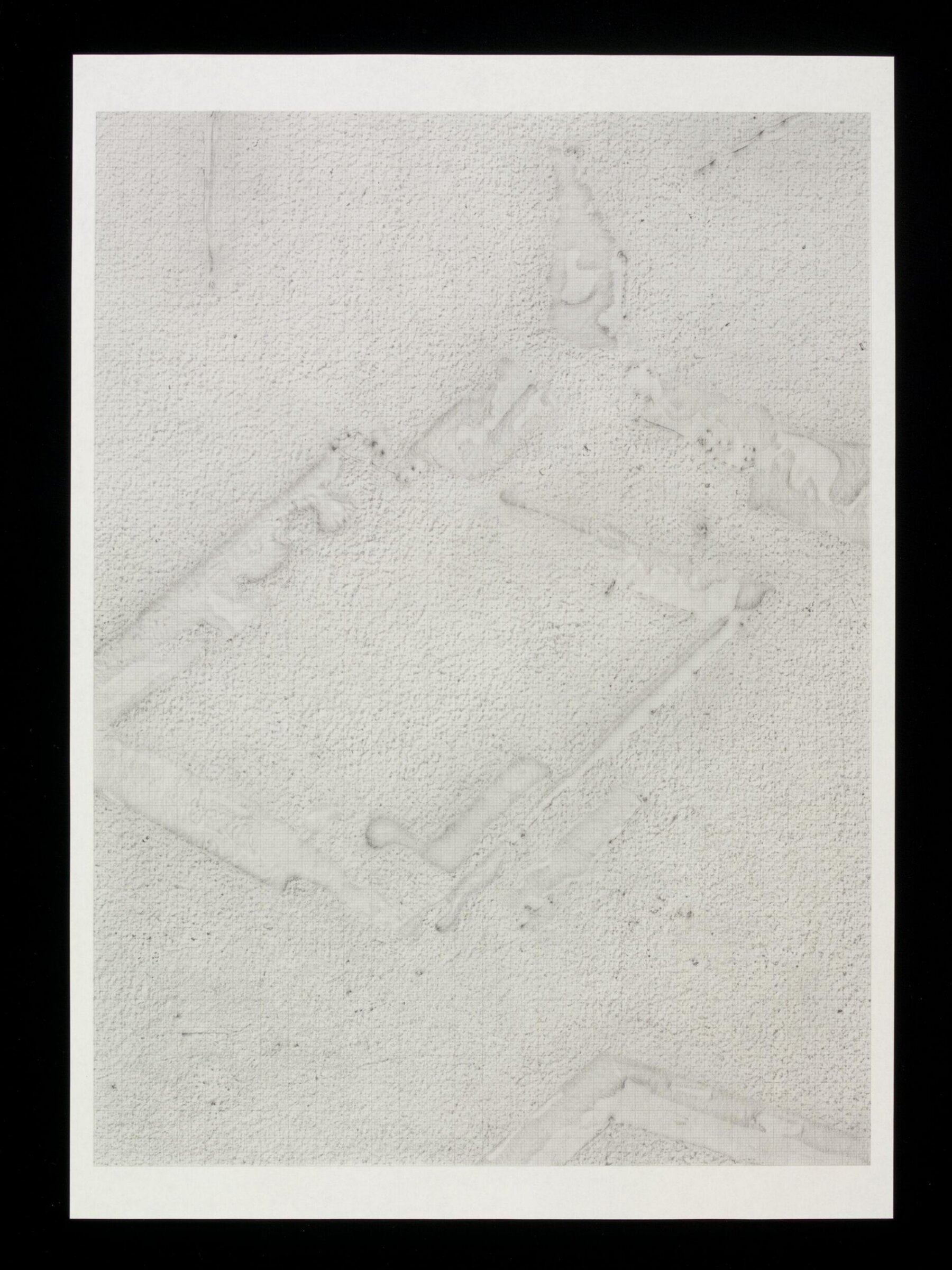
Site Edit VII, Jane Dixon, 2009
JJane Dixon

Site Edit VII

2009 · Drawing · 42.1 × 29.7 cm

About the work

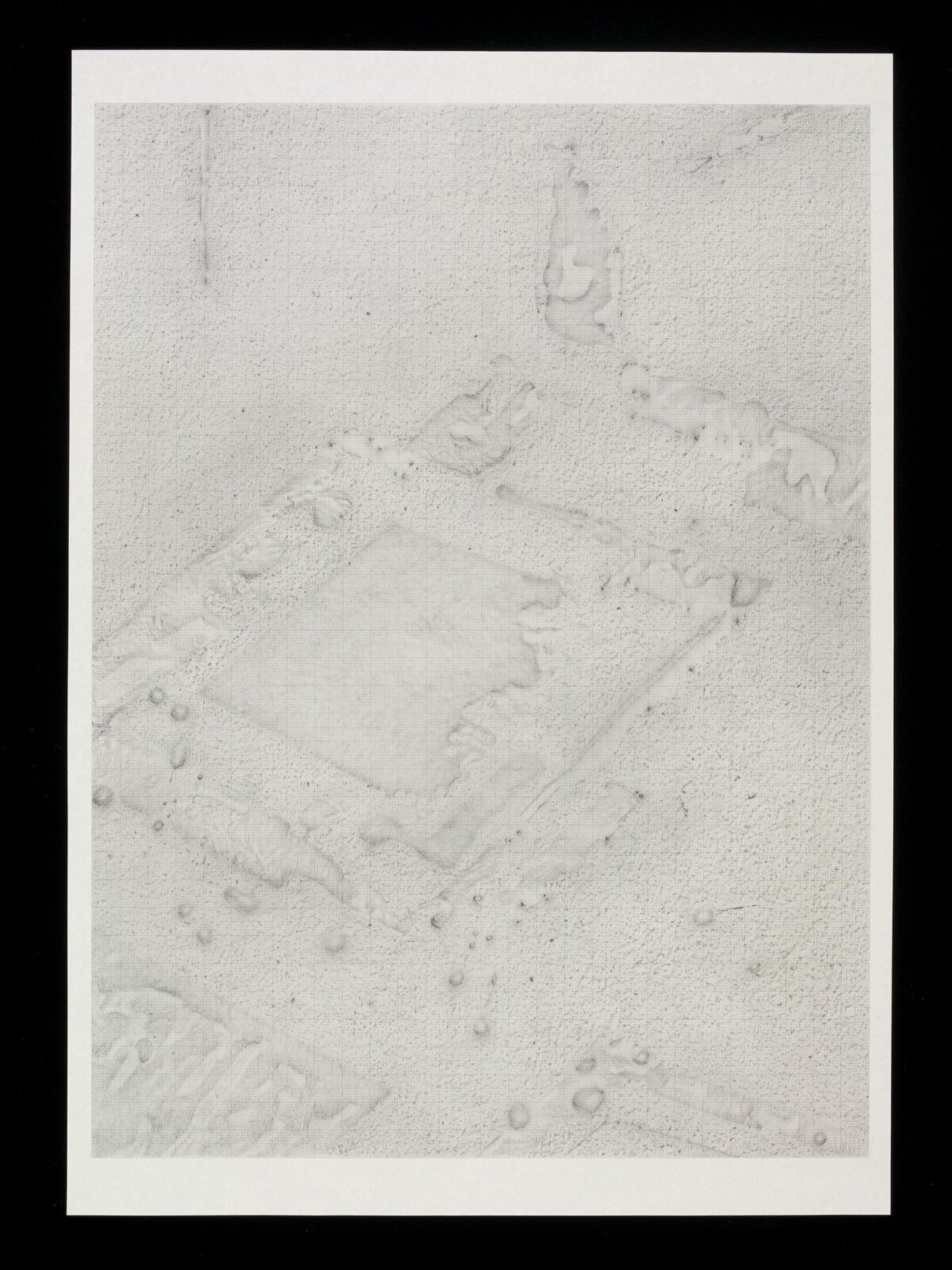
Since 2006 Jane Dixon has been working on a project entitled Regeneration through which she has explored the street plans of four cities which have been devastated through war or earthquake and subsequently rebuilt: Berlin, Chicago, Yokohama and Tokyo. Her working process involves three stages: first she takes a photograph of part of her chosen city from the top of a high building; next she makes a copy of the photograph in thickly impastoed acrylic paint; finally she places a thin sheet of graph paper over this textured painting and makes a rubbing of it in pencil. The acrylic painting is then discarded. Further detail is sometimes added to the drawing through taking a rubbing from the texture of a roughly plastered wall. This process of making the drawings is as important as their subject and is deliberately paradoxical: on the one hand it gives an extreme refinement to the drawings, setting them at a double remove from the contemporary reality of their city-subject, and on the other it confers a direct and tangible connection with existing buildings.

Read on

The graph paper on which the drawings are made echoes the theme of process, with its inherent suggestion of architectural plans. However, the completed drawings are actually more reminiscent of aerial photographs of archaeological sites, in that they appear to show the footprints of long-abandoned structures even when they are mostly based on images of thriving modern cities. They are meditations on the destruction and rebuilding of particular sites, and more broadly on the city as a palimpsest; the viewer is drawn to re-imagine the outlined forms in the drawings as buildings - or building sites - or bomb sites. Dixon's theme of the temporality of structures reflects the time she has spent in Japan, where a reverence for ephemeral objects and buildings is expressed in the national culture.

The pair of drawings 'Site Edit VII' is from a series of diptychs forming one strand of Dixon's Regeneration project. Adding a further layer of subtlety to her complex creative process, these pairings are intended to suggest 'before' and 'after' photographs. One of the drawings was made in the way described above; the other resulted from a further artistic intervention in which the acrylic painting was crushed and broken up (serving as a metaphor for the alteration of the buildings themselves). This gives the second rubbing an altered (though still recognisable) set of contours and a slightly different overall texture. However, the idea of 'before' and 'after' remains ambiguous. Does the second drawing express a turn for better or worse, creation or destruction?

In Dixon's own words, the 'Site Edit' diptychs 'refer to the idea of making a work from a fixed temporal standpoint, whilst reflecting on knowledge of past destruction at the same time as imagining a possible changed future.' The resulting drawings are complex and thought-provoking works of art which resonate with historical associations.

Particulars

Accession number
E.26:1-2011

More by Jane Dixon

All works

Neighbors at Victoria and Albert Museum

Museum page

On the same theme · Topography

All works on the theme

Victoria and Albert Museum

May one see it?

Not receiving at present

Victoria and Albert Museum

London, United Kingdom

It belongs to the collection, but is not on display at present.

Checked
12 days ago
In this state since
Sep 25, 2026
Source
The museum
On the mapMuseum page

What it shows

Topography

In the catalog

Drawings & watercolorsGraphiteContemporary art21st centuryBritishBritain

Sources

  • Victoria and Albert Museum
  • Image: Victoria and Albert Museum — © Victoria and Albert Museum, London
Untitled [Gauntlets], Jane Dixon, 2000

Untitled [Gauntlets]

2000 · Not on view · Victoria and Albert Museum

Site Edit VII, Jane Dixon, 2009

Site Edit VII

2009 · Not on view · Victoria and Albert Museum

Bird of Paradise, Hashimoto Chitaka, 2026

Hashimoto Chitaka

Bird of Paradise, 2026

Torsion 2, Taruma Shoko, 2025

Taruma Shoko

Torsion 2, 2025

Fu, Someya Satoshi, 2025

Someya Satoshi

Fu, 2025

Bow Before the Curtain Falls, 2024

Bow Before the Curtain Falls, 2024

Summer, 2024

Summer, 2024

Red Flow, Ishizuka Genta, 2024

Ishizuka Genta

Red Flow, 2024

3D replica of Michelangelo's Prisoner (4117-1854), Factum Arte, 2024

Factum Arte

3D replica of Michelangelo's Prisoner (4117-1854), 2024

Sculpture, ‘Co-Existence – the Man and the Monkey’, Zhao Lin, 2024

Zhao Lin

Sculpture, ‘Co-Existence – the Man and the Monkey’, 2024

Camouflage House, Burr Ridge, Illinois, Model, Garofalo Architects, 1991

Garofalo Architects

Camouflage House, Burr Ridge, Illinois, Model, 1991

Not on view · Art Institute of Chicago

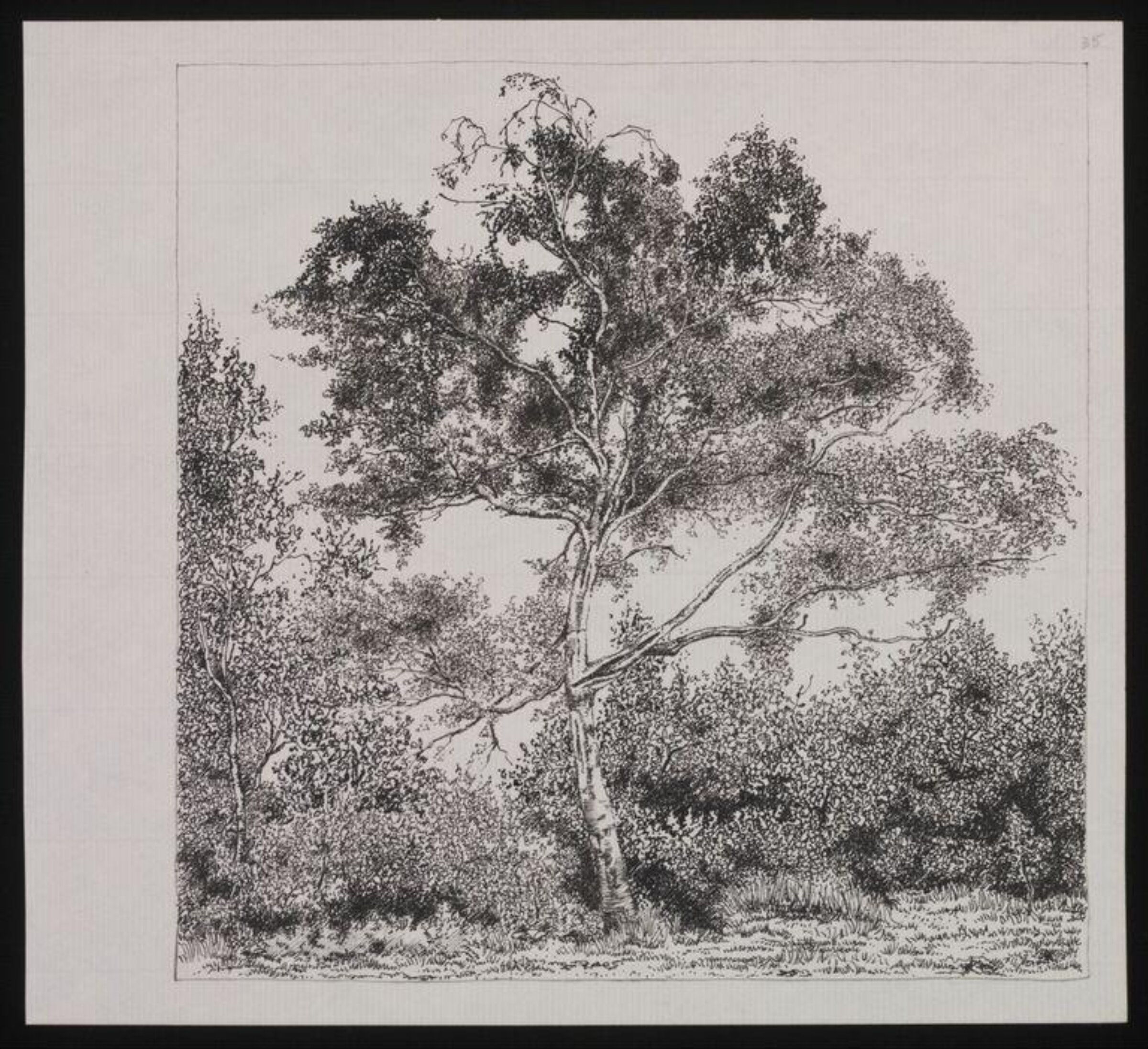
Birch Tree, Wimbledon Common, Donald Bowen, ca.1964

Donald Bowen

Birch Tree, Wimbledon Common, ca.1964

Not on view · Victoria and Albert Museum

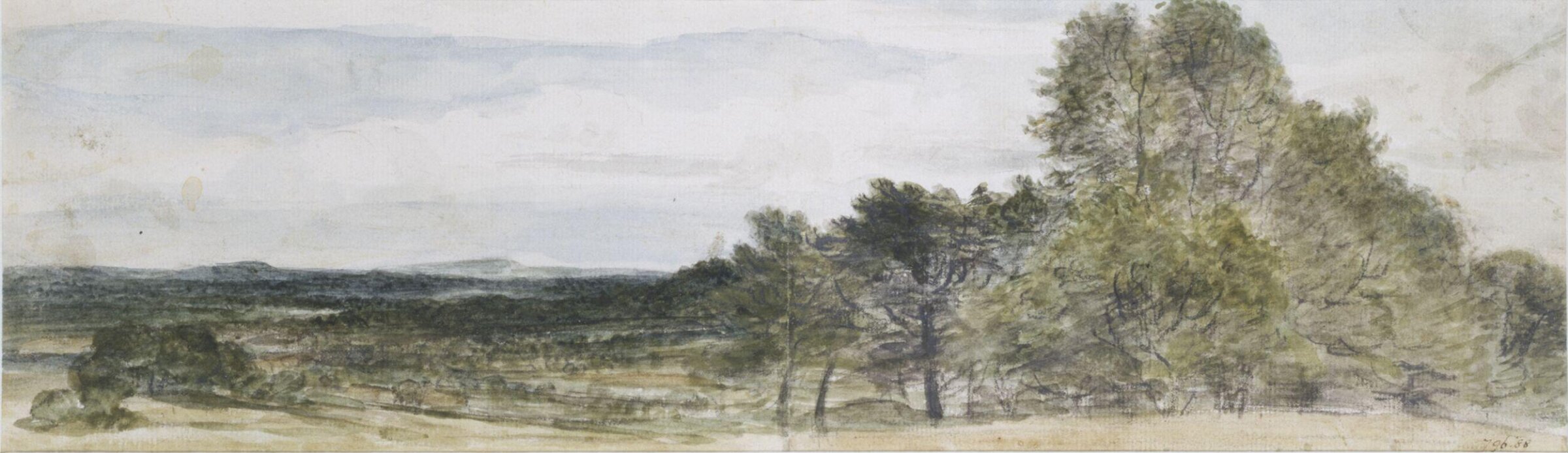
A view at Hursley, Hampshire, John Constable, 1804

John Constable

A view at Hursley, Hampshire, 1804

Not on view · Victoria and Albert Museum

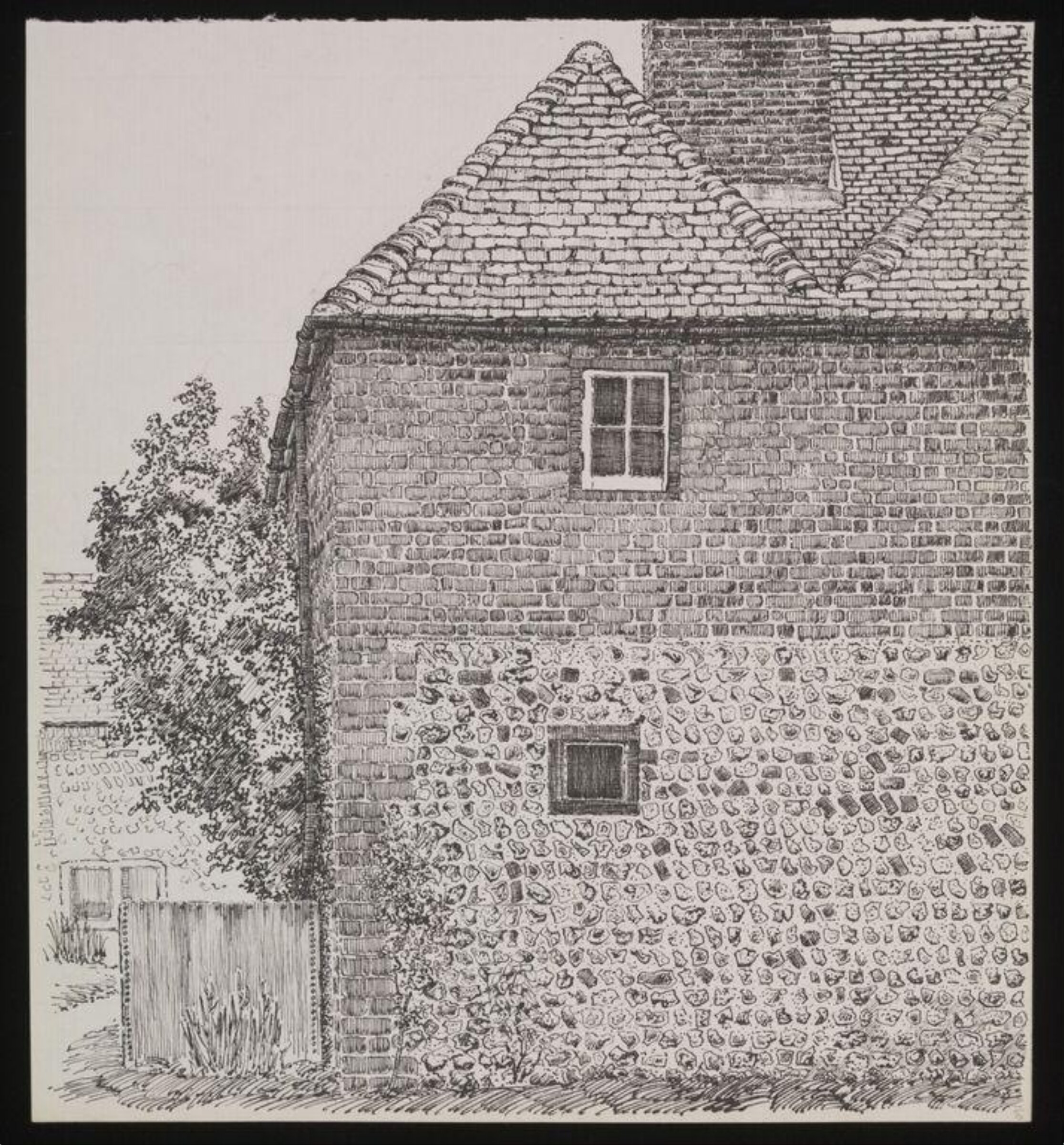
House in Alfriston, Sussex, Donald Bowen, 1962

Donald Bowen

House in Alfriston, Sussex, 1962

Not on view · Victoria and Albert Museum

Site Edit VII, Jane Dixon, 2009

Jane Dixon

Site Edit VII, 2009

Not on view · Victoria and Albert Museum

House on Phillimore Place, London, Donald Bowen, 1976

Donald Bowen

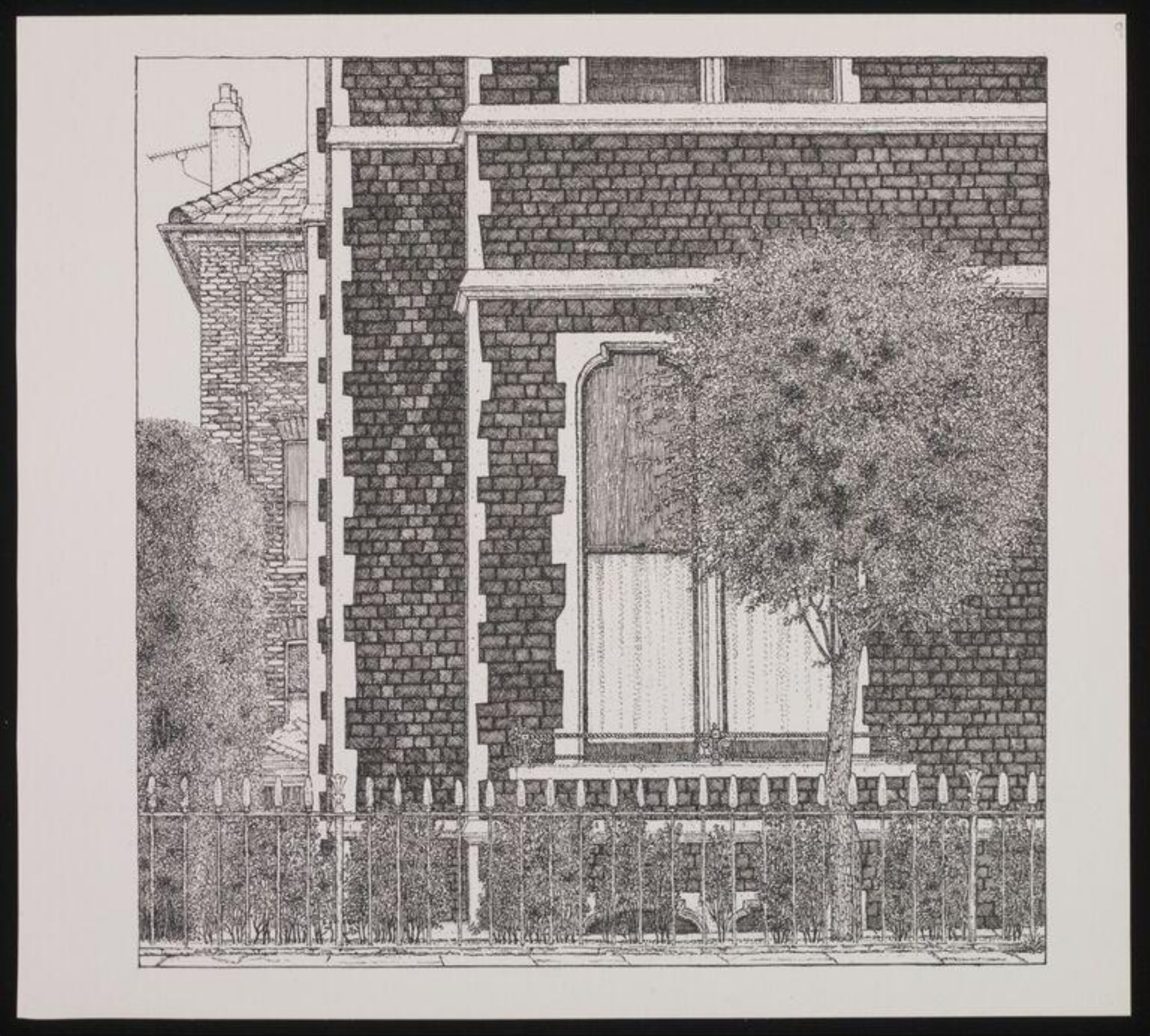
House on Phillimore Place, London, 1976

Not on view · Victoria and Albert Museum

Gate, Battle, Sussex, Donald Bowen, 1964

Donald Bowen

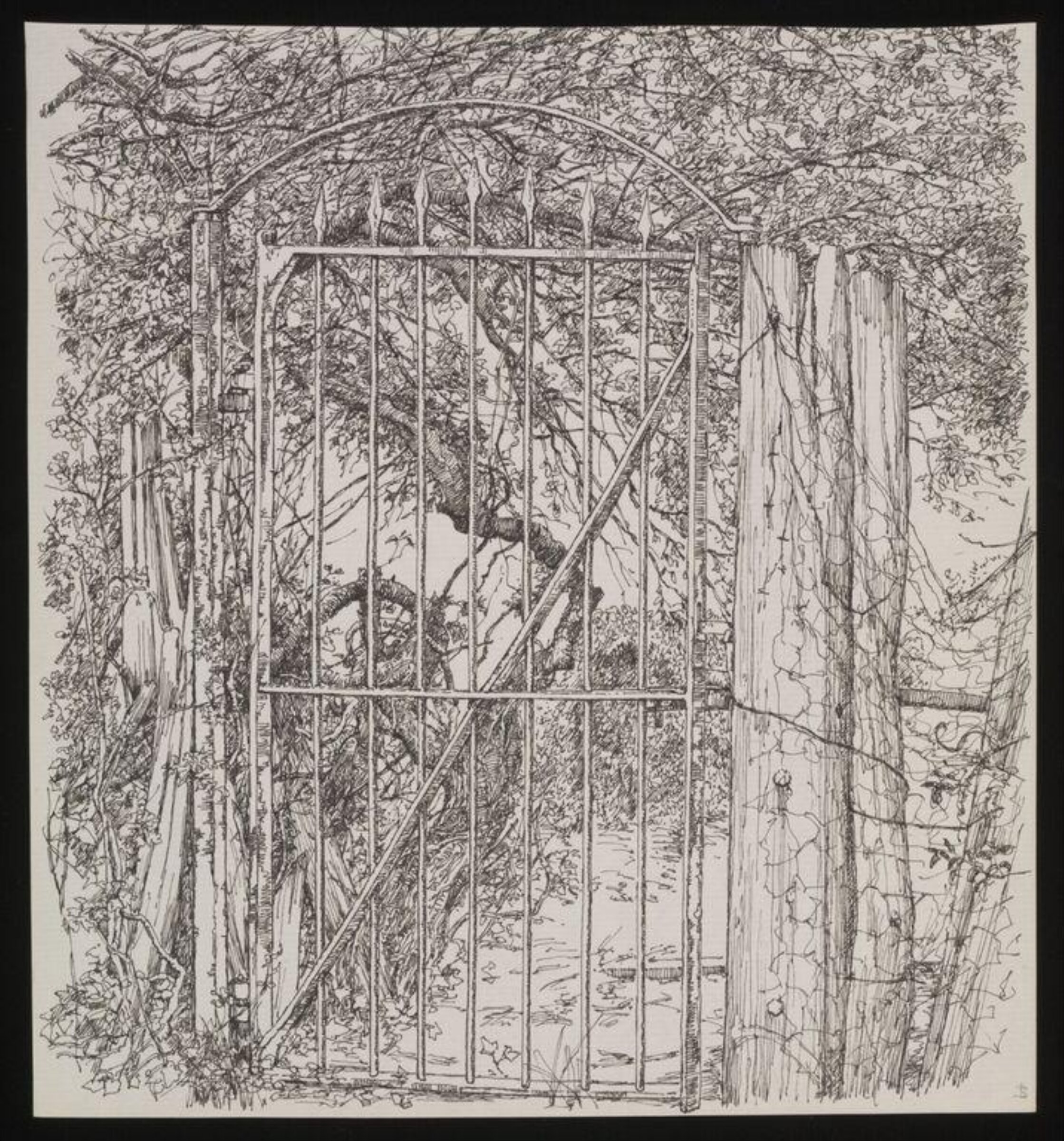
Gate, Battle, Sussex, 1964

Not on view · Victoria and Albert Museum

Warkworth Castle, Northumberland, Francis Grose, late 18th century

Francis Grose

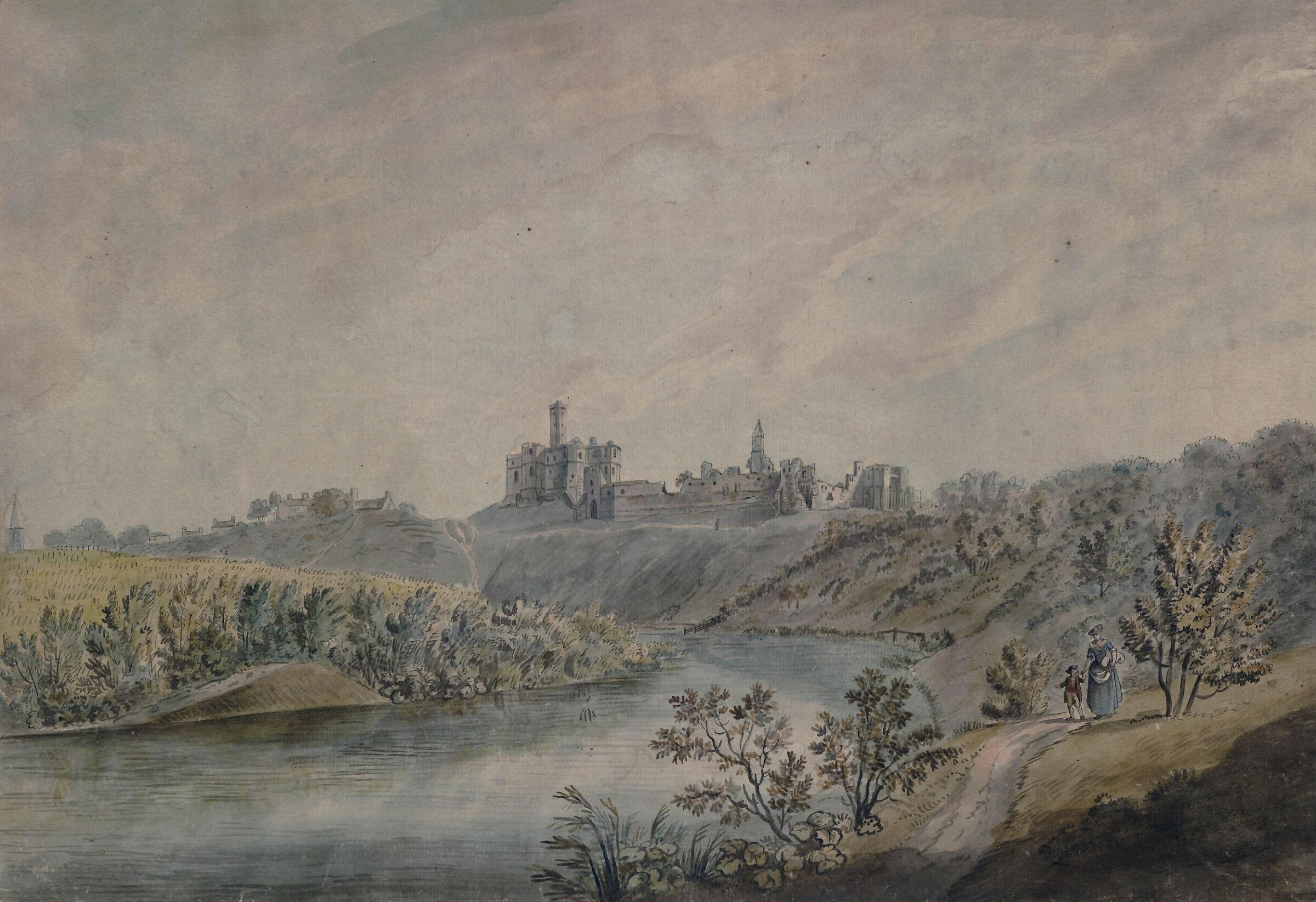
Warkworth Castle, Northumberland, late 18th century

Not on view · Victoria and Albert Museum