ART WIKI32,963 on view
MapCollectionArtistsMuseumsExhibitionsJournal
Sign in

ART WIKI

Where the masterpiece hangs, and when they let you in.

Collections: Art Institute of Chicago, Getty Villa, Harvard Art Museums, Hirshhorn Museum and Sculpture Garden, J. Paul Getty Museum, Minneapolis Institute of Art, Musée du Louvre, National Gallery of Art, National Museum of Asian Art, National Portrait Gallery (Smithsonian), Pushkin State Museum of Fine Arts, Rijksmuseum, Smithsonian American Art Museum, SMK — National Gallery of Denmark, State Hermitage Museum, State Russian Museum, The Cleveland Museum of Art, The Metropolitan Museum of Art, The Museum of Modern Art, Tretyakov Gallery, Victoria and Albert Museum, Whitney Museum of American Art, State Catalogue of the Museum Fund of Russia (274 museums), Europeana (19 museums), Wikidata (6 museums), Paris Musées (12 museums), and Joconde, the French Ministry of Culture's museum database (495 museums). Images belong to their rights holders.

Sections

  • Map
  • Search
  • Collection
  • Masterpieces
  • On view now
  • Artists

More

  • Museums & galleries
  • Exhibitions
  • Journal
  • Where the data comes from
  • Privacy & cookies
HomeMapBrowse
  1. Collection/
  2. The Cleveland Museum of Art/
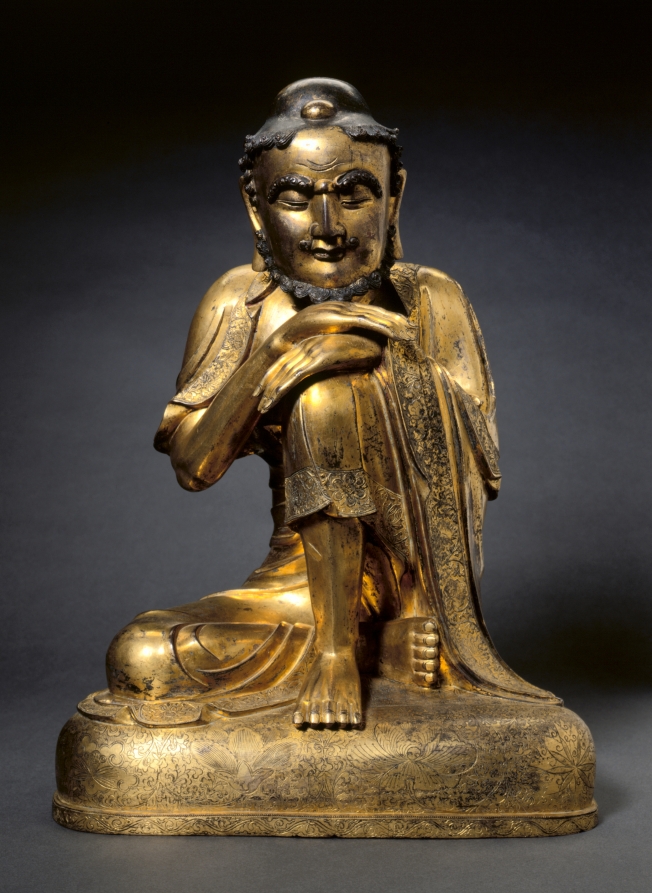
  3. Shakyamuni as an Ascetic
Shakyamuni as an Ascetic, early 1300s

Shakyamuni as an Ascetic

early 1300s · Sculpture

May one see it?

Yes, receiving visitors

The Cleveland Museum of Art

Cleveland, United States

Room241C Chinese Buddhist Sculptures

On public display.

Checked
3 days ago
In this state since
Aug 19, 2026
Source
The museum
On the mapMuseum page

About the sculpture

This statue is of monumental scale and exceptionally fine workmanship. A work of this size and quality was likely to have been made in the official workshops under imperial auspices. The image of the ascetic Shakyamuni (the historical Buddha) is both powerful and immediate. Shakyamuni is portrayed in a state of contemplative meditation with closed eyes and an inward smile. He leans forward, head and hands resting on an upraised knee. The representation speaks eloquently of his withdrawal from the world to attain self-realization. It recalls another famous iconic image in the Cleveland collection depicting Shakyamuni descending from the mountains after enlightenment, CMA 1970.2.

The Cleveland Museum of Art

Particulars

Accession number
1966.116

In the same room · 241C Chinese Buddhist Sculptures, The Cleveland Museum of Art

Museum page

In the catalog

SculptureBronzeChina, Yuan dynasty (1271–1368)

Sources

  • The Cleveland Museum of Art
  • Image: The Cleveland Museum of Art — Museum open access
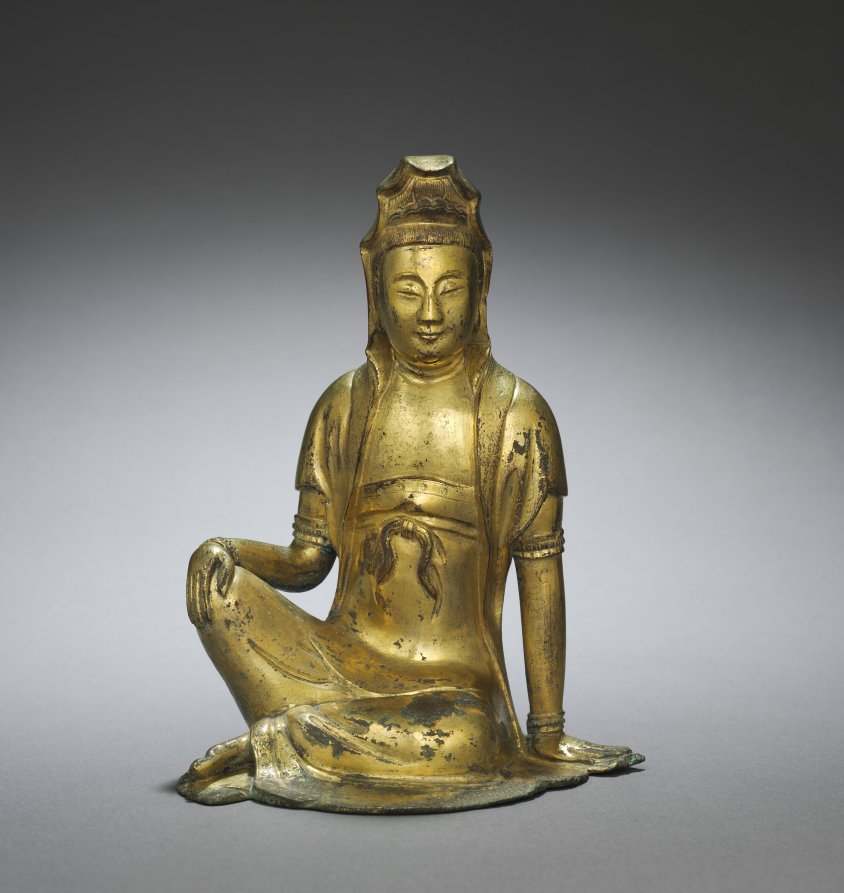
Water and Moon (Potala) Guanyin, 900–1100

Water and Moon (Potala) Guanyin, 900–1100

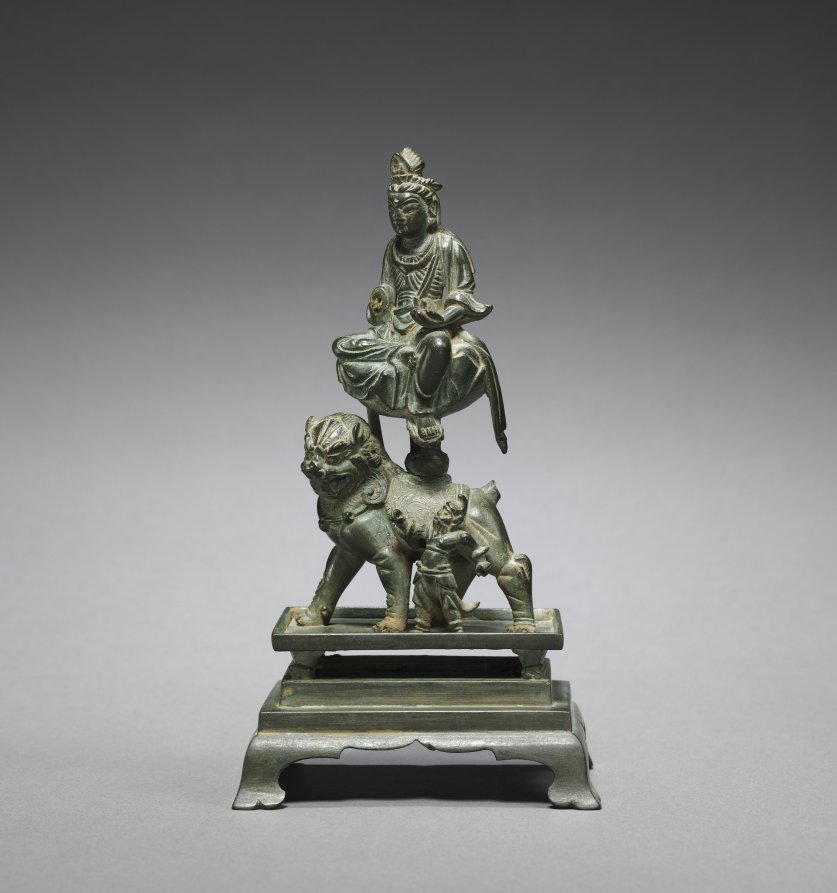
Manjusri Riding on a Lion, 900s

Manjusri Riding on a Lion, 900s

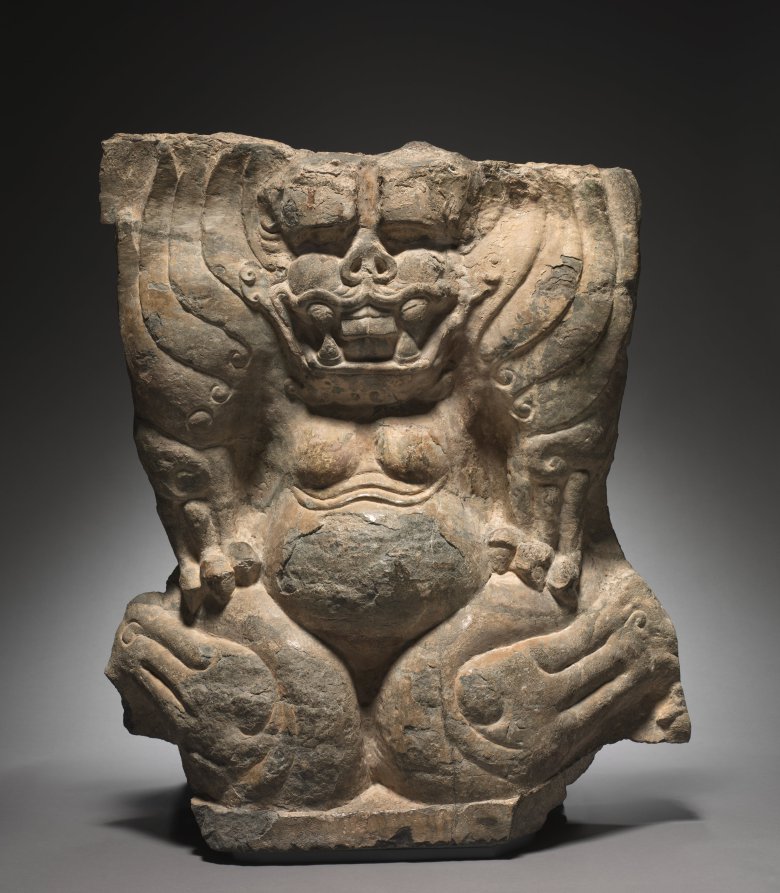
Kneeling Winged Monster, 550–77

Kneeling Winged Monster, 550–77

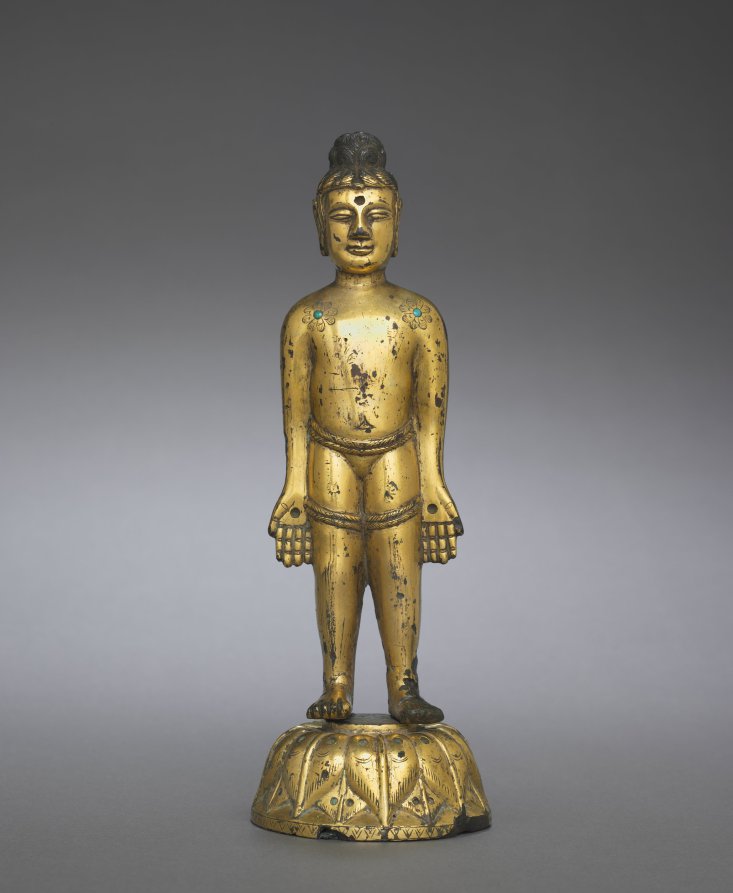
The New-born Buddha, 400s CE

The New-born Buddha, 400s CE

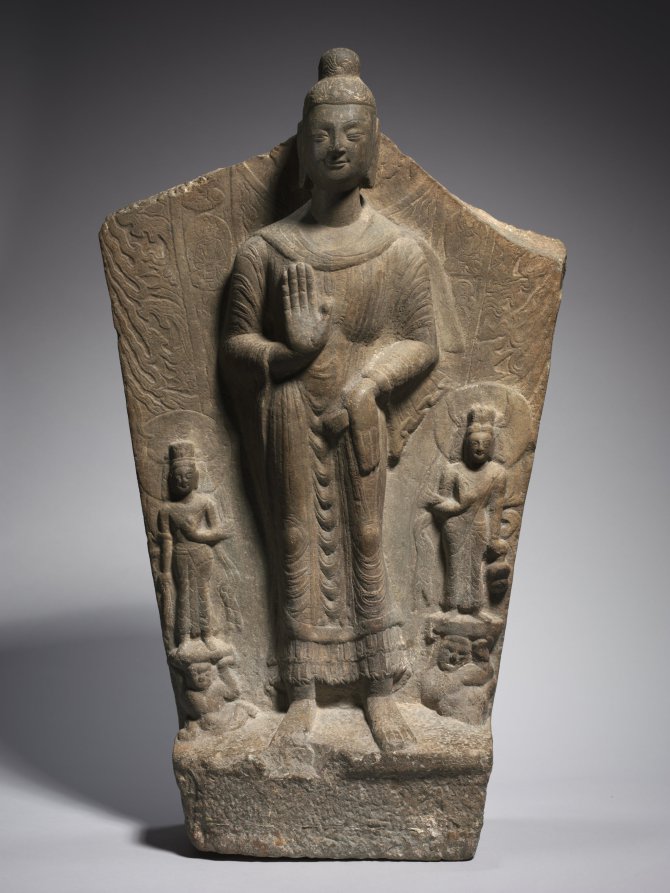
Stele with Maitreya and Attendants, 500

Stele with Maitreya and Attendants, 500

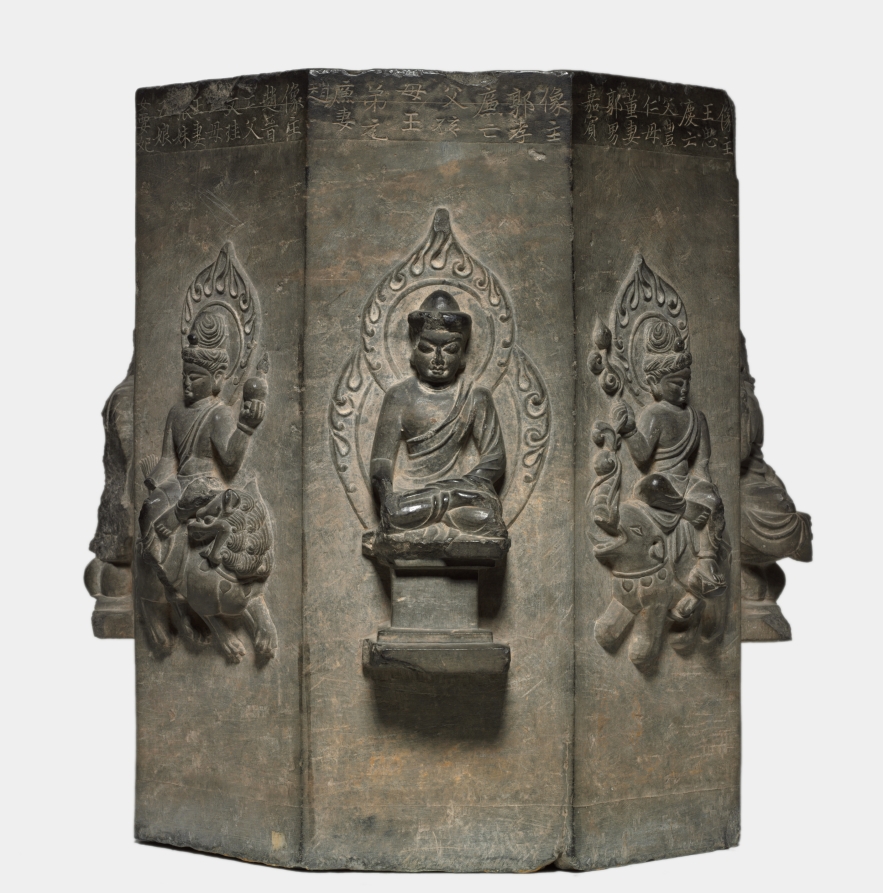
Section of a Dharani Pillar, 618–907

Section of a Dharani Pillar, 618–907

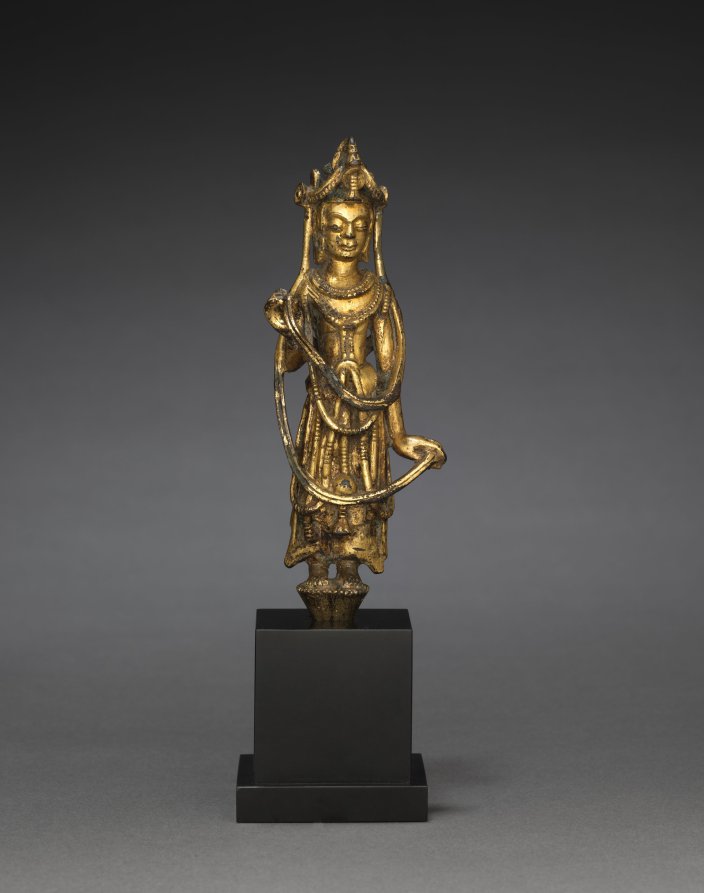
Standing Bodhisattva, late 500s

Standing Bodhisattva, late 500s

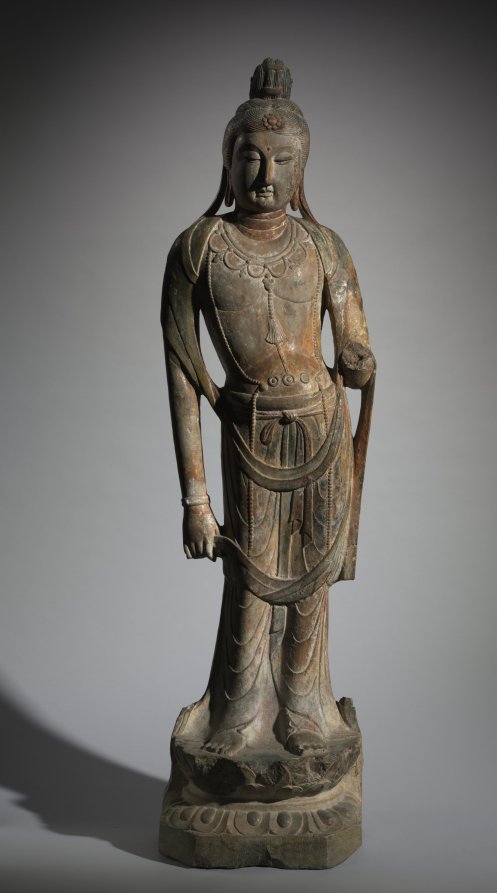
Standing Guanyin, 700s?

Standing Guanyin, 700s?