Edward SteichenAmerican, 1879–1973
Self-Portrait with Brush and Palette
Can I see it?
Not on view at present
Where is “Self-Portrait with Brush and Palette” now? Collection: Art Institute of Chicago, Chicago. Not on view at present. Checked September 29, 2026.

Chicago, United States
It belongs to the collection, but is not on display at present.
- Checked
- In this state since
- Source
- The museum
About the work
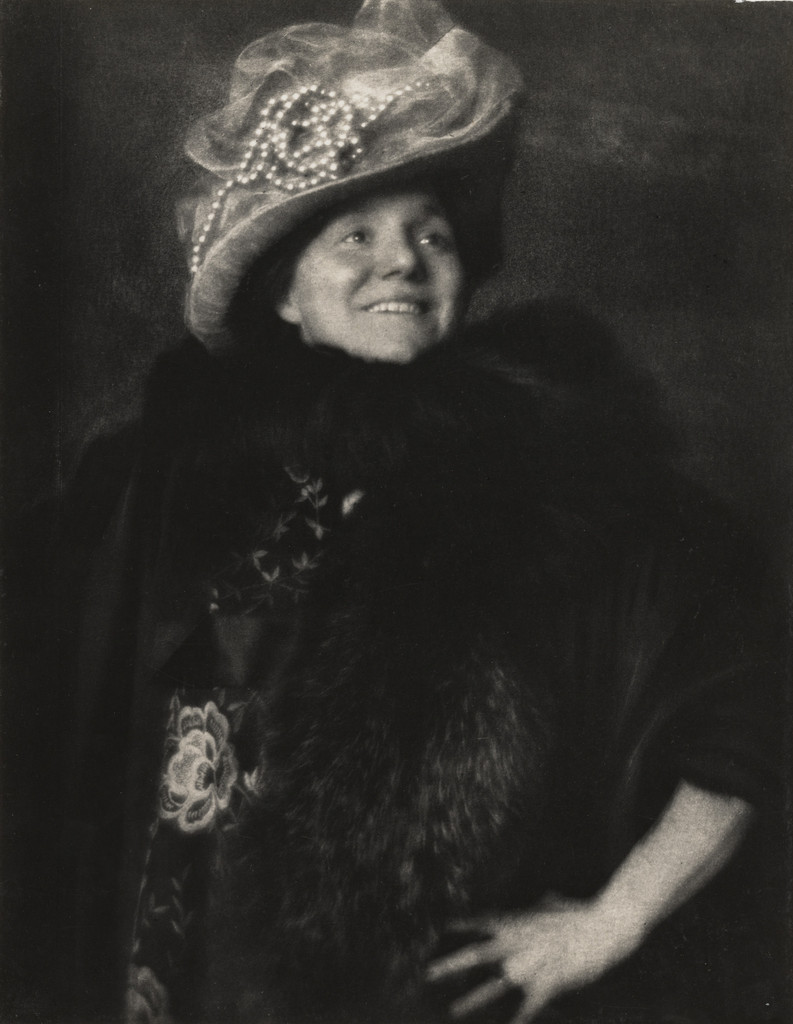
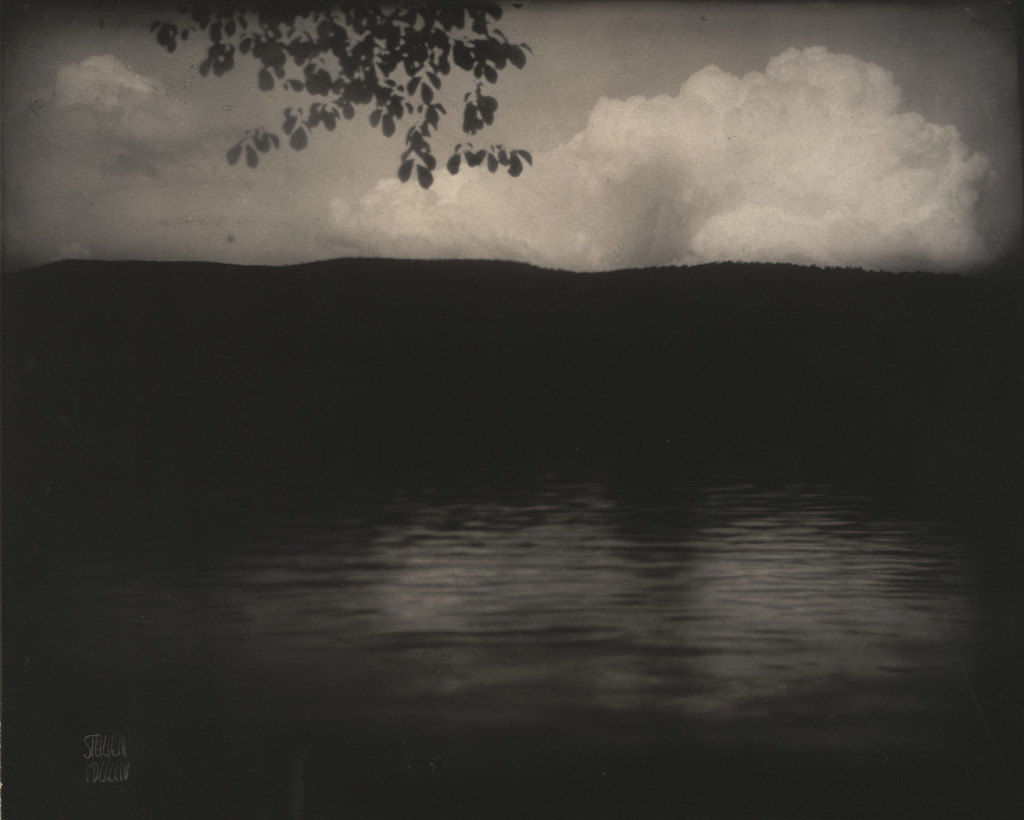
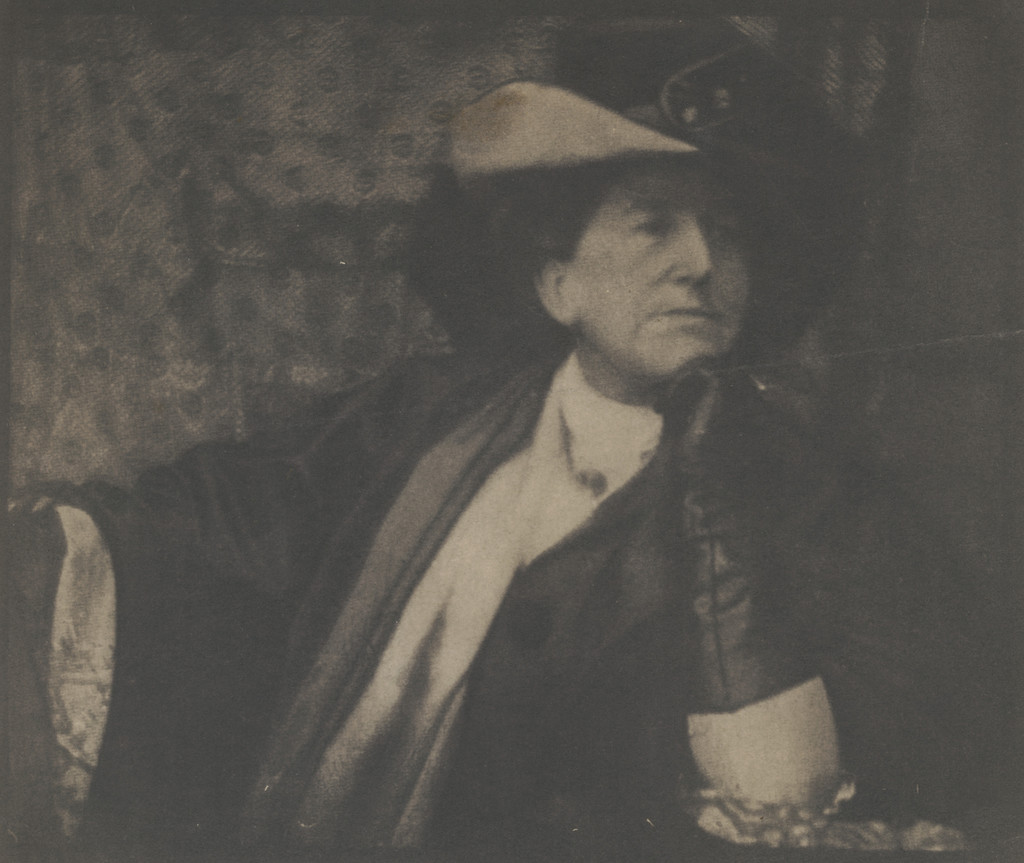
At a time when photography was still not considered a serious art, a group of photographers known as the Photo-Secessionists tried to demonstrate the hand-crafted possibilities of photographic printing. The moody darkness and dramatic highlights of this photograph emerge from visible brushstrokes, the result of the gum bichromate process. Although Edward Steichen was both a painter and a photographer, he chose to represent himself with palette and brush, not with the seemingly more technical tool of the camera. Steichen advanced the Photo-Secessionist cause through photographs like this as well as the exhibitions and publication Camera Work that resulted from his collaboration with close friend Alfred Stieglitz.
Read on
For more on Edward Steichen’s work in the Art Institute’s collection visit the website: Edward Steichen's World War I Years.For more on the Alfred Stieglitz collection at the Art Institute, along with in-depth object information, please visit the website: The Alfred Stieglitz Collection.
Art Institute of ChicagoCC BY 4.0
Details
- Accession number
- 1949.823
In the catalog
Sources
- Art Institute of Chicago
- Image: Art Institute of Chicago — © the artist or rights holder
In the life of Edward Steichen
The whole life1900
Meets Stieglitz on the way to Paris
He leaves Milwaukee for Paris to study art; on a letter of introduction from Clarence H. White he meets Alfred Stieglitz in New York, who praises his background in painting and buys three of his photographic prints. He will spend several years in Paris and discover avant-garde art there.
1900
American citizenship
He becomes a US citizen and signs the naturalization papers as Edward J. Steichen, but goes on using his birth name, Éduard, until after the First World War.
1902
The Camera Work logo and the Photo-Secession
When Stieglitz is planning the magazine that becomes Camera Work, he asks Steichen to design its logo with a custom typeface; Steichen becomes the most frequently shown photographer in the journal. In the same year he is one of the founders of the Photo-Secession in New York.
1904
First experiments with colour photography
He begins experimenting with colour photography and becomes one of the earliest in the United States to use the Autochrome Lumière process.
1 July 1904
Daughter born: Mary Calderone