ART WIKI32,963 on view
MapCollectionArtistsMuseumsExhibitionsJournal
Sign in

ART WIKI

Where the masterpiece hangs, and when they let you in.

Collections: Art Institute of Chicago, Getty Villa, Harvard Art Museums, Hirshhorn Museum and Sculpture Garden, J. Paul Getty Museum, Minneapolis Institute of Art, Musée du Louvre, National Gallery of Art, National Museum of Asian Art, National Portrait Gallery (Smithsonian), Pushkin State Museum of Fine Arts, Rijksmuseum, Smithsonian American Art Museum, SMK — National Gallery of Denmark, State Hermitage Museum, State Russian Museum, The Cleveland Museum of Art, The Metropolitan Museum of Art, The Museum of Modern Art, Tretyakov Gallery, Victoria and Albert Museum, Whitney Museum of American Art, State Catalogue of the Museum Fund of Russia (274 museums), Europeana (19 museums), Wikidata (6 museums), Paris Musées (12 museums), and Joconde, the French Ministry of Culture's museum database (495 museums). Images belong to their rights holders.

Sections

  • Map
  • Search
  • Collection
  • Masterpieces
  • On view now
  • Artists

More

  • Museums & galleries
  • Exhibitions
  • Journal
  • Where the data comes from
  • Privacy & cookies
HomeMapBrowse
  1. Collection/
  2. Herzog Anton Ulrich Museum/
  3. [Schwertkampf; La rencontre à l´épée.]
[Schwertkampf; La rencontre à l´épée.], Jacques Callot, 1612–1635
Jacques Callot, portraitJacques CallotFrench, 1592–1635

[Schwertkampf; La rencontre à l´épée.]

1612–1635 · Print

Particulars

1612–1635
15921635

Meanwhile, in the life of Jacques Callot

The whole life
  1. 1611

    Studies etching with Tempesta in Florence

    Having studied burin engraving in Rome with Philippe Thomassin, Callot moves to Florence, where he works with Antonio Tempesta, who teaches him the technique of line etching (by other accounts, he lived in Florence from 1612).

  2. 1614–1621

    At the court of Cosimo II de’ Medici

    Under Parigi’s direction Callot works at the court of the Grand Duke of Tuscany Cosimo II de’ Medici in the Uffizi, designing festivals and theatrical performances — later these give him themes for his series of grotesque prints; during his Florentine years he becomes an independent master and often works for the Medici.

  3. 1617

    Switches to hard ground and repeated biting

    From 1617 Callot uses, instead of the soft ground customary until then, the acid-resistant hard ground of Florentine joiners and furniture-makers; it allows the plate to be bitten repeatedly, with parts of the spatial planes successively covered by varnish, and gives broad tonal gradations; he is also credited with the échoppe, an etching needle with a slanted end that produces a swelling line.

  4. 1621

    Returns to Nancy after the death of Cosimo II

    After the death of Grand Duke Cosimo II de’ Medici, Callot responds to Duke Charles IV of Lorraine’s wish to see him at his court and returns to Lorraine, where he is received with flattering honours; staying in Nancy, he sends his prints all over Europe, and Rembrandt becomes a keen collector of them.

  5. 1627

More by Jacques Callot

All works

From the collection of Herzog Anton Ulrich Museum

Museum page

On the same theme · Kampf

All works on the theme

In the Netherlands at Infanta Isabella’s invitation

At the invitation of the Infanta Isabella Callot visits the Netherlands; views of Holland, like those of Italy and France, and characteristic portraits of soldiers, circus performers and actors are reflected in his work.

  • 25 March 1635

    Died

  • May one see it?

    Unknown

    Herzog Anton Ulrich Museum

    Braunschweig, Germany

    The owner is known; whether it is on view today is not.

    In this state since
    Sep 27, 2026
    Source
    The museum
    On the mapMuseum page

    What it shows

    KampfSchlachtSoldierMilitär

    In the catalog

    PrintsBaroque17th century

    Sources

    • Herzog Anton Ulrich Museum
    • Image: Herzog Anton Ulrich Museum — CC BY-NC-SA 4.0
    Lust, Jacques Callot, 17th century

    Lust

    17th century · Harvard Art Museums

    Temptation of Saint Anthony, Jacques Callot, 17th century

    Temptation of Saint Anthony

    17th century · Harvard Art Museums

    Envy, Jacques Callot, 17th century

    Envy

    17th century · Harvard Art Museums

    Pardon des Rochelois, Jacques Callot, 17th century

    Pardon des Rochelois

    17th century · Harvard Art Museums

    Pride, Jacques Callot, 17th century

    Pride

    17th century · Harvard Art Museums

    Anger, Jacques Callot, 17th century

    Anger

    17th century · Harvard Art Museums

    Descente dans l'île de Ré, Jacques Callot, 17th century

    Descente dans l'île de Ré

    17th century · Harvard Art Museums

    Gluttony, Jacques Callot, 17th century

    Gluttony

    17th century · Harvard Art Museums

    Portrait d'Adolphe de Vignacourt Grand Maître de Malthe, Caravaggio, 1704–1755

    Caravaggio

    Portrait d'Adolphe de Vignacourt Grand Maître de Malthe, 1704–1755

    Ecce Homo, Caravaggio, 1674–1684

    Caravaggio

    Ecce Homo, 1674–1684

    Heiliger Hieronymus, Caravaggio

    Caravaggio

    Heiliger Hieronymus

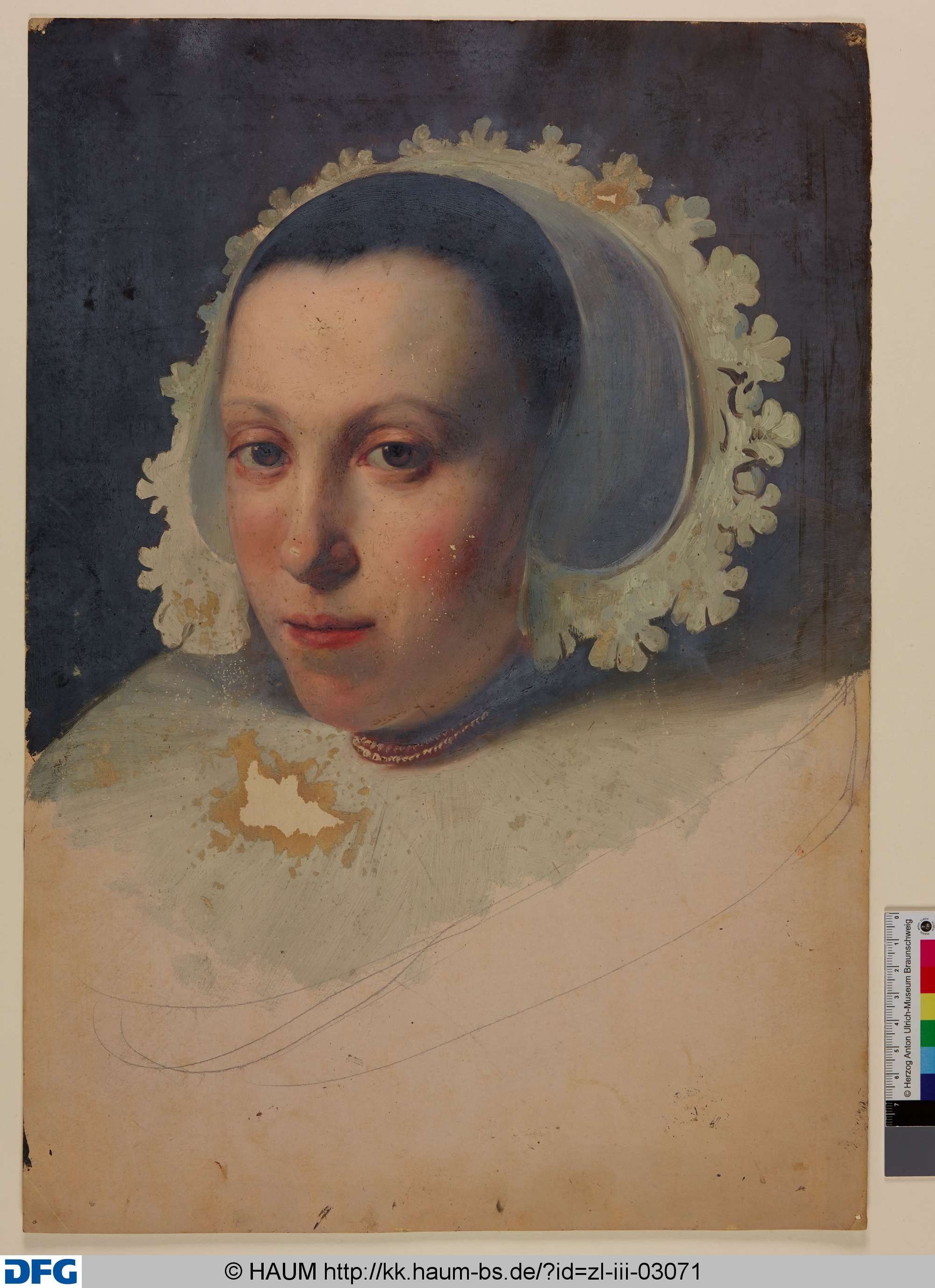
    Bildnis eines Mannes, Rembrandt, 1839–1850

    Rembrandt van Rijn

    Bildnis eines Mannes, 1839–1850

    Bildnis einer Frau, Rembrandt, 1839–1850

    Rembrandt van Rijn

    Bildnis einer Frau, 1839–1850

    Tobias und seine Frau, Rembrandt, 1773

    Rembrandt van Rijn

    Tobias und seine Frau, 1773

    Tobias und seine Frau, Rembrandt, 1773

    Rembrandt van Rijn

    Tobias und seine Frau, 1773

    Lot mit seinen Töchtern, Rembrandt, 1771

    Rembrandt van Rijn

    Lot mit seinen Töchtern, 1771

    Michaels Kampf mit dem Drachen, Albrecht Dürer, 1497

    Albrecht Dürer

    Michaels Kampf mit dem Drachen, 1497

    Herzog Anton Ulrich Museum

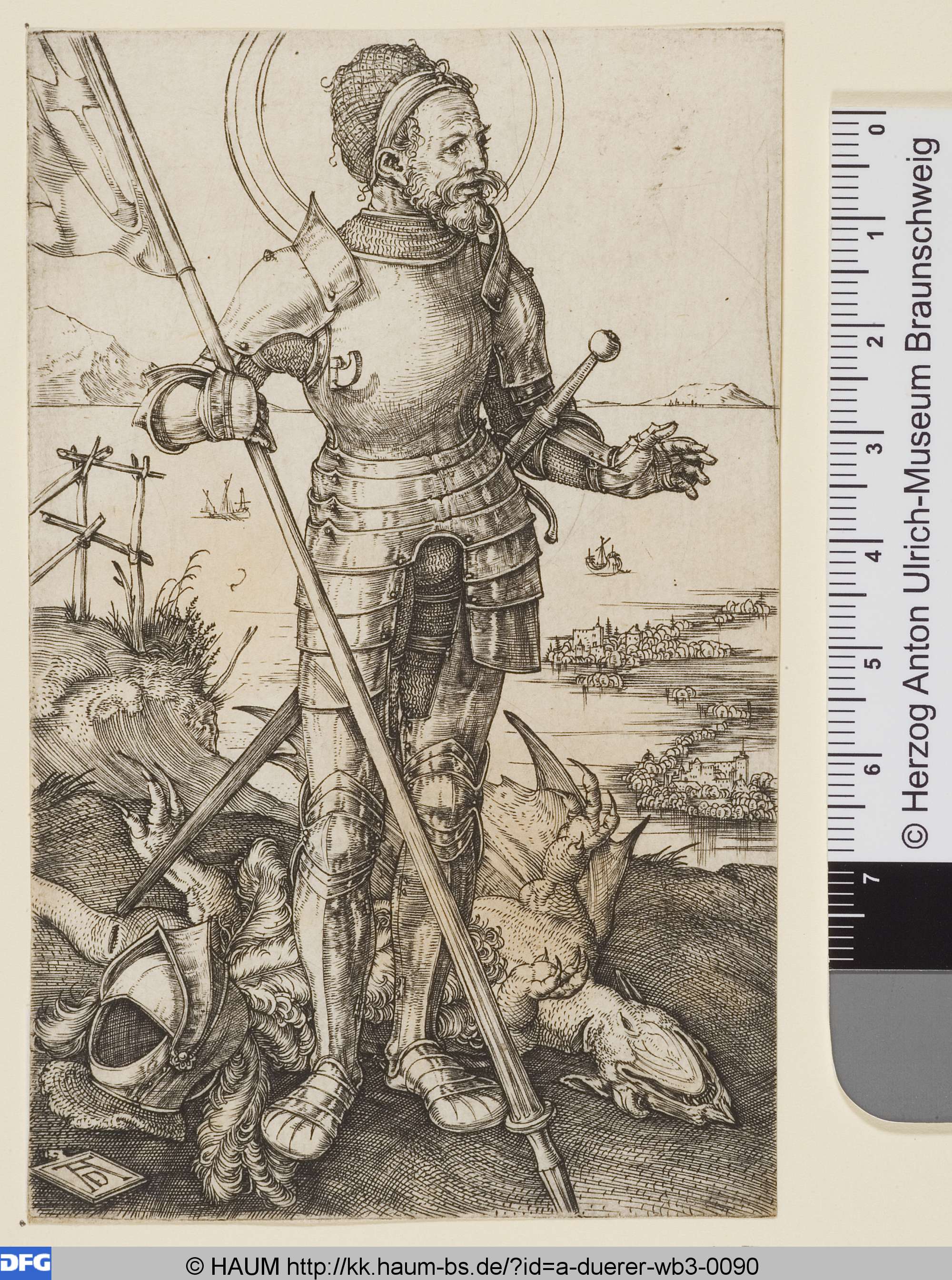
    Der Hl. Georg zu Fuß, Albrecht Dürer, 1502–1508

    Albrecht Dürer

    Der Hl. Georg zu Fuß, 1502–1508

    Herzog Anton Ulrich Museum

    Der Hl. Georg zu Fuß, Albrecht Dürer, 1491–1528

    Albrecht Dürer

    Der Hl. Georg zu Fuß, 1491–1528

    Herzog Anton Ulrich Museum

    Herkules (Ercules), Albrecht Dürer, 1496–1498

    Albrecht Dürer

    Herkules (Ercules), 1496–1498

    Herzog Anton Ulrich Museum

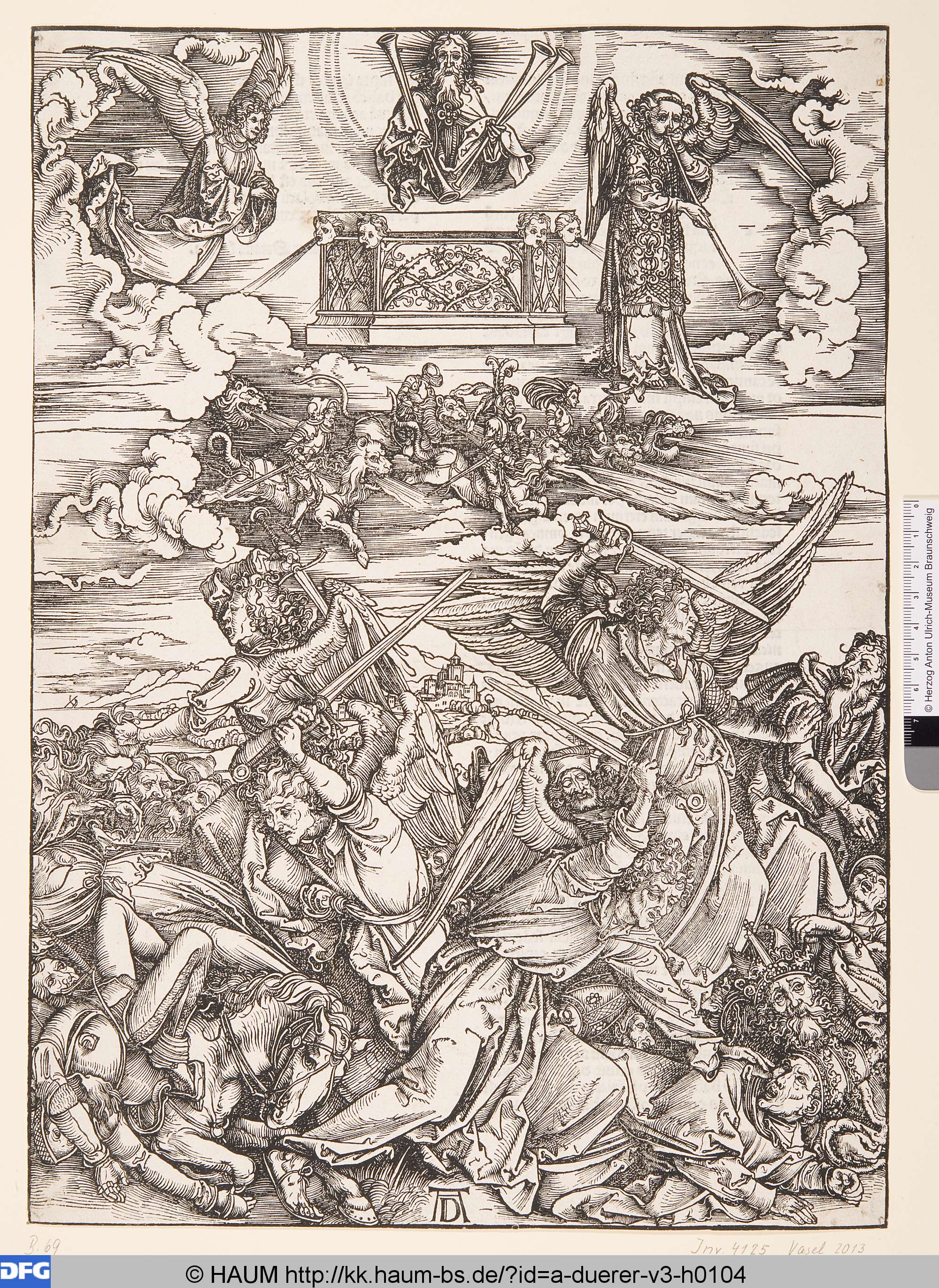
    Der Engelkampf, Albrecht Dürer, 1496

    Albrecht Dürer

    Der Engelkampf, 1496

    Herzog Anton Ulrich Museum

    Michaels Kampf mit dem Drachen, Albrecht Dürer, 1497

    Albrecht Dürer

    Michaels Kampf mit dem Drachen, 1497

    Herzog Anton Ulrich Museum

    Michaels Kampf mit dem Drachen, Albrecht Dürer, 1497

    Albrecht Dürer

    Michaels Kampf mit dem Drachen, 1497

    Herzog Anton Ulrich Museum

    Der Engelkampf, Albrecht Dürer, 1496

    Albrecht Dürer

    Der Engelkampf, 1496

    Herzog Anton Ulrich Museum