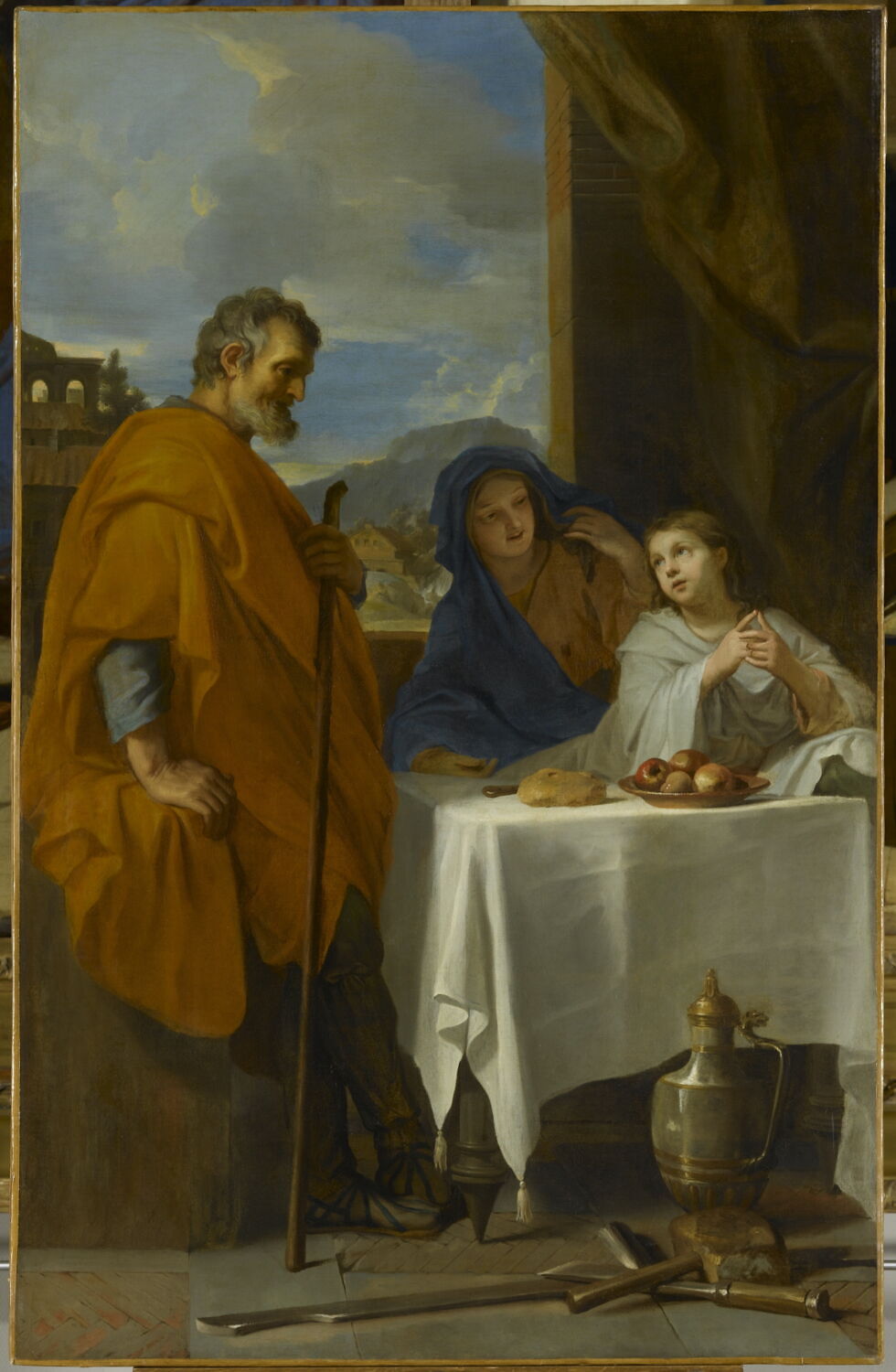
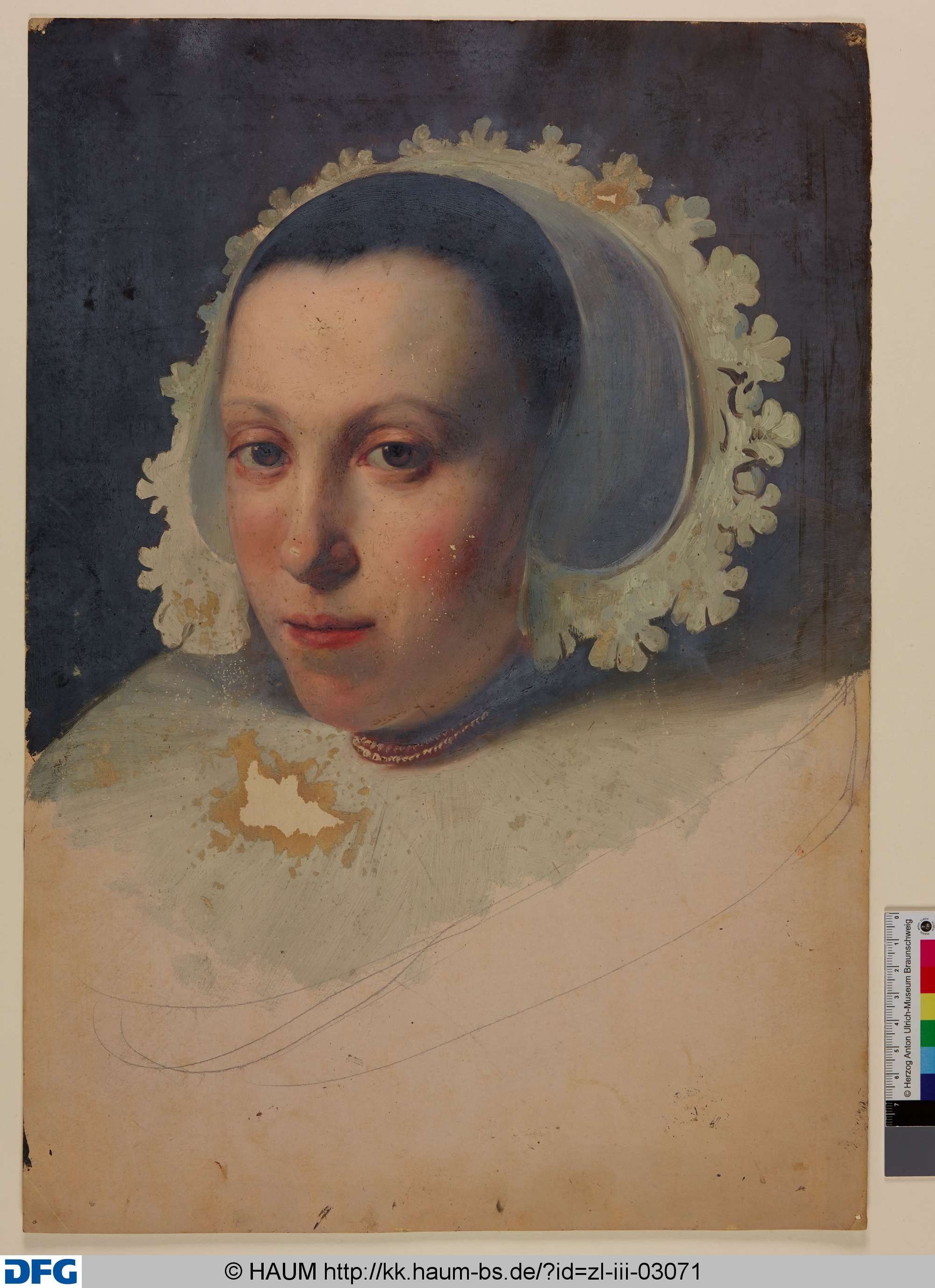
![S. Alexius [Hl. Alexius], Charles Le Brun, 1653–1710](https://diglib.hab.de/varia/haum/bazin-n-ab3-0013/max/000001.jpg)
 Charles Le BrunFrench, 1619–1690
S. Alexius [Hl. Alexius]
Can I see it?
Unknown
Where is “S. Alexius [Hl. Alexius]” now? Collection: Herzog Anton Ulrich Museum, Braunschweig. Unknown.

Braunschweig, Germany
The owner is known; whether it is on view today is not.
- In this state since
- Source
- The museum
Details
What it shows
In the catalog
Sources
- Herzog Anton Ulrich Museum
- Image: Herzog Anton Ulrich Museum — CC BY-NC-SA 4.0
In the life of Charles Le Brun
The whole life1660
The Gobelins Manufactory is founded
With Colbert he founds the Gobelins manufactory — at first a great school producing not only tapestries but every kind of furniture required for the royal palaces; Le Brun becomes its director and through it commands the industrial arts.
1661
A commission for a series on Alexander the Great
Louis XIV commissions from Le Brun a series of paintings from the history of Alexander the Great, meant to show the symbolic link between Alexander's deeds and the splendour of the Sun King; cartoons for the tapestry series “The History of Alexander the Great” (1664 — 1680s) are made from them, and the series is repeated eight times.
December 1662
Louis XIV ennobles Le Brun
The king is so delighted with the first picture of the series, “Alexander and the Family of Darius”, that he at once ennobles the artist and grants him a pension of 12,000 livres, the same sum he had received yearly in Fouquet's service. From then on everything done in the royal palaces is directed by Le Brun.
1666
The French Academy in Rome is founded
With Colbert he founds the Academy of France in Rome as a base for promising young artists, who live and study there for a set period at the crown's expense.
1667
Lectures at the Academy and the “Quarrel of the Ancients and the Moderns”
He opens a cycle of lectures at the Royal Academy on the masterpieces of classical painting, thereby joining the famous seventeenth-century debate between the adherents of classicism and of the Baroque, known as the “Quarrel of the Ancients and the Moderns”. In the Academy he defends the “Poussinists” against the “Rubenists” and the primacy of strict drawing over colour; his chief opponent there was Pierre Mignard.
12 February 1690
Died