 Oskar KokoschkaAustrian, 1886–1980
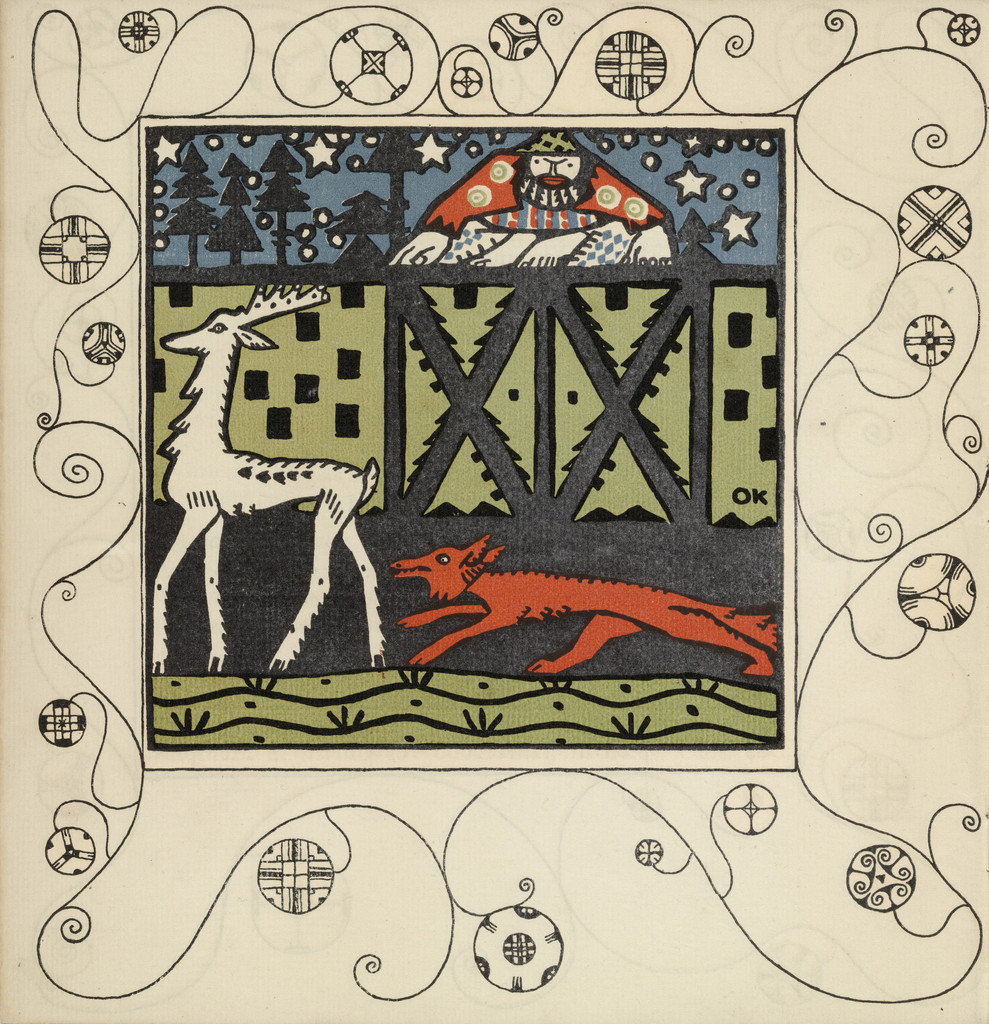
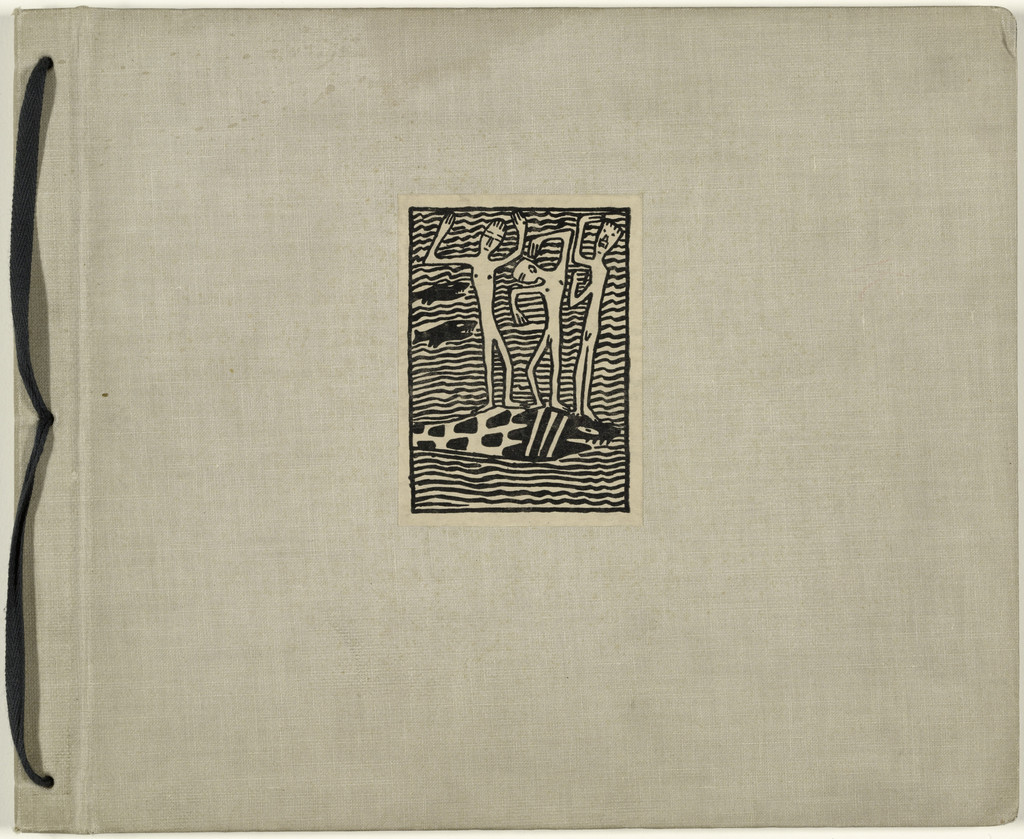
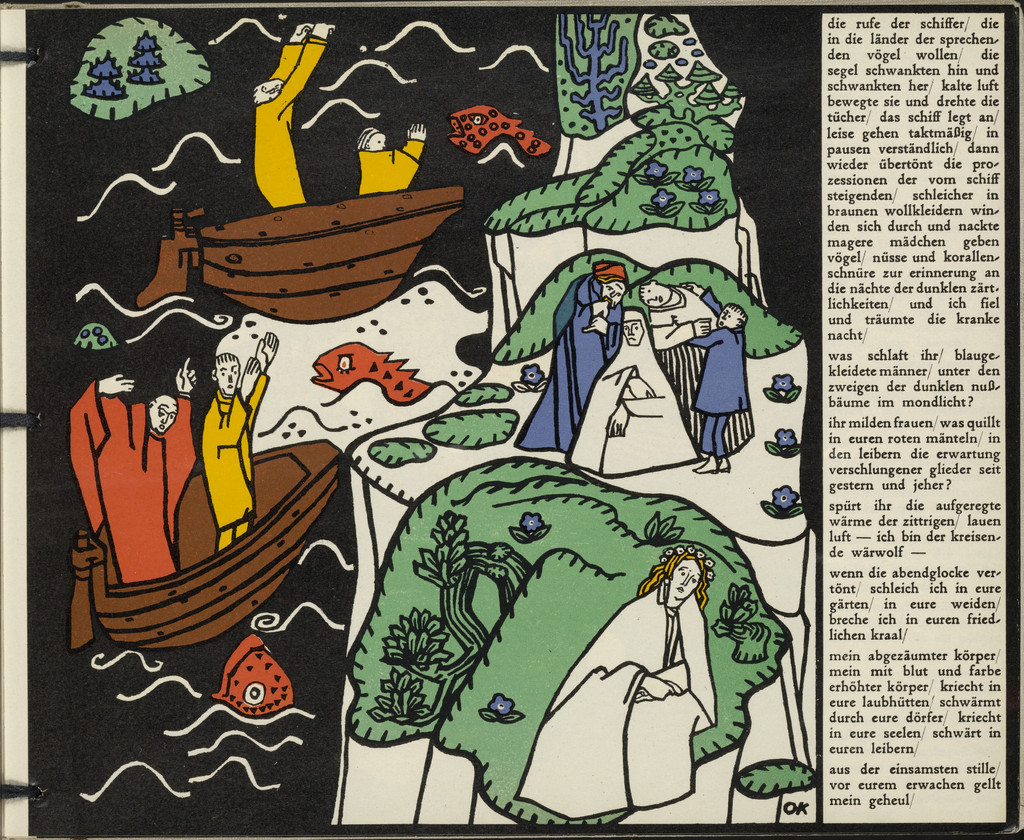
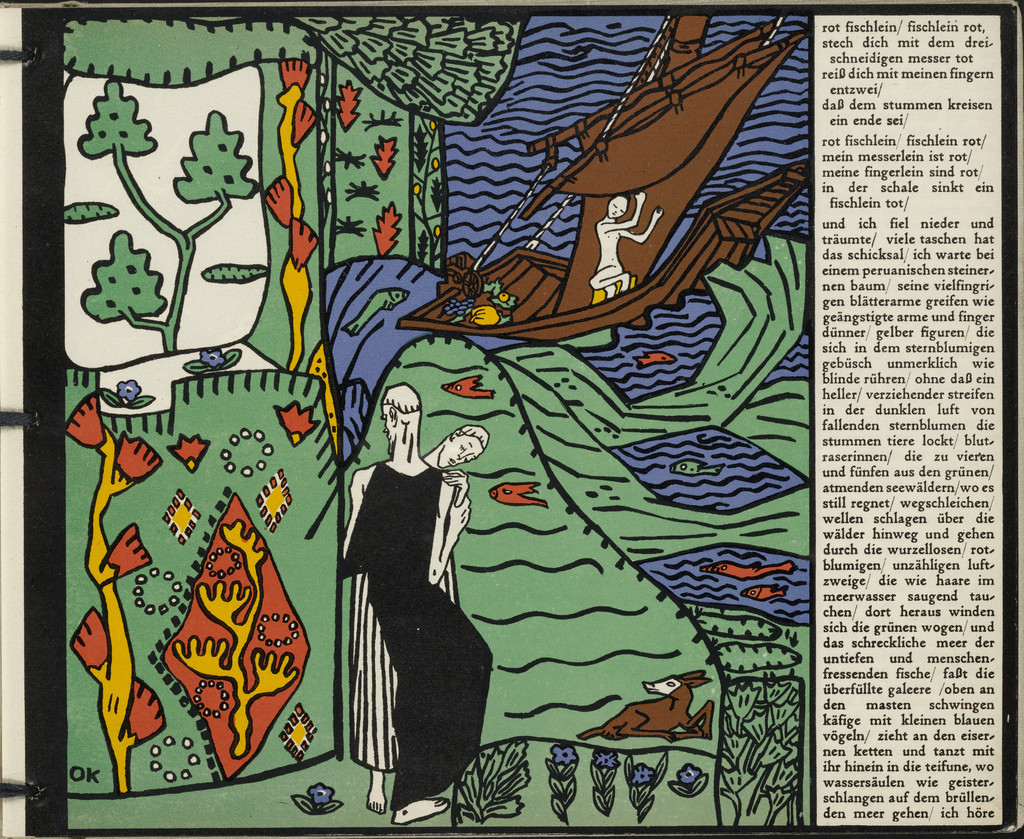
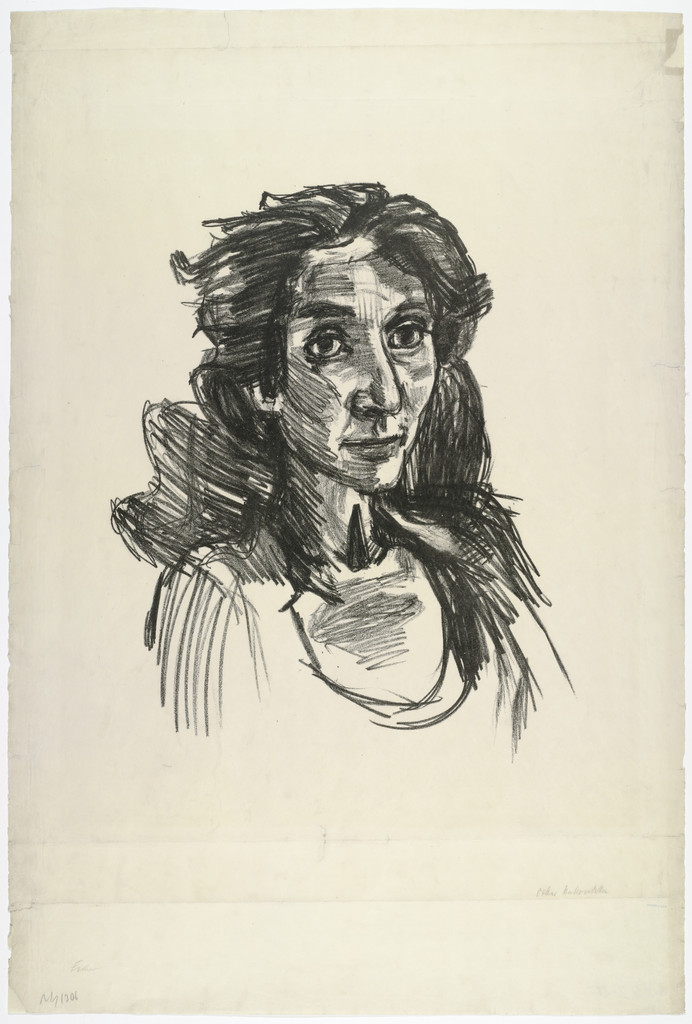
Recha
May one see it?
Not receiving at present

New York, United States
It belongs to the collection, but is not on display at present.
- Checked
- Source
- The museum
Particulars
- Accession number
- 130.1945
In the catalog
Sources
- The Museum of Modern Art
- Image: The Museum of Modern Art — © the artist or rights holder
Meanwhile, in the life of Oskar Kokoschka
The whole lifec. 1918 – 1919
The Alma doll
Unable to rid himself of painful memories of Alma, Kokoschka commissioned a life-sized female doll from the dollmaker Hermine Moos, later describing it in his book “Fetish” (1925). The doll did not satisfy him, and he destroyed it during a party.
1919
The play “Orpheus and Eurydice”
Ernst Krenek based an opera (1923) on Kokoschka’s play “Orpheus and Eurydice” (1919).
1919–1924
Professor at the Dresden Academy of Fine Arts
From 1919 Kokoschka was a professor at the Dresden Academy of Fine Arts.
1920
An open letter to Dresden and the “Kunstlump” debate
After a bullet damaged Rubens’s “Bathsheba at the Fountain” on 15 March 1920, Kokoschka wrote an open letter to the people of Dresden arguing that the battles of the revolutionary parties should be moved outside the city to protect its art. The Communist artists George Grosz and John Heartfield attacked him in what became known as the “Kunstlump” (“Art Scoundrel”) debate, but many other artists continued to support him.
May 1922
The International Congress of Progressive Artists
In May 1922 Kokoschka attended the International Congress of Progressive Artists and signed the founding proclamation of the Union of Progressive International Artists.