ART WIKI33,040 on view
MapCollectionArtistsMuseumsExhibitionsJournal
Sign in

ART WIKI

Where the masterpiece hangs, and when they let you in.

Collections: Art Institute of Chicago, Getty Villa, Harvard Art Museums, Hirshhorn Museum and Sculpture Garden, J. Paul Getty Museum, Minneapolis Institute of Art, Musée du Louvre, National Gallery of Art, National Museum of Asian Art, National Portrait Gallery (Smithsonian), Pushkin State Museum of Fine Arts, Rijksmuseum, Smithsonian American Art Museum, SMK — National Gallery of Denmark, State Hermitage Museum, State Russian Museum, The Cleveland Museum of Art, The Metropolitan Museum of Art, The Museum of Modern Art, Tretyakov Gallery, Victoria and Albert Museum, Whitney Museum of American Art, State Catalogue of the Museum Fund of Russia (274 museums), Europeana (19 museums), Wikidata (6 museums), Paris Musées (12 museums), and Joconde, the French Ministry of Culture's museum database (495 museums). Images belong to their rights holders.
Sections

  • Map
  • Search
  • Collection
  • Masterpieces
  • On view now
  • Artists

More

  • Museums & galleries
  • Exhibitions
  • Journal
  • Where the data comes from
  • Privacy & cookies
HomeMapBrowse
  1. Collection/
  2. Herzog Anton Ulrich Museum/
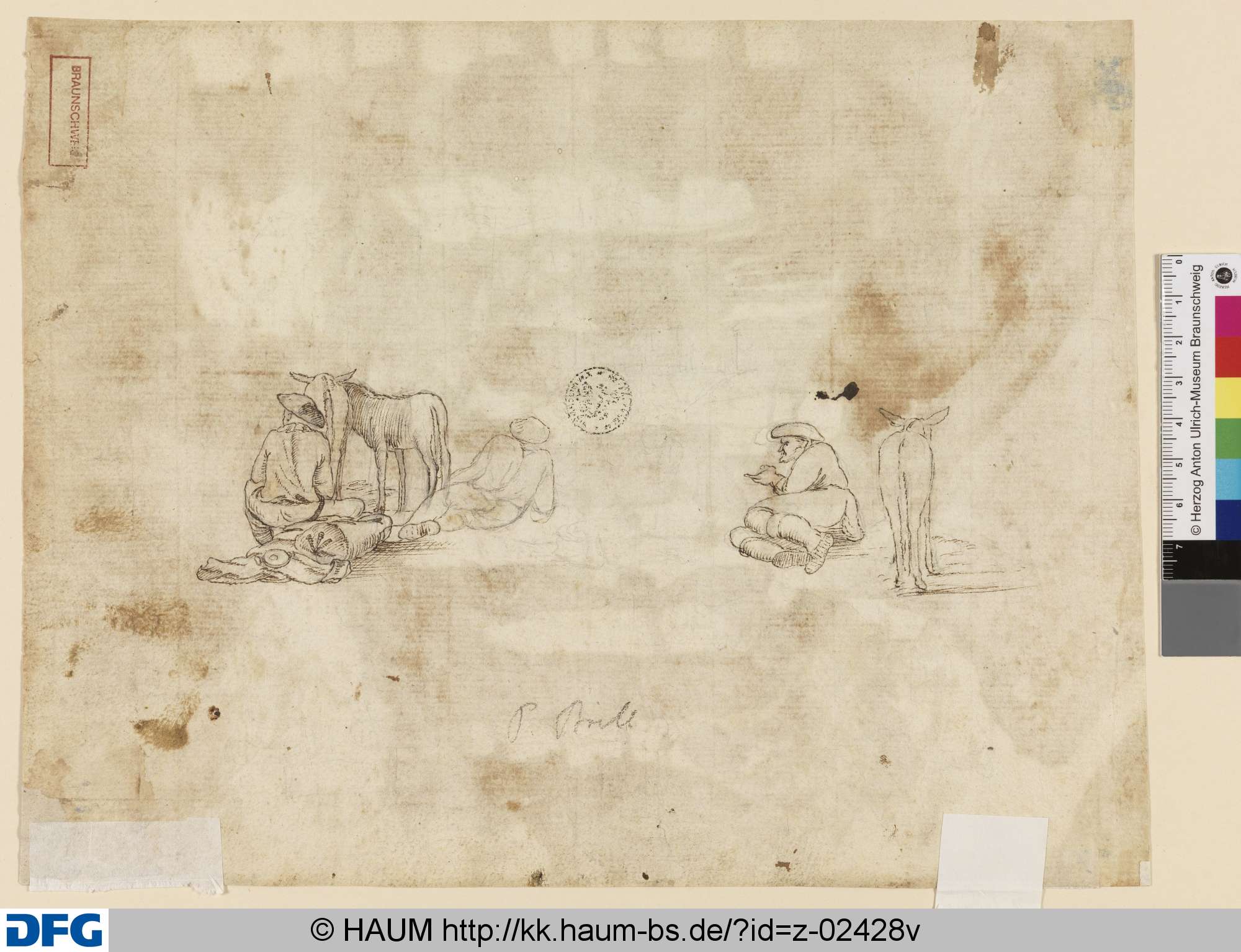
  3. Rastende Männer mit Eseln
Rastende Männer mit Eseln, Paul Bril
Paul Bril, portraitPaul BrilFlemish, 1554–1626
Rastende Männer mit Eseln

Drawing

May one see it?

Unknown

Herzog Anton Ulrich Museum

Braunschweig, Germany

The owner is known; whether it is on view today is not.

In this state since
Sep 27, 2026
Source
The museum
On the mapMuseum page

Particulars

More by Paul Bril

All works

From the collection of Herzog Anton Ulrich Museum

Museum page

On the same theme · Esel

All works on the theme

What it shows

EselManRastRuhe

In the catalog

Drawings & watercolors

Sources

  • Herzog Anton Ulrich Museum
  • Image: Herzog Anton Ulrich Museum — CC BY-NC-SA 4.0
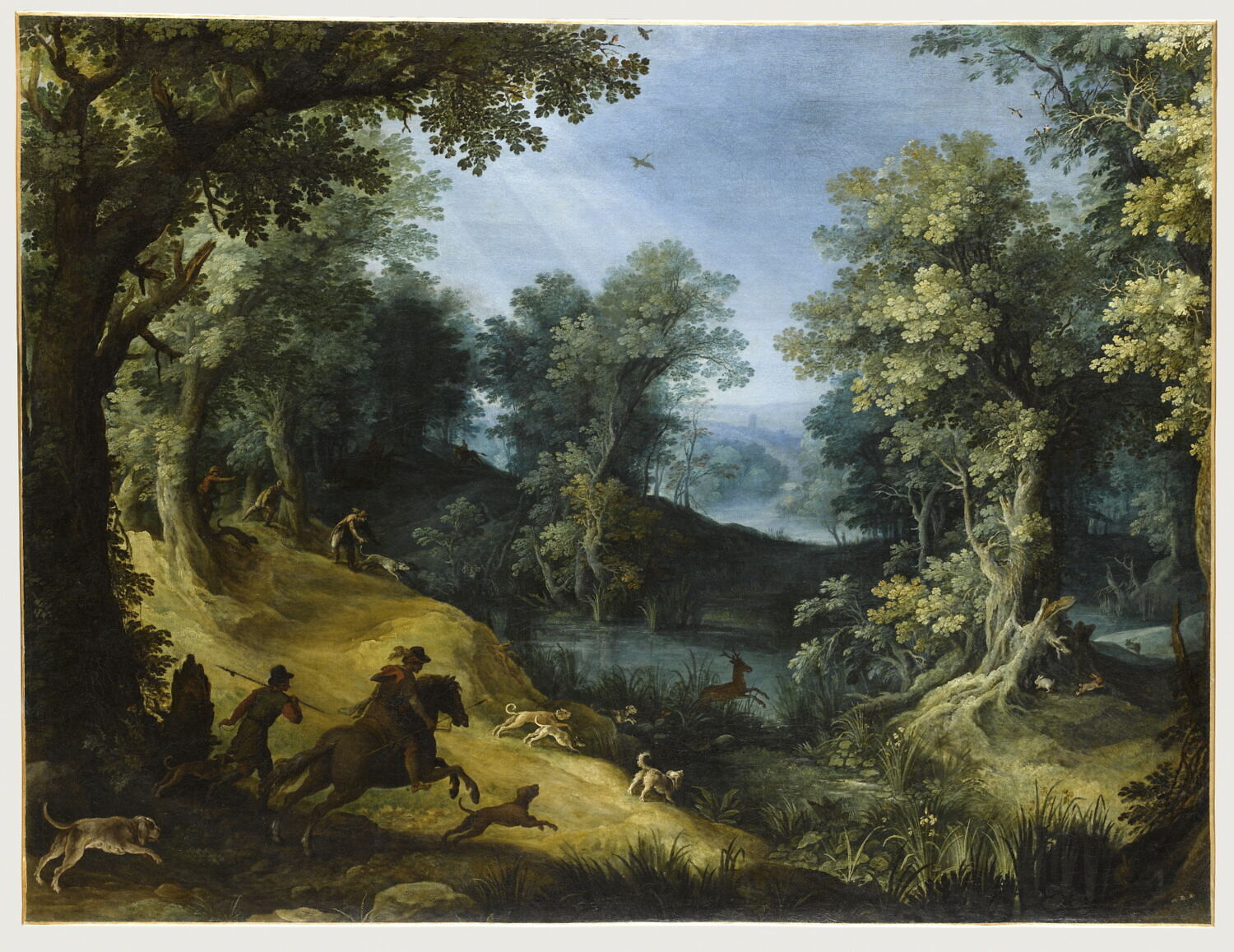
Chasse au cerf, Bril, Paul, Fin du XVIe siècle - début du XVIIè siècle (vers 1590 - 1595)

Chasse au cerf

c. 1590–1595 · Musée du Louvre

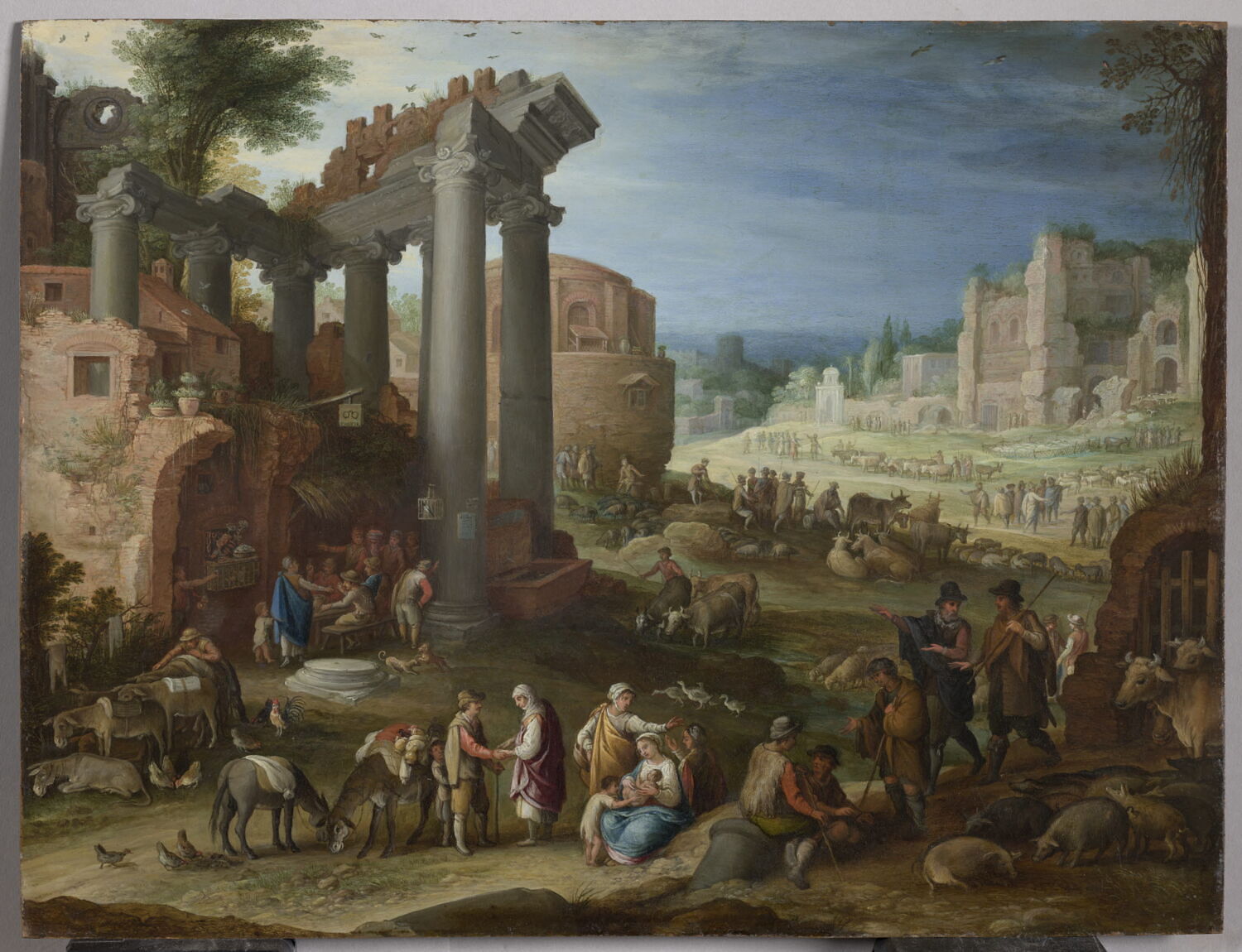
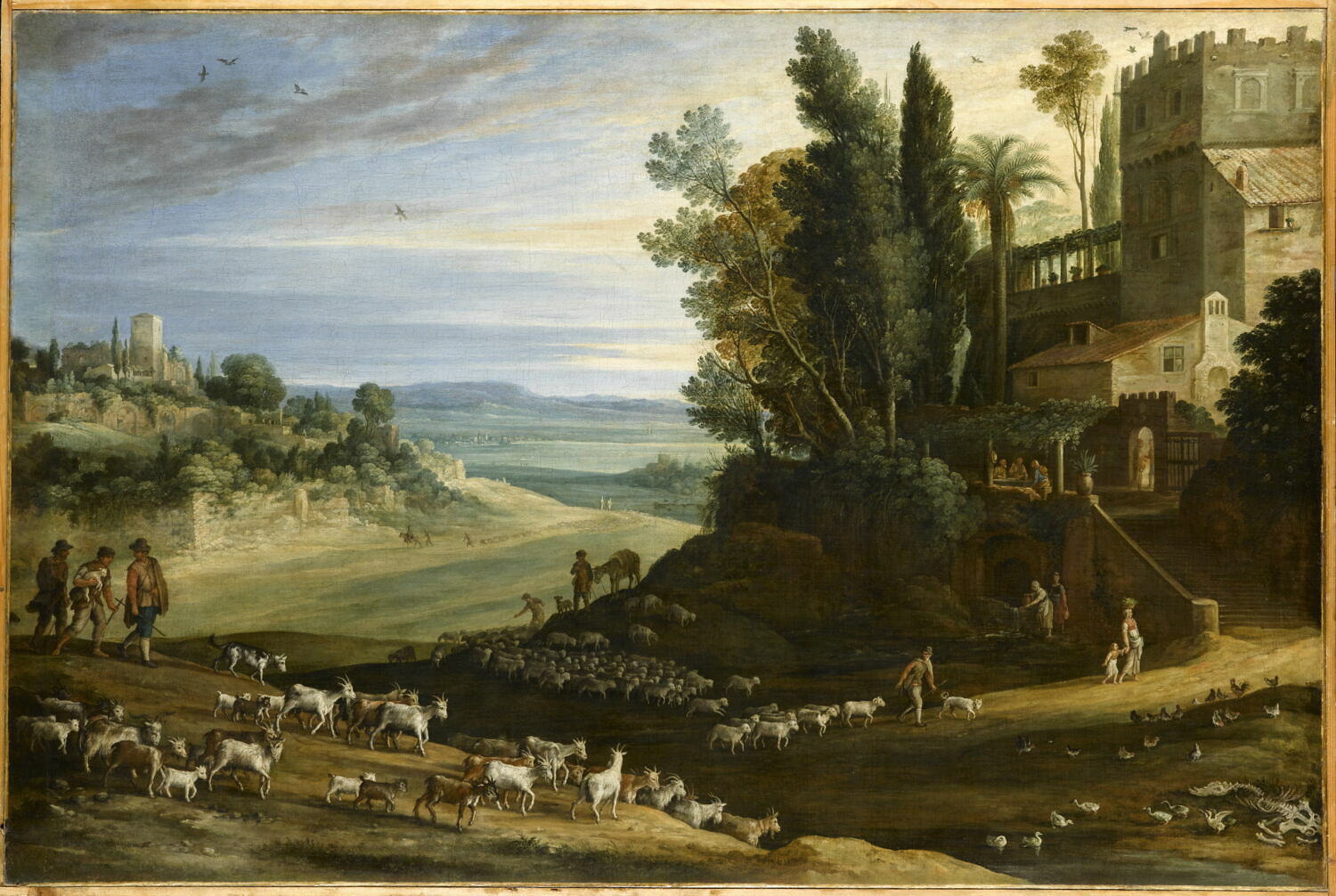
Ruines et figures. Marché dans un site inspiré par le Campo Vaccino à Rome, Bril, Paul, Fin du XVIe siècle - début du XVIIè siècle (1575 - 1625)

Ruines et figures. Marché dans un site inspiré par le Campo Vaccino à Rome

1575–1625 · Musée du Louvre

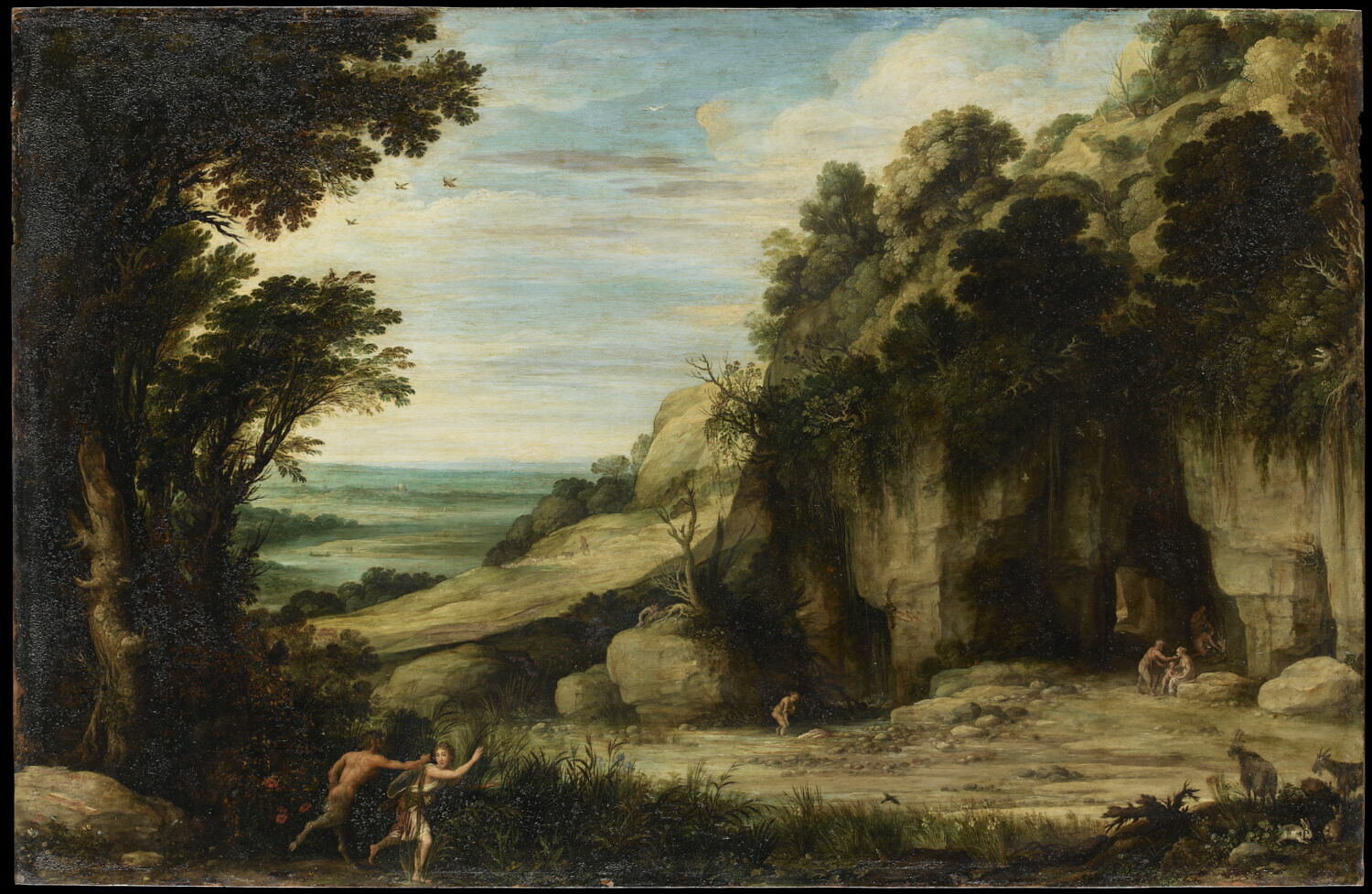
La nymphe Syrinx poursuivie par Pan et bientôt changée en roseau, Bril, Paul, 1e quart du XVIIe siècle (1600 - 1625)

La nymphe Syrinx poursuivie par Pan et bientôt changée en roseau

first quarter of the 17th century (1600–1625) · Musée du Louvre

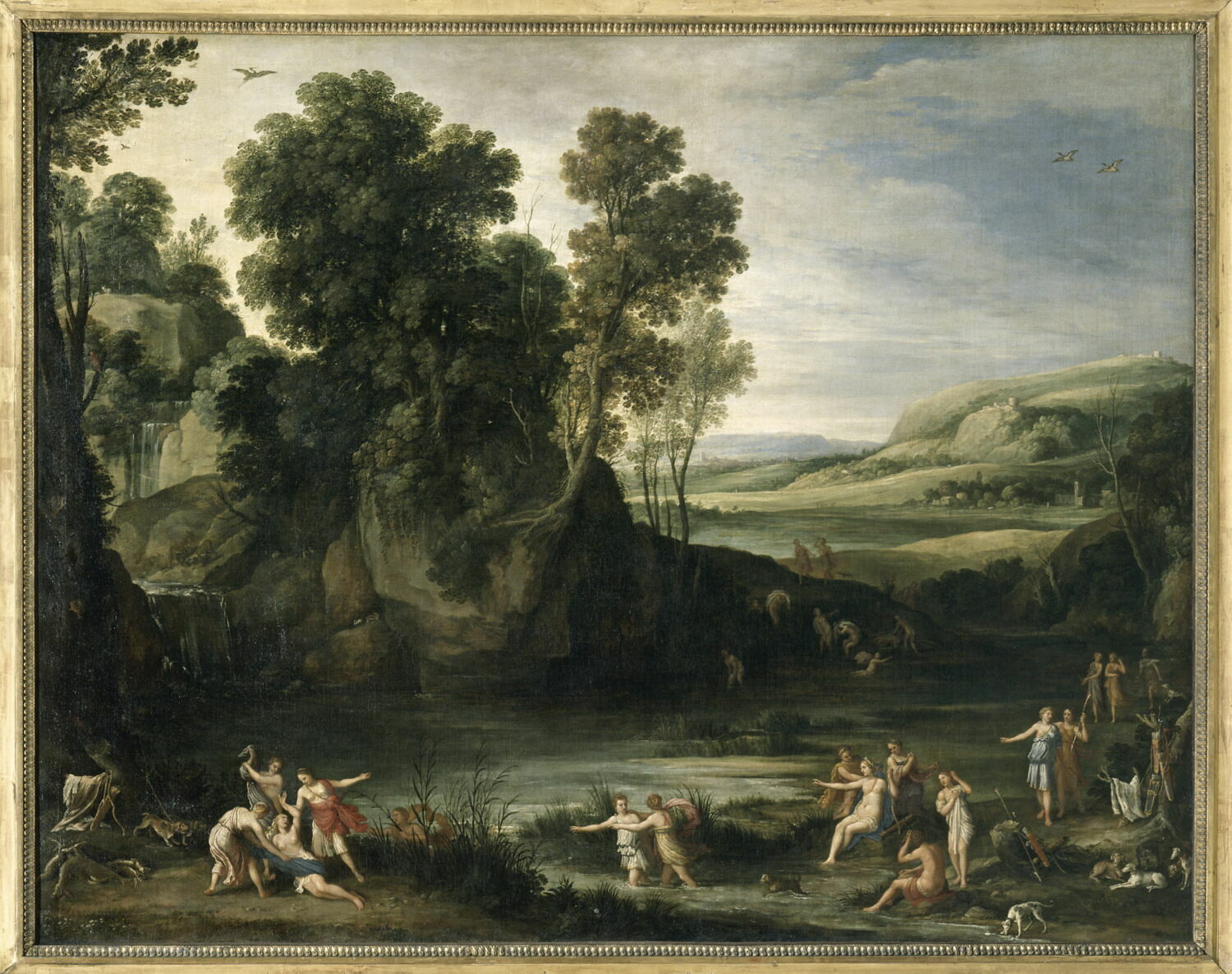
Diane découvrant la grossesse de Callisto, Bril, Paul, 1e quart du XVIIe siècle (vers 1615 - 1620)

Diane découvrant la grossesse de Callisto

first quarter of the 17th century (c. 1615–1620) · Musée du Louvre

Paysage avec les pèlerins d'Emmaüs et l'allégorie des deux troupeaux, Bril, Paul, 1e quart du XVIIe siècle (1617)

Paysage avec les pèlerins d'Emmaüs et l'allégorie des deux troupeaux

first quarter of the 17th century (1617) · Musée du Louvre

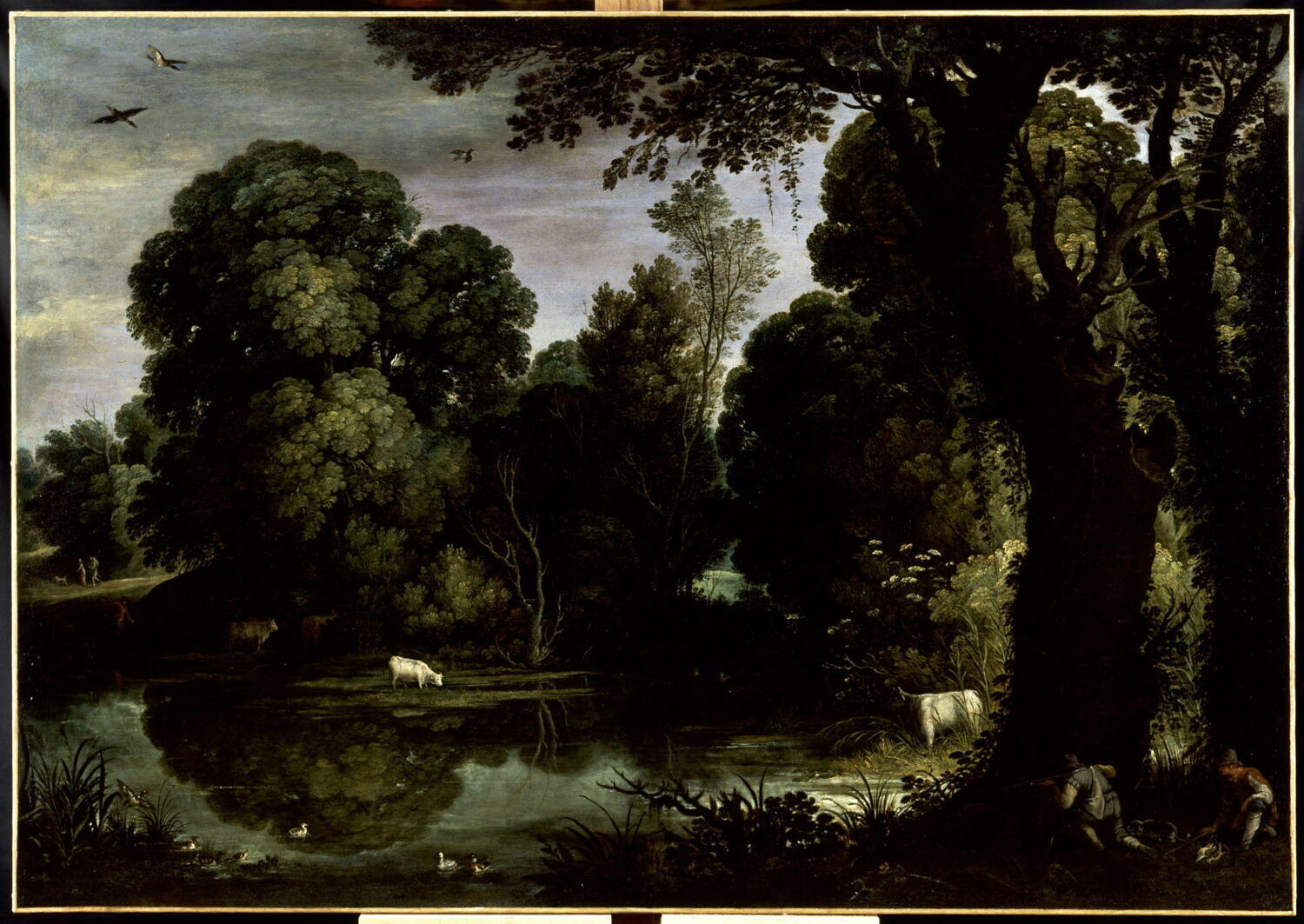
Chasse aux canards, Bril, Paul, 1e quart du XVIIe siècle (1618 - 1620)

Chasse aux canards

first quarter of the 17th century (1618–1620) · Musée du Louvre

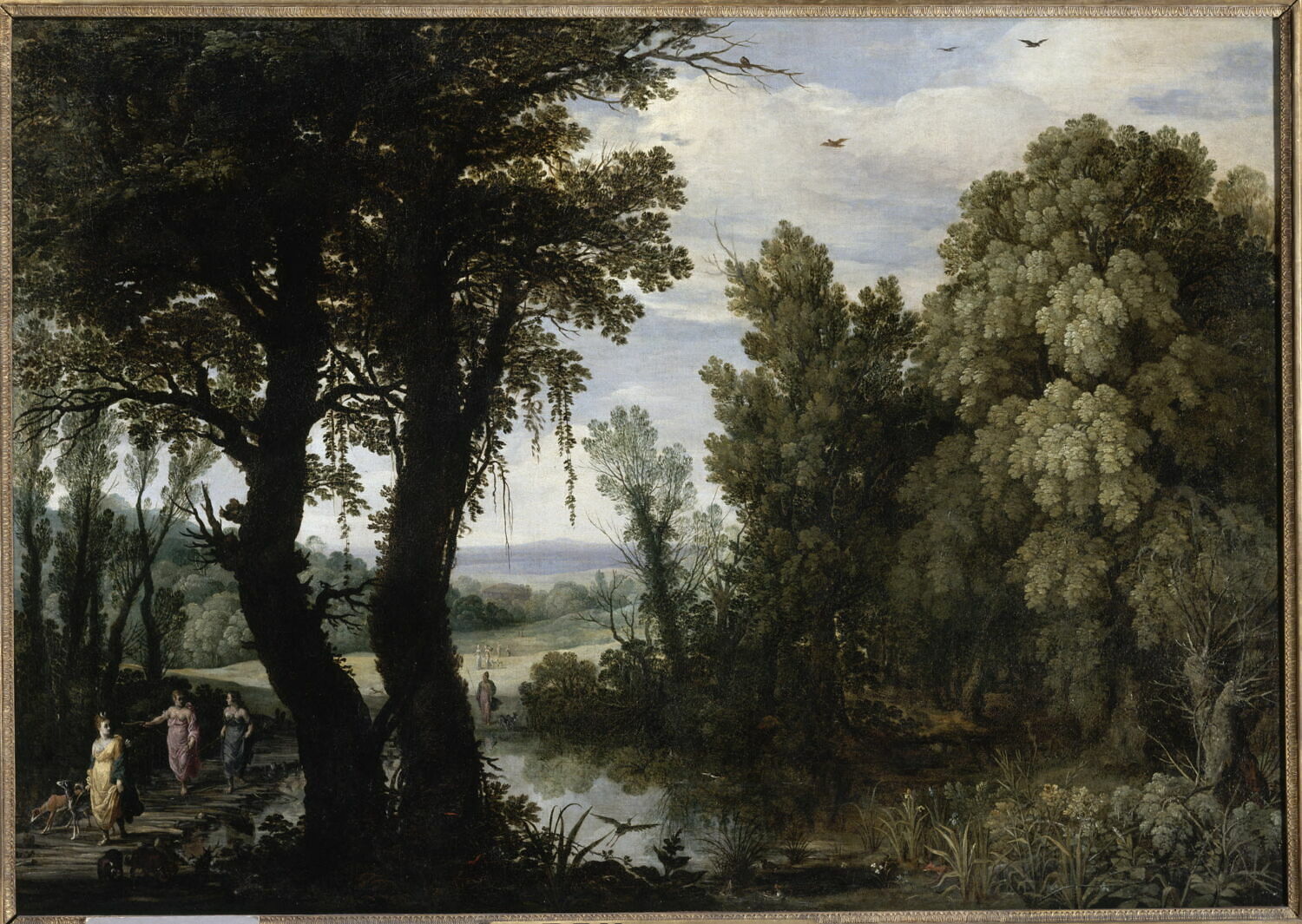
Diane et ses nymphes allant à la chasse, Bril, Paul, 1e quart du XVIIe siècle (1618 - 1620)

Diane et ses nymphes allant à la chasse

first quarter of the 17th century (1618–1620) · Musée du Louvre

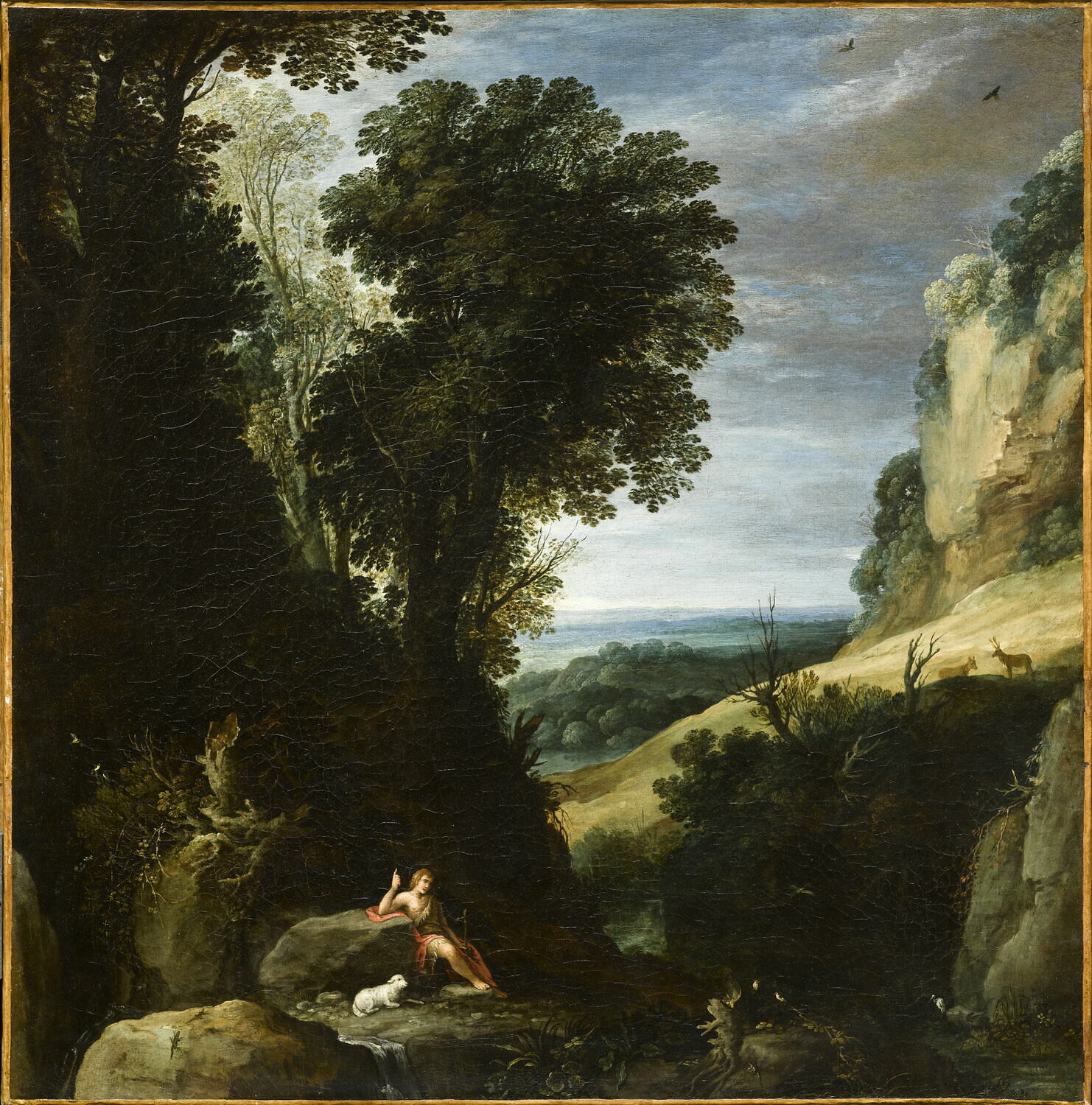
Paysage avec saint Jean Baptiste, Bril, Paul, 1e quart du XVIIe siècle (vers 1620 - 1622)

Paysage avec saint Jean Baptiste

first quarter of the 17th century (c. 1620–1622) · Musée du Louvre

Portrait d'Adolphe de Vignacourt Grand Maître de Malthe, Caravaggio, 1704–1755

Caravaggio

Portrait d'Adolphe de Vignacourt Grand Maître de Malthe, 1704–1755

Ecce Homo, Caravaggio, 1674–1684

Caravaggio

Ecce Homo, 1674–1684

Heiliger Hieronymus, Caravaggio

Caravaggio

Heiliger Hieronymus

Bildnis eines Mannes, Rembrandt, 1839–1850

Rembrandt van Rijn

Bildnis eines Mannes, 1839–1850

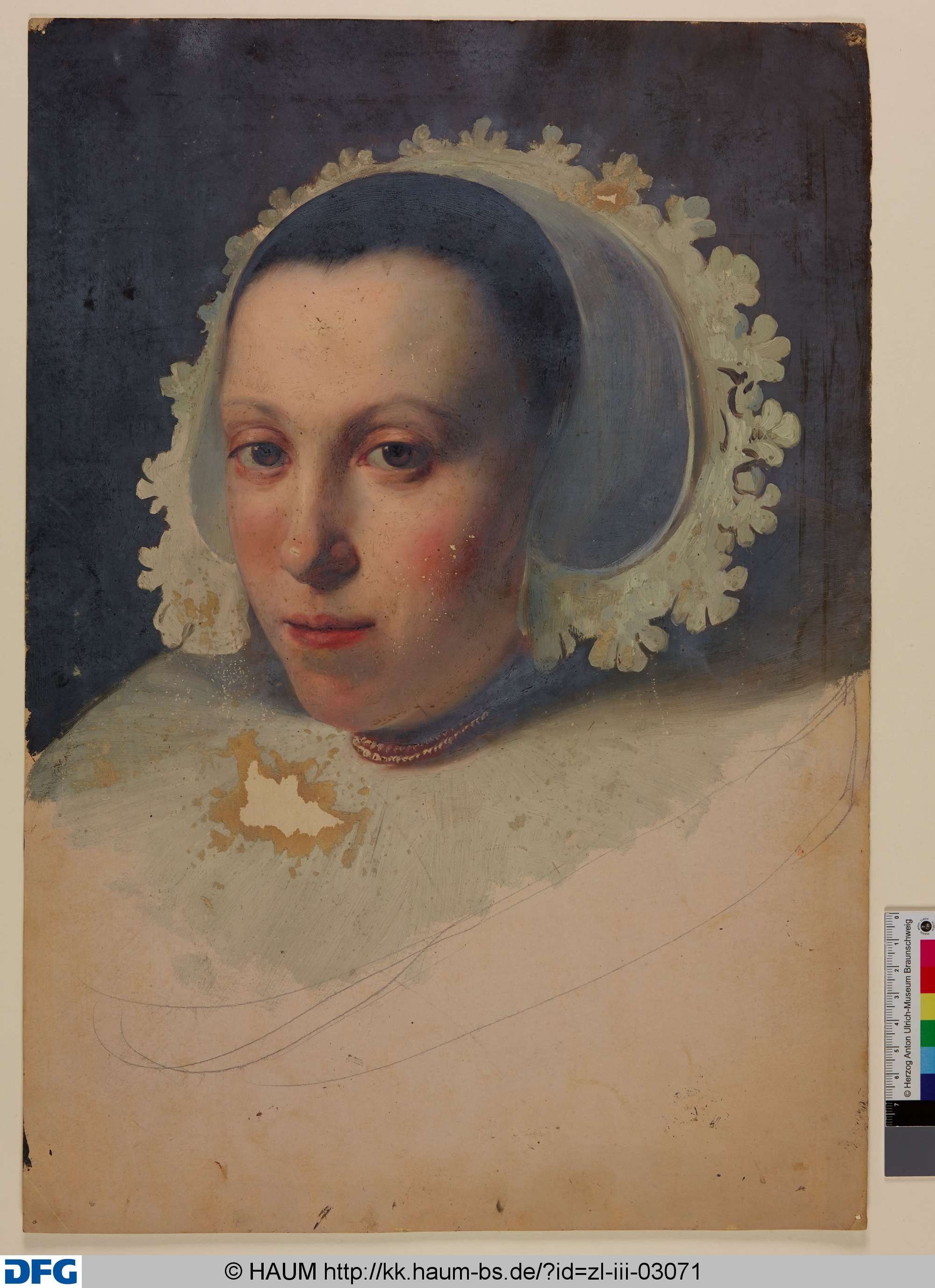
Bildnis einer Frau, Rembrandt, 1839–1850

Rembrandt van Rijn

Bildnis einer Frau, 1839–1850

Tobias und seine Frau, Rembrandt, 1773

Rembrandt van Rijn

Tobias und seine Frau, 1773

Tobias und seine Frau, Rembrandt, 1773

Rembrandt van Rijn

Tobias und seine Frau, 1773

Lot mit seinen Töchtern, Rembrandt, 1771

Rembrandt van Rijn

Lot mit seinen Töchtern, 1771

[Die Flucht nach Ägypten; The Flight into Egypt. Small; Fuite en Egypte], Rembrandt, 1633

Rembrandt van Rijn

[Die Flucht nach Ägypten; The Flight into Egypt. Small; Fuite en Egypte], 1633

Herzog Anton Ulrich Museum

[Die Flucht nach Ägypten; The Flight into Egypt. Small; Fuite en Egypte], Rembrandt, 1633

Rembrandt van Rijn

[Die Flucht nach Ägypten; The Flight into Egypt. Small; Fuite en Egypte], 1633

Herzog Anton Ulrich Museum

Palenque de los moros hecho con burros para defenderse del toro embolado [Wie sich die Mauren der Esel bedienen, um sich gegen den Stier, der Holzkugeln auf den Hörnern trägt, zu verteidigen; The Moors use donkeys as a barrier to defend themselves against the bull whose horns have been tipped with balls], Francisco Goya, 1816

Francisco de Goya

Palenque de los moros hecho con burros para defenderse del toro embolado [Wie sich die Mauren der Esel bedienen, um sich gegen den Stier, der Holzkugeln auf den Hörnern trägt, zu verteidigen; The Moors use donkeys as a barrier to defend themselves against the bull whose horns have been tipped with balls], 1816

Herzog Anton Ulrich Museum

Opfer Abrahams, Filippo Brunelleschi, 1401

Filippo Brunelleschi

Opfer Abrahams, 1401

Skulpturensammlung Dresden

[Die Anbetung der Hirten], Annibale Carracci, 1606

Annibale Carracci

[Die Anbetung der Hirten], 1606

Herzog Anton Ulrich Museum

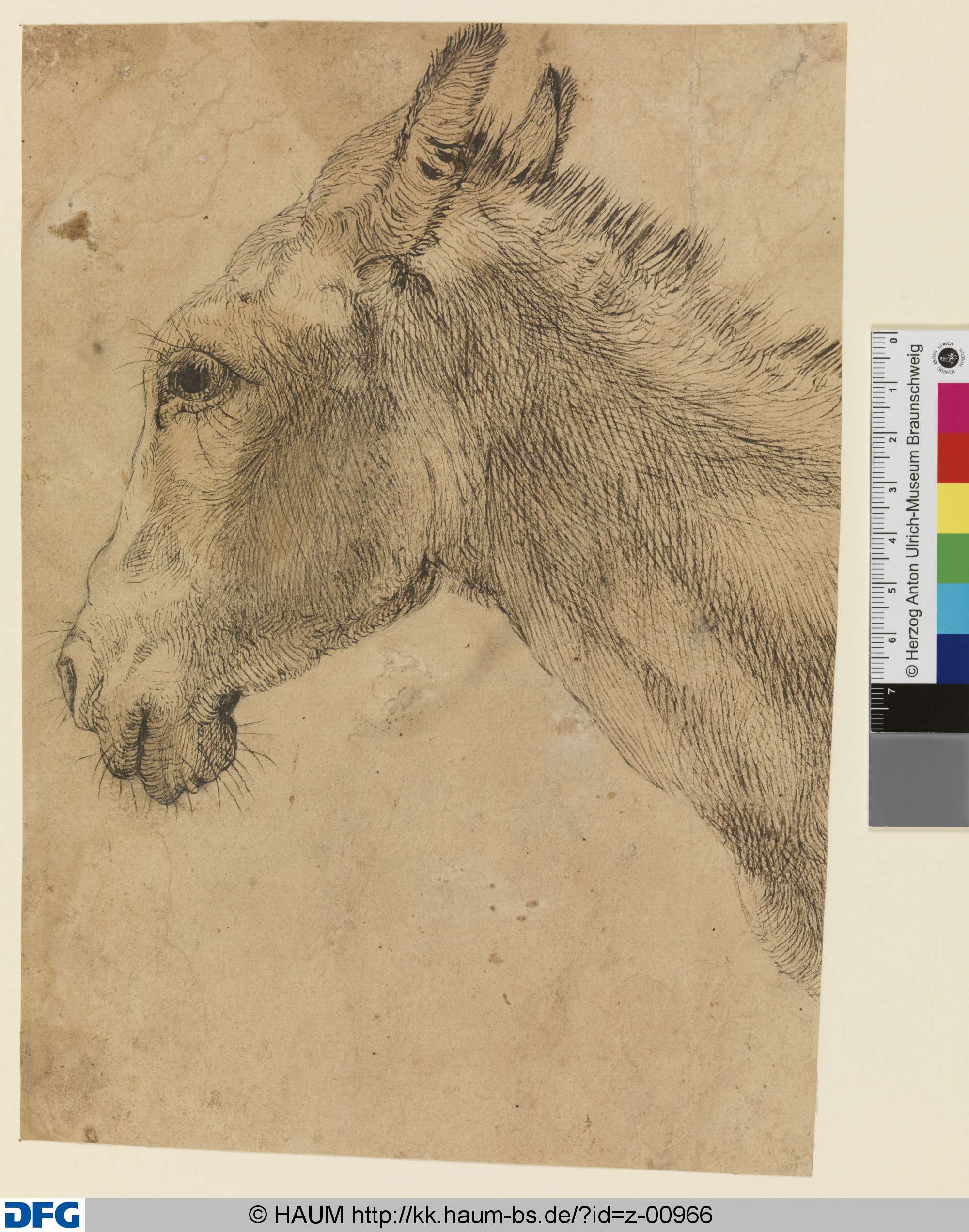
Kopf eines Esels, Annibale Carracci, 1577–1602

Annibale Carracci

Kopf eines Esels, 1577–1602

Herzog Anton Ulrich Museum

[Bauer zieht seine Schuhe aus], Jacques Callot, 1612–1635

Jacques Callot

[Bauer zieht seine Schuhe aus], 1612–1635

Herzog Anton Ulrich Museum

[Der Einzug in Jerusalem; Il fait son entrée triomphante à Jérusalem], Jacques Callot, 1635

Jacques Callot

[Der Einzug in Jerusalem; Il fait son entrée triomphante à Jérusalem], 1635

Herzog Anton Ulrich Museum