 El LissitzkyRussian, 1890–1941
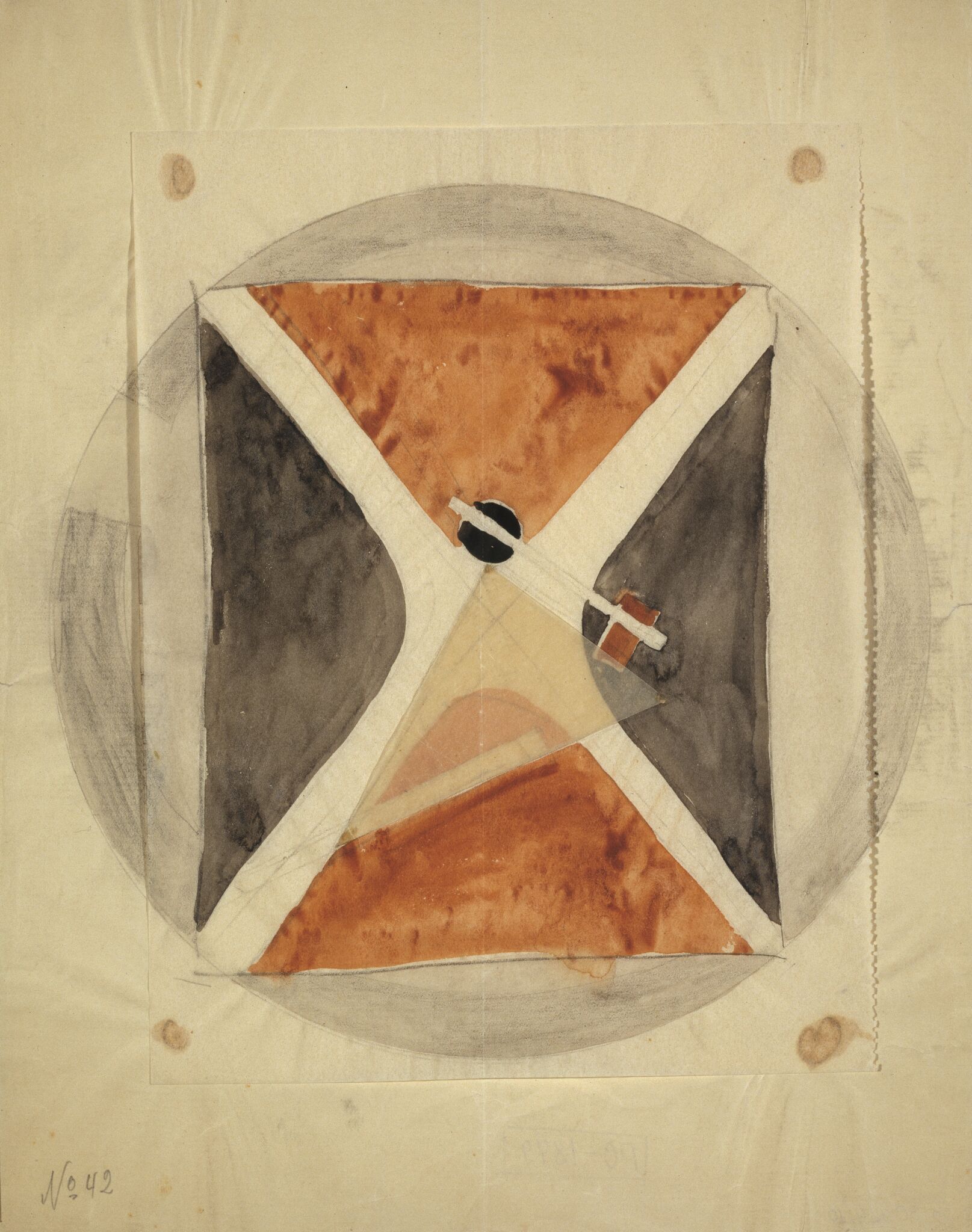
Проун 43
May one see it?
Unknown

Tretyakov Gallery
Moscow, Russia
The owner is known; whether it is on view today is not.
- In this state since
- Source
- The museum
About the work
In the museum's own words — in Russian
Эксперименты Лисицкого с проунами затрагивали не только композиционное решение, но и материал. Исследуя возможности взаимоотношений формы с пространством, Лисицкий создавал как живописные и графические проуны, так и их рельефные интерпретации из фанеры. Эскизом к одному из таких рельефов послужил Проун 43. Сам рельеф не сохранился и известен только по фотографии. Его основу составлял фанерный диск, в центральной точке был прикреплен черно-красно-белый квадрат, который, судя по фотографии, вращался вокруг оси. Изображенный на эскизе белый брусок, «перечеркивающий» квадрат по диагонали, был объемным; также на фотографии различима и прозрачная наклейка из стекла (в рисунке она сделана из кальки).
Лисицкий часто использовал кальку в рисунках ‒ ее прозрачность позволяла добиться эффекта многослойности, пространственности композиции.
Read on
В членении квадрата на цветные секции Лисицкий воспроизвел мотив другого проуна ‒ Проуна 23, известного также под названием «Арка», где основу композиции составляли ветви гиперболы. Пластические сюжеты проунов часто повторялись с некоторыми вариациями; Лисицкий использовал их с разными целями и в разных областях своего творчества. Так, композиция Проуна 43 была использована в дизайне обложки венгерского авангардного журнала MA (vol. 7, № 8, August, 1922).
Tretyakov Gallery
Particulars
- Accession number
- РС-1879
In the catalog
Sources
- Tretyakov Gallery
- Image: Tretyakov Gallery — © State Tretyakov Gallery
Meanwhile, in the life of El Lissitzky
The whole life1918
Founding the art section of the Kultur-Lige
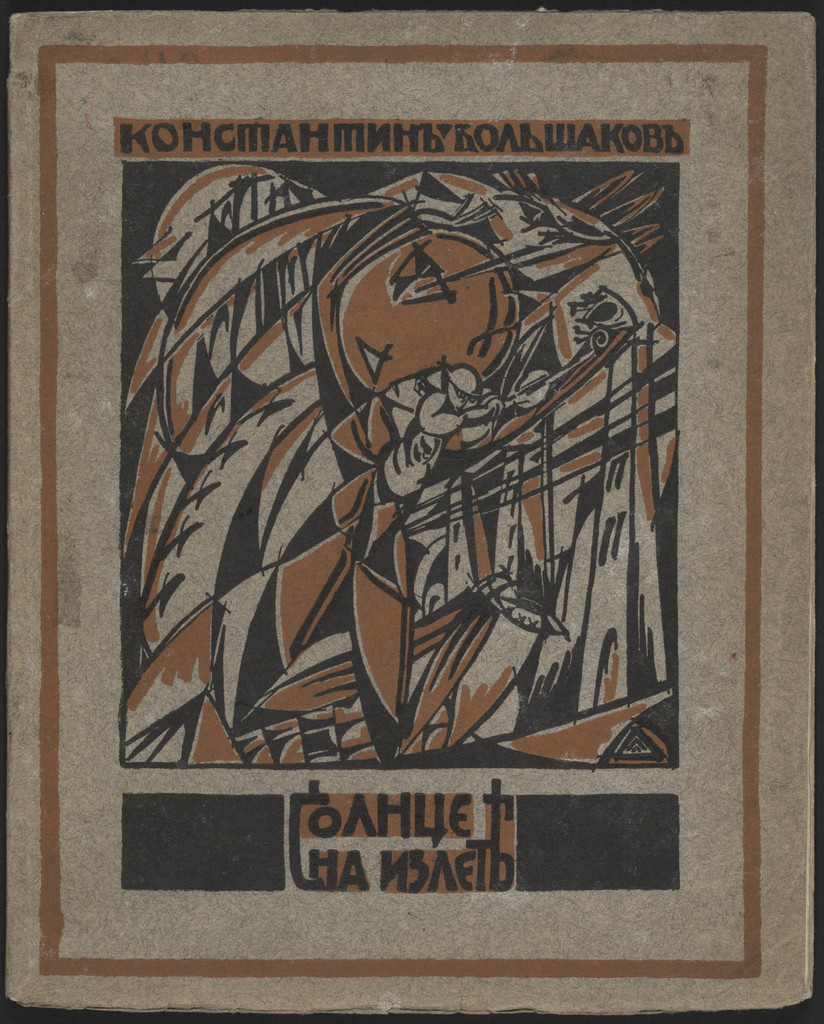
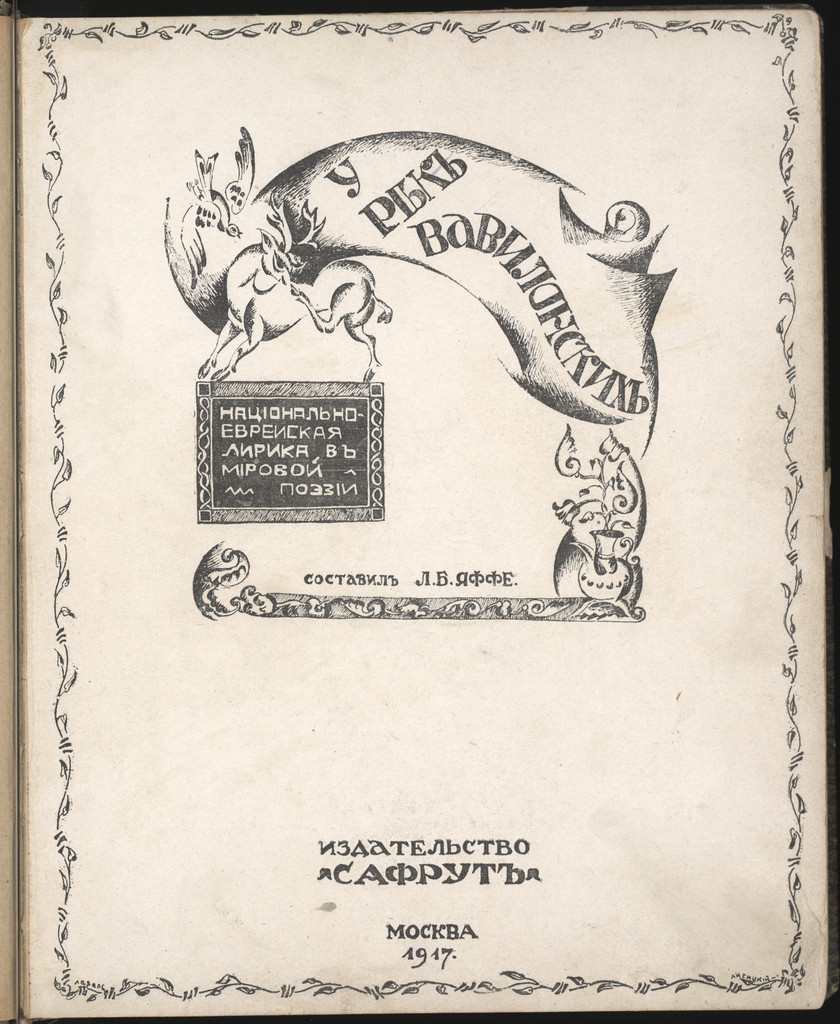
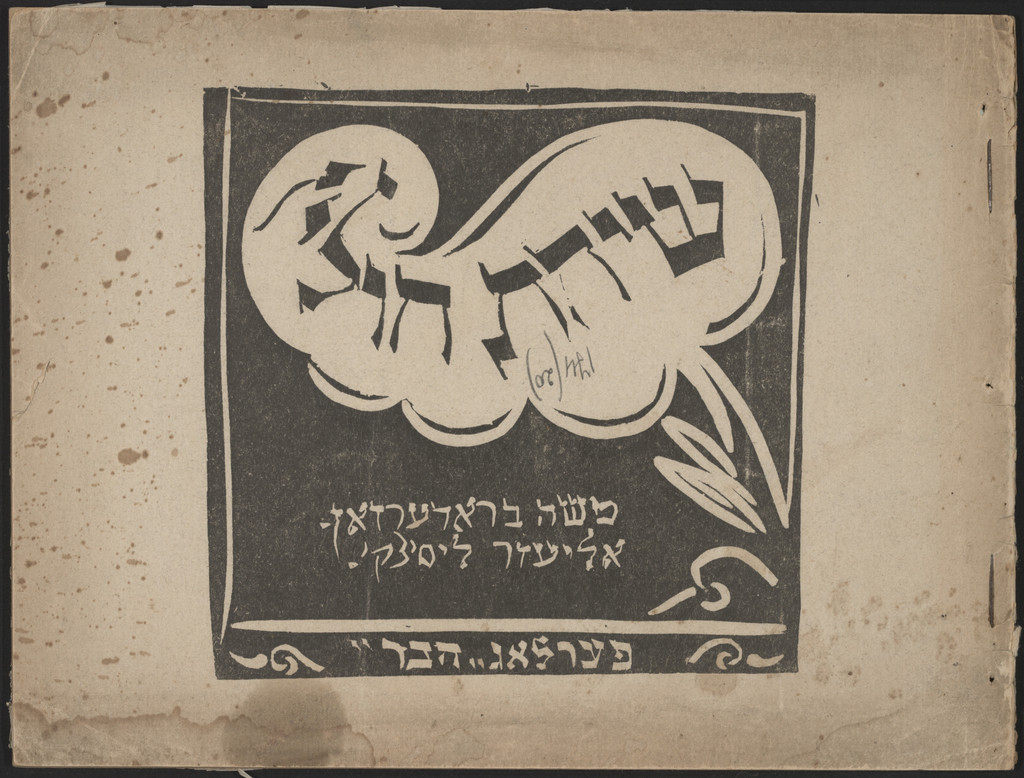
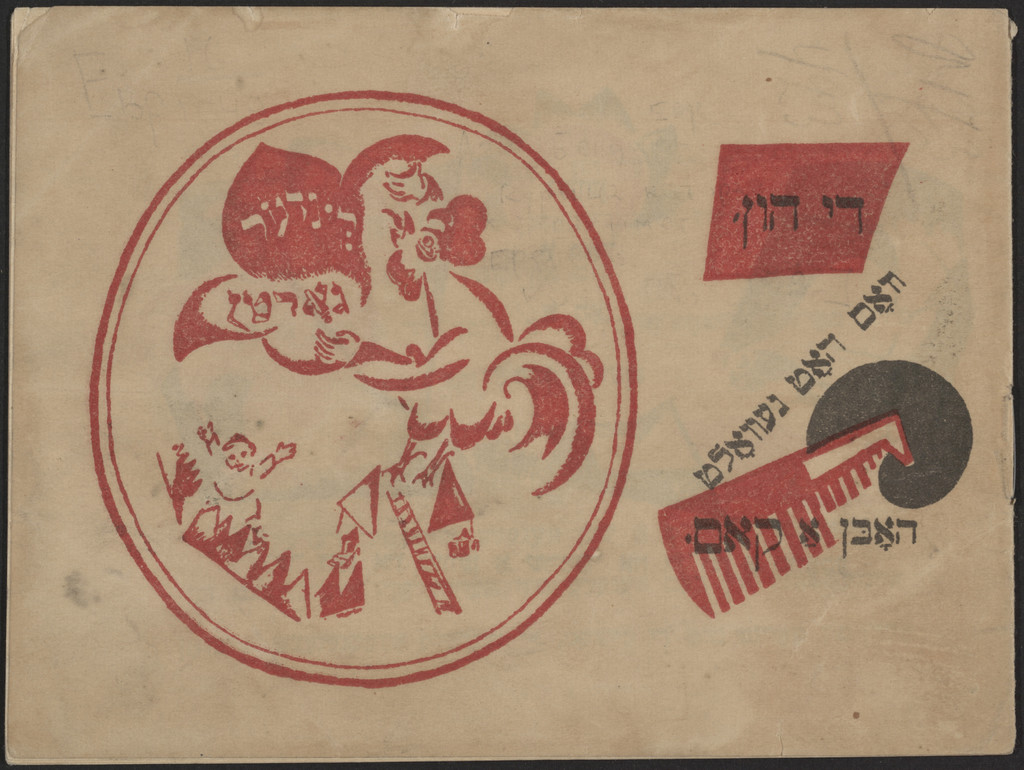
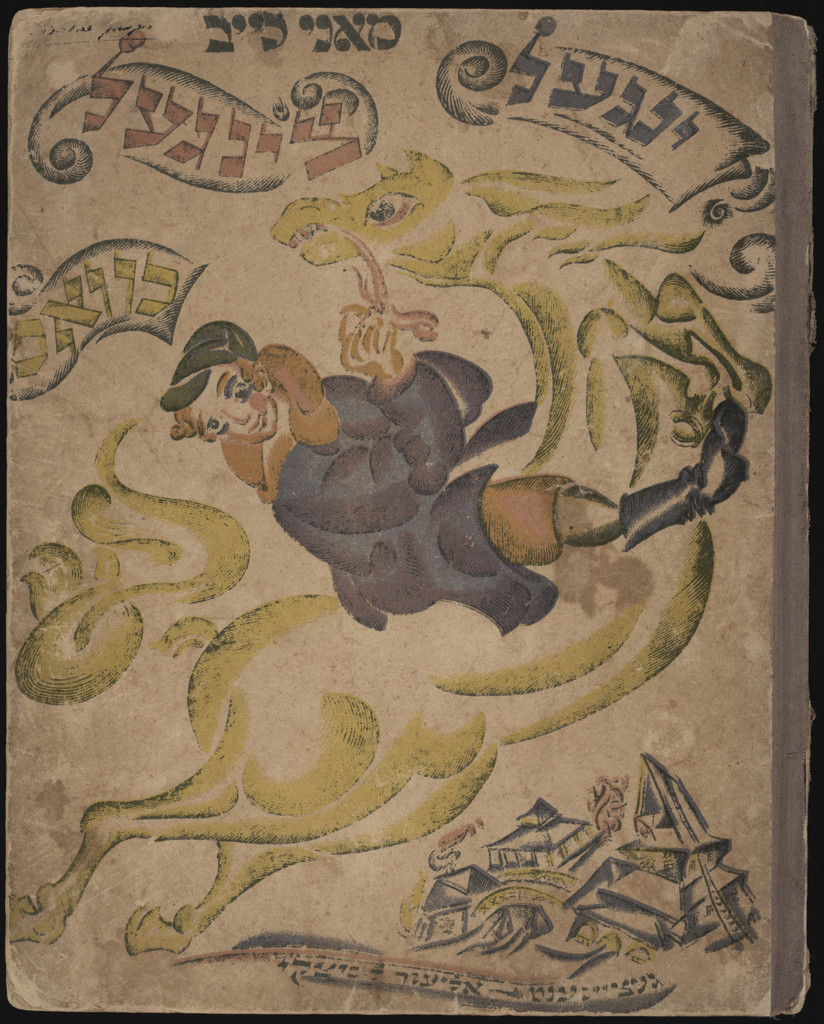
In 1918 in Kiev Lissitzky, together with Joseph Chaikov, Issachar Ber Ryback, Mark Epstein and others, founds the art section of the Kultur-Lige, an avant-garde artistic and literary association whose aim was to create a new Jewish national art.
May 1919
Chagall's invitation and the move to Vitebsk
In May 1919, at Marc Chagall's invitation, Lissitzky returns to Vitebsk to teach graphic arts, printing and architecture at the newly formed People's Art School, which Chagall created after being appointed Commissioner of Artistic Affairs for Vitebsk. Lissitzky designs and prints propaganda posters and illustrations for a local newspaper; he later never mentioned them, probably because he portrayed Leon Trotsky and other early revolutionaries who later became enemies of the Soviet state.
October 1919
Persuading Malevich to move to Vitebsk
In October 1919, on an errand in Moscow, Lissitzky persuades Kazimir Malevich to relocate to Vitebsk. Malevich brings a wealth of new ideas, which inspire Lissitzky but clash with the local public and professionals who favoured figurative art, and with Chagall himself.
1919–1920
Choosing Malevich and breaking with Chagall
Malevich replaces the school's classical teaching programme with his own and spreads suprematist theory school-wide; Lissitzky, still loyal to Chagall, is torn between two opposing paths but ultimately favours suprematism and breaks away from traditional Jewish art, and Chagall leaves the school shortly afterwards — he later recalled that his most zealous disciple, the moment he was appointed professor, went over to his opponents' camp. Lissitzky designs Malevich's book “On the New System in Art”, printed in 1,000 copies — an enormous number for an art book.
17 January – February 1920
Malevich and Lissitzky found Molposnovis, which becomes UNOVIS
On 17 January 1920 Malevich and Lissitzky co-found the short-lived group Molposnovis (“Young Followers of a New Art”); after a brief and stormy dispute and two rounds of renaming, it re-emerges in February as UNOVIS, the “Exponents of the New Art”. The group, disbanded in 1922, was pivotal in spreading suprematist ideology and launched Lissitzky's status as a leading figure of the avant-garde; its members signed works with a black square, while Lissitzky used a red one.
1921
Leaving for Germany as a “cultural emissary”
In 1921, as UNOVIS declines and suprematism begins to fracture into a utopian, spiritual half and a utilitarian one, Lissitzky aligns with neither and leaves Vitebsk: he takes a job as a “cultural emissary” of Soviet Russia and moves to Weimar Berlin to establish contacts between Russian and German artists — what exactly he did in this role remains unclear. In 1921–1925 he lives in Germany and Switzerland.