ART WIKI32,963 on view
MapCollectionArtistsMuseumsExhibitionsJournal
Sign in

ART WIKI

Where the masterpiece hangs, and when they let you in.

Collections: Art Institute of Chicago, Getty Villa, Harvard Art Museums, Hirshhorn Museum and Sculpture Garden, J. Paul Getty Museum, Minneapolis Institute of Art, Musée du Louvre, National Gallery of Art, National Museum of Asian Art, National Portrait Gallery (Smithsonian), Pushkin State Museum of Fine Arts, Rijksmuseum, Smithsonian American Art Museum, SMK — National Gallery of Denmark, State Hermitage Museum, State Russian Museum, The Cleveland Museum of Art, The Metropolitan Museum of Art, The Museum of Modern Art, Tretyakov Gallery, Victoria and Albert Museum, Whitney Museum of American Art, State Catalogue of the Museum Fund of Russia (274 museums), Europeana (19 museums), Wikidata (6 museums), Paris Musées (12 museums), and Joconde, the French Ministry of Culture's museum database (495 museums). Images belong to their rights holders.

Sections

  • Map
  • Search
  • Collection
  • Masterpieces
  • On view now
  • Artists

More

  • Museums & galleries
  • Exhibitions
  • Journal
  • Where the data comes from
  • Privacy & cookies
HomeMapBrowse
  1. Collection/
  2. Minneapolis Institute of Art/
  3. Post Figure (poutokomanawa)
Post Figure (poutokomanawa), c. 1840

Post Figure (poutokomanawa)

c. 1840 · Sculpture · 141 × 40.6 cm

About the sculpture

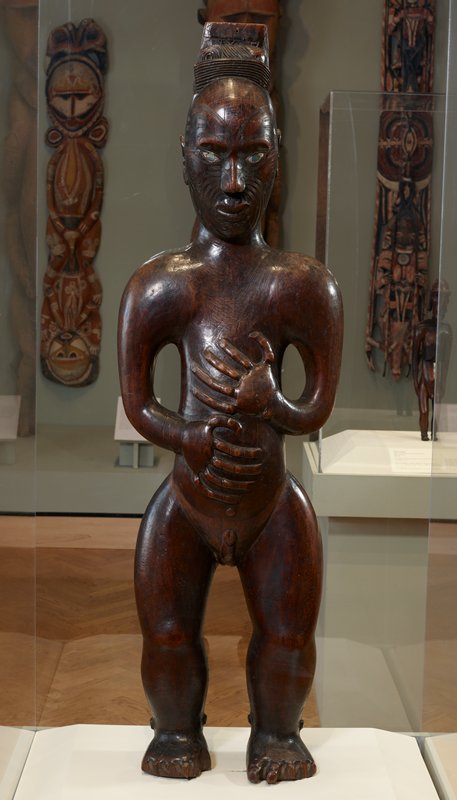
This poutokomanawa may have welcomed guests to a Māori communal house and protected its sacred essence. The Māori conceived of these houses as the physical embodiment of an ancestral spirit: the ridge pole represented the backbone, the side supports represented the ribs. The poutokomanawa, supporting the main beam in the center of the house, means “the post that supports the heart.”

The figure is a portrait of the ancestor whose spiritual power infused the building, recognizable by the unique tattoo pattern carved on the face. The head, being the center of personal power, is larger than life. The large hands resting on the abdomen suggest spiritual strength and emphasize the life force that links spirits and humans. This poutokomanawa was carved by a member of the Ngāti Kahungunu tribal group of New Zealand.

Minneapolis Institute of Art

Particulars

Accession number
2001.65a, b

In the same room · G262, Minneapolis Institute of Art

Museum page

May one see it?

Yes, receiving visitors

Minneapolis Institute of Art

Minneapolis, United States

RoomG262

On public display.

Checked
3 days ago
In this state since
Sep 25, 2026
Source
The museum
On the mapMuseum page

In the catalog

SculptureWoodRomanticismRealism19th centuryNgāti Kahungunu Māori

Sources

  • Minneapolis Institute of Art
  • Image: Minneapolis Institute of Art — public domain
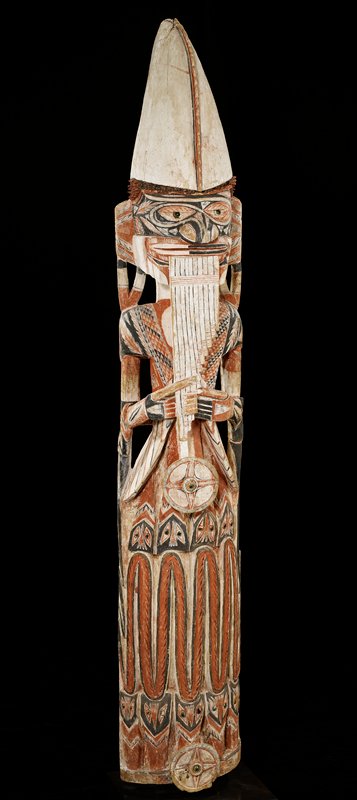
Malagan pole, Papua New Guinea, c. 1910

Papua New Guinea,

Malagan pole, c. 1910

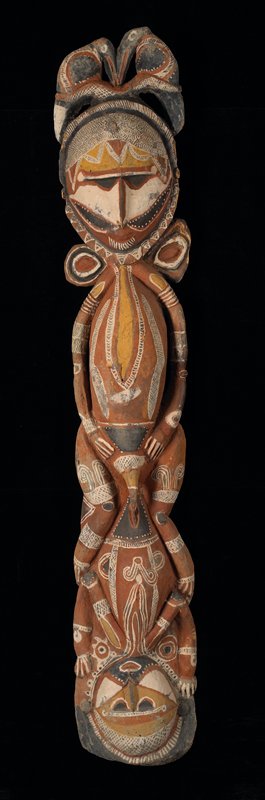
Malagan Figure, Papua New Guinea, c. 1890

Papua New Guinea,

Malagan Figure, c. 1890

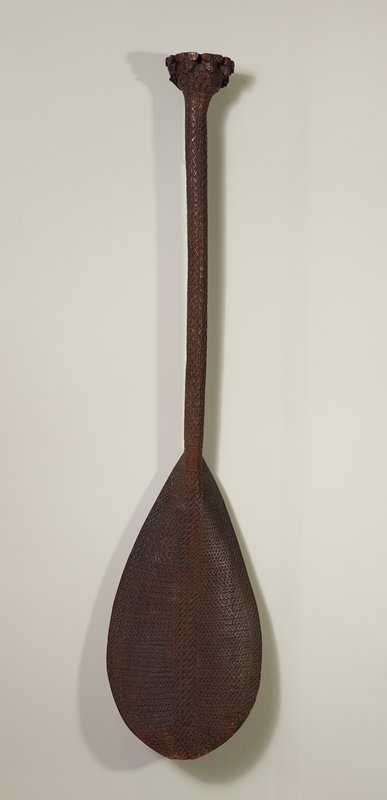
Ceremonial Paddle, French Polynesia, 1820–40

French Polynesia

Ceremonial Paddle, 1820–40

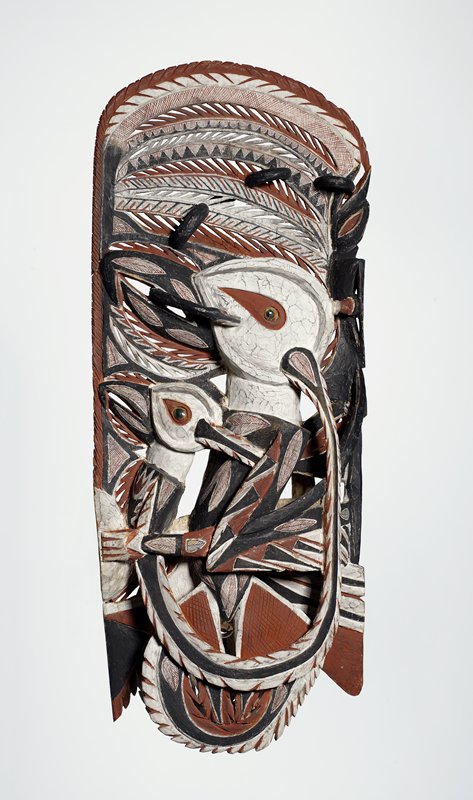
Malagan Frieze, Papua New Guinea, 19th century

Papua New Guinea,

Malagan Frieze, 19th century

Plaque, mid 20th century

Plaque, mid 20th century

Bis Pole, 20th century

Bis Pole, 20th century

Bioma Figure, 20th century

Bioma Figure, 20th century

[Suns, fish, and plants], Djunmal, 20th century

Djunmal

[Suns, fish, and plants], 20th century