ART WIKI33,040 on view
MapCollectionArtistsMuseumsExhibitionsJournal
Sign in

ART WIKI

Where the masterpiece hangs, and when they let you in.

Collections: Art Institute of Chicago, Getty Villa, Harvard Art Museums, Hirshhorn Museum and Sculpture Garden, J. Paul Getty Museum, Minneapolis Institute of Art, Musée du Louvre, National Gallery of Art, National Museum of Asian Art, National Portrait Gallery (Smithsonian), Pushkin State Museum of Fine Arts, Rijksmuseum, Smithsonian American Art Museum, SMK — National Gallery of Denmark, State Hermitage Museum, State Russian Museum, The Cleveland Museum of Art, The Metropolitan Museum of Art, The Museum of Modern Art, Tretyakov Gallery, Victoria and Albert Museum, Whitney Museum of American Art, State Catalogue of the Museum Fund of Russia (274 museums), Europeana (19 museums), Wikidata (6 museums), Paris Musées (12 museums), and Joconde, the French Ministry of Culture's museum database (495 museums). Images belong to their rights holders.

Sections

  • Map
  • Search
  • Collection
  • Masterpieces
  • On view now
  • Artists

More

  • Museums & galleries
  • Exhibitions
  • Journal
  • Where the data comes from
  • Privacy & cookies
HomeMapBrowse
  1. Collection/
  2. J. Paul Getty Museum/
  3. Pluto Abducting Proserpine
Pluto Abducting Proserpine, François Girardon, probably cast in late 18th century

Pluto Abducting Proserpine

probably cast in late 18th century · Sculpture · 56.5 × 28.9 cm

About the sculpture

Pluto, god of the Underworld, seizes Proserpine, daughter of the agricultural goddess Ceres; one of her servants, fallen to the ground, tries unsuccessfully to stop him. According to Ovid's *Metamorphoses* , Pluto was watching Proserpine pick flowers in a meadow when he was struck by one of Cupid's arrows. Pluto carried Proserpine down to his kingdom on a chariot drawn by black horses. According to Greek mythology, Pluto allowed Proserpine to return to earth each spring for four months, thus explaining the change of the seasons. This bronze is a copy after a larger preparatory model, also in the Museum's collection, by Louis XIV's preeminent sculptor, François Girardon. Louis XIV commissioned Girardon to create one of four monumental marble groups intended to decorate the corners of Charles Le Brun's never-completed garden at Versailles, the Parterre d'Eau. Each group of three figures symbolized one of the four elements: earth, air, water, and fire. Pluto's association with Hell made him an apt symbol of fire.

JPGJ. Paul Getty Museum

Particulars

More by François Girardon

All works

In the same room · Museum South Pavilion, Gallery S104, Space 2, J. Paul Getty Museum

Museum page
Accession number
74.SB.17

Sources

  • J. Paul Getty Museum
  • Image: J. Paul Getty Museum — Open Content
François Girardon, portraitFrançois GirardonFrench, 1628–1715

May one see it?

Yes, receiving visitors

JPG
J. Paul Getty Museum

Los Angeles, United States

RoomMuseum South Pavilion, Gallery S104, Space 2

On public display.

Checked
3 days ago
In this state since
Oct 5, 2026
Source
The museum
On the mapMuseum page
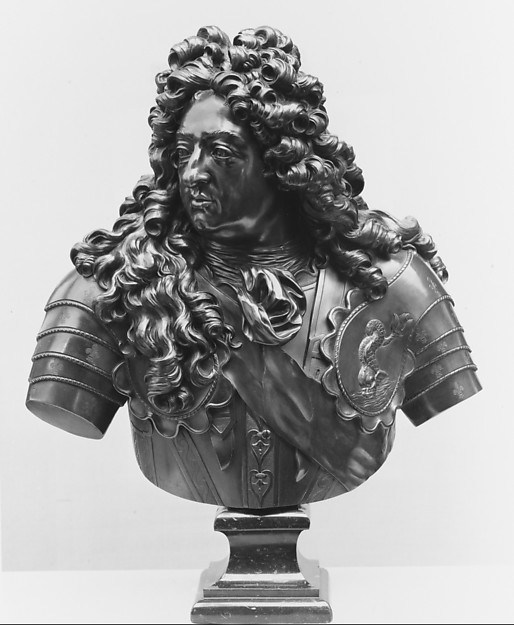
Louis of France, The Grand Dauphin (1661–1711), François Girardon, late 17th century

Louis of France, The Grand Dauphin (1661–1711)

late 17th century · The Metropolitan Museum of Art

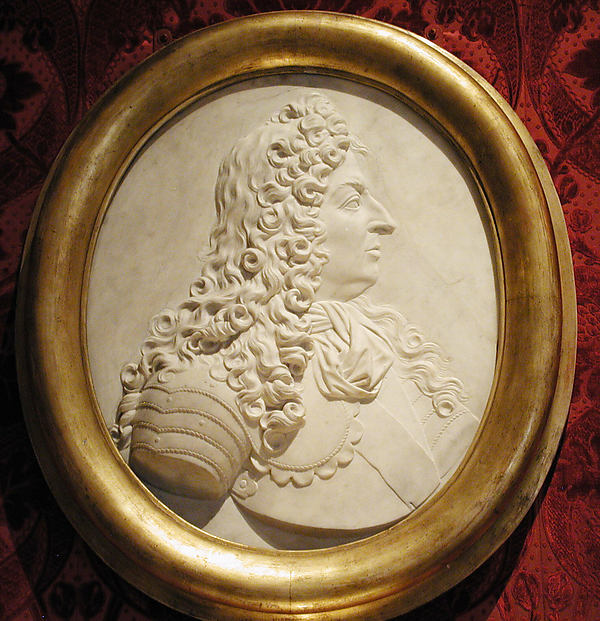
Portrait relief of Louis XIV (1638–1715), François Girardon, late 17th century

Portrait relief of Louis XIV (1638–1715)

late 17th century · The Metropolitan Museum of Art

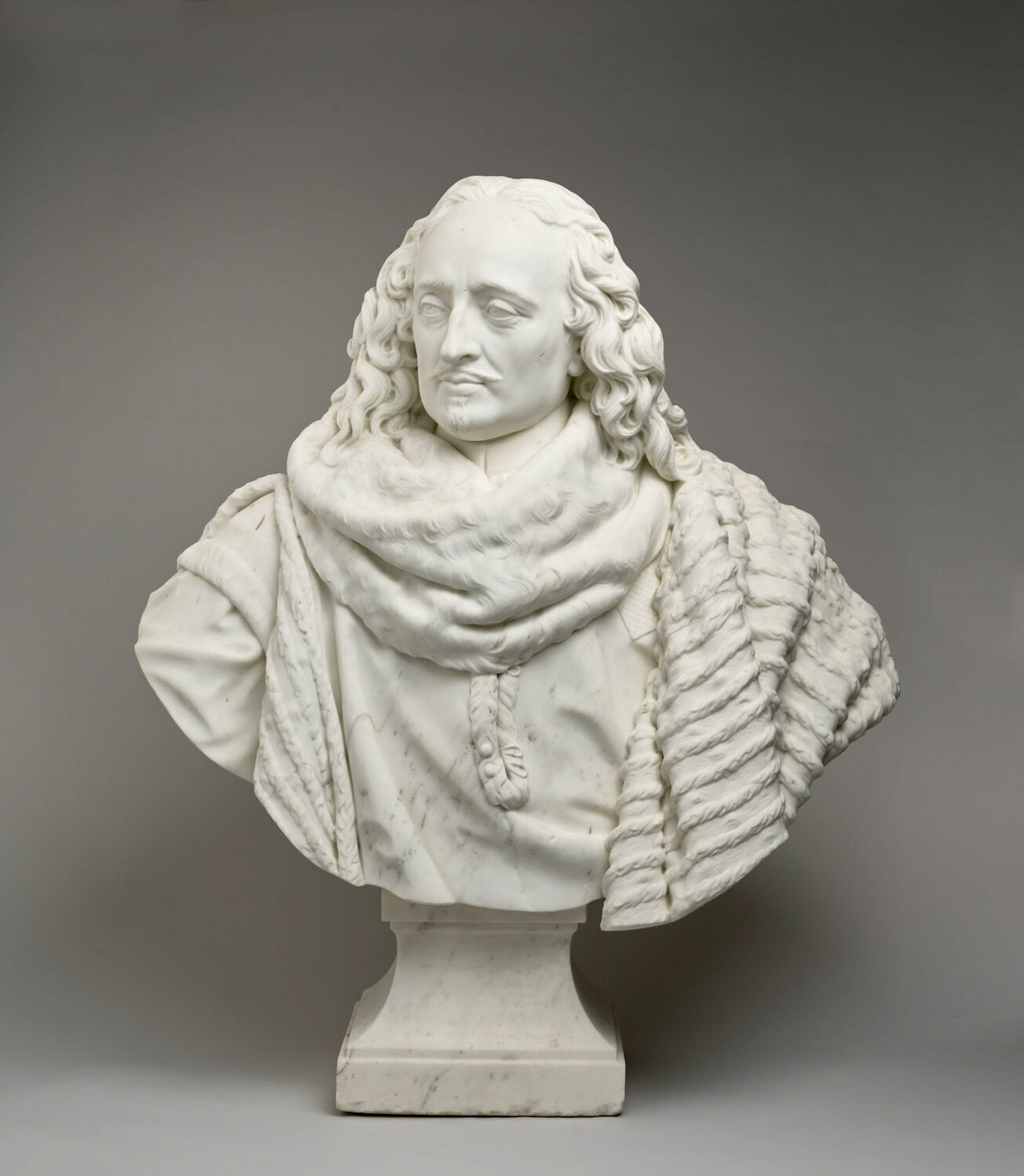
Guillaume de Lamoignon, premier président du Parlement de Paris (1617-1677), Girardon, François, 1671 - 1673

Guillaume de Lamoignon, premier président du Parlement de Paris (1617-1677)

1671 - 1673 · Musée du Louvre

Allegorical figure, François Girardon, 1672–75

Allegorical figure

1672–75 · The Metropolitan Museum of Art

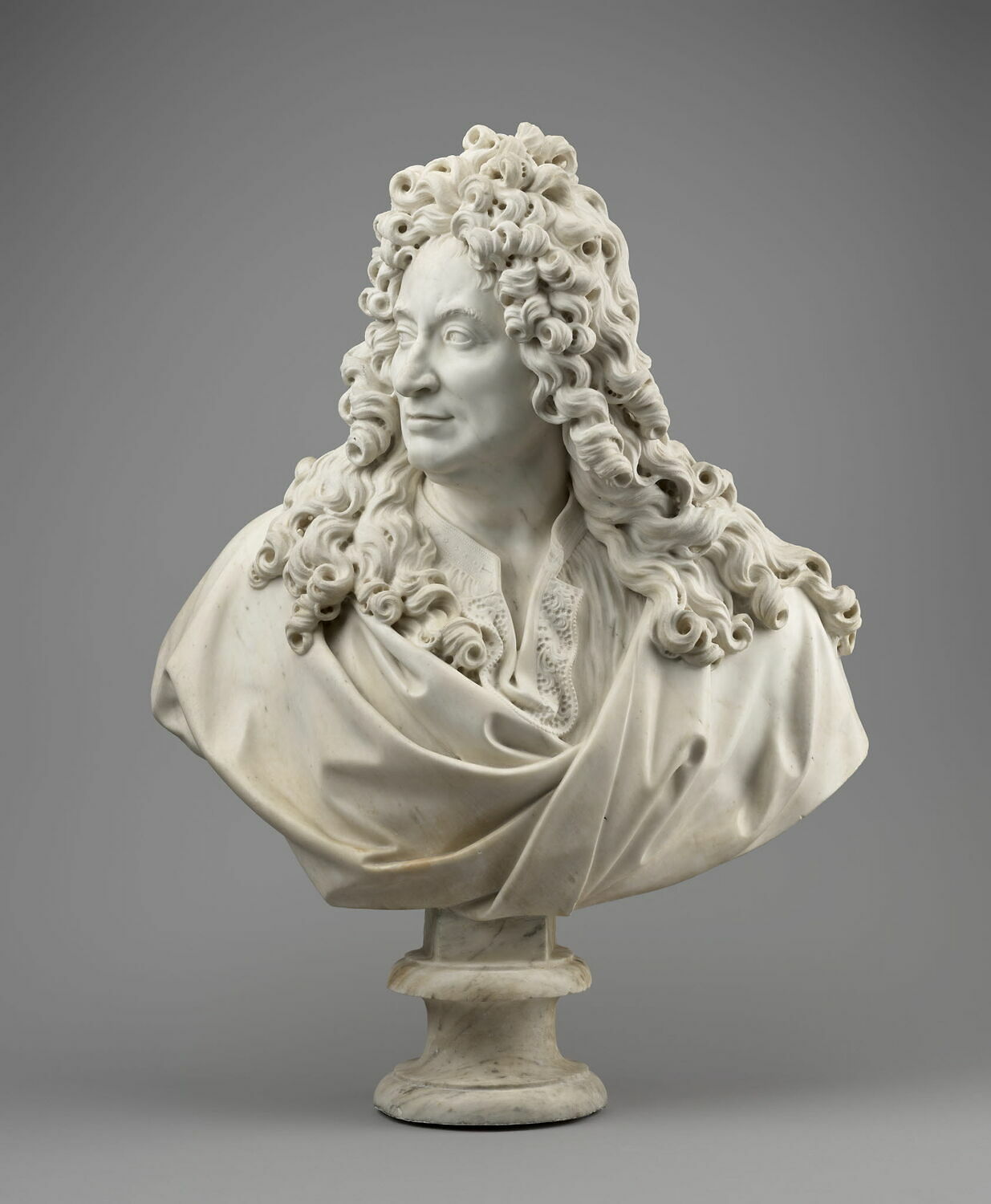
Boileau-Despréaux (Nicolas Boileau, dit) (1636-1711) écrivain, Girardon, François, vers 1680 - 1705

Boileau-Despréaux (Nicolas Boileau, dit) (1636-1711) écrivain

c. 1680–1705 · Musée du Louvre

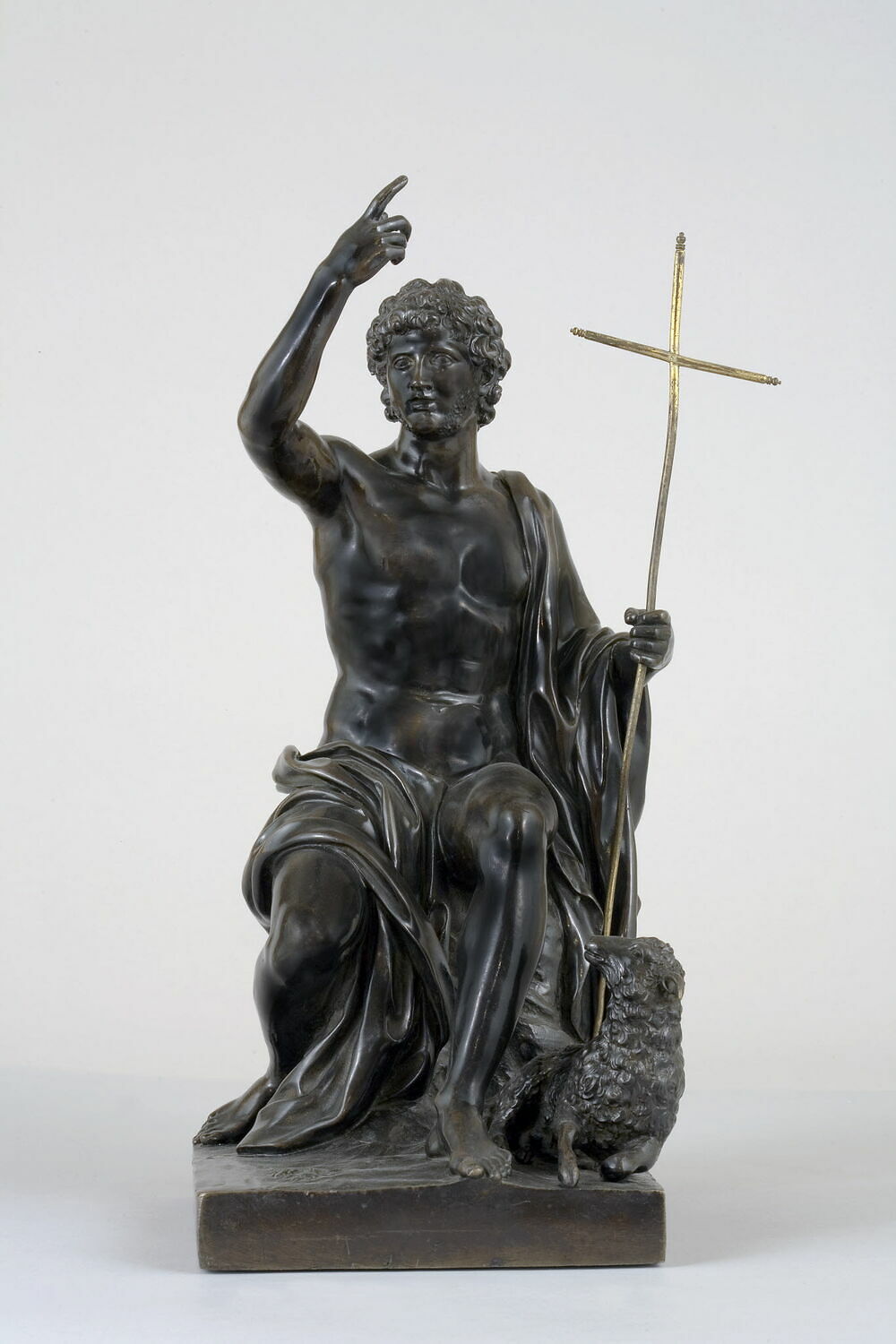
Saint Jean Baptiste, Girardon, François, 1699

Saint Jean Baptiste

1699 · Musée du Louvre

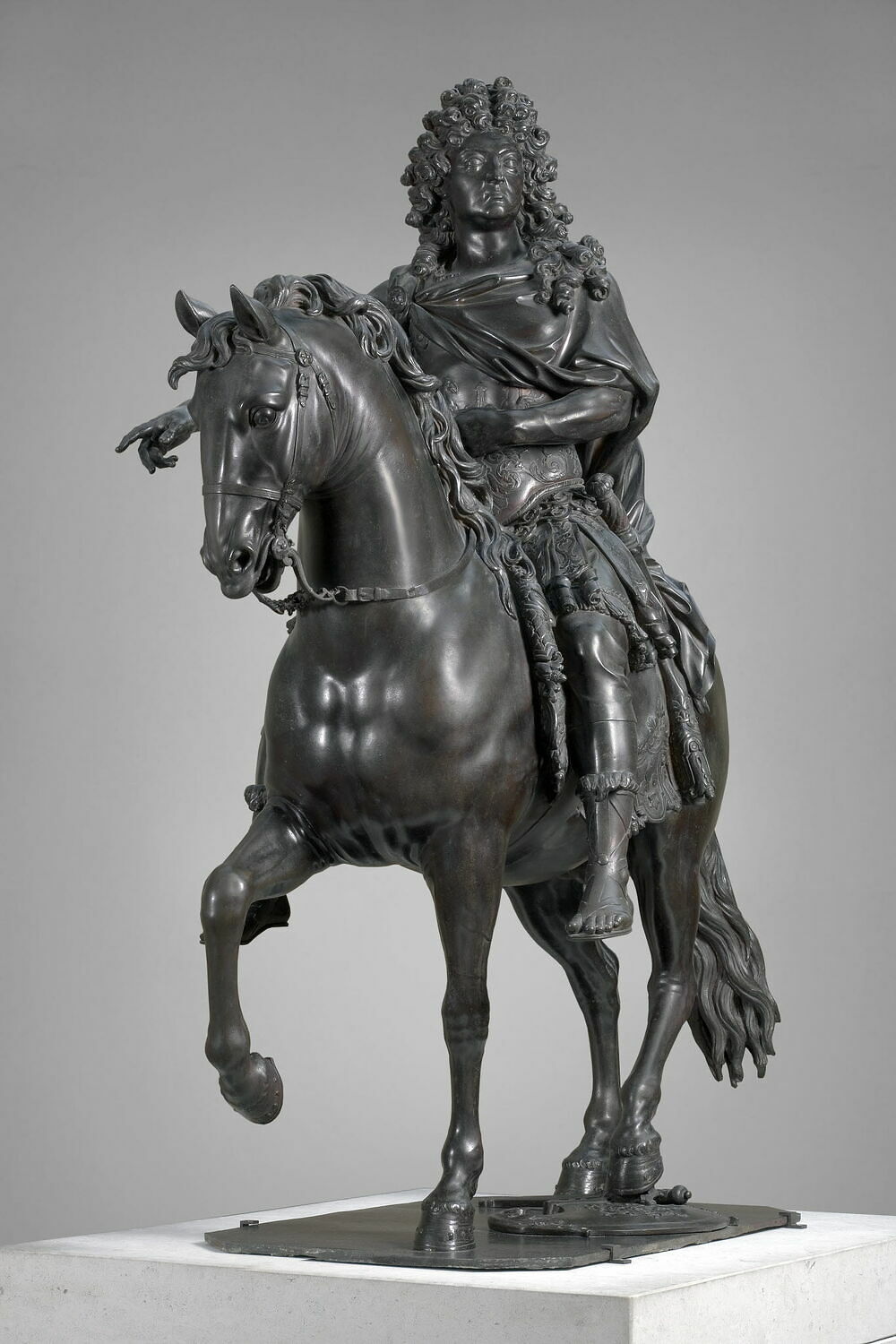
Louis XIV à cheval (1638-1715), roi de France, France, avant - 1704

Louis XIV à cheval (1638-1715), roi de France

before 1704 · Musée du Louvre

Pluto raubt Proserpina, François Girardon

Pluto raubt Proserpina

Skulpturensammlung Dresden

Charles de Saint-Albin, Archbishop of Cambrai, Hyacinthe Rigaud, 1723

Hyacinthe Rigaud

Charles de Saint-Albin, Archbishop of Cambrai, 1723

A Wooded Landscape, Meindert Hobbema, 1667

Meindert Hobbema

A Wooded Landscape, 1667

The Idolatry of Solomon, Frans Francken the Younger, 1622

Frans Francken der Jüngere

The Idolatry of Solomon, 1622

Still Life with Game, Vegetables, Fruit, and a Cockatoo, Adriaen van Utrecht, 1650

Adriaen van Utrecht

Still Life with Game, Vegetables, Fruit, and a Cockatoo, 1650

Market Scene in an Imaginary Oriental Port, Jean-Baptiste Pillement, about 1764

Jean Baptiste Pillement

Market Scene in an Imaginary Oriental Port, about 1764

The Banquet of Cleopatra, Gerard Hoet, late 17th–early 18th century

Gerard Hoet

The Banquet of Cleopatra, late 17th–early 18th century

The Death of Cleopatra, Gerard Hoet, about 1700–1710

Gerard Hoet

The Death of Cleopatra, about 1700–1710

The Country Dance, Gabriel Jacques de Saint-Aubin, about 1760–1762

Gabriel Jacques de Saint-Aubin

The Country Dance, about 1760–1762

In the catalog

SculptureBronzeRococoNeoclassicism18th centuryFrench