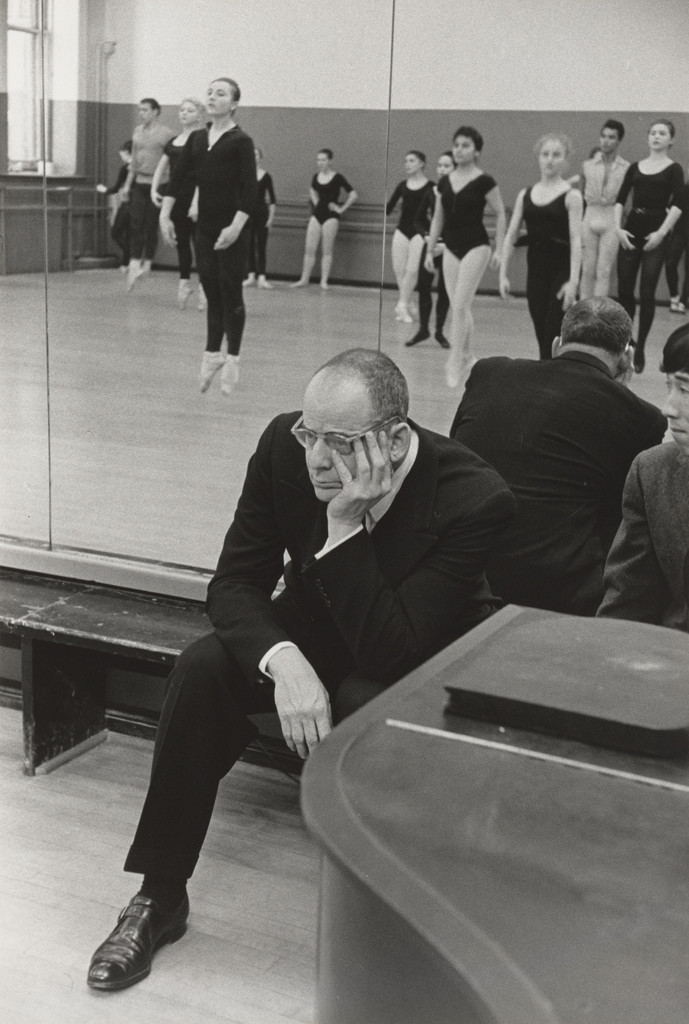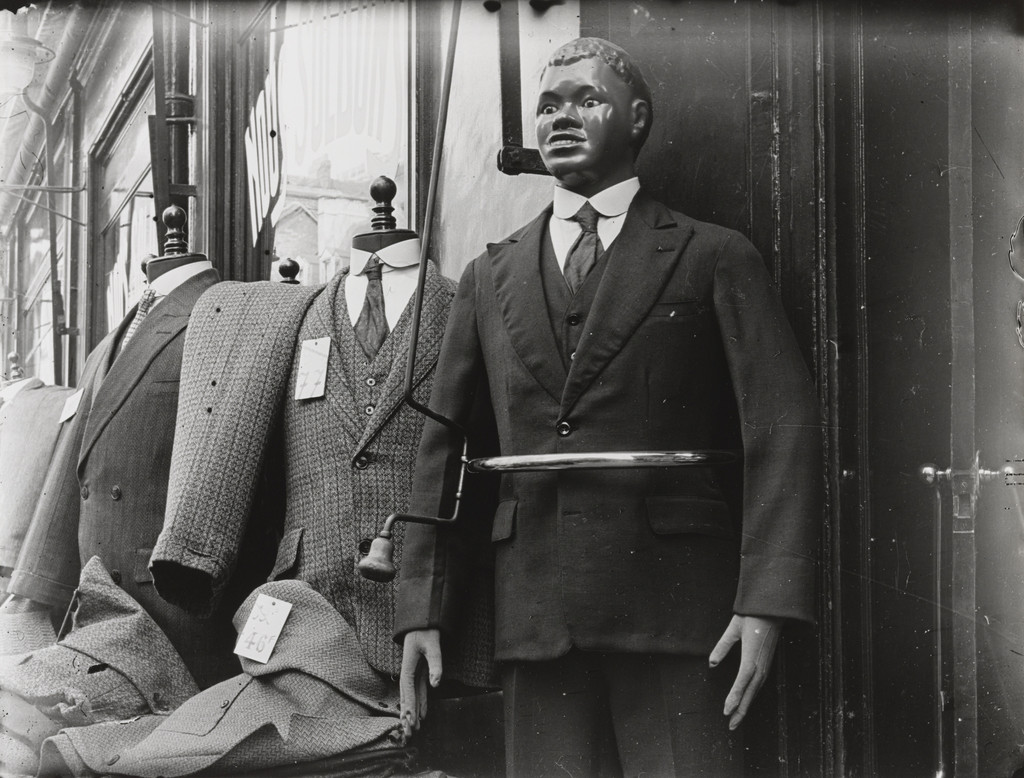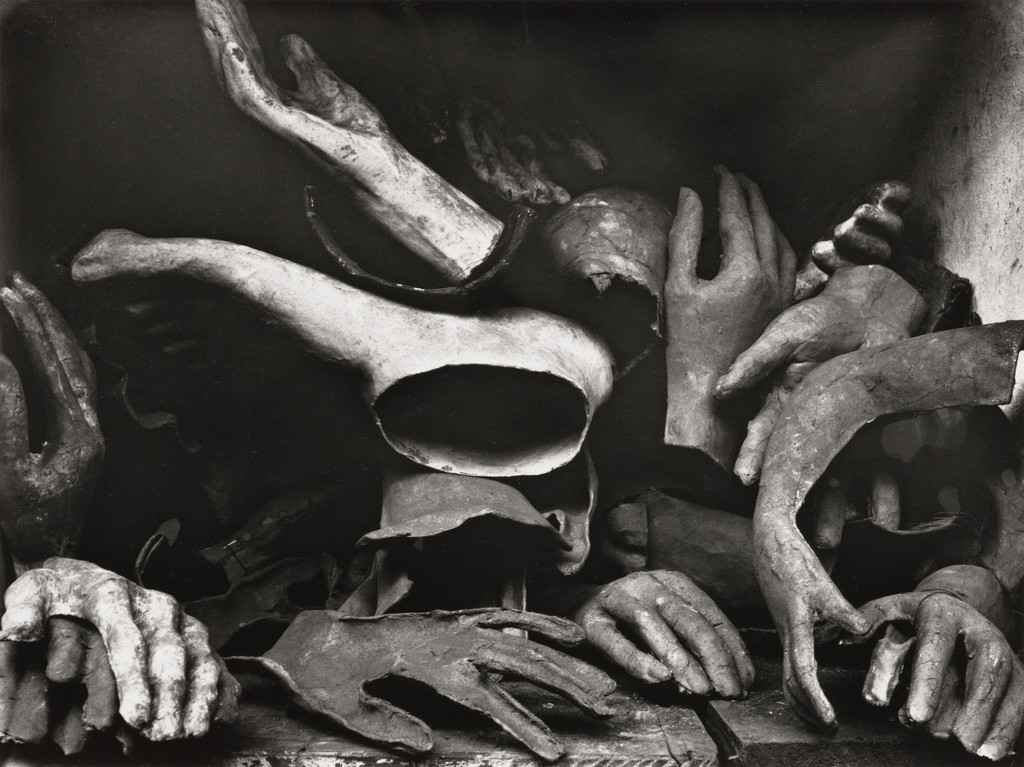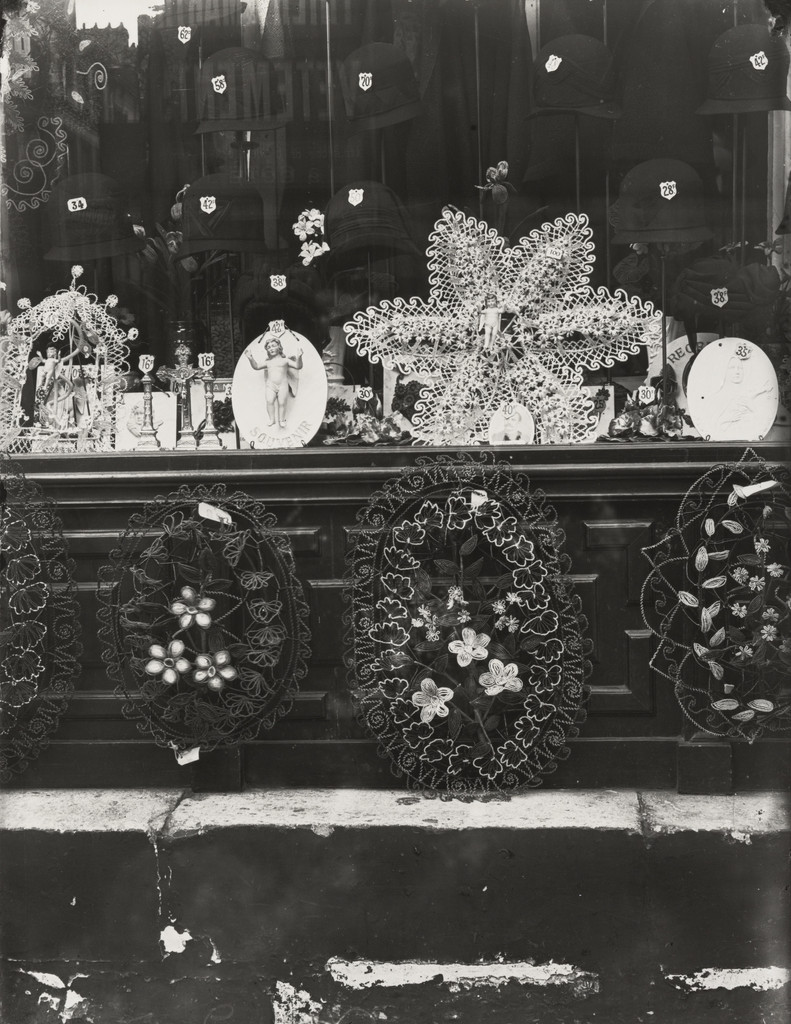
 Henri Cartier-BressonFrench, 1908–2004
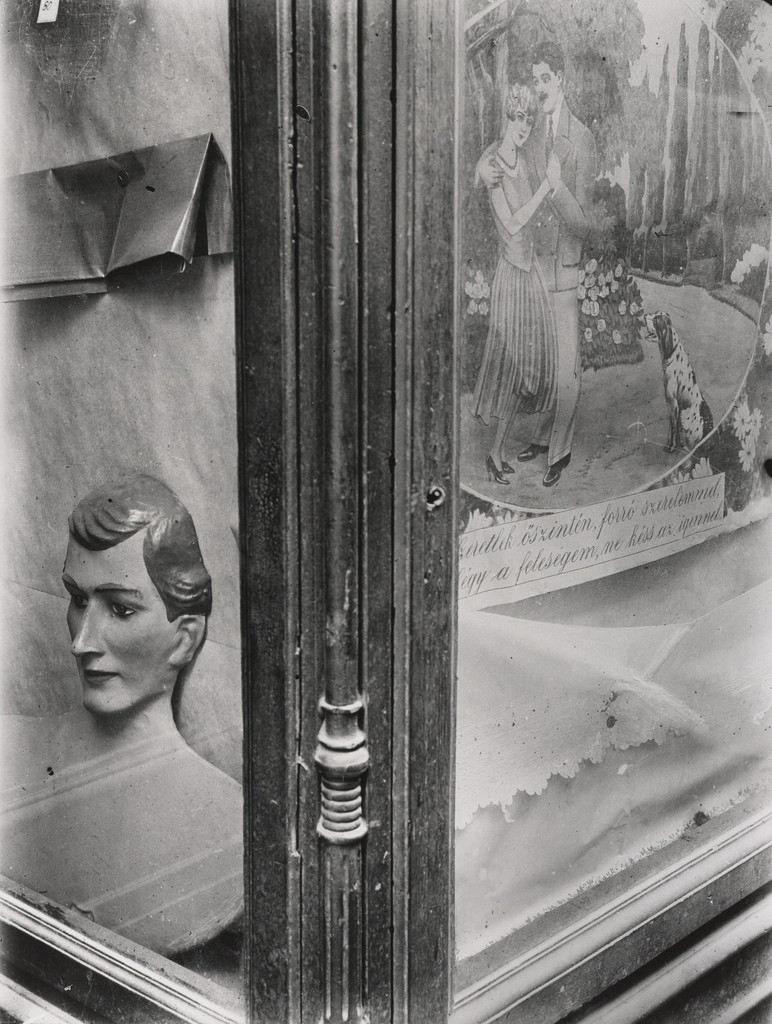
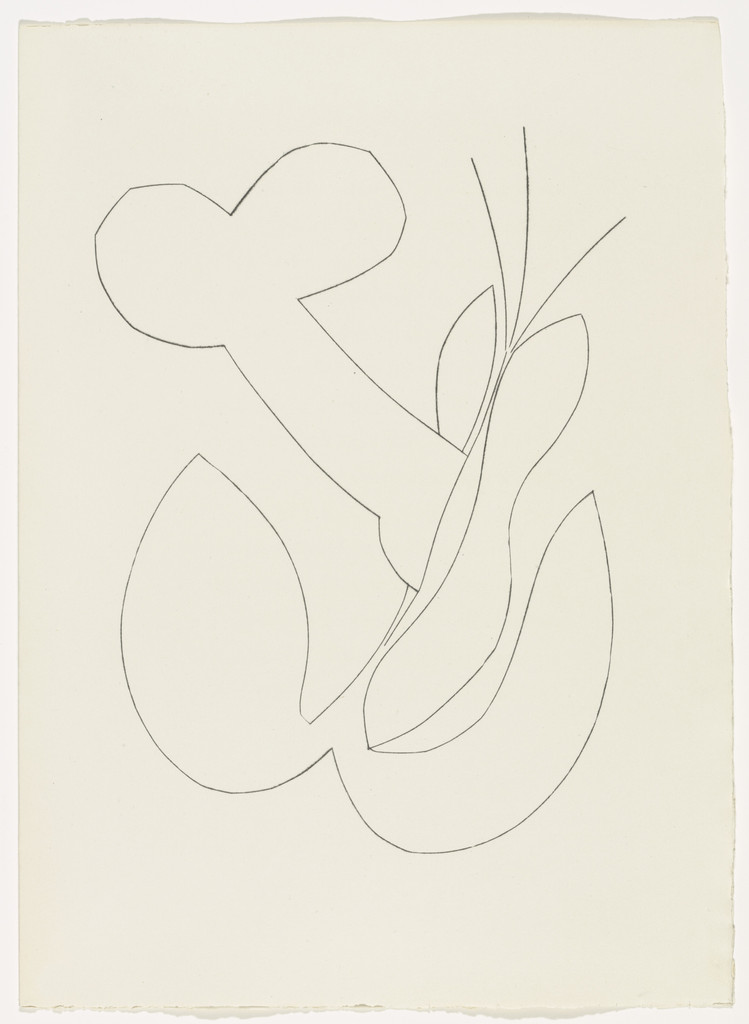
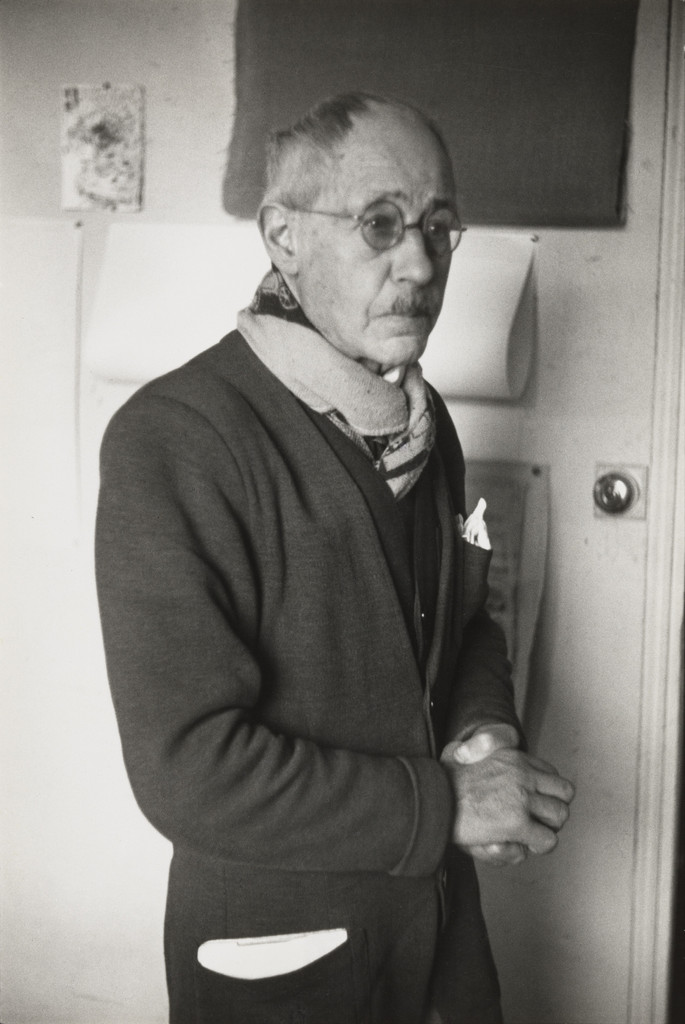
Pierre Bonnard
Can I see it?
Not on view at present
Where is “Pierre Bonnard” now? Collection: The Museum of Modern Art, New York. Not on view at present. Checked September 22, 2026.

New York, United States
It belongs to the collection, but is not on display at present.
- Checked
- Source
- The museum
Details
- Accession number
- 587.1990
In the catalog
Sources
- The Museum of Modern Art
- Image: The Museum of Modern Art — © the artist or rights holder
In the life of Henri Cartier-Bresson
The whole lifec. 1943
The third escape succeeds: a farm in Touraine
He twice tried to escape the camp and failed, and was punished with solitary confinement; the third attempt succeeded — he hid on a farm in Touraine and obtained false papers that let him travel in France.
1943
He digs up the Leica buried in the Vosges
In 1943 he dug up his beloved Leica, which he had buried in Vosges farmland.
1943–1944
In the underground: helping escapees and photographing the occupation
In France he worked for the underground, helping other escapees and secretly working with other photographers to cover the occupation and then the liberation of France.
1944
The liberation of Paris and portraits of Matisse and Camus
In 1944 he photographed the liberation of Paris and made portraits of Henri Matisse, Albert Camus, and Irène and Frédéric Joliot-Curie.
1944–1945
The film “Le Retour” on returning prisoners
At the end of the war the American Office of War Information asked him to make a documentary, “Le Retour” (“The Return”), about returning French prisoners and displaced persons.
1946–1947
Portraits of Valéry, Faulkner and Capote
In 1946–1947 he photographed Paul Valéry (1946), William Faulkner and Truman Capote (1947).