
 Anthony van DyckFlemish, 1599–1641
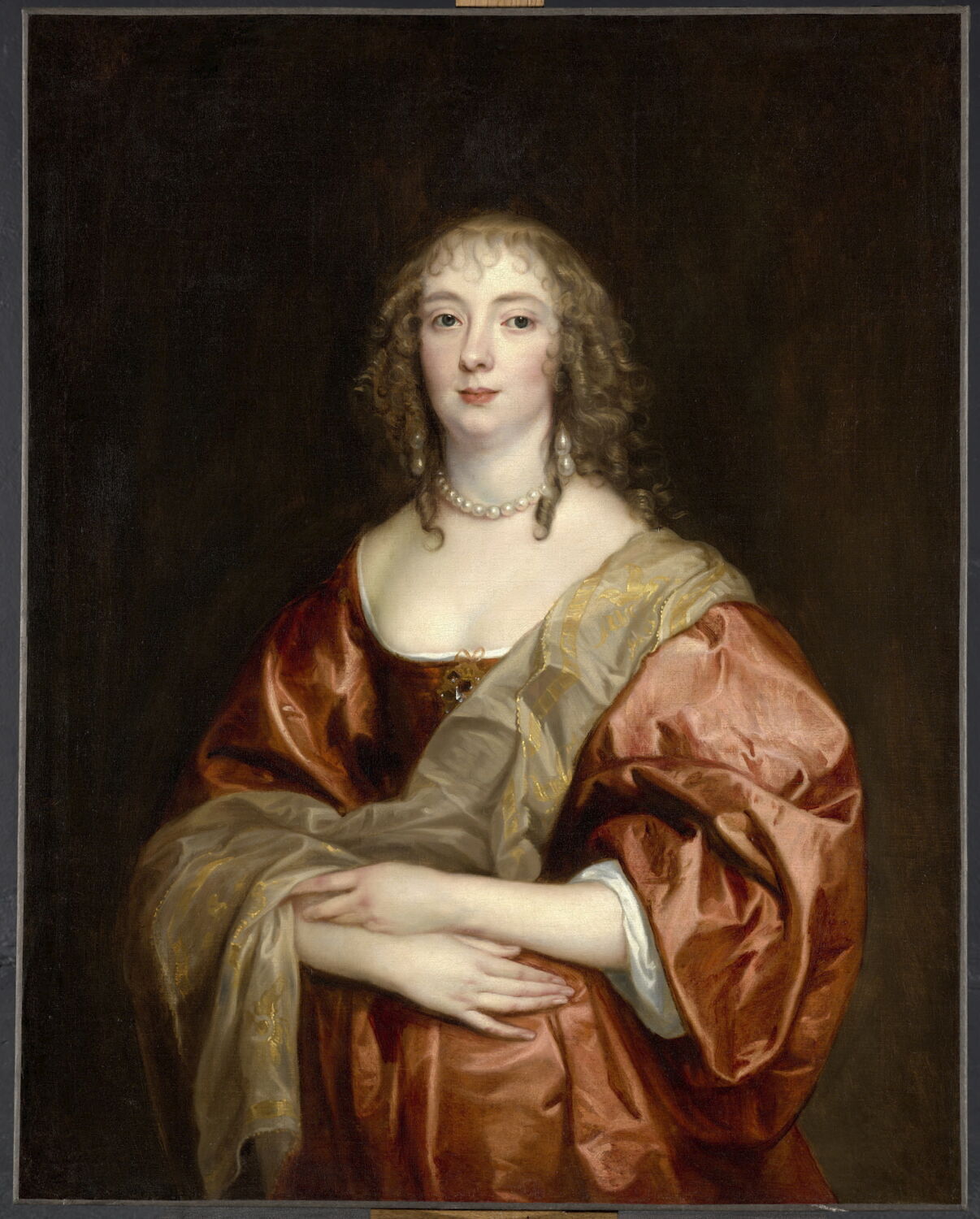
Philip, Lord Wharton
May one see it?
Yes, receiving visitors

National Gallery of Art
Room43 · West Building, Main FloorWashington, D.C., United States
On public display.
- Checked
- 4 days ago
- In this state since
- Sep 29, 2026
- Source
- The museum's own collection data
Particulars
- Accession number
- 1937.1.50
What it shows
In the catalog
Comings and goings
On view · Gallery 43 · West Building, Main Floor
National Gallery of Art · Sep 29, 2026 — now · Verified
Was on view · Gallery 43 · West Building, Main Floor
National Gallery of Art · Sep 29, 2026 — Sep 29, 2026 · Verified
Was on view · Gallery 43 · West Building, Main Floor
State Hermitage Museum · Sep 27, 2026 — Sep 29, 2026 · Verified
Was on view · Gallery 43 · West Building, Main Floor
National Gallery of Art · Aug 30, 2026 — Sep 27, 2026 · Verified
Sources
- State Hermitage Museum: the museum's own open data · fetched 4 days ago
- Image: National Gallery of Art — Museum open access
Meanwhile, in the life of Anthony van Dyck
The whole life1626–1632
The Iconography Print Series
After returning to Antwerp, Van Dyck conceived a large series of engraved portraits of his contemporaries, the Iconography; he etched eighteen plates himself, executing the preparatory drawings mainly between 1626 and 1633. The first edition (80 plates) appeared in Antwerp in 1632.
by 1630
Court Painter to Archduchess Isabella
From 1630 Van Dyck was court painter to Archduchess Isabella Clara Eugenia of Habsburg, regent of the Spanish Netherlands; for her portrait he received a gold chain.
September 1631
Marie de' Medici Visits His Studio
In September 1631 Van Dyck received in his studio the exiled Queen of France, Marie de' Medici, with her son Gaston d'Orléans, and painted their portraits; the queen noted in her memoirs his collection of works by Titian.
1632 · Workplace
London
1632
Post: court painter
5 July 1632
Principal Painter to King Charles I
On 5 July 1632 Charles I officially appointed Van Dyck principal painter to the king, guaranteeing an annual income of two hundred pounds sterling; the king gave him a large house with a garden on the banks of the Thames.




![Scenes from the Passion of Christ: The Descent into Limbo [right panel], Andrea Vanni, 1380s](https://api.nga.gov/iiif/4205a539-eadd-4486-89a7-3cff9c1ba428/full/!2400,2400/0/default.jpg)


