 Arkhip KuindzhiUkrainian, 1842–1910
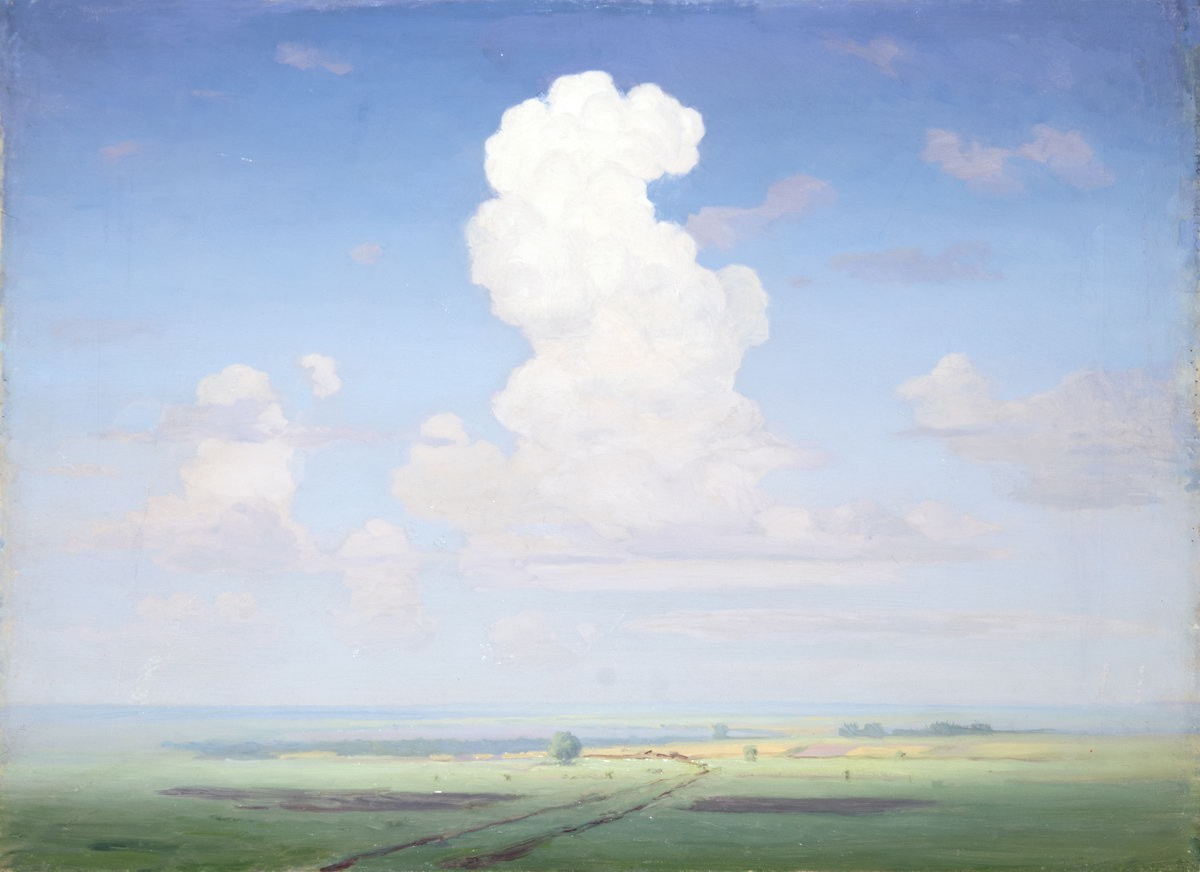
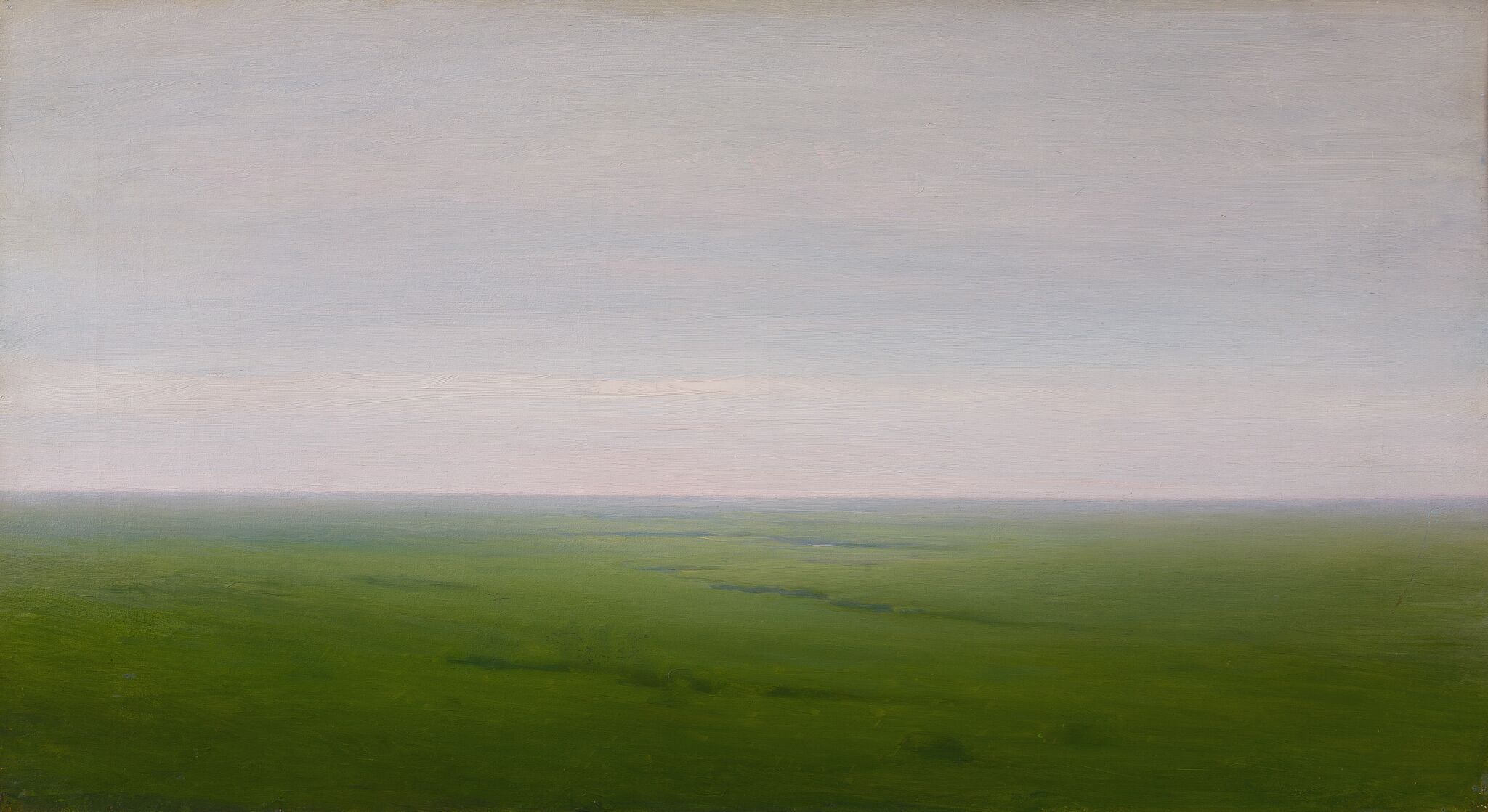
Пейзаж. Степь
Can I see it?
Unknown
Where is “Пейзаж. Степь” now? Collection: Tretyakov Gallery, Moscow. Unknown.

Moscow, Russia
The owner is known; whether it is on view today is not.
- Source
- The museum
About the painting
Museum text in Russian
Картина «Пейзаж. Степь» создавалась Архипом Куинджи в период так называемого «затворничества», который начался после последней персональной выставки художника в 1882 году и длился до конца его жизни. Куинджи по ведомым только ему причинам полностью прекратил выставочную деятельность, продажу работ и их демонстрацию даже близкому окружению. К 1890-м годам окончательно укоренилось общественное мнение, что он перестал заниматься живописью. На самом деле, Куинджи продолжал оставаться художником, неуспокоенным и увлеченным. Более 500 пейзажей, созданных за эти годы втайне от всех, отражают его смелые эксперименты в области цвета, формы и пространства.
Read on
Небольшая по формату картина «Пейзаж. Степь» — одна из самых новаторских в позднем творчестве Куинджи. Художник сосредоточил все внимание на цвете, свете и пространстве, предельно обобщил формы и отказался от деталей. Оригинальная точка зрения, взятая с высоты птичьего полета, позволила достичь впечатления свободного полета над земной ширью. По словам критика Михаила Неведомского, в этот период творчества Куинджи из «певца широких горизонтов» превратился в «певца Космоса». Планомерно развивая свою главную тему — изображение необъятных природных просторов, художник сумел приблизиться к категории пустоты – новому понятию, еще не постигнутому в то время русской пейзажной школой. Как гений-изобретатель, он раздвинул принятые границы пейзажной живописи, открыв путь к неведомым горизонтам.
«Пейзаж. Степь» — одно из немногих произведений позднего периода творчества Куинджи, которое хранится в Государственной Третьяковской галерее.
Tretyakov Gallery
Details
- Accession number
- Ж-1451
In the catalog
Sources
- Tretyakov Gallery
- Image: Tretyakov Gallery — © State Tretyakov Gallery
In the life of Arkhip Kuindzhi
The whole life1882–1901
Twenty years of seclusion
The reasons for the seclusion are unknown; he was probably tired of the fuss and of accusations of cheap effects. The public thought he had exhausted himself, but he worked tirelessly, searching for pigments and grounds resistant to the air, and created about five hundred sketches and finished works and about three hundred graphic works.
1888
To the Caucasus with Yaroshenko: the Brocken spectre
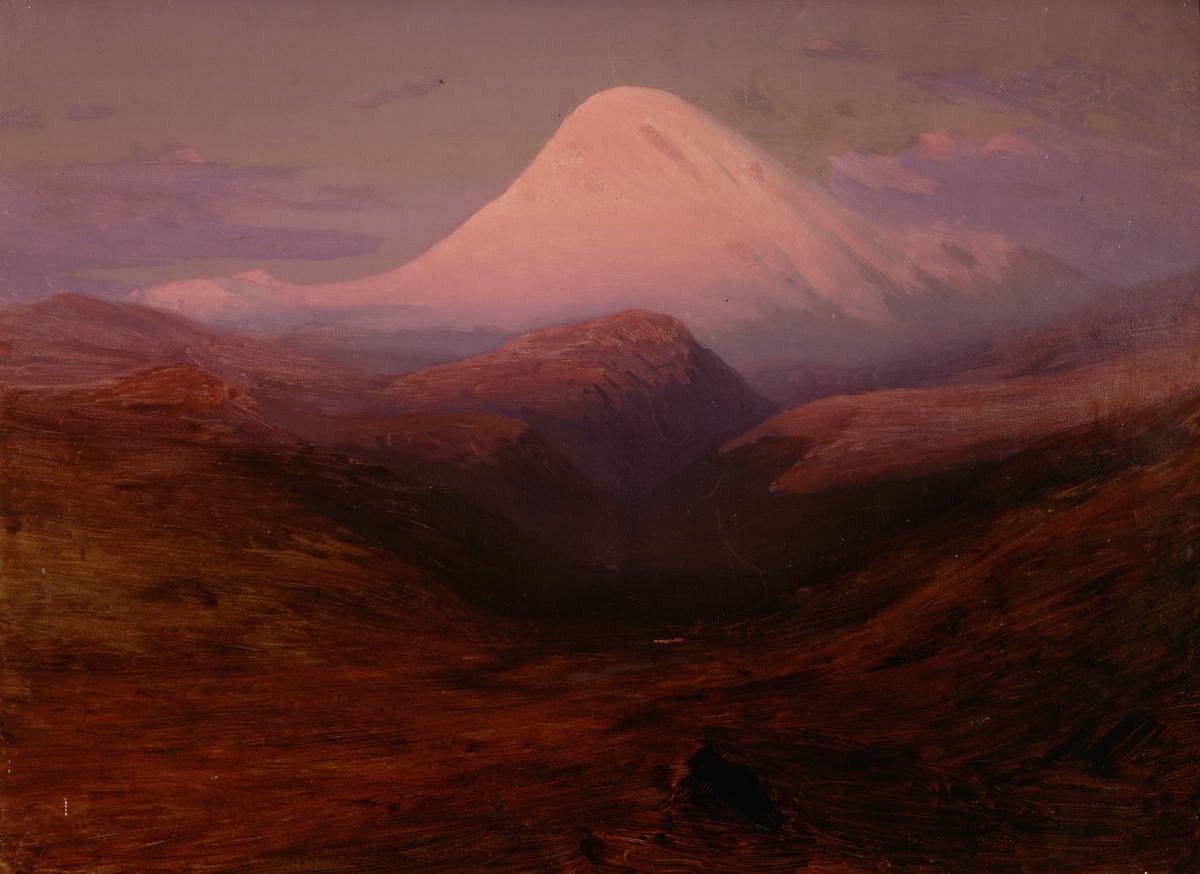
In 1888, at the invitation of Nikolai Yaroshenko, Kuindzhi visited the Caucasus, where they witnessed the very rare mountain phenomenon of the Brocken spectre. Inspired by the trip, he painted a series of mountain landscapes in which the Caucasus is a symbol of an ideal, unattainable land; some researchers think they inspired Roerich’s Himalayan landscapes.
1891
Buys an apartment house on Vasilievsky Island
When fame came to Kuindzhi and his paintings were bought for large sums, in 1891 he acquired an apartment house on Vasilievsky Island and drew a profit from it for the rest of his life. He and his wife lived very modestly, and he gave most of his fees and profits to charity.
1892–1893
Professor and full member of the Academy
In 1892 Kuindzhi became a professor at the Imperial Academy of Arts and in 1893 its full member (under the new statute).
1894–1897
Heads the landscape studio of the Higher Art School
From 1894 to 1897 Kuindzhi was professor-head of the landscape studio of the Higher Art School at the Academy of Arts.
1897
Dismissed for supporting his students’ protests
In 1897 Kuindzhi was dismissed from the Academy for supporting the students’ protests.