ART WIKI32,979 on view
MapCollectionArtistsMuseumsExhibitionsJournal
Sign in

ART WIKI

Where the masterpiece hangs, and when they let you in.

Collections: Art Institute of Chicago, Getty Villa, Harvard Art Museums, Hirshhorn Museum and Sculpture Garden, J. Paul Getty Museum, Minneapolis Institute of Art, Musée du Louvre, National Gallery of Art, National Museum of Asian Art, National Portrait Gallery (Smithsonian), Pushkin State Museum of Fine Arts, Rijksmuseum, Smithsonian American Art Museum, SMK — National Gallery of Denmark, State Hermitage Museum, State Russian Museum, The Cleveland Museum of Art, The Metropolitan Museum of Art, The Museum of Modern Art, Tretyakov Gallery, Victoria and Albert Museum, Whitney Museum of American Art, State Catalogue of the Museum Fund of Russia (274 museums), Europeana (19 museums), Wikidata (6 museums), Paris Musées (12 museums), and Joconde, the French Ministry of Culture's museum database (495 museums). Images belong to their rights holders.

Sections

  • Map
  • Search
  • Collection
  • Masterpieces
  • On view now
  • Artists

More

  • Museums & galleries
  • Exhibitions
  • Journal
  • Where the data comes from
  • Privacy & cookies
HomeMapBrowse
  1. Collection/
  2. Herzog Anton Ulrich Museum/
  3. Papst
Papst, Wenceslaus Hollar, 1651–1680
Wenceslaus Hollar, portraitWenceslaus HollarCzech, English, 1607–1677

Papst

1651–1680 · Print

May one see it?

Unknown

Herzog Anton Ulrich Museum

Braunschweig, Germany

The owner is known; whether it is on view today is not.

In this state since
Sep 27, 2026
Source
The museum
On the mapMuseum page

Particulars

Meanwhile, in the life of Wenceslaus Hollar

The whole life
  1. 1646–1652

    Works in Antwerp during the Civil Wars

    During the unrest of the Civil Wars he works in Antwerp, where he produces many of his most renowned works: Dutch cityscapes, seascapes, depictions of nature, his “muffs” and “shells”.

  2. 1652

    Returns to London

    In 1652 he returns to London and lives for a time with the engraver William Faithorne near Temple Bar.

  3. after 1654

    Loses his young son to the plague

    His young son, who was reputed to have artistic ability, dies of the plague.

  4. 1668

    The king sends him to Tangier

    In 1668 the king sends him to Tangier to draw the town and its forts. The success of his “Views of London”, made after the Great Fire, and of other cityscapes such as the 1649 Great View of Prague may have prompted the commission.

  5. c. 1669

    A sea battle on the voyage home from Tangier

    His ship, the Mary Rose, under Captain John Kempthorne, fights a desperate and successful engagement against seven Algerian men-of-war; Hollar etches the battle for Ogilby’s “Africa”, published in 1670.

  6. 25 March 1677

    Died

More by Wenceslaus Hollar

All works

From the collection of Herzog Anton Ulrich Museum

Museum page

On the same theme · Kugel (als Symbol der obersten Gewalt

All works on the theme

What it shows

Kugel (als Symbol der obersten GewaltMit einem Kreuz bekrönt)KardinalDer Tod als SkelettPapstThronKrone (als Symbol der obersten Gewalt)TotentanzDer Tod tanzt mit einem oder mehreren MenschenKrönung eines HerrschersWürdenträger mit Höheren Weihen in der römisch-katholischen KircheAllegoryKrönung

In the catalog

PrintsBaroque17th century

Sources

  • Herzog Anton Ulrich Museum
  • Image: Herzog Anton Ulrich Museum — CC BY-NC-SA 4.0
Bride, from "Dance of Death", Wenceslaus Hollar, [1651] late 18th century printing

Bride, from "Dance of Death"

[1651] late 18th century printing · The Metropolitan Museum of Art

Thomas Wentworth, First Earl of Stafford, Wenceslaus Hollar

Thomas Wentworth, First Earl of Stafford

Not on view · National Gallery of Art

Lady Catherine Howard, Wenceslaus Hollar

Lady Catherine Howard

Not on view · National Gallery of Art

Sir John Wildman, Wenceslaus Hollar

Sir John Wildman

Not on view · National Gallery of Art

Venus, Wenceslaus Hollar

Venus

Not on view · National Gallery of Art

Thomas Howard, Earl of Arundel, Wenceslaus Hollar

Thomas Howard, Earl of Arundel

Not on view · National Gallery of Art

View of Antwerp, Wenceslaus Hollar

View of Antwerp

Not on view · National Gallery of Art

Francis Bacon in a Niche, Wenceslaus Hollar

Francis Bacon in a Niche

Not on view · National Gallery of Art

Portrait d'Adolphe de Vignacourt Grand Maître de Malthe, Caravaggio, 1704–1755

Caravaggio

Portrait d'Adolphe de Vignacourt Grand Maître de Malthe, 1704–1755

Ecce Homo, Caravaggio, 1674–1684

Caravaggio

Ecce Homo, 1674–1684

Heiliger Hieronymus, Caravaggio

Caravaggio

Heiliger Hieronymus

Bildnis eines Mannes, Rembrandt, 1839–1850

Rembrandt van Rijn

Bildnis eines Mannes, 1839–1850

Bildnis einer Frau, Rembrandt, 1839–1850

Rembrandt van Rijn

Bildnis einer Frau, 1839–1850

Tobias und seine Frau, Rembrandt, 1773

Rembrandt van Rijn

Tobias und seine Frau, 1773

Tobias und seine Frau, Rembrandt, 1773

Rembrandt van Rijn

Tobias und seine Frau, 1773

Lot mit seinen Töchtern, Rembrandt, 1771

Rembrandt van Rijn

Lot mit seinen Töchtern, 1771

Das Reichswappen, Urs Graf senior, 1505–1528

Urs Graf

Das Reichswappen, 1505–1528

Herzog Anton Ulrich Museum

[Das Christuskind; The Christ Child], Cornelis Schut, 1617–1655

Cornelis Schut

[Das Christuskind; The Christ Child], 1617–1655

Herzog Anton Ulrich Museum

Wilhelmus III. [Wilhelm III. von England], Jacob Gole, 1680–1737

Jacob Gole

Wilhelmus III. [Wilhelm III. von England], 1680–1737

Herzog Anton Ulrich Museum

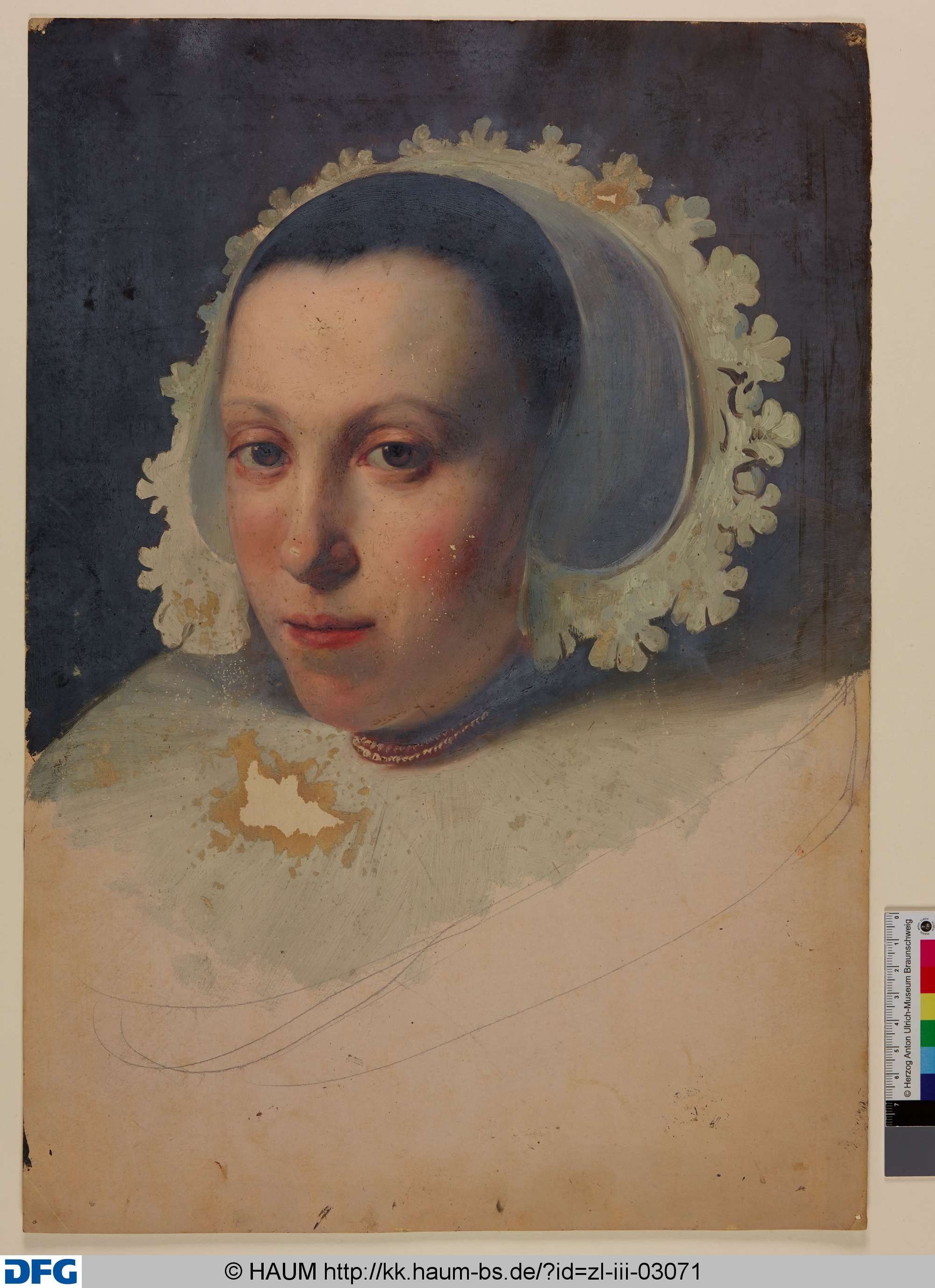
Bildnis eines Fürsten, 16th century

Bildnis eines Fürsten, 16th century

Herzog Anton Ulrich Museum

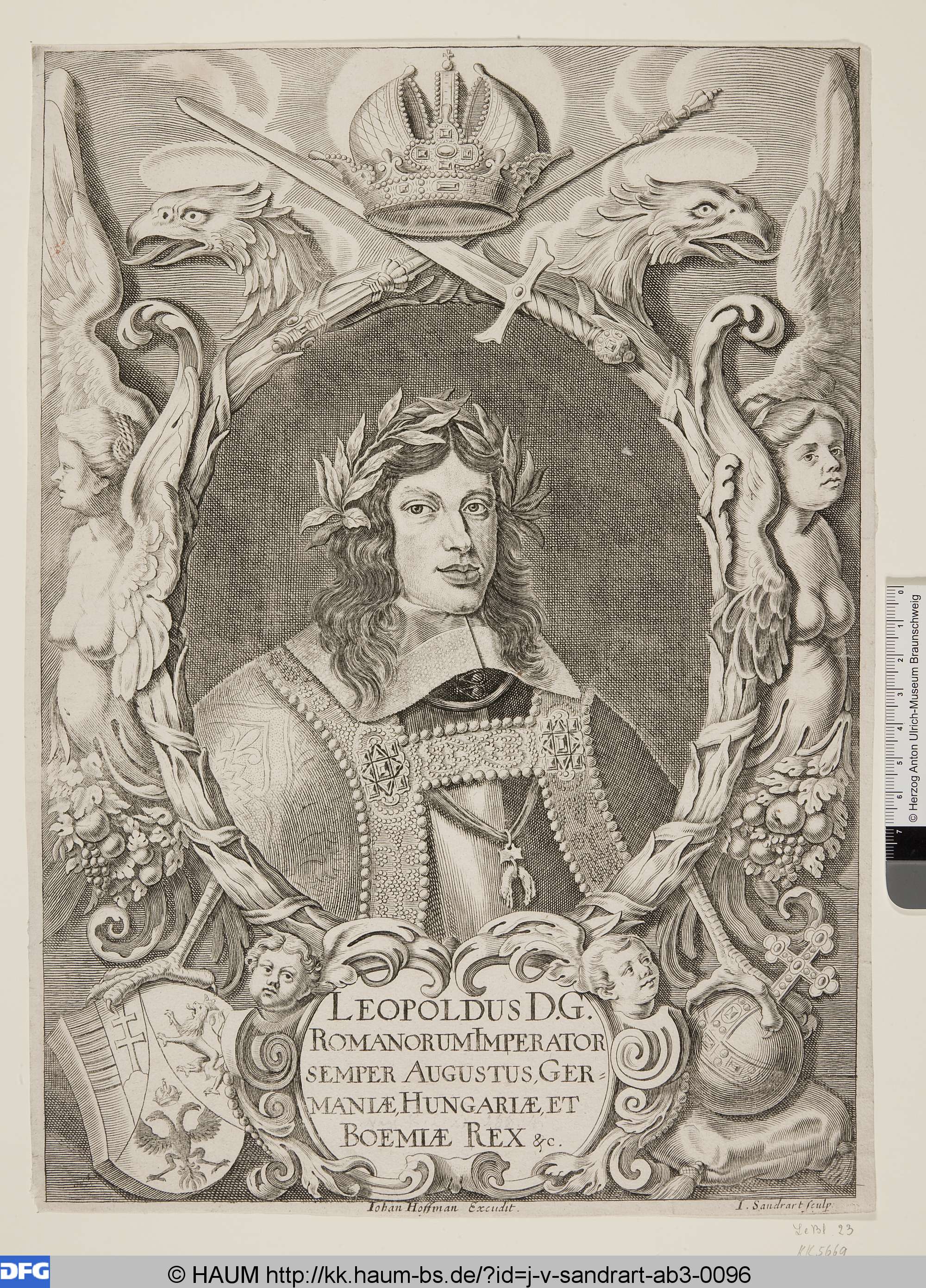
Leopold I, Jakob von Sandrart, 1650–1708

Jakob von Sandrart

Leopold I, 1650–1708

Herzog Anton Ulrich Museum

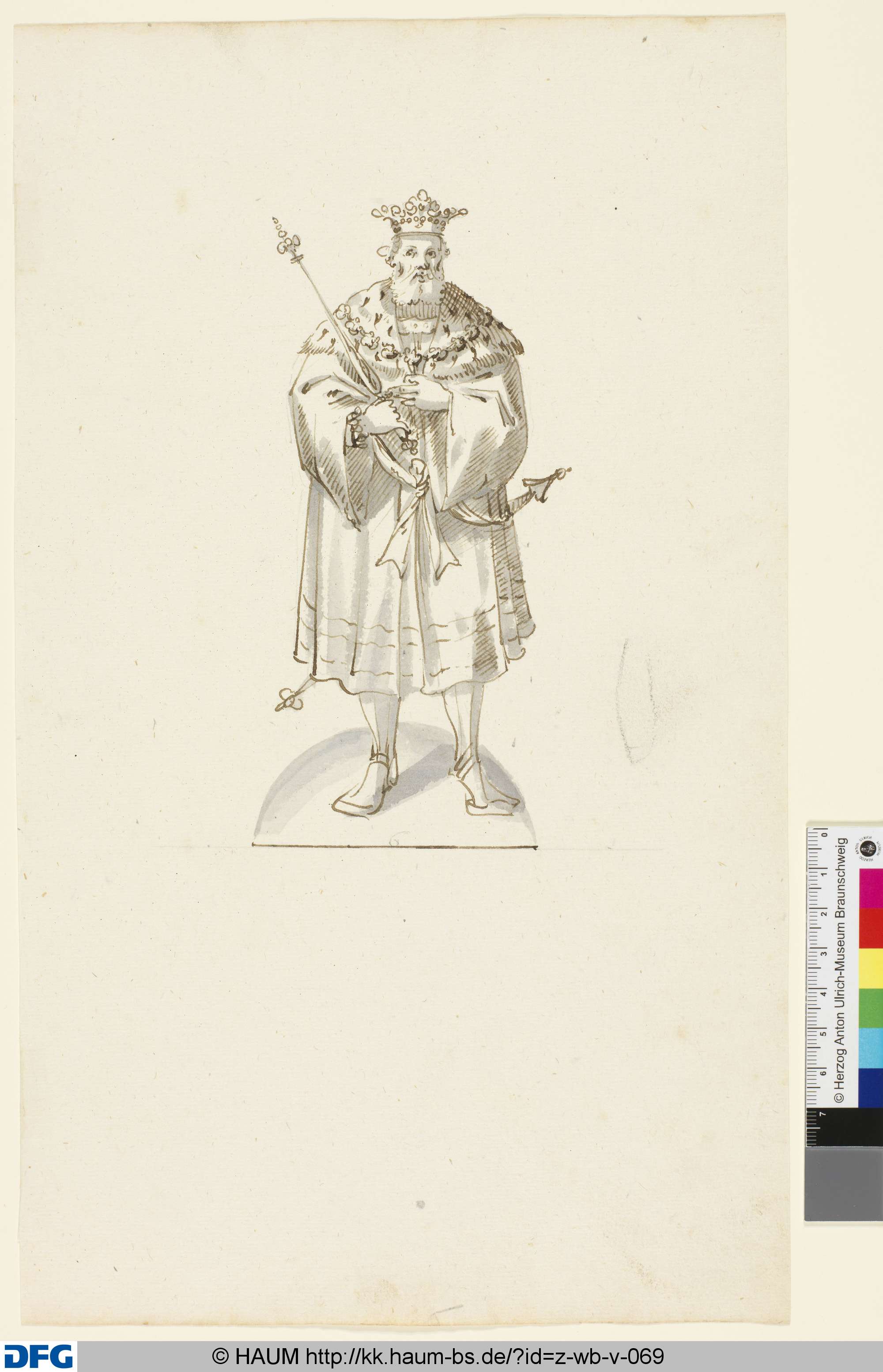
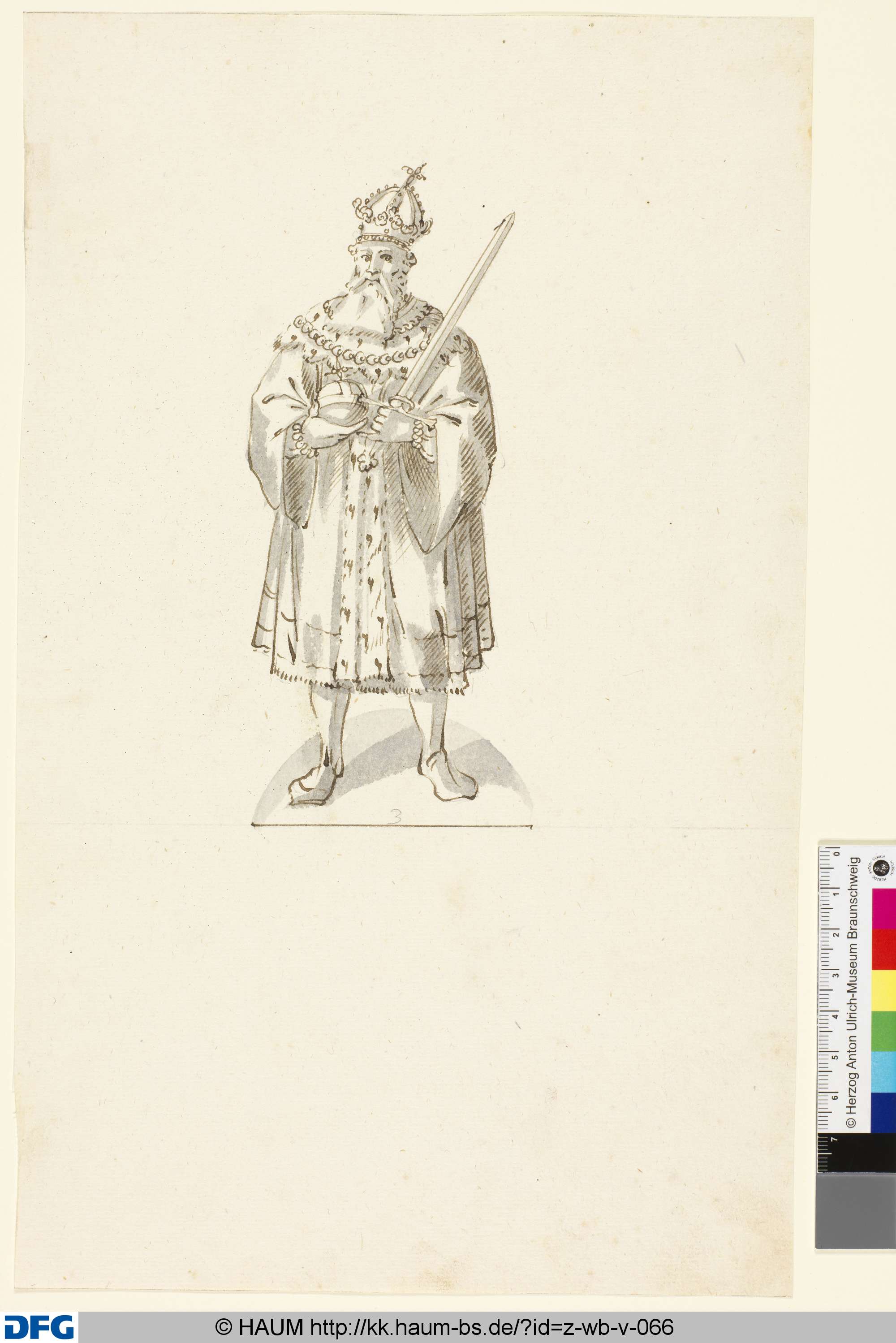
Bildnis eines Fürsten, 16th century

Bildnis eines Fürsten, 16th century

Herzog Anton Ulrich Museum

'Il fuoco eterno', Titelblatt: Phoenix mit Spes und Aeternitas, Lodovico Ottavio Burnacini, 1641–1681

Lodovico Ottavio Burnacini

'Il fuoco eterno', Titelblatt: Phoenix mit Spes und Aeternitas, 1641–1681

Herzog Anton Ulrich Museum

Leopold I, Jakob von Sandrart, 1650–1698

Jakob von Sandrart

Leopold I, 1650–1698

Herzog Anton Ulrich Museum