 El LissitzkyRussian, 1890–1941
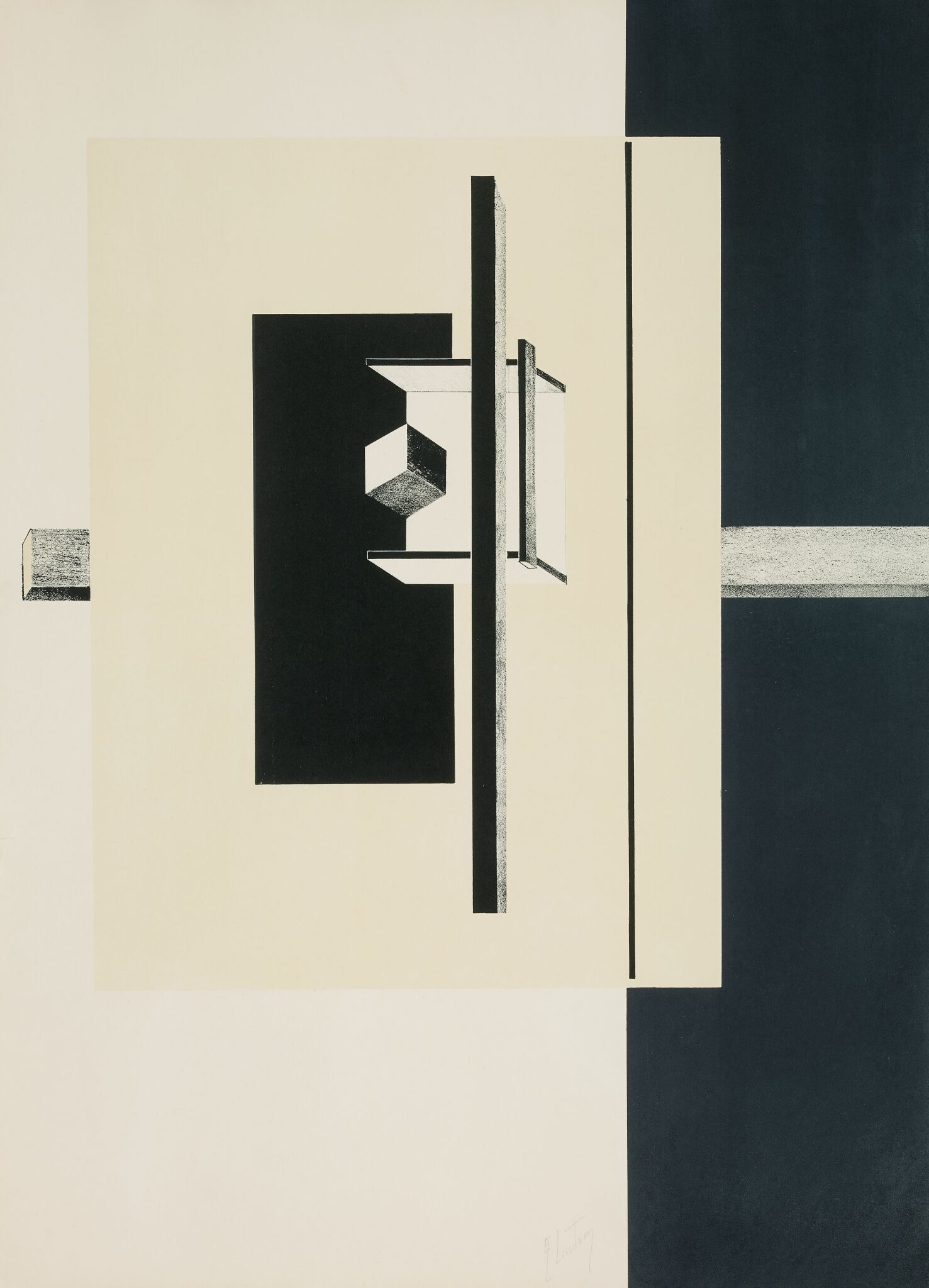
Папка проунов (Kestnermappe)
Can I see it?
Unknown
Where is “Папка проунов (Kestnermappe)” now? Collection: Tretyakov Gallery, Moscow. Unknown.

Moscow, Russia
The owner is known; whether it is on view today is not.
- In this state since
- Source
- The museum
About the work
Museum text in Russian
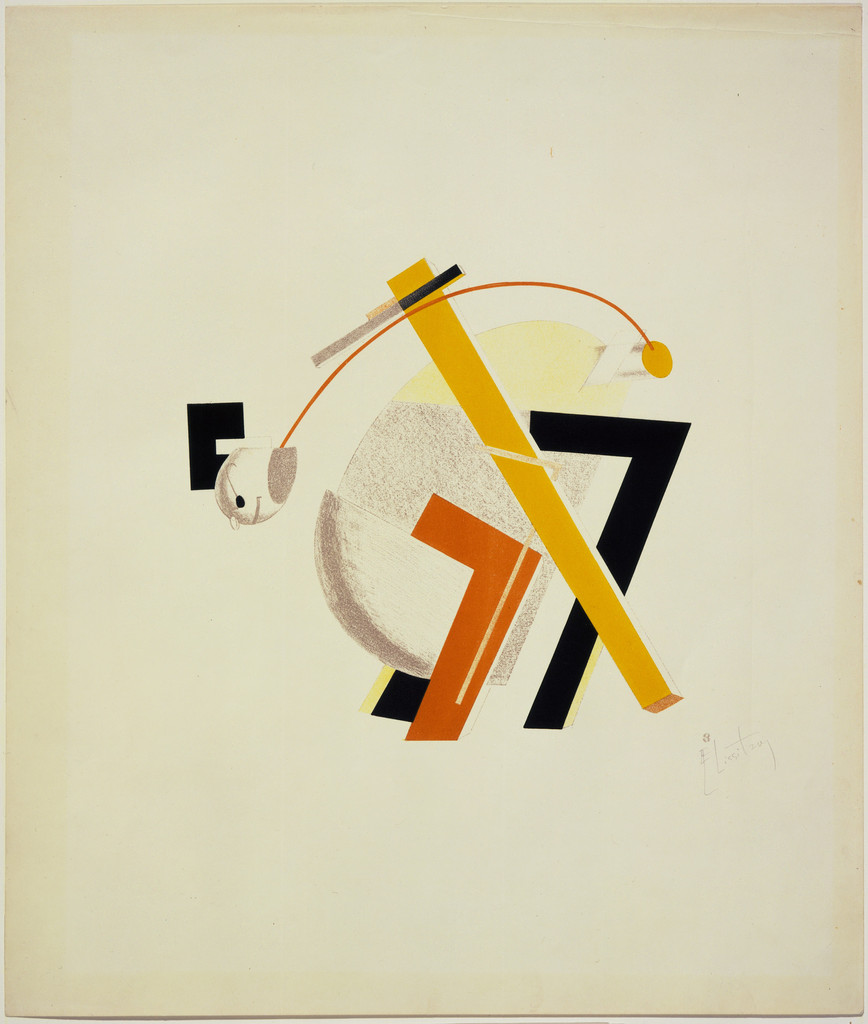
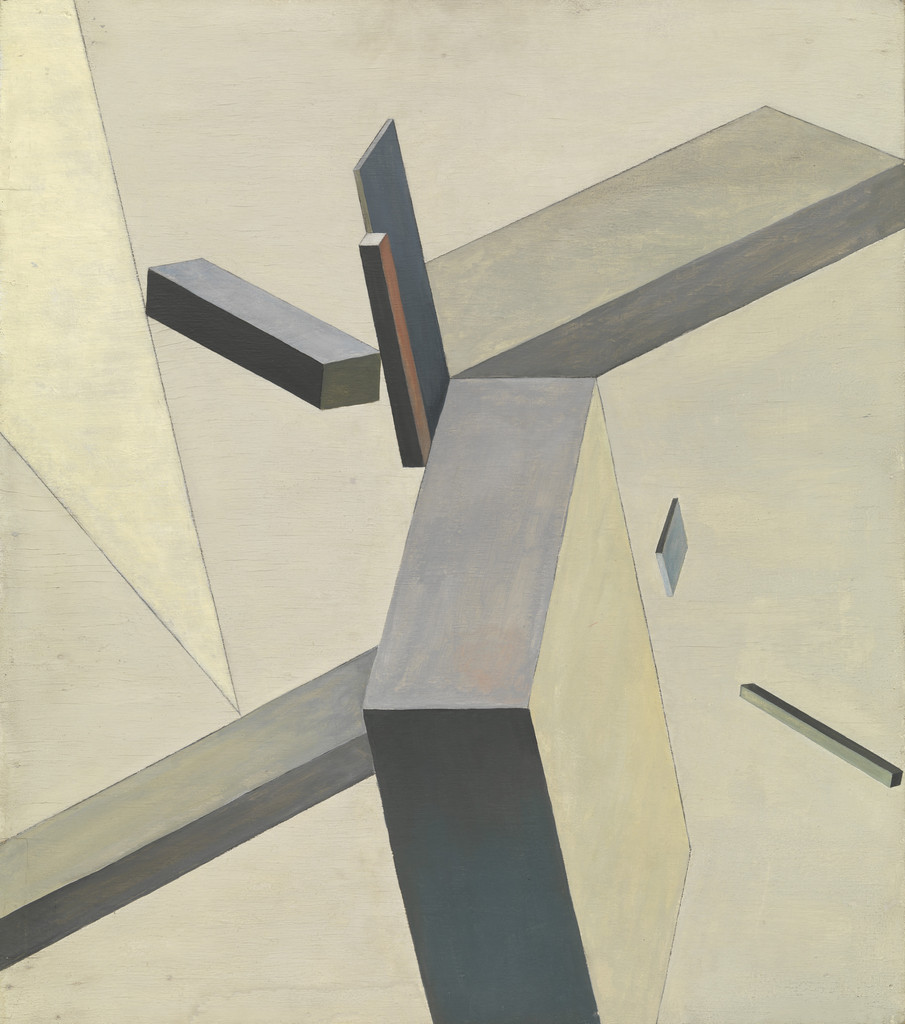
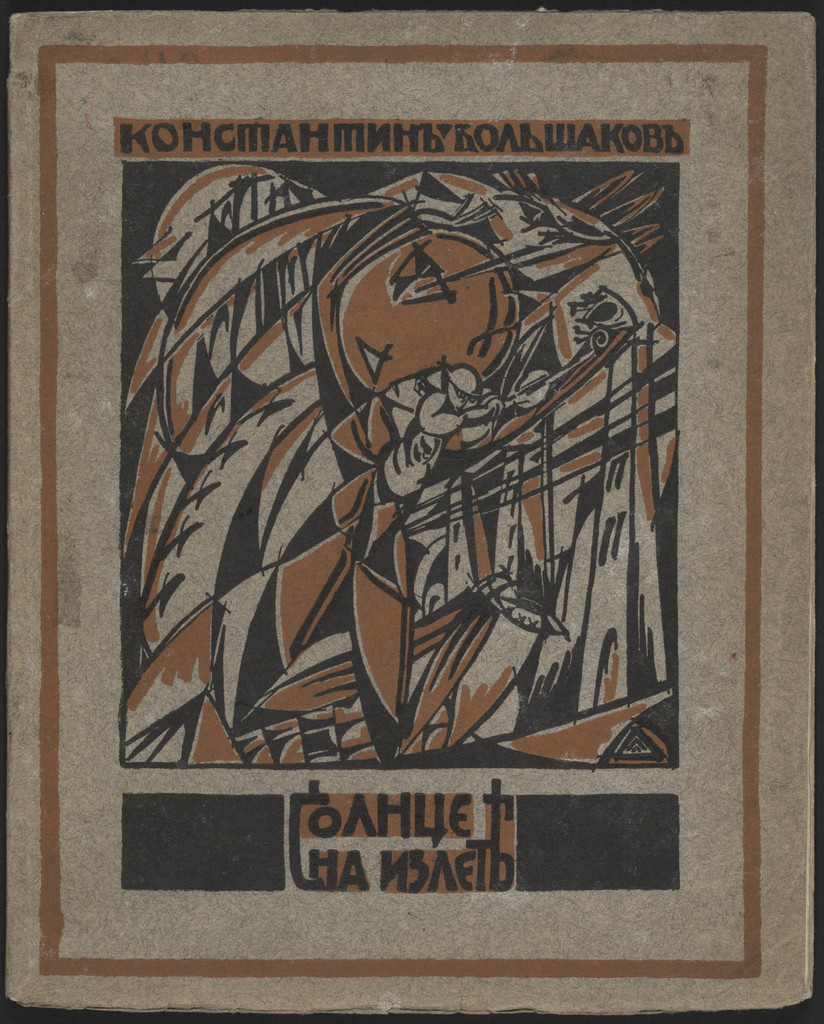
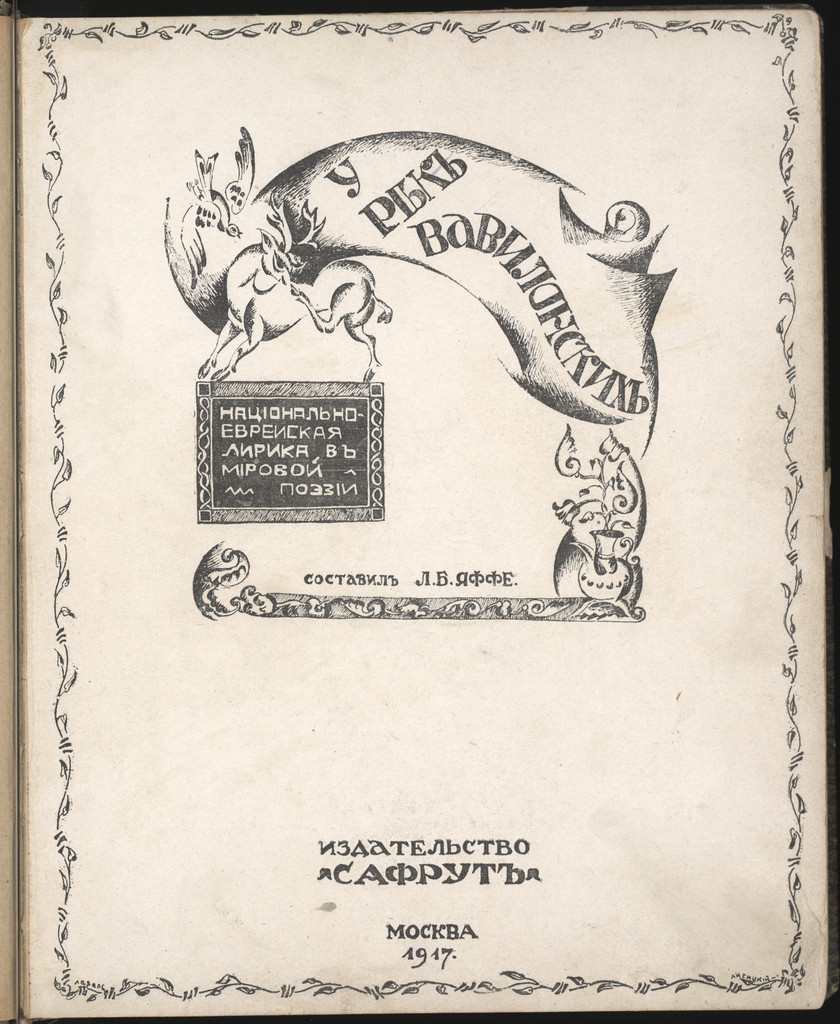
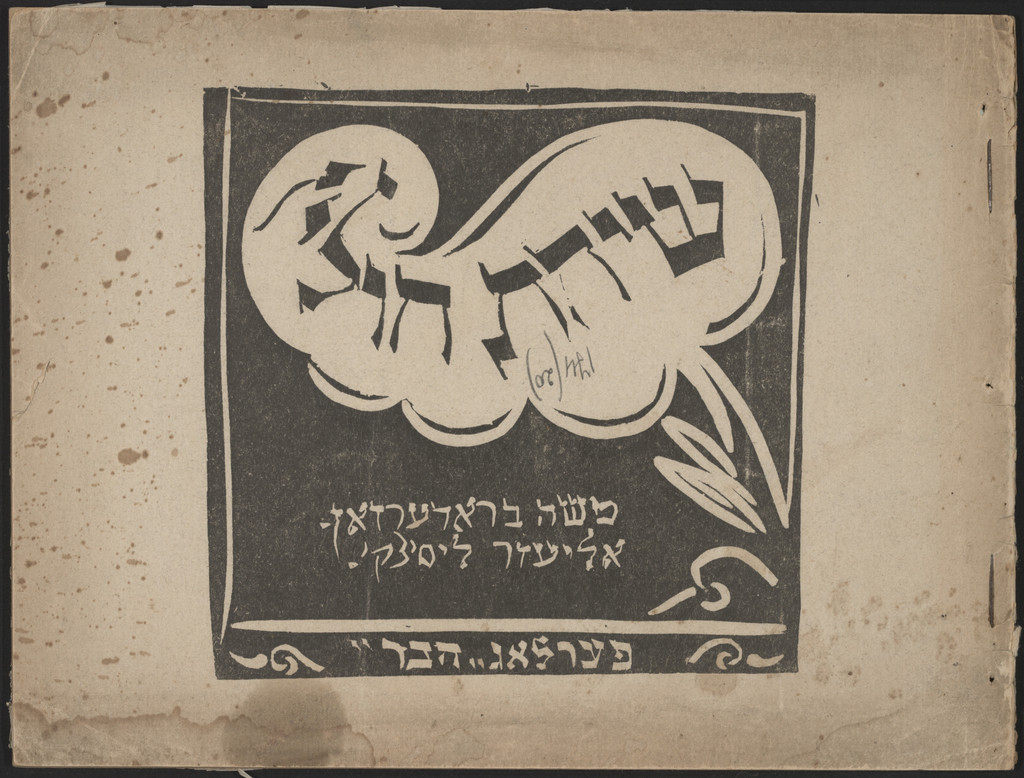
Осенью 1922 года Лисицкий познакомился с Софи Кюпперс, тесно связанной с Обществом Кёстнера (ее муж, умерший несколькими месяцами ранее, в течение 6 лет возглавлял художественную галерею Общества) ‒ организацией, занимавшейся поддержкой культуры и искусства в Ганновере. Общество устраивало выставки, спектакли, творческие вечера, печатало каталоги. Благодаря рекомендации Софи, на которую работы русского художника произвели сильное впечатление (впоследствии она стала его женой), Лисицкий получал поддержку от Общества в самых разных формах: Общество Кёстнера предоставило ему мастерскую для работы, устроило персональную выставку и заказало папку литографий. Эта папка-портфолио была отпечатана в количестве 50 экземпляров и состояла из 6 литографий проунов (в комплекте, принадлежащем Третьяковской галерее, отсутствует один лист), обложки и титульного листа.
Read on
На титульном листе Лисицкий поместил краткий комментарий: «Эти работы ‒ ПРОУНЫ ‒ были созданы в 1919‒1923. Москва, Берлин». Ни один из литографированных проунов не воспроизводил работы 1919 года, но Лисицкому было важно обозначить точку отсчета ‒ момент изобретения им нового направления.
Две литографии имели отношение к Большой Берлинской выставке, прошедшей в мае 1923 г. На ней Лисицкий получил в свое распоряжение небольшое помещение, где смонтировал инсталляцию «Пространство проунов» («Prounenraum»). Один лист из папки представляет собой развертку помещения c изображением инсталляций на стенах, на другом литографирован центральный фрагмент одной из композиций инсталляции. Проун № 1 (ГРС-1471/3) на зарубежных выставках часто экспонировался с названием «Новый человек».
Tretyakov Gallery
Details
- Accession number
- ГРС-1471/6
In the catalog
Sources
- Tretyakov Gallery
- Image: Tretyakov Gallery — © State Tretyakov Gallery
In the life of El Lissitzky
The whole life1920–1921
Moscow: INKhUK, a lecture on the Prouns, VKhUTEMAS
In 1920 Lissitzky leaves Vitebsk for Moscow and becomes a member of INKhUK (the Institute of Artistic Culture, also referred to as GINKhUK); on 23 September 1921 he gives a lecture there about his Prouns. In 1921 he also starts to teach at VKhUTEMAS but soon leaves Moscow for Germany.
1921
Leaving for Germany as a “cultural emissary”
In 1921, as UNOVIS declines and suprematism begins to fracture into a utopian, spiritual half and a utilitarian one, Lissitzky aligns with neither and leaves Vitebsk: he takes a job as a “cultural emissary” of Soviet Russia and moves to Weimar Berlin to establish contacts between Russian and German artists — what exactly he did in this role remains unclear. In 1921–1925 he lives in Germany and Switzerland.
1922
First solo exhibition in Hanover
The year after the publication of his first Proun series in 1921, Kurt Schwitters introduces Lissitzky to the Hanover gallery Kestnergesellschaft, where he holds his first solo exhibition. The second Proun series, printed in Hanover in 1923, is a success.
1923
The Proun Room at the Great Berlin Art Exhibition
In 1923, for the Great Berlin Art Exhibition, Lissitzky transforms a small room (about 3 by 3 by 2.5 m) into a single work of art, the Proun Room, which lets viewers “walk into an image” and become active participants. He violates the unwritten rule of rejecting the commercialization of art by putting price tags on three elements of the room; the price tags, together with his “half-dance” during the demonstration of the room, alienate his friend Theo van Doesburg.
1923–1924
Tuberculosis and a Swiss hospital
In 1923–1924 Lissitzky is severely ill with tuberculosis and stays in a Swiss hospital; at this time he is reported even to have considered suicide. He will die of tuberculosis in 1941.
1925
Return to the USSR
Lissitzky's years in Germany and Switzerland run from 1921 to 1925; it appears that in 1925 he returns to the Soviet Union.