Jan van GoyenDutch, 1596–1656
Panorama
May one see it?
Not receiving at present

Art Institute of Chicago
Chicago, United States
It belongs to the collection, but is not on display at present.
- Checked
- In this state since
- Source
- The museum
About the work
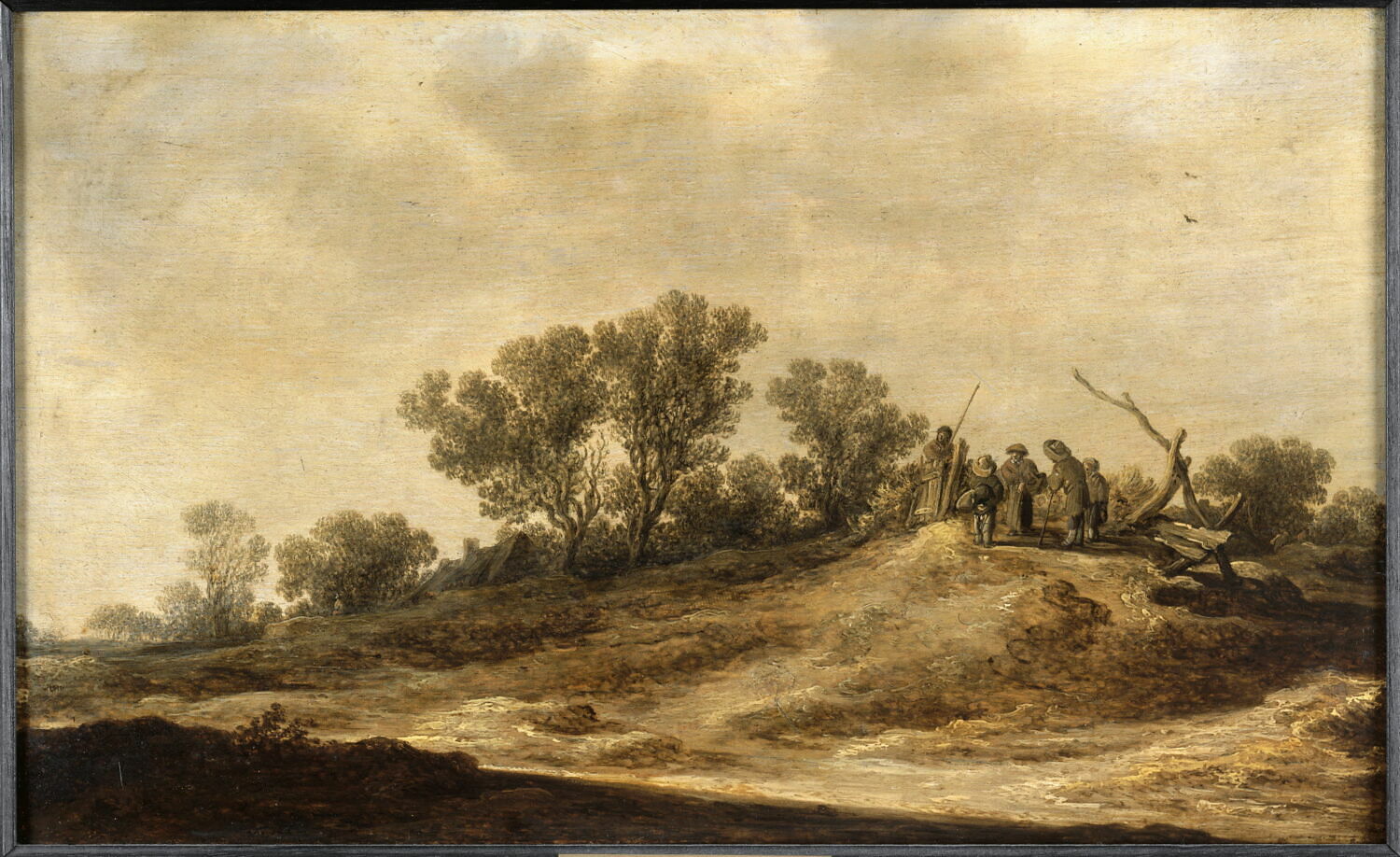
Five drawings (1961.378-1961.382) were once bound in a small sketchbook of approximately 200 pages. Because it was light and portable, Jan van Goyen could tuck it into his pocket while walking in search of inspiration. Sketchbooks allowed the artist to quickly delineate sand dunes and architectural structures in the vicinity of his residence in The Hague and farther afield. These landscape sketches in black chalk and ink wash relate—directly and indirectly—to compositions the artist later realized in oil paintings.
Art Institute of ChicagoCC BY 4.0
Particulars
- Accession number
- 1961.381
In the catalog
Sources
- Art Institute of Chicago
- Image: Art Institute of Chicago — CC0
Meanwhile, in the life of Jan van Goyen
The whole life1635–1656 · Workplace
The Hague
1650–1653 · Workplace
Kleve
1650s
The freely composed seascapes of the 1650s
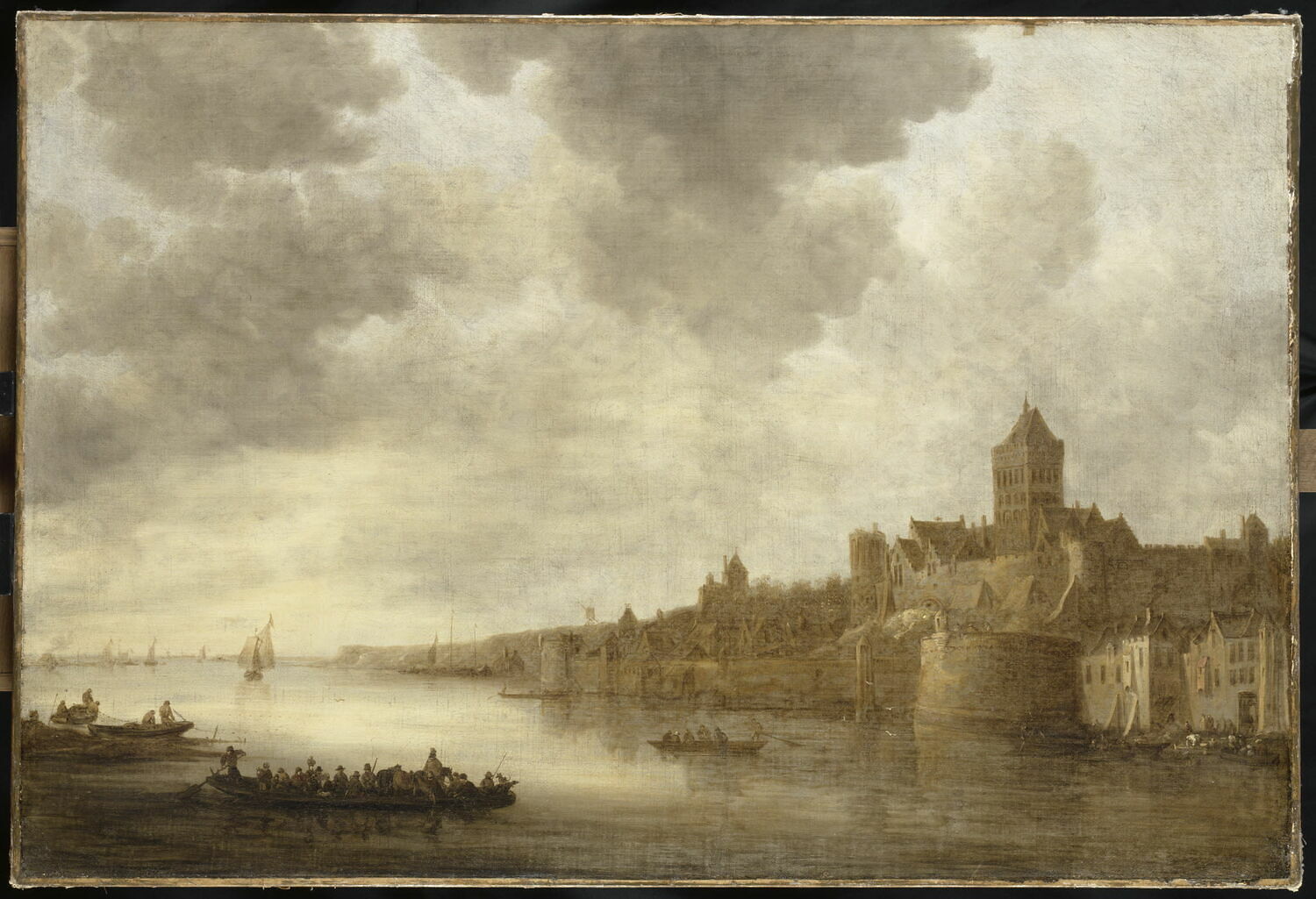
According to the art historian H. U. Beck, in his freely composed seascapes of the 1650s van Goyen reached the apex of his creative work, producing paintings of “striking perfection”.
1652
Forced to sell his collection of pictures
In 1652 van Goyen was forced to sell his collection of paintings and graphic art.
2 May 1653
Asks to offset money still owed him against his debt
Van Goyen never grew rich and was always short of money: on 2 May 1653 he asked that a sum he had not yet received be deducted from his debt to the city council.