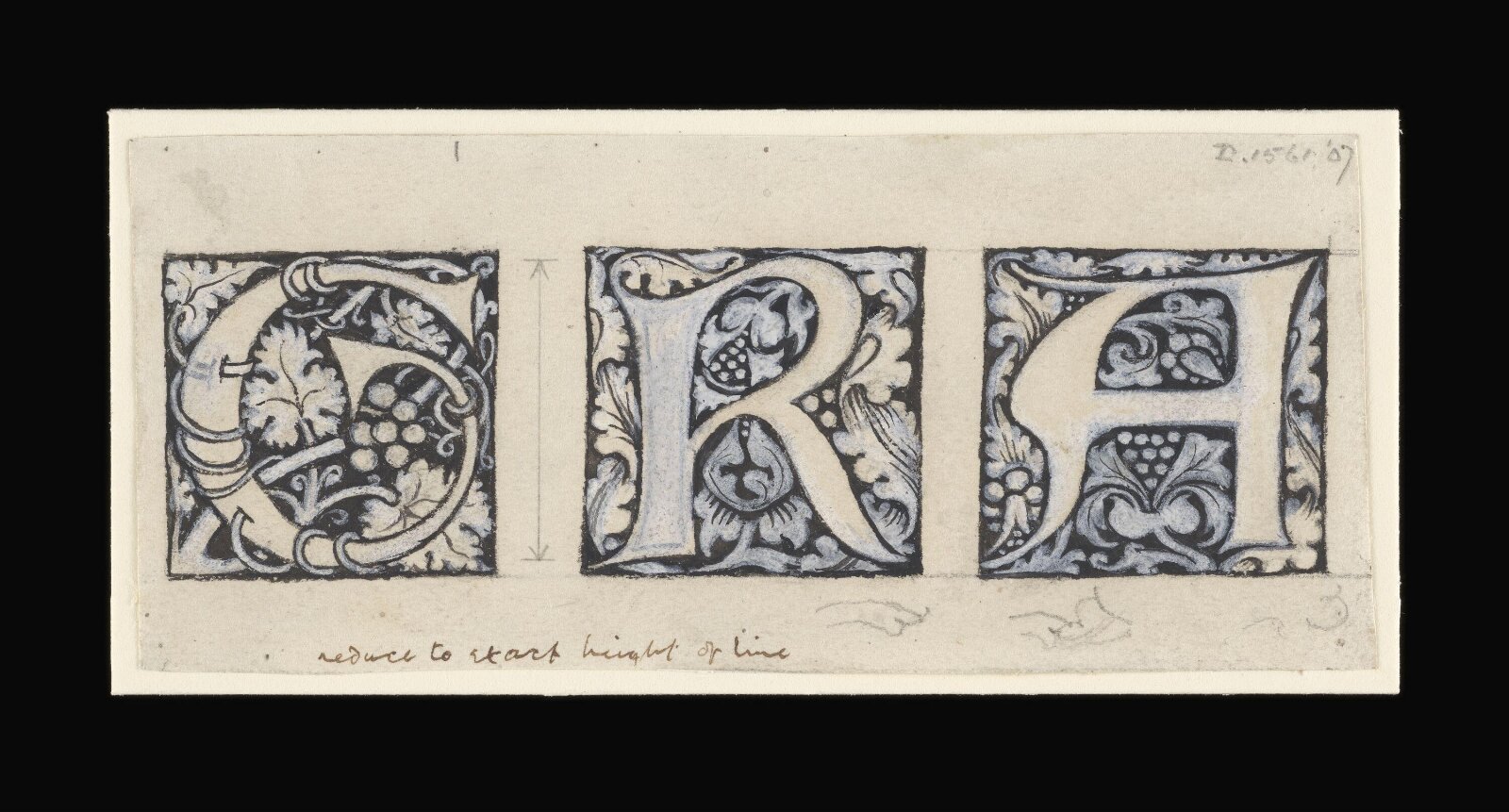
 William MorrisBritish, 1834–1896
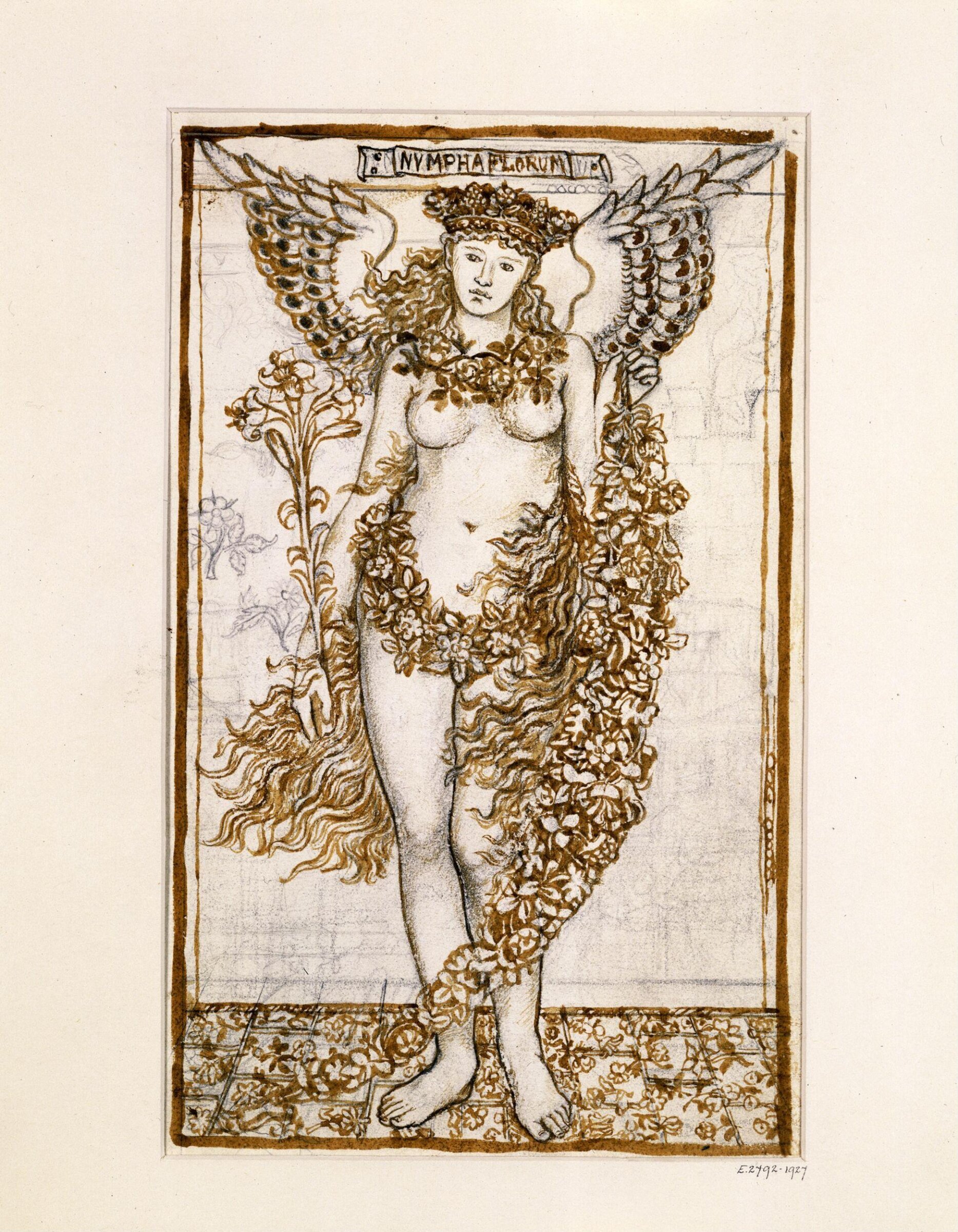
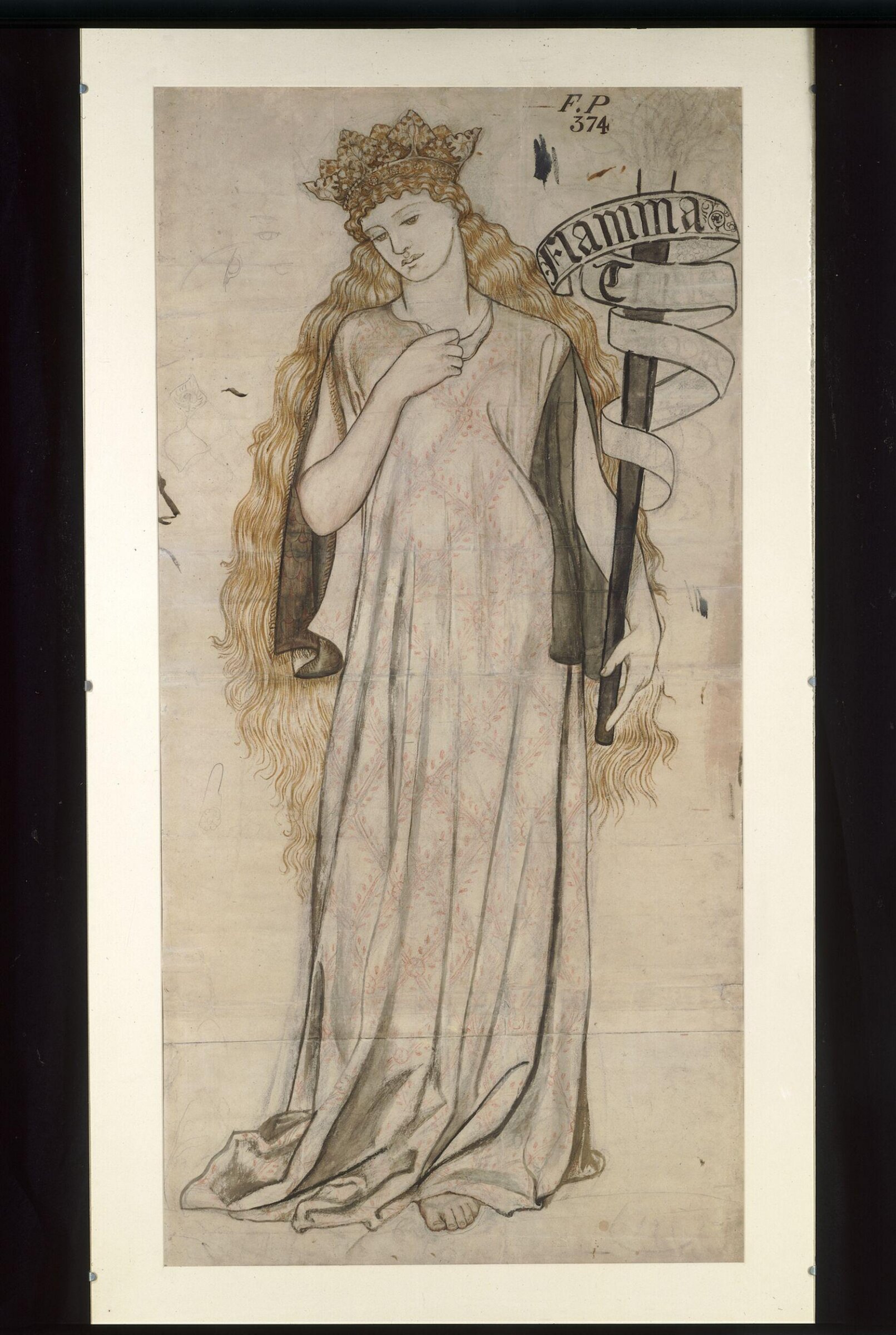
Original design for initial letters for Kelmscott Press
Can I see it?
Yes, on view now
Where is “Original design for initial letters for Kelmscott Press” now? Victoria and Albert Museum, British Galleries, Room 125, Edwin and Susan Davies Gallery, London. Yes, on view now. Checked September 25, 2026.

London, United Kingdom
RoomBritish Galleries, Room 125, Edwin and Susan Davies Gallery
Closing soon· until 10:00 PM
On public display.
- Checked
- In this state since
- Source
- The museum
Details
- Accession number
- D.1561-1907
In the catalog
Sources
- Victoria and Albert Museum
- Image: Victoria and Albert Museum — © Victoria and Albert Museum, London
In the life of William Morris
The whole life1883–1889
Engels, Shaw, Stepniak and Kropotkin: the circle of the left
Ernest Belfort Bax introduced him to Engels, who thought Morris honest but lacking the practical skills to aid the proletarian revolution; in “Justice” he befriended George Bernard Shaw, and despite being a Marxist he became close to the anarchists Stepniak and Peter Kropotkin, whose views influenced him.
1885–1891
Editor of “Commonweal”, the League’s paper
From February 1885 he edited the Socialist League’s weekly “Commonweal” for six years, with contributions from Engels, Shaw, Paul Lafargue, Wilhelm Liebknecht and Karl Kautsky; he wrote articles and poems for it and kept it financially afloat; in 1891, when the League’s influence passed to the anarchists, he withdrew from active involvement.
January 1890 – March 1891
“News from Nowhere”: a socialist’s utopia
From January to October 1890 he serialised in “Commonweal” his utopian novel “News from Nowhere”, an answer to Bellamy’s “Looking Backward” that pictured a future of harmony between people and their environment in which work is a joy; the paper’s circulation rose markedly, the novel appeared as a book in March 1891, and by 1900 it had been translated into five languages and become a classic of Europe’s socialists.
1891
He founds the Kelmscott Press
In 1891 he founded the Kelmscott Press to revive medieval traditions of bookmaking: small print runs and hand work from papermaking to printing (vellum for some books); he laid out every book himself, drew initials and miniatures and designed typefaces, and Burne-Jones and Walter Crane collaborated with him.
1896
The Chaucer edition: the summit of his work with Burne-Jones
In 1896 the edition of the works of Geoffrey Chaucer appeared — one of the peaks of Morris’s collaboration with Burne-Jones: Burne-Jones made the illustrations, while Morris devised three typefaces — Golden, Troy and Chaucer — and framed the text in intricate floral borders resembling illuminated medieval manuscripts.
3 October 1896
Died