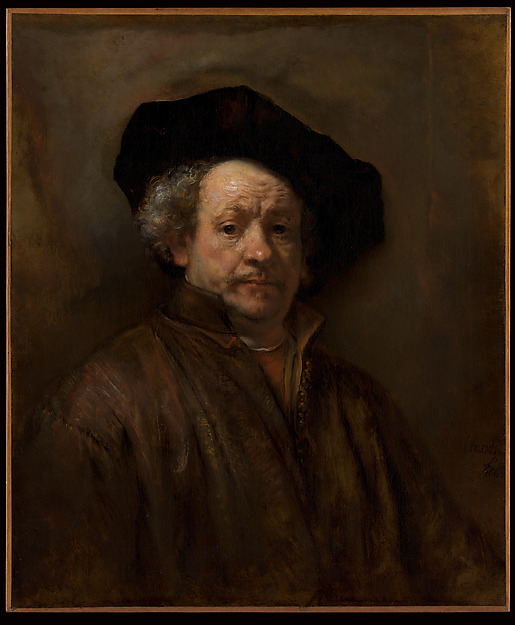
 Rembrandt van RijnDutch, 1606–1669
Noah's Ark
Can I see it?
Not on view at present
Where is “Noah's Ark” now? Collection: Art Institute of Chicago, Chicago. Not on view at present. Checked September 29, 2026.

Chicago, United States
It belongs to the collection, but is not on display at present.
- Checked
- In this state since
- Source
- The museum
About the work
Among his most expressive uses of the reed pen, this drawing is a fully realized depiction of Noah’s family boarding the ark prior to the great flood described in the Old Testament’s Book of Genesis. The vessel occupies the entire width of the sheet, and Rembrandt emphasized the act of departure by placing figures in the lower left corner who gesture inward, as if indicating where they will soon go. Rembrandt drew a borderline—albeit somewhat haphazardly—around the perimeter of his composition, indicating his satisfaction with his interpretation of the well-known biblical subject. This type of multifigure scene with a literary source provided the standard so many of his pupils aimed to match.
Art Institute of ChicagoCC BY 4.0
Details
- Accession number
- 1953.36
In the catalog
Sources
- Art Institute of Chicago
- Image: Art Institute of Chicago — CC0
In the life of Rembrandt van Rijn
The whole life1631–1669 · Workplace
Amsterdam
1639–1658 · Residence
Rembrandt House Museum
1657–1658
Sale of His Property and Collection
Rembrandt's property and art collection were sold at auction; the detailed inventory listed 363 items — paintings, prints, antique busts, weapons, textiles, and exotic objects.
1658
Move to the Rozengracht
After the house was sold at auction, the family left the prestigious Jodenbreestraat and moved to modest rented lodgings on the Rozengracht — a district of craftsmen and artists, where Rembrandt lived until the end of his life.
1660
Titus and Hendrickje Found an Art Firm
Since after his declaration of insolvency Rembrandt could not trade on his own, in 1660 Titus and Hendrickje founded an art-dealing firm through which his works were sold.
1661–1663
Pupil: Arent de Gelder