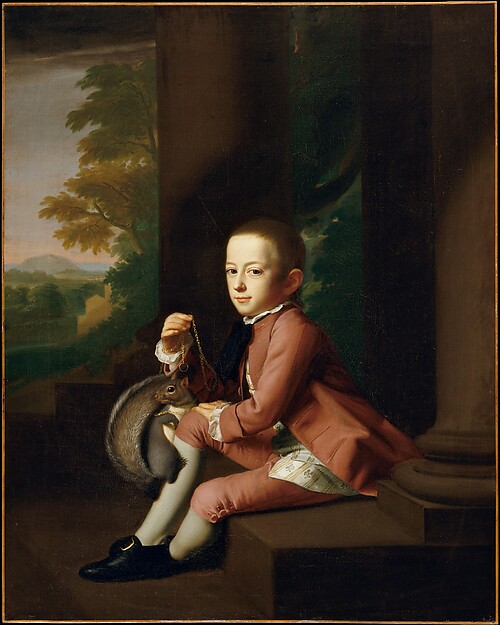
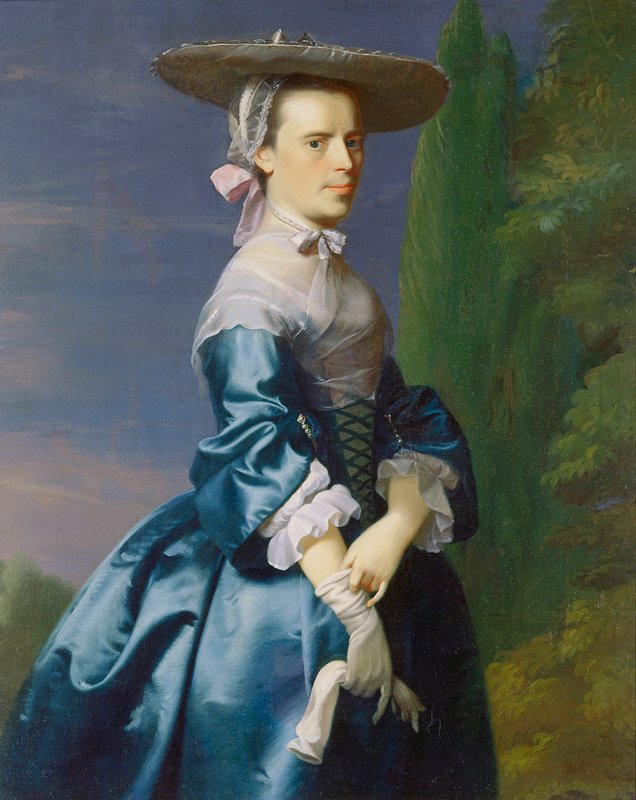
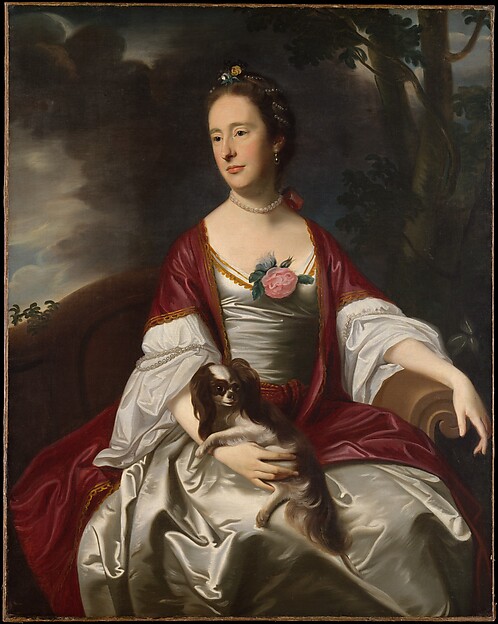
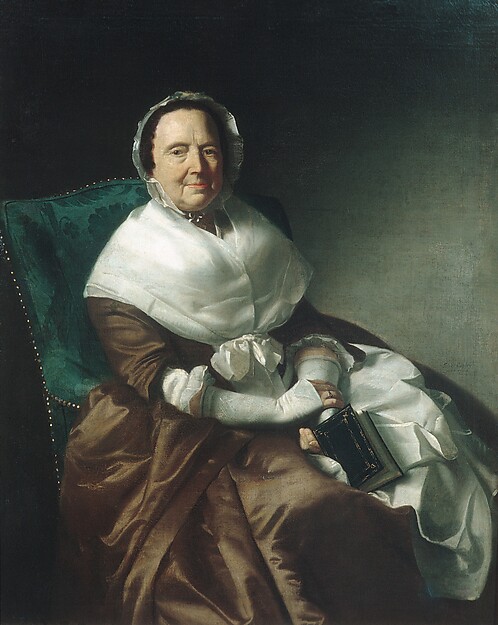
John Singleton CopleyAmerican, 1738–1815
Nicholas Boylston (1716-1771)
Can I see it?
Not on view at present
Where is “Nicholas Boylston (1716-1771)” now? Collection: Harvard Art Museums, Cambridge. Not on view at present. Checked September 29, 2026.

Cambridge, United States
It belongs to the collection, but is not on display at present.
- Checked
- In this state since
- Source
- The museum
Details
- Accession number
- H20
In the catalog
Sources
- Harvard Art Museums
- Image: Harvard Art Museums — © Photo by Michael Gould
In the life of John Singleton Copley
The whole life1753–1774 · Workplace
Boston
June 1771 – January 1772
A trip to New York: thirty-seven portraits
At the invitation of Myles Cooper, president of King’s College, whose portrait Copley had painted in Boston in 1768, he sets up his easel on Broadway in New York and paints thirty-seven portraits. It is his only American tour away from Boston: most of the Southern portraits attributed to him were in fact made by Henry Benbridge.
1773
His father-in-law is consignee of the Boston Tea Party tea
Richard Clarke, the artist’s father-in-law, was the merchant to whom the tea that provoked the Boston Tea Party was consigned. All of Copley’s family connections were Loyalists, and at a meeting described in his letter of 1 December 1773 he defended his wife’s relatives.
April 1774
A mob at Copley’s house looks for the Loyalist Watson
A mob comes to Copley’s house demanding Col. George Watson, a Loyalist mandamus counsellor who had gone elsewhere; the patriots threaten to have Copley’s blood if he ever again shelters such a villain. In a letter of 26 April he is appalled: had Watson stayed the night, as he had pressed him to, he would have had to give up a friend to the insult of a mob or have his house pulled down and perhaps his family murdered.
June 1774
Sails from Boston for London
Amid growing unrest on the eve of the War of Independence, and urged on by correspondents in England, Copley sails with many letters of introduction, leaving his mother, wife and children in Henry Pelham’s charge. He never returns to America.
1774–1815 · Workplace
London