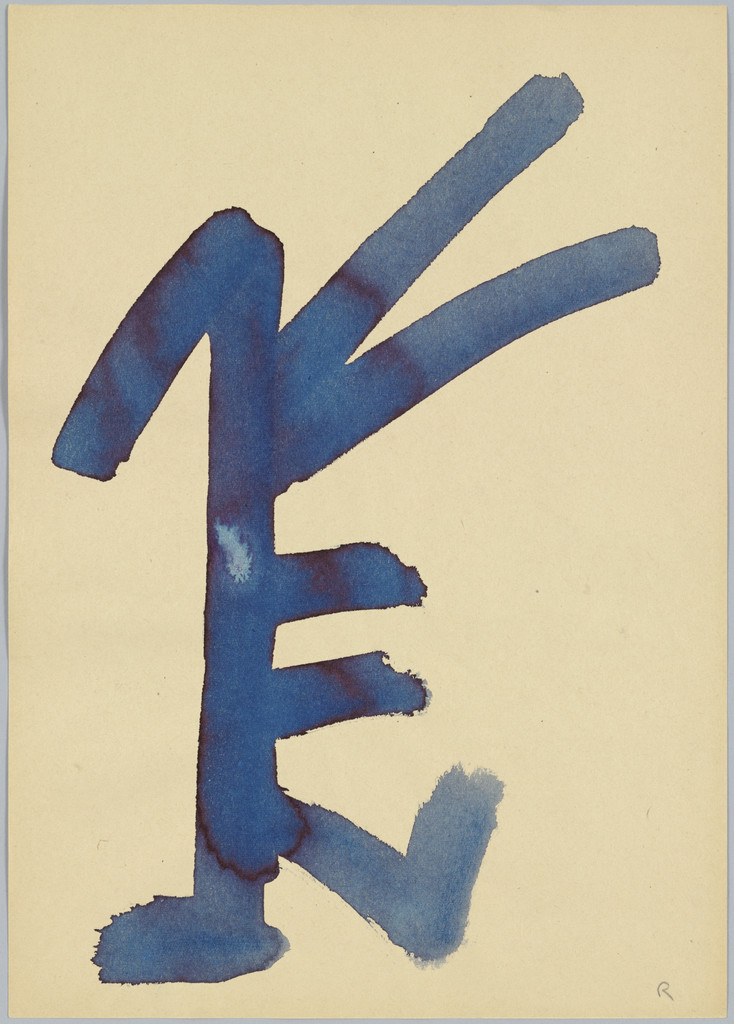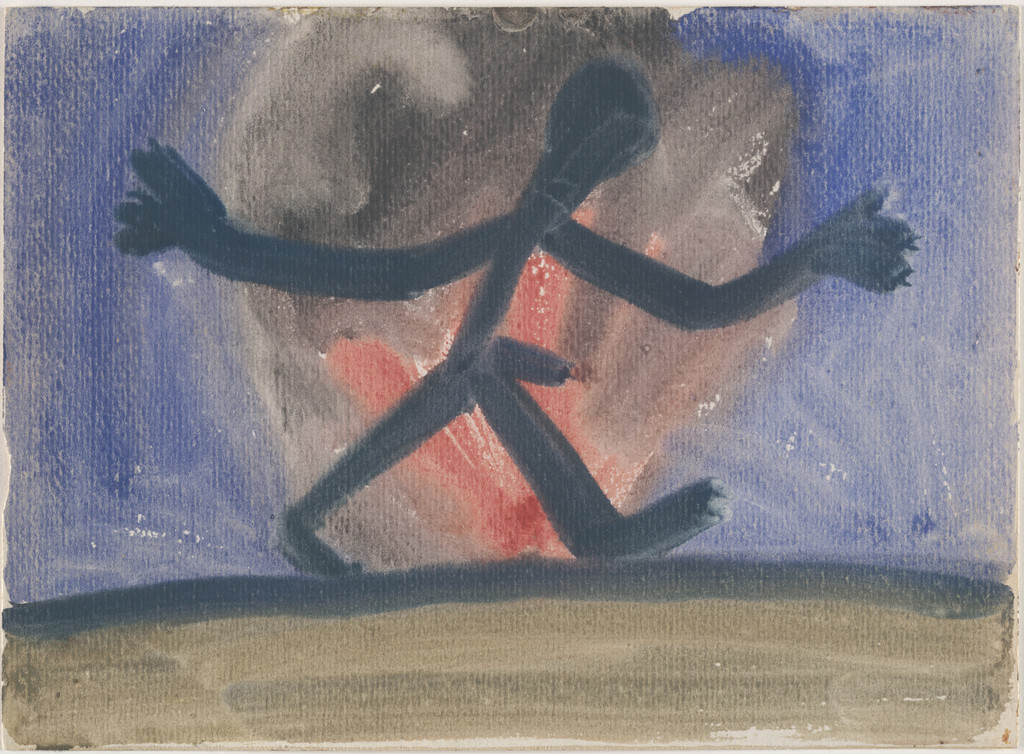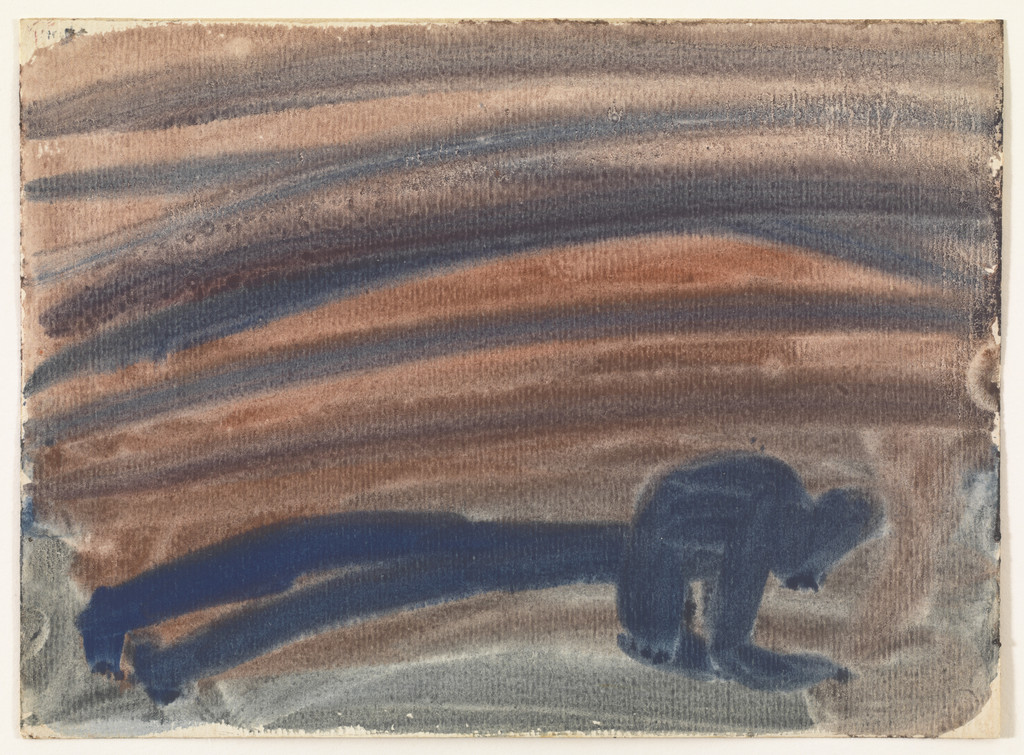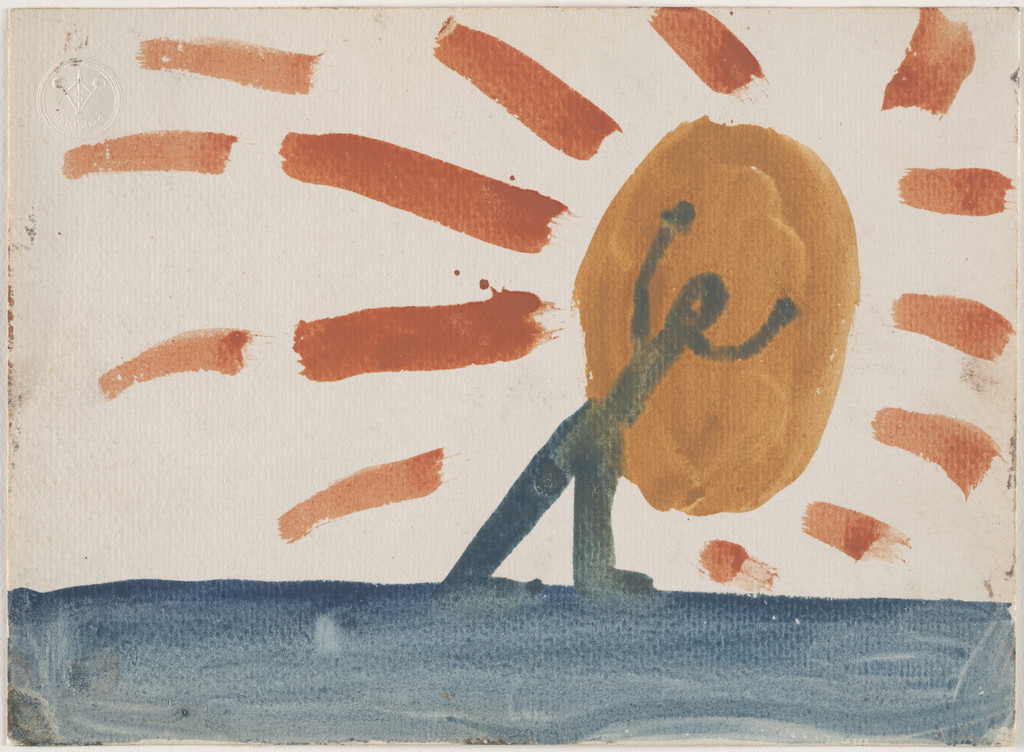
 A. R. PenckGerman, 1939–2017
Monika
May one see it?
Not receiving at present

New York, United States
It belongs to the collection, but is not on display at present.
- Checked
- Source
- The museum
Particulars
- Accession number
- 16.1990
In the catalog
Sources
- The Museum of Modern Art
- Image: The Museum of Modern Art — © the artist or rights holder
Meanwhile, in the life of A. R. Penck
The whole life1972
Documenta 5 in Kassel
Penck takes part in Documenta 5 in Kassel (Fridericianum).
1975
The Will Grohmann Prize
After military service in 1974, Penck is awarded the Will Grohmann Prize in 1975 by the Academy of Arts in West Berlin; by this time state security control over him has also increased.
3 August 1980
Moves to West Germany
Penck moves to West Germany, first living in Kerpen, southwest of Cologne. After emigrating he becomes one of the foremost exponents of new figuration, alongside Jörg Immendorff, Georg Baselitz and Markus Lüpertz.
1981
The Rembrandt Prize in Basel
The Goethe Foundation awards Penck the Rembrandt Prize in Basel, Switzerland.
1982
Documenta 7 in Kassel
Penck takes part in Documenta 7 in Kassel (Fridericianum); he had already taken part in Documenta 5 in 1972.
1983
“New Art” at the Tate and other landmark shows
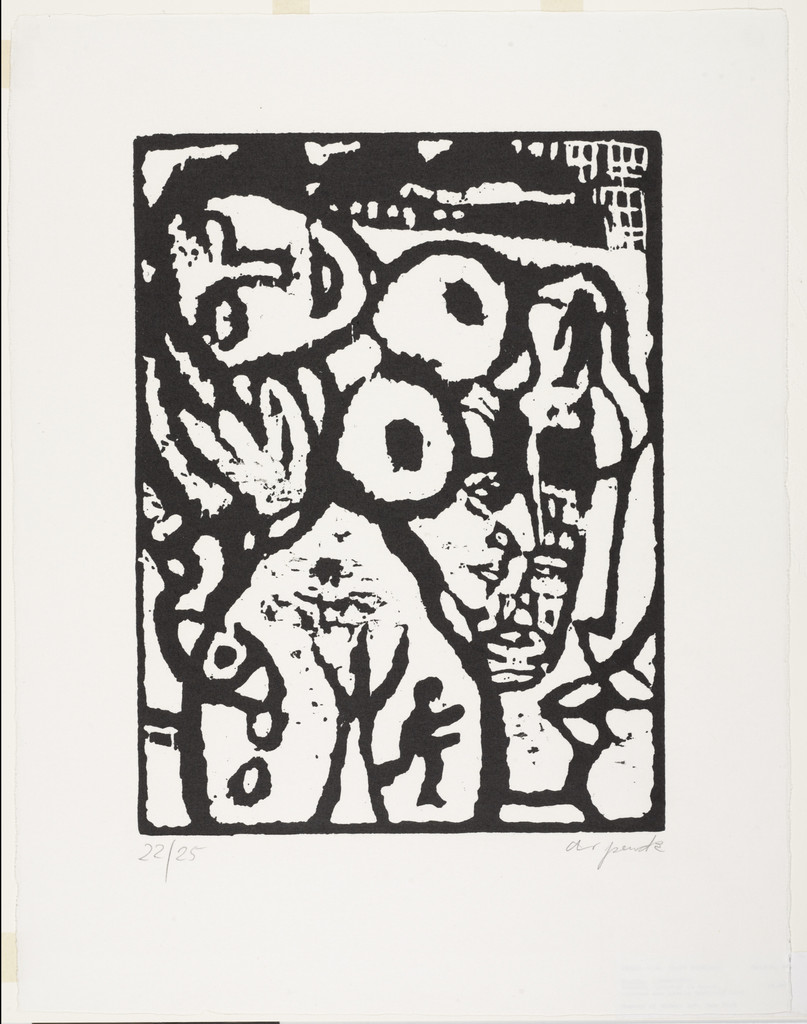
In the 1980s the work of Penck and his circle is shown by major museums and galleries in the West; the important shows include the famous Zeitgeist exhibition at the Martin Gropius Bau and the New Art show at the Tate in 1983. In these years he becomes known worldwide for paintings with pictographic, neo-primitivist imagery of human figures and other totemic forms.