ART WIKI32,963 on view
MapCollectionArtistsMuseumsExhibitionsJournal
Sign in

ART WIKI

Where the masterpiece hangs, and when they let you in.

Collections: Art Institute of Chicago, Getty Villa, Harvard Art Museums, Hirshhorn Museum and Sculpture Garden, J. Paul Getty Museum, Minneapolis Institute of Art, Musée du Louvre, National Gallery of Art, National Museum of Asian Art, National Portrait Gallery (Smithsonian), Pushkin State Museum of Fine Arts, Rijksmuseum, Smithsonian American Art Museum, SMK — National Gallery of Denmark, State Hermitage Museum, State Russian Museum, The Cleveland Museum of Art, The Metropolitan Museum of Art, The Museum of Modern Art, Tretyakov Gallery, Victoria and Albert Museum, Whitney Museum of American Art, State Catalogue of the Museum Fund of Russia (274 museums), Europeana (19 museums), Wikidata (6 museums), Paris Musées (12 museums), and Joconde, the French Ministry of Culture's museum database (495 museums). Images belong to their rights holders.

Sections

  • Map
  • Search
  • Collection
  • Masterpieces
  • On view now
  • Artists

More

  • Museums & galleries
  • Exhibitions
  • Journal
  • Where the data comes from
  • Privacy & cookies
HomeMapBrowse
  1. Collection/
  2. Art Institute of Chicago/
  3. Midnight Lake George
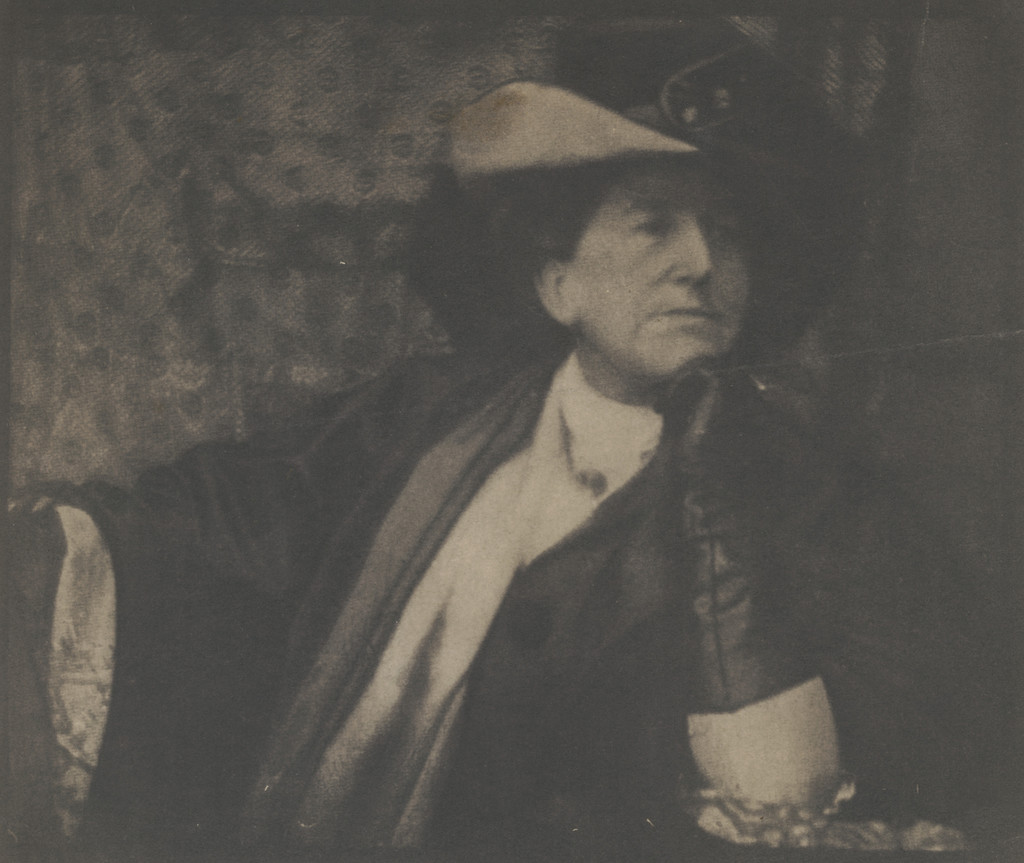
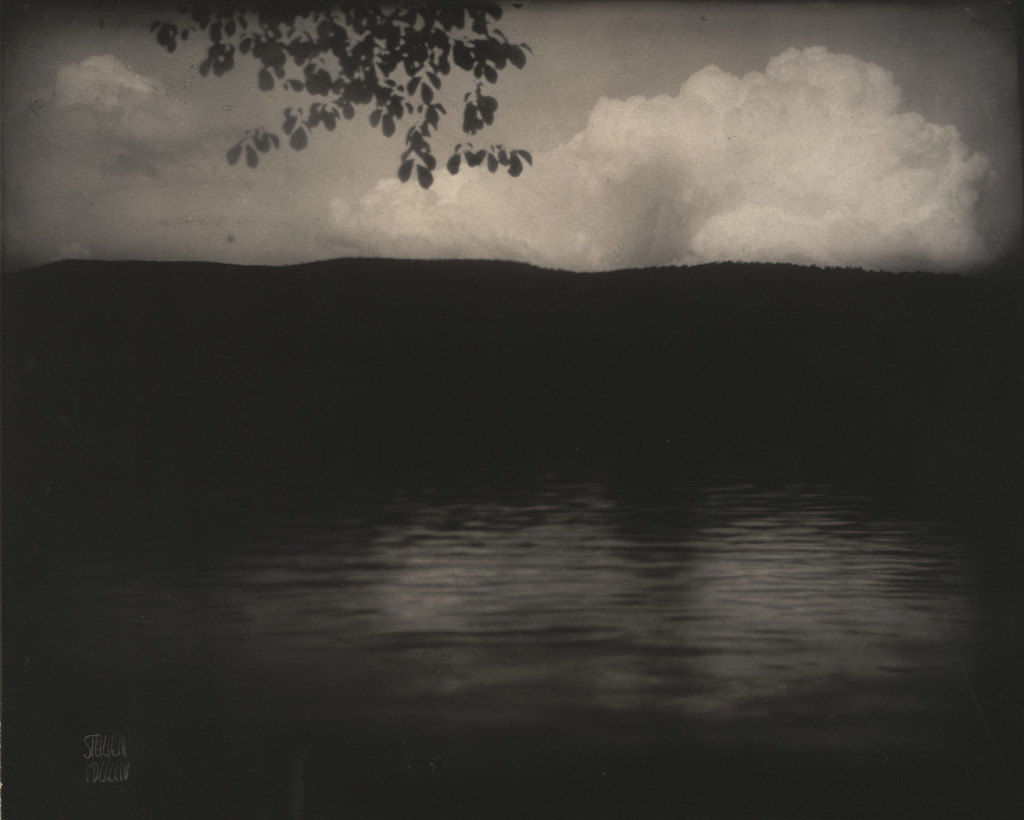
Midnight Lake George, Edward Steichen, 1904
Edward Steichen, portraitEdward SteichenAmerican, 1879–1973

Midnight Lake George

1904 · Photograph

May one see it?

Not receiving at present

Art Institute of Chicago

Chicago, United States

It belongs to the collection, but is not on display at present.

Checked
3 days ago
In this state since
Aug 19, 2026
Source
The museum
On the mapMuseum page

About the work

Edward Steichen, a painter as well as a photographer, was an early adherent of Pictorialism, which promoted photography as a fine art and emphasized handcraft in printing. A protégé of the photographer Alfred Stieglitz, he designed the cover and layout of Stieglitz’s journal Camera Work, a publication championing the medium’s artistic potential. Steichen excelled at the gum bichromate process, which allowed artists to layer different colors and manipulate the emulsion, while still wet, in a painterly fashion; here, he was able to enhance highlights by removing pigment with a brush. As he wrote in the first issue of Camera Work, “every photograph is a fake from start to finish, a purely impersonal, unmanipulated photograph being practically impossible.”

For more on Edward Steichen’s work in the Art Institute’s collection visit the website: Edward Steichen's World War I Years.

Read on

For more on the Alfred Stieglitz collection at the Art Institute, along with in-depth object information, please visit the website: The Alfred Stieglitz Collection.

Art Institute of Chicago · CC BY 4.0

Particulars

1904 · aged 25
18791973
Accession number
1949.829

In the catalog

PhotographsCyanotypeImpressionismModernism20th centuryPictorialismUnited States

Sources

  • Art Institute of Chicago
  • Image: Art Institute of Chicago — © the artist or rights holder

Meanwhile, in the life of Edward Steichen

The whole life
  1. 1902

    The Camera Work logo and the Photo-Secession

    When Stieglitz is planning the magazine that becomes Camera Work, he asks Steichen to design its logo with a custom typeface; Steichen becomes the most frequently shown photographer in the journal. In the same year he is one of the founders of the Photo-Secession in New York.

  2. 1904

    First experiments with colour photography

    He begins experimenting with colour photography and becomes one of the earliest in the United States to use the Autochrome Lumière process.

  3. 1 July 1904

    Daughter born: Mary Calderone

  4. 1905

    The Little Galleries of the Photo-Secession

    With Stieglitz he creates the Little Galleries of the Photo-Secession in what had been Steichen’s portrait studio; the gallery later becomes known as 291 after its address and presents some of the first American exhibitions of Rodin, Matisse, Cézanne, Picasso and Brâncuși. Constantly crossing between Europe and the US by steamship, he becomes, in the art historian William A. Ewing’s words, one of the earliest “jet setters,” bringing European art to America.
More by Edward Steichen

All works
Vitality–Yvette Guilbert, Edward Steichen, 1901

Vitality–Yvette Guilbert

1901 · The Museum of Modern Art

The Big White Cloud, Edward Steichen, 1903

The Big White Cloud

1903 · The Museum of Modern Art

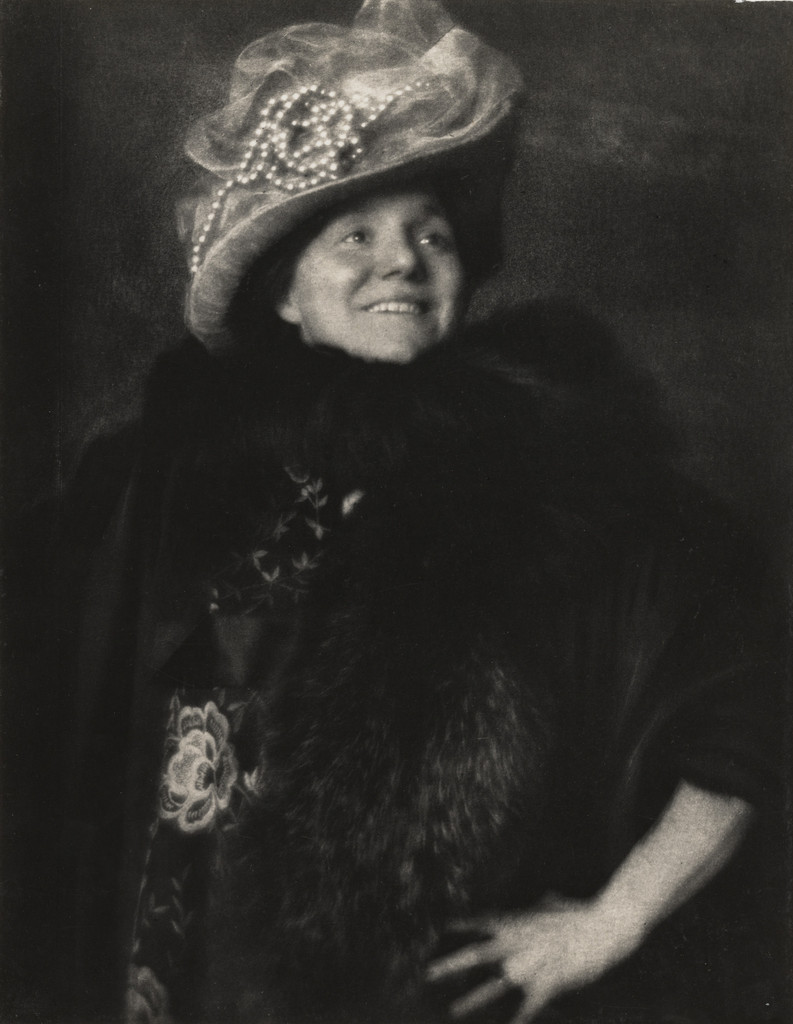
Gertrude Käsebier, Edward Steichen, c. 1907

Gertrude Käsebier

c. 1907 · The Museum of Modern Art

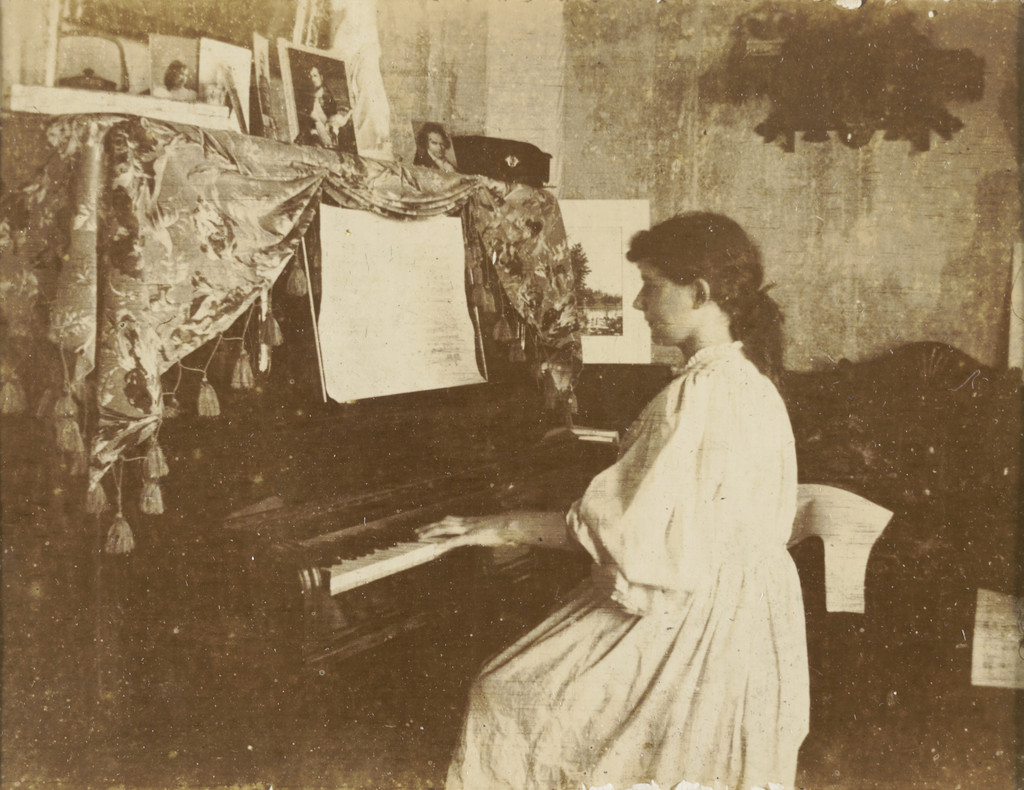
My Little Sister, Edward Steichen, 1895

My Little Sister

1895 · Not on view · The Museum of Modern Art

Vrouw met zwarte vaas, Edward Steichen, c. 1896 - in or before 1901

Vrouw met zwarte vaas

c. 1896 - in or before 1901 · Rijksmuseum

Portret van een onbekende vrouw, Edward Steichen, c. 1896 - in or before 1901

Portret van een onbekende vrouw

c. 1896 - in or before 1901 · Rijksmuseum

Beekje in een bos, Edward Steichen, c. 1896 - in or before 1901

Beekje in een bos

c. 1896 - in or before 1901 · Rijksmuseum

Portret van Frits Thaulow, Edward Steichen, c. 1897 - in or before 1902

Portret van Frits Thaulow

c. 1897 - in or before 1902 · Rijksmuseum

Neighbors at Art Institute of Chicago

Museum page
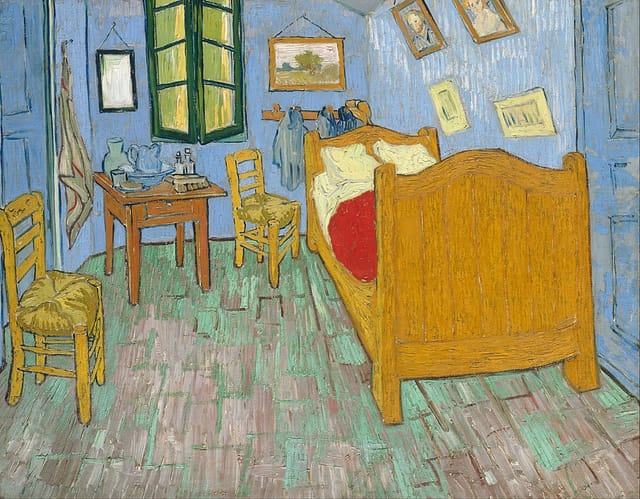
The Bedroom, Vincent van Gogh, 1889

Vincent van Gogh

The Bedroom, 1889

A Sunday on La Grande Jatte — 1884, Georges Seurat, 1884–86, border added 1888–89

Georges Seurat

A Sunday Afternoon on the Island of La Grande Jatte, 1884–86, border added 1888–89

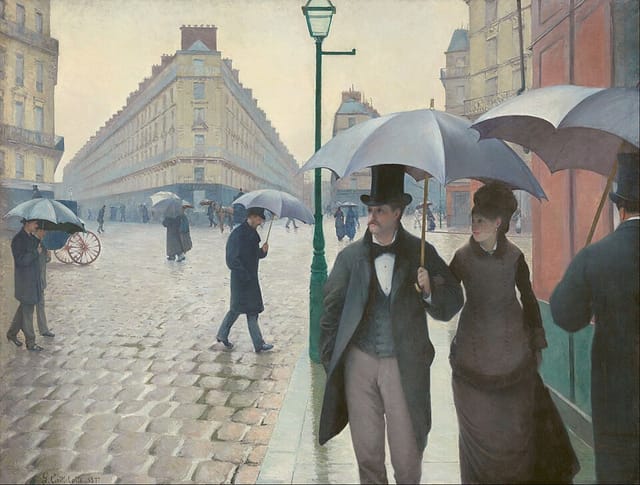
Paris Street; Rainy Day, Gustave Caillebotte, 1877

Gustave Caillebotte

Paris Street; Rainy Day, 1877

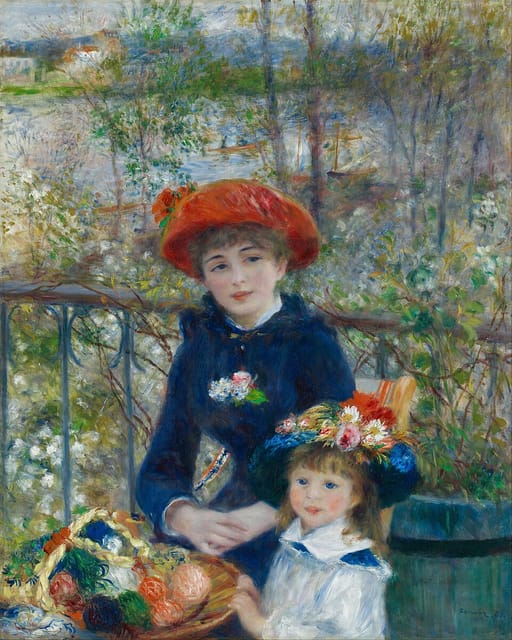
Two Sisters (On the Terrace), Pierre-Auguste Renoir, 1881

Pierre-Auguste Renoir

Two Sisters (On the Terrace), 1881

The Basket of Apples, Paul Cézanne, c. 1893

Paul Cézanne

The Basket of Apples, c. 1893

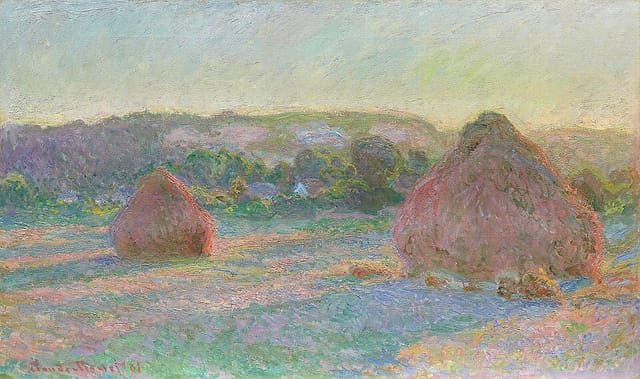
Stacks of Wheat (End of Summer), Claude Monet, 1890–91

Claude Monet

Stacks of Wheat (End of Summer), 1890–91

American Gothic, Grant Wood, 1930

Grant Wood

American Gothic, 1930

Nighthawks, Edward Hopper, 1942

Edward Hopper

Nighthawks, 1942