Berenice AbbottAmerican, 1898–1991
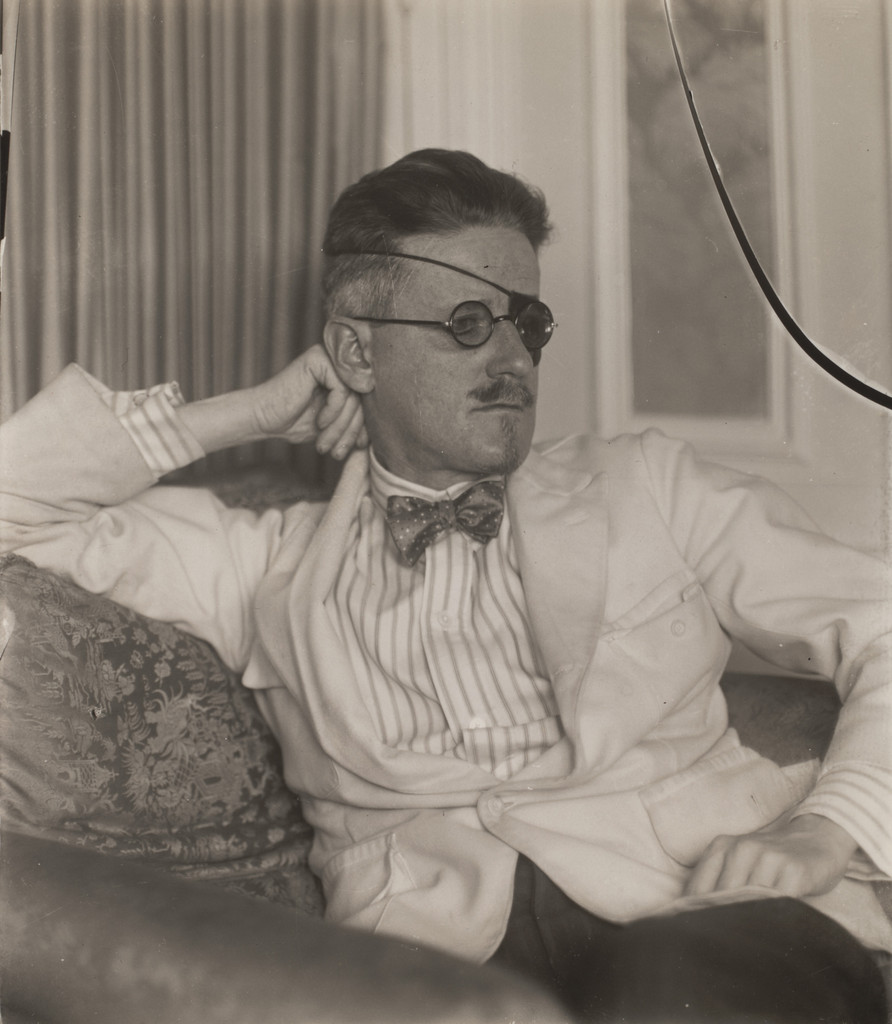
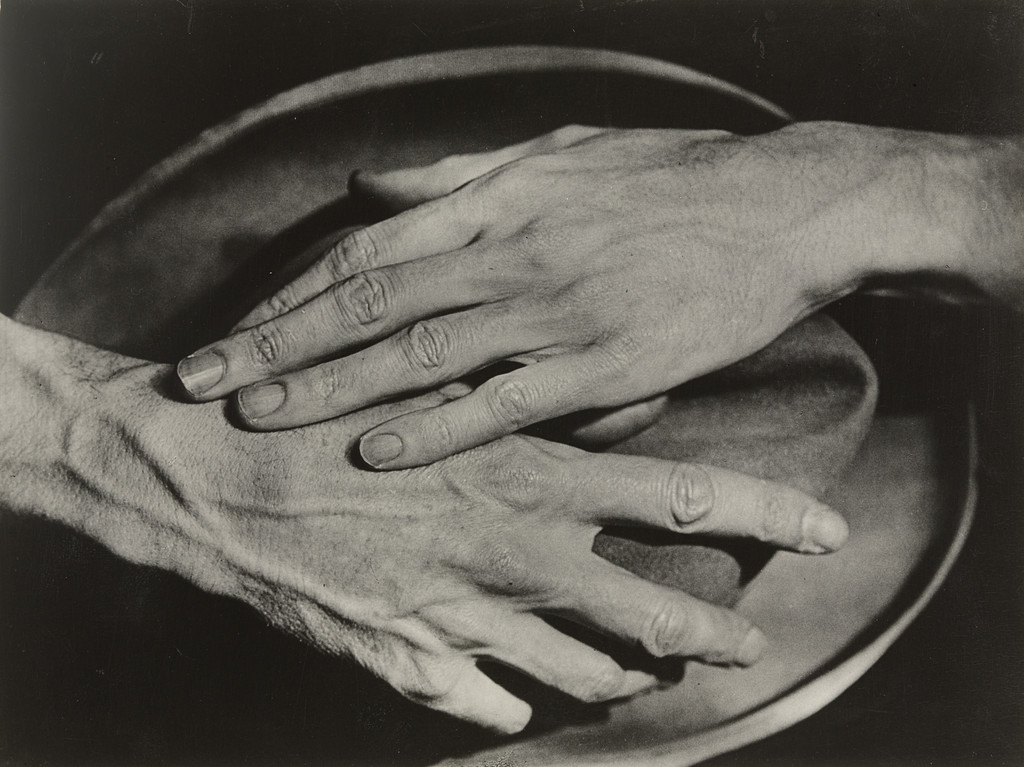
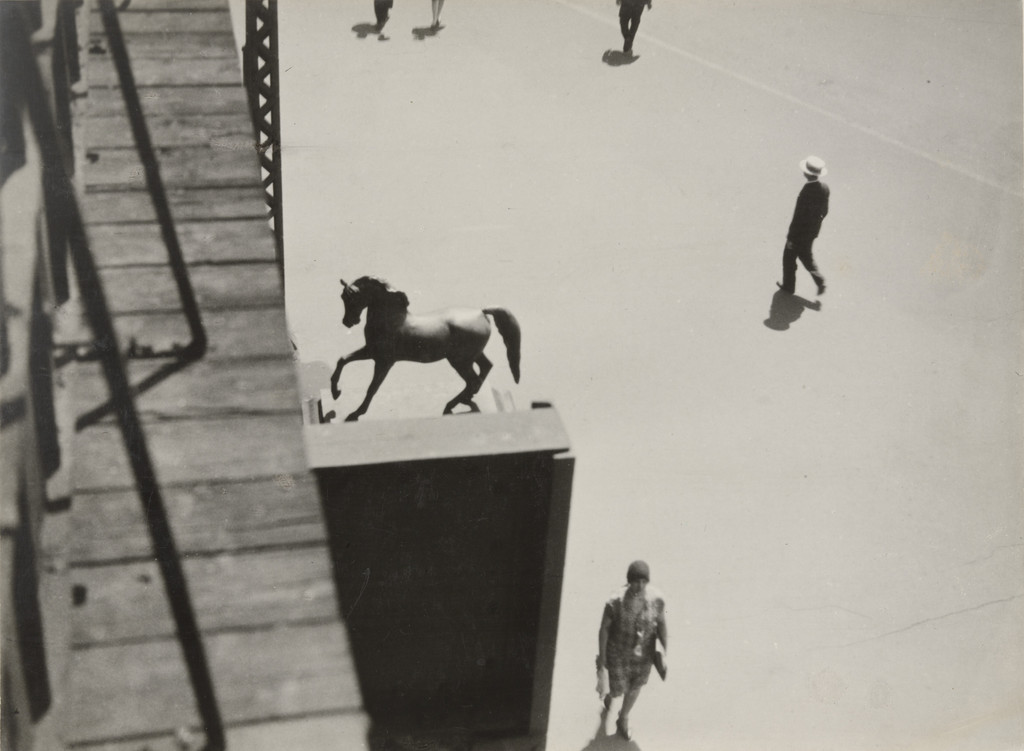
Max Ernst, New York
Can I see it?
Not on view at present
Where is “Max Ernst, New York” now? Collection: Art Institute of Chicago, Chicago. Not on view at present. Checked September 29, 2026.

Chicago, United States
It belongs to the collection, but is not on display at present.
- Checked
- In this state since
- Source
- The museum
Details
- Accession number
- 1987.367.10
In the catalog
Sources
- Art Institute of Chicago
- Image: Art Institute of Chicago — © the artist or rights holder
In the life of Berenice Abbott
The whole life1930s
The idea behind “Changing New York”
Her project is primarily a sociological study embedded within modernist aesthetic practices, meant to show the interaction between the city’s diverse people, the places where they live, work and play, and their daily activities. Lewis Mumford’s historical writings of the early 1930s strongly influence her, and buildings of the “paleotechnic era” often look downright menacing in her photographs.
1939
The book “Changing New York” is published
The book, with captions by Elizabeth McCausland, is well received, but differs markedly from the one Abbott and McCausland first envisioned, especially in captions and sequencing; in 1973 it will be reissued as “New York in the 30’s”. Ralph Steiner writes in PM that her work is the greatest collection of photographs of New York City ever made.
early 1940s
Develops “Super Sight”, the Abbott Process
In the early 1940s she develops “Super Sight”, a form of macro photography also known as the Abbott Process. She invents photographic equipment and techniques as well.
1940s and 1950s
Science photography away from the public eye
She works away from the attention of the wider public: her main occupation is photographing physical and chemical processes, and to understand them better she takes chemistry courses. The scientific community greets her work with scepticism, and she believes she is a victim of sexism; other accounts say science photography occupied her until the 1960s.