Jean ArpFrench, 1887–1966
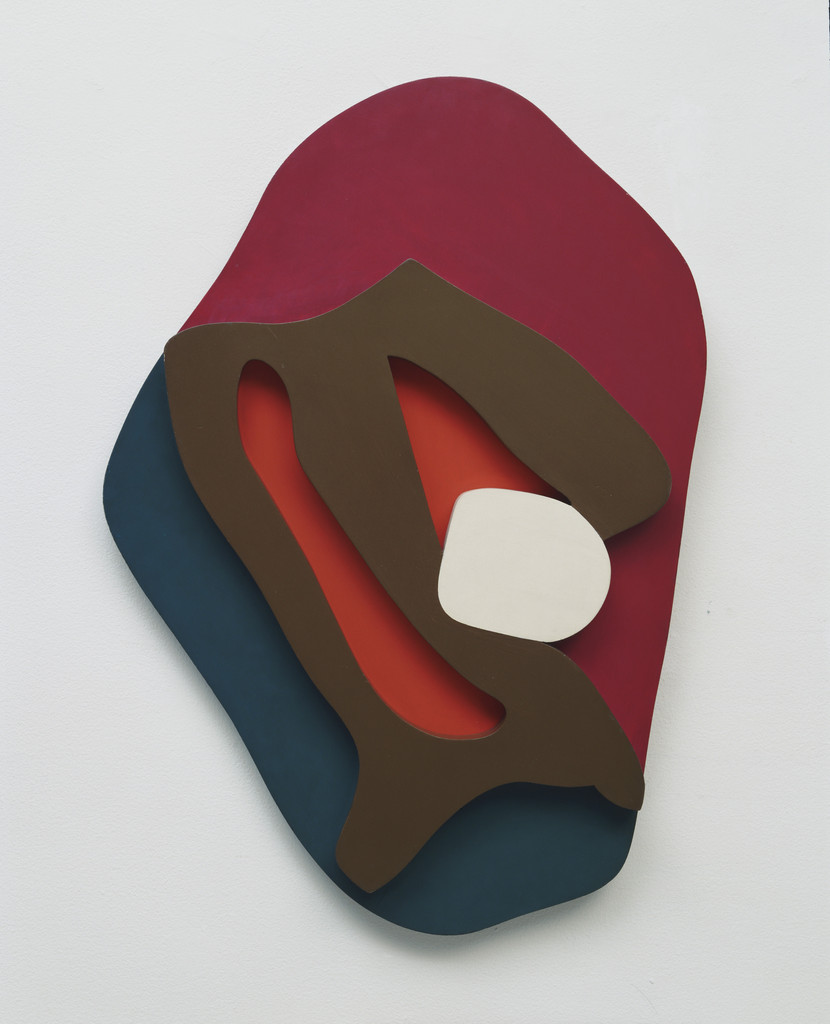
Manicured Relief
May one see it?
Not receiving at present

Chicago, United States
It belongs to the collection, but is not on display at present.
- Checked
- In this state since
- Source
- The museum
About the sculpture
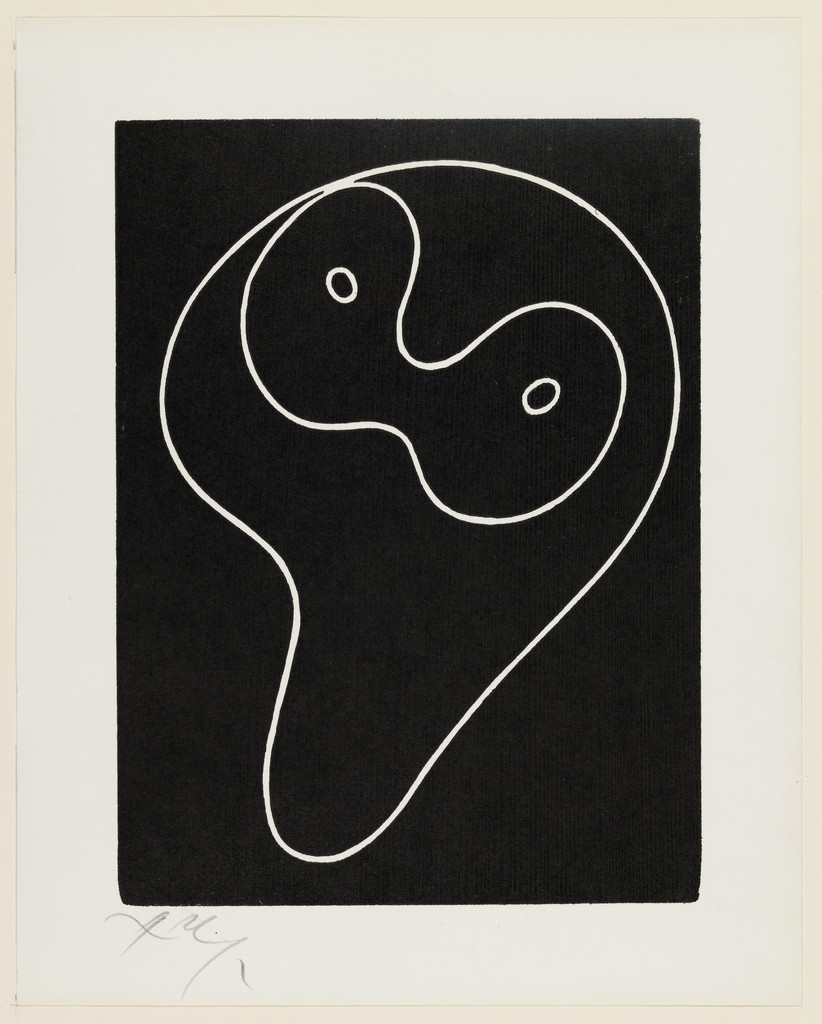
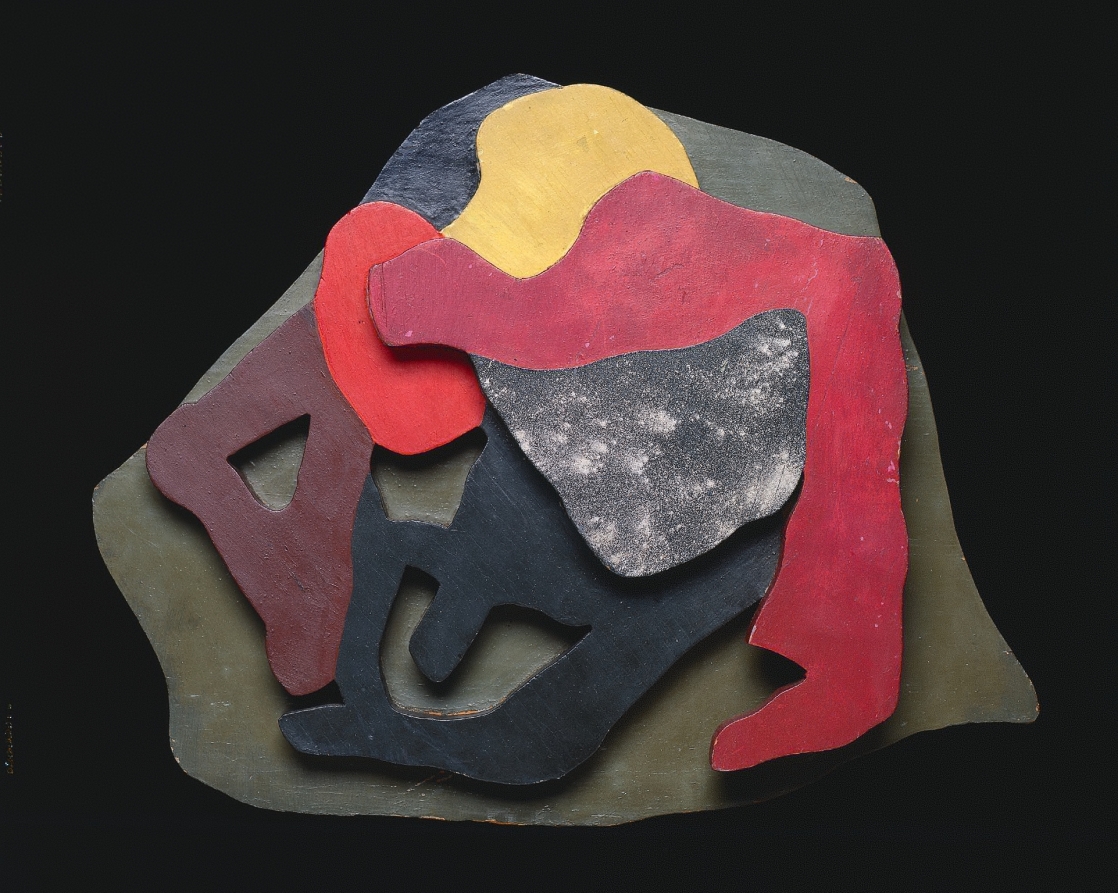
In 1917 Jean (Hans) Arp began creating wooden reliefs from curvilinear pieces of painted and layered wood. Starting with individual forms based on abstract drawings, he worked with a carpenter to cut amoeba-like shapes and then assembled them into composite structures that hold a hybrid position between painting and sculpture. The title, Manicured Relief, suggests that the top form's gray-green extremities might represent painted fingernails, which became popular among women in the mid-1920s. The feminine association also carries over to the work's first owner: Mary Reynolds, an artist and avant-garde bookbinder who, like Arp, was based in Paris in the 1930s.
Art Institute of ChicagoCC BY 4.0
Particulars
- Accession number
- 1951.200
What it shows
In the catalog
Sources
- Art Institute of Chicago
- Image: Art Institute of Chicago — © the artist or rights holder
Meanwhile, in the life of Jean Arp
The whole life1929
Writes the script for Hans Richter’s film “Day as Day”
In 1929 Arp wrote the screenplay for Hans Richter’s film (“Den’ kak den’”, “Day as Day”, in the Russian source); Sergei Eisenstein appeared in one of the roles.
1930s
From collage and relief to bronze and stone
From the 1930s Arp, who had worked in collage, assemblage and bas-relief, expanded his work to include bronze and stone sculpture; he also made small works of multiple elements that the viewer could pick up, separate and rearrange into new configurations.
1930s
A house in Clamart designed by Sophie Taeuber
In the 1930s Arp and Sophie Taeuber bought a plot of land in Clamart and built a house at the edge of a forest; Taeuber designed it, influenced by the Bauhaus, Le Corbusier and Charlotte Perriand.
1931
Breaks with the Surrealists: Abstraction-Création
In 1931 Arp broke with the Surrealist movement to found Abstraction-Création, working with the Paris-based group of that name and the periodical Transition.