 Beatrix Potter1866–1943
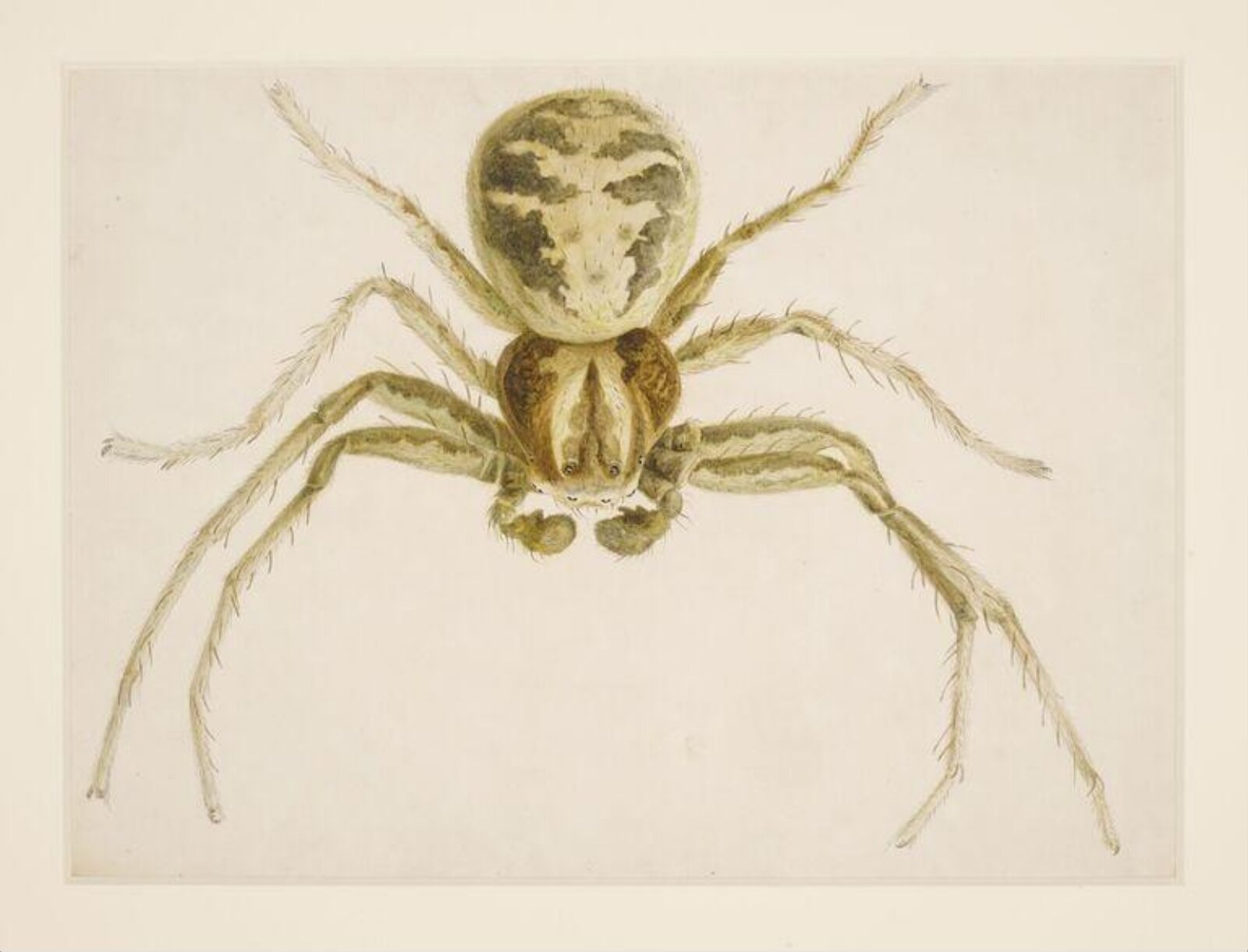
Male crab spider
Can I see it?
Not on view at present
Where is “Male crab spider” now? Collection: Victoria and Albert Museum, London. Not on view at present. Checked September 25, 2026.

London, United Kingdom
It belongs to the collection, but is not on display at present.
- Checked
- In this state since
- Source
- The museum
About the work
Beatrix Potter (1866-1943) is one of the world's best-loved children's authors and illustrators. She wrote the majority of the twenty-three Original Peter Rabbit Books between 1901 and 1913. The Tale of Peter Rabbit (Frederick Warne, 1902) is her most famous and best-loved tale.
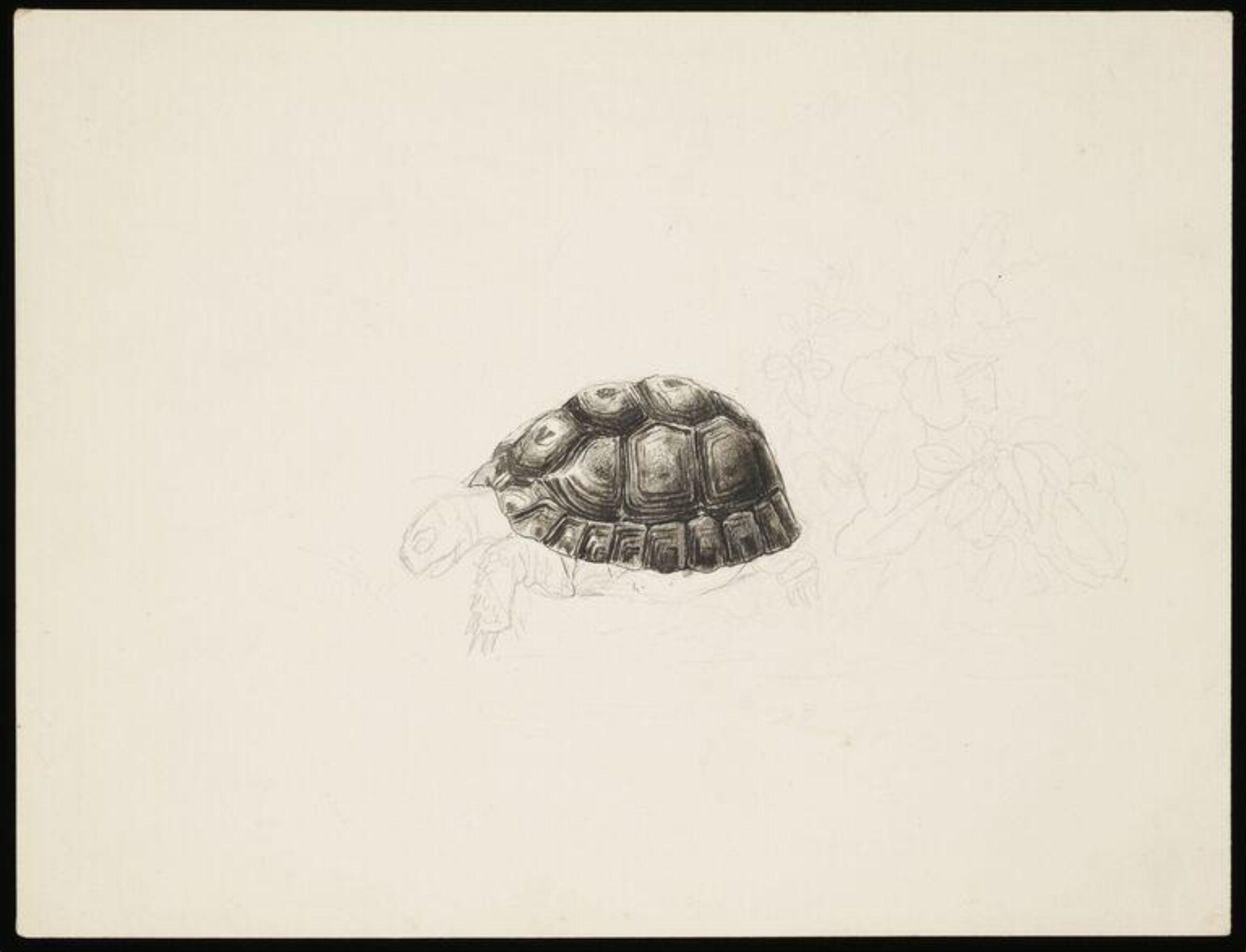
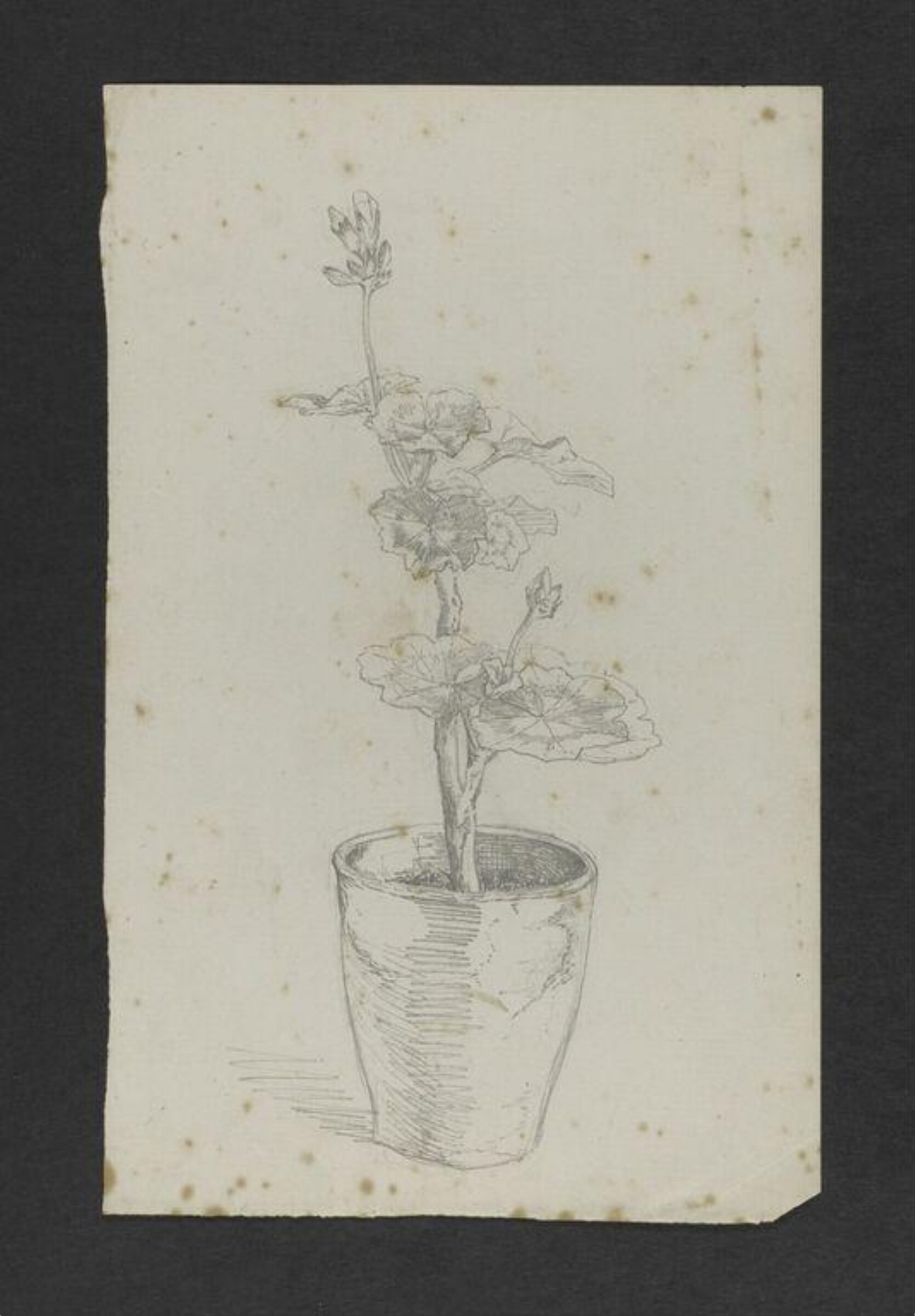
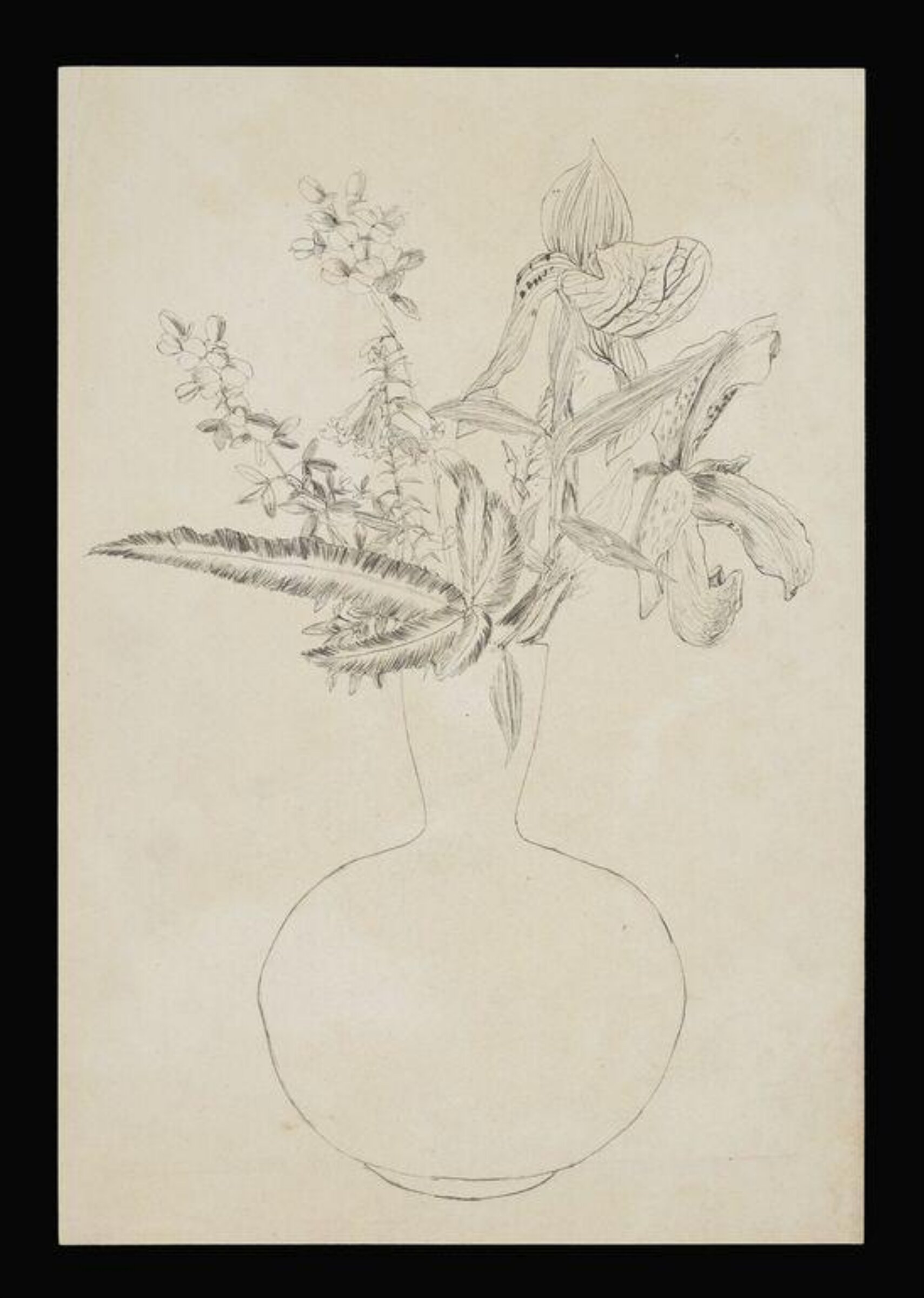
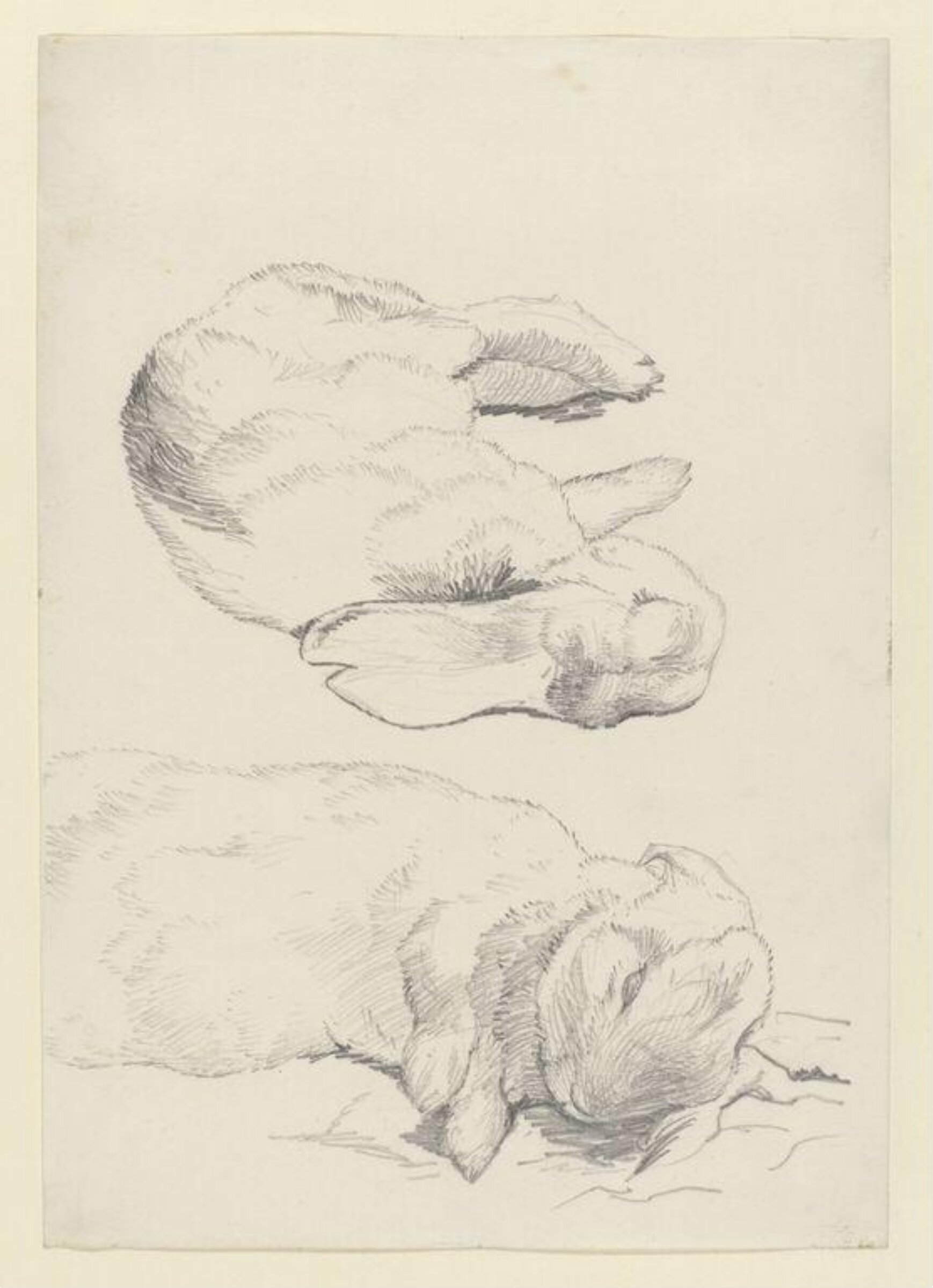
From early childhood Beatrix Potter spent time drawing the many pets that she kept in her schoolroom: over the years, her pets included lizards, snails, bats, mice, rabbits and many other animals. During the family’s long summer holidays to rural areas she also took the opportunity to draw the plants and animals she saw in the countryside. Even her earliest childhood drawings show a serious interest in natural history, her sketches annotated with information about the species concerned.
Read on
As a young woman Beatrix Potter studied natural history with some seriousness, exploring the collections of the Natural History Museum, including the insect cases and fungi specimens. She had a collector’s cabinet full of specimens, from shells to dead butterflies and moths, and used a magnifying glass and a microscope to examine them more closely. She made numerous carefully observed studies of animals and plants from life.
This study of a male crab spider (Xysticus cristatus) is closely related to another drawing, which was made at Lingholm near Keswick; see Linder Collection 7/A/1. As such it is probable that both studies were made at Lingholm, during one of the many summer holidays Beatrix Potter spent in the Lake District with her parents as a young woman.
Victoria and Albert Museum
Details
- Accession number
- BP.252
What it shows
In the catalog
Sources
- Victoria and Albert Museum
- Image: Victoria and Albert Museum — © Victoria and Albert Museum, London