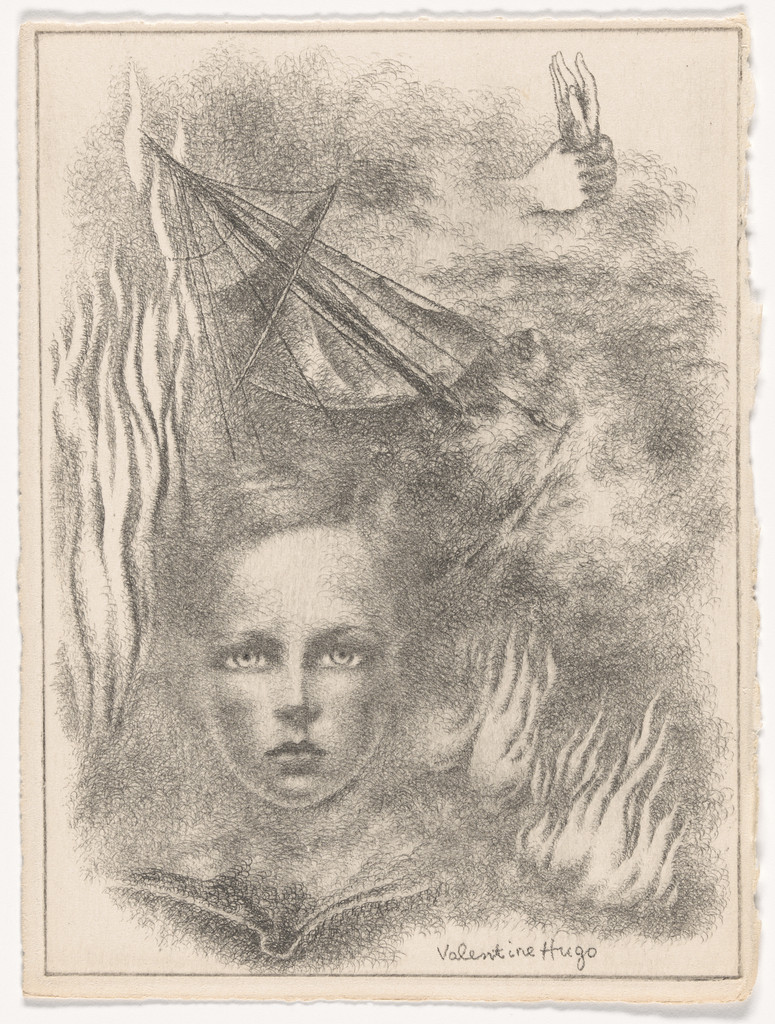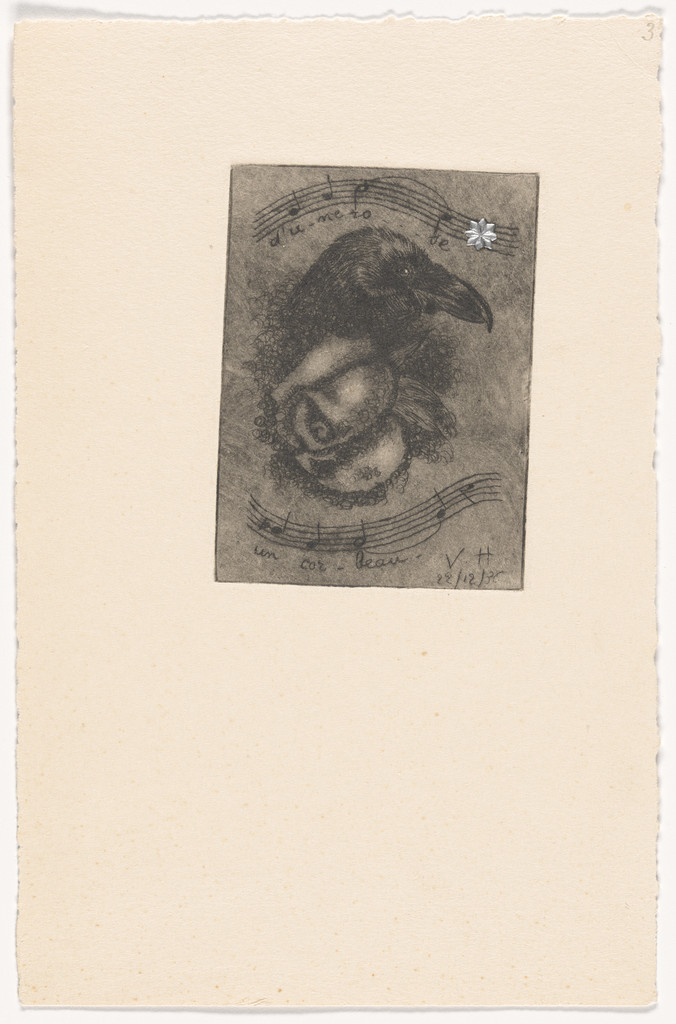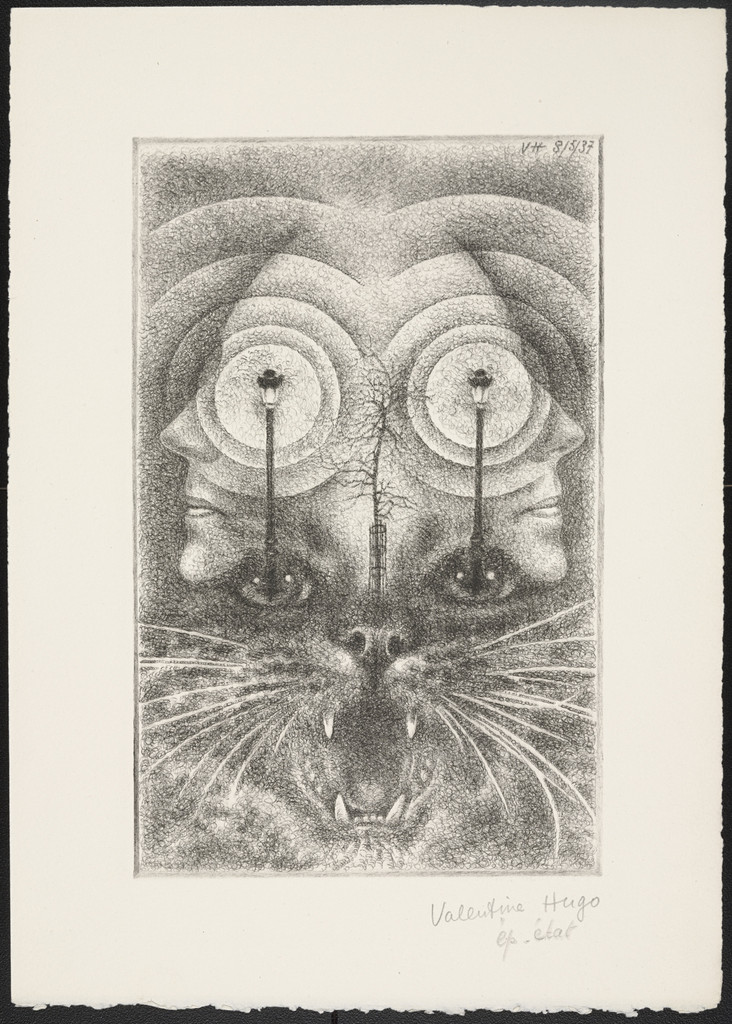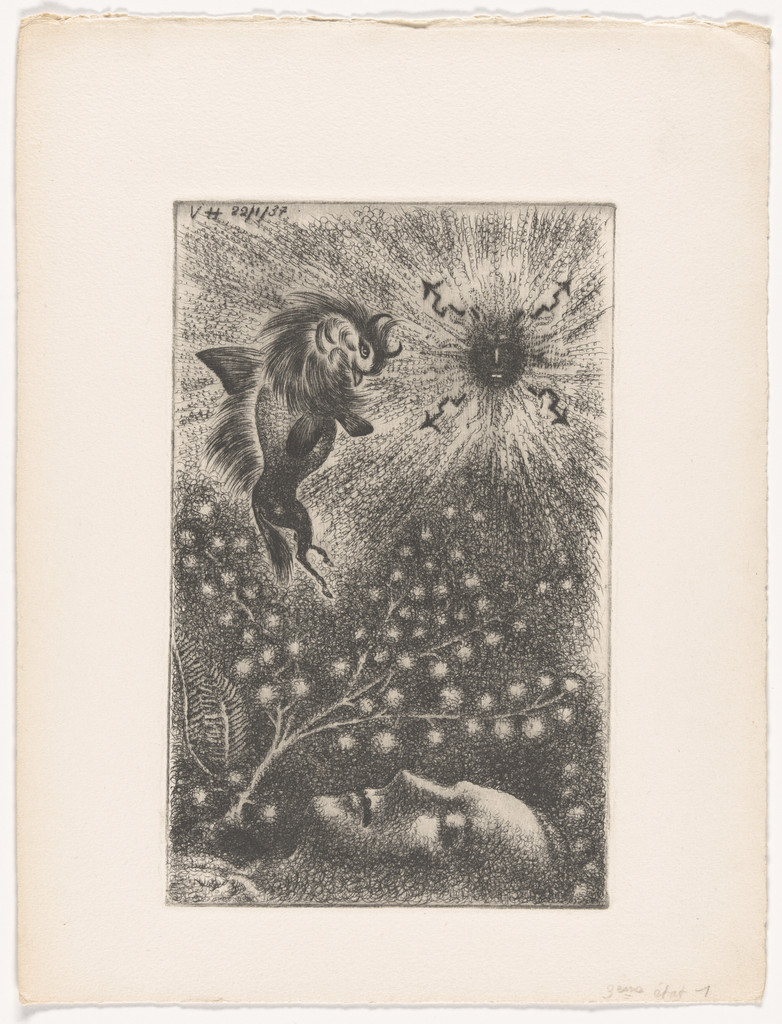
 Valentine HugoFrench, 1887–1968
L'Après-midi d'un faune
Can I see it?
Not on view at present
Where is “L'Après-midi d'un faune” now? Collection: Victoria and Albert Museum, London. Not on view at present. Checked September 25, 2026.

London, United Kingdom
It belongs to the collection, but is not on display at present.
- Checked
- In this state since
- Source
- The museum
About the work
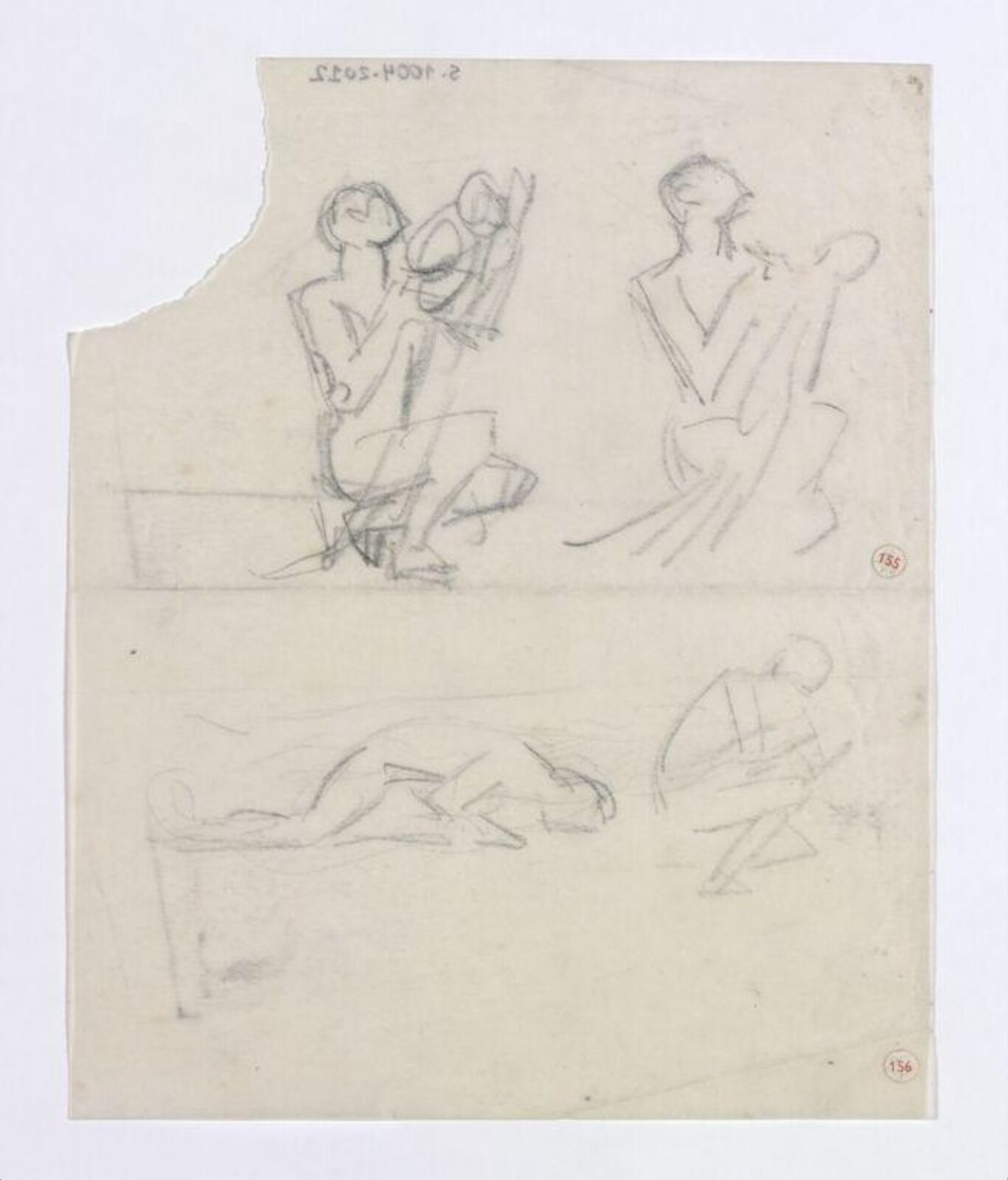
Study depicting the very end scene of L'Après-midi d'un faune, Diaghilev Ballets Russes, when Nijinsky as Faune crouches and places the veil on the ground. Sketch by Valentine Gross c 1912.
Diaghilev Ballets Russes L'Après-midi d'un faune (Faune), was first premiered in Paris at Théâtre du Châtelet on 29 May 1912, according to Diaghilev and The Golden Age of The Ballets Russes 1909 - 1929, edited by Jane Pritchard, first published by V&A Publishing in 2010.
The sketches are part of the Valentine Gross Archive (THM/165), held by the V&A Department of Theatre and Performance. Valentine Gross Archive contains research material and artwork, including sketches, studies, drawings, pastels and illustrations. Only the artwork materials have been catalogued with museum numbers and given item level descriptions found in the Search the Collections webpage.
Read on
Valentine Gross, a.k.a. Valentine Hugo, was a French art student in Paris in the 1910s. She became a ballet enthusiast, illustrator, researcher and painter. Valentine Gross witnessed annual seasons of Diaghilev Ballets Russes in Paris and made preminary sketches during performances and rehearsals between 1909 and 1914. She later worked them up into pencil or coloured drawings of various degrees of finish including illustrations and paintings.
Some of the sketches feature in the book Nijinsky on Stage by Richard Buckle, published in London by Studio Vista in 1971. These studies, which feature in the book on pages 102 and 103, are part of a series of studies in which "the artist has instinctively grasped and tried to convey the angular style of movement in profile which Nijinsky had devised to suggest a frieze coming to life" (Buckle, 92).
Victoria and Albert Museum
Details
- Accession number
- S.1004-2012
In the catalog
Sources
- Victoria and Albert Museum
- Image: Victoria and Albert Museum — © Victoria and Albert Museum, London