William Henry Fox TalbotEnglish, 1800–1877
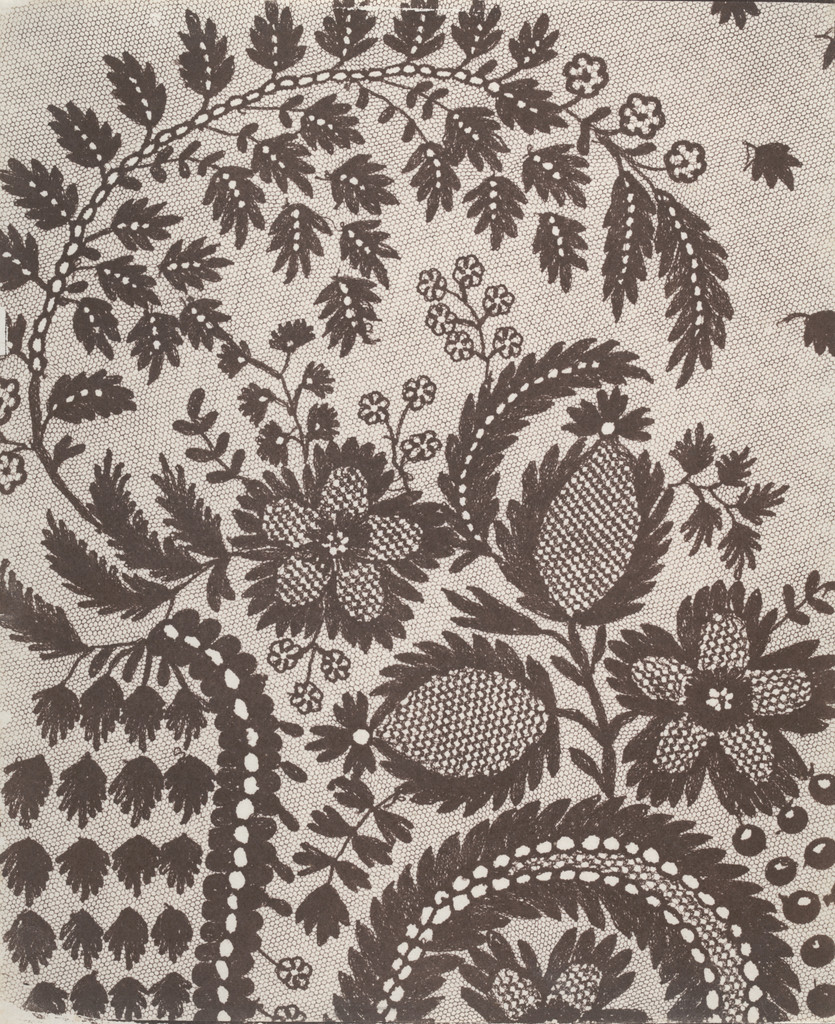
Lace
May one see it?
Not receiving at present

Art Institute of Chicago
Chicago, United States
It belongs to the collection, but is not on display at present.
- Checked
- In this state since
- Source
- The museum's own collection data
About the work
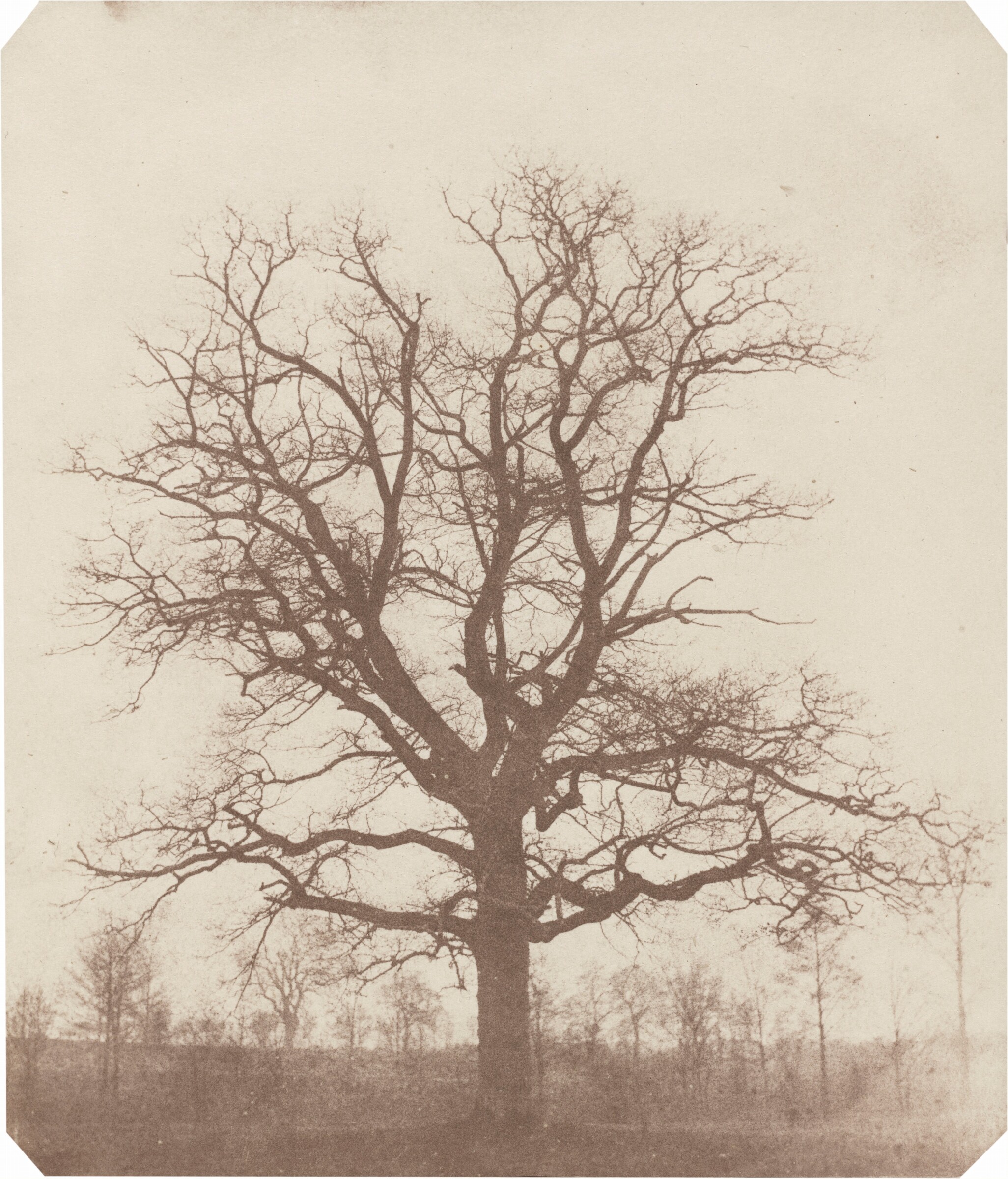
William Henry Fox Talbot, one of the inventors of photography, was a polymath who felt as comfortable writing Greek verse as he did experimenting with botany and chemistry. His negative/positive process—and the reproductive possibilities it engendered—came to dominate photography until the digital age. Talbot held artistic aspirations, but he was also interested in the myriad scientific and commercial applications for photography. He hoped that his photographs of lace, for example, might make it easier to copy intricate patterns and thus facilitate manufacturing. The negative for this print was likely made by laying a fragment of lace upon a piece of photosensitized paper and exposing it to the sun, without the aid of a camera.
Art Institute of ChicagoCC BY 4.0
Particulars
- Accession number
- 1967.152
What it shows
In the catalog
Sources
- Art Institute of Chicago: the museum's own open data · fetched 7 days ago
- Image: Art Institute of Chicago — CC0
Meanwhile, in the life of William Henry Fox Talbot
The whole life1840s
Photomechanics: the road to photogravure
In the 1840s Talbot turned to the photomechanical reproduction of pictures; this work led to photoglyphic engraving, the precursor of photogravure. Rendering a photograph in printer’s ink made editions cheaper and avoided the fading of early silver prints.
1842
Birth of his son Charles Henry
Charles Henry Talbot was born into the Talbot family; with his birth the nursemaid Eliza Frayland joined the household, later captured in the family calotype of 1844.
1842
Son born: Charles Henry Talbot
1842
The Rumford Medal for his photographic discoveries
The Royal Society awarded Talbot the Rumford Medal for his photographic discoveries.
1842 · Award
Rumford Medal
1844–1846
“The Pencil of Nature”, the first photobook, appears
Longman, Brown, Green & Longmans issued the book in separate parts: 24 prints, each pasted in by hand and accompanied by a short text. Talbot is regarded as the author of the first photographic book; scholars see in it the design of a new canon built on biblical rhetoric.