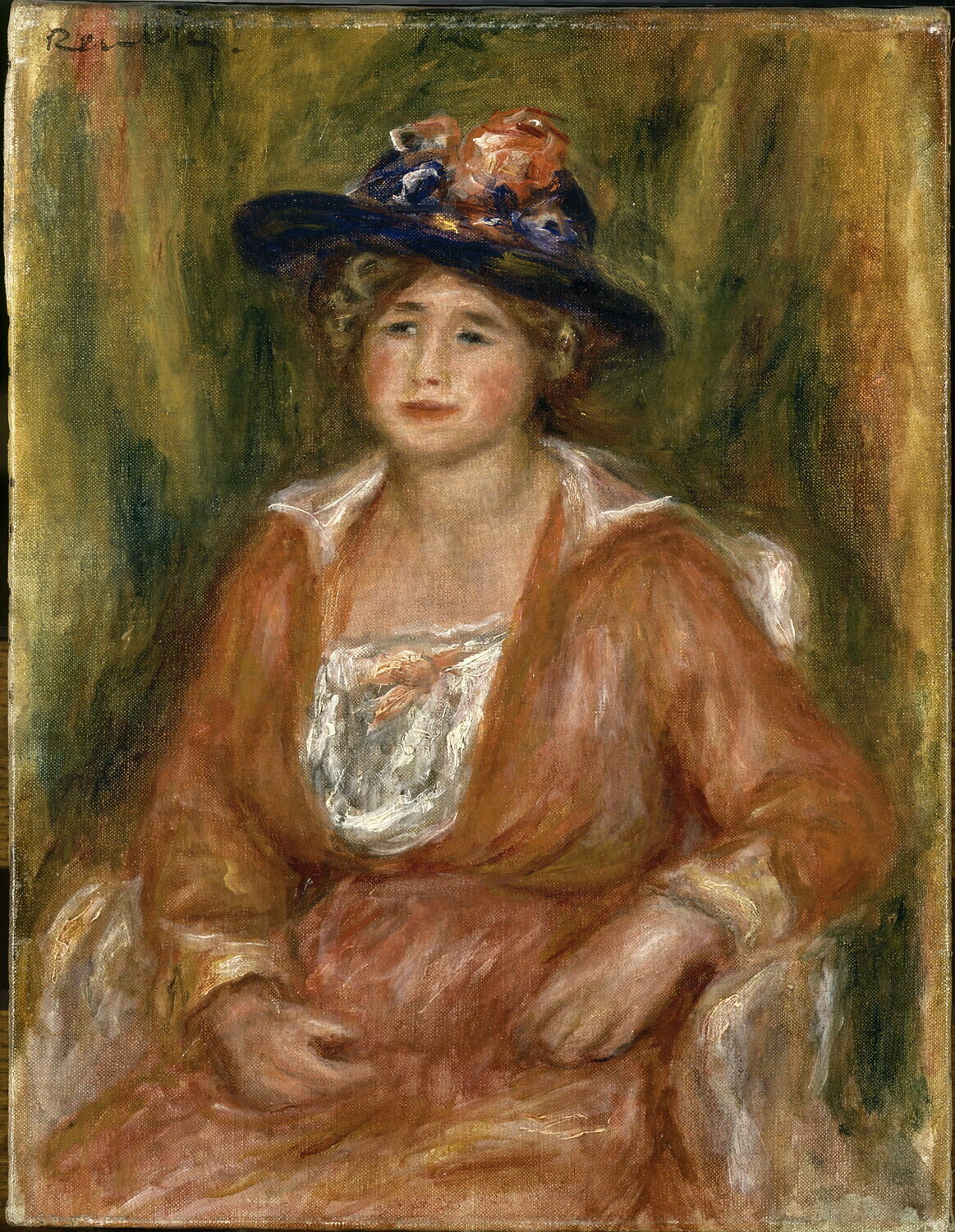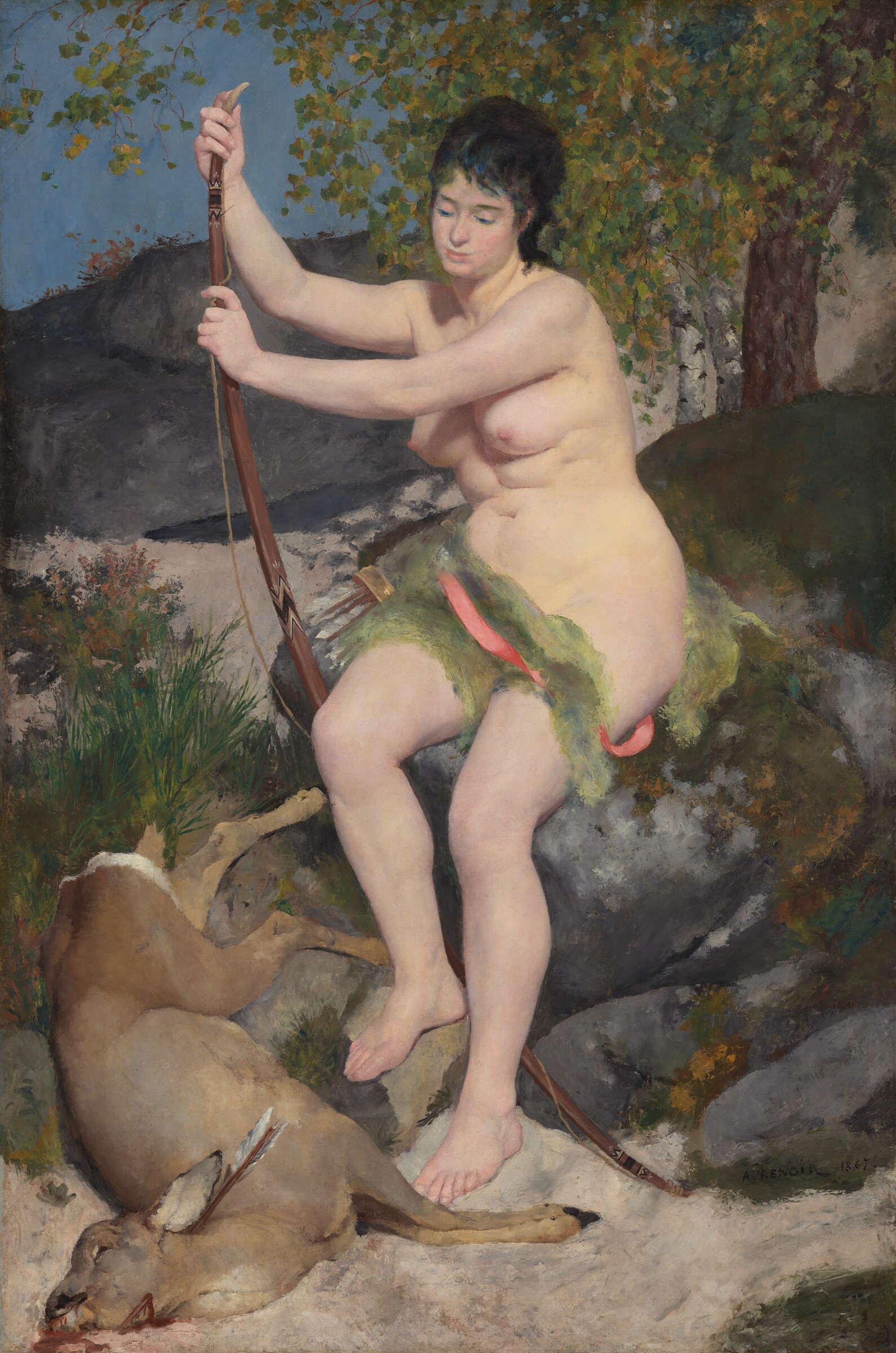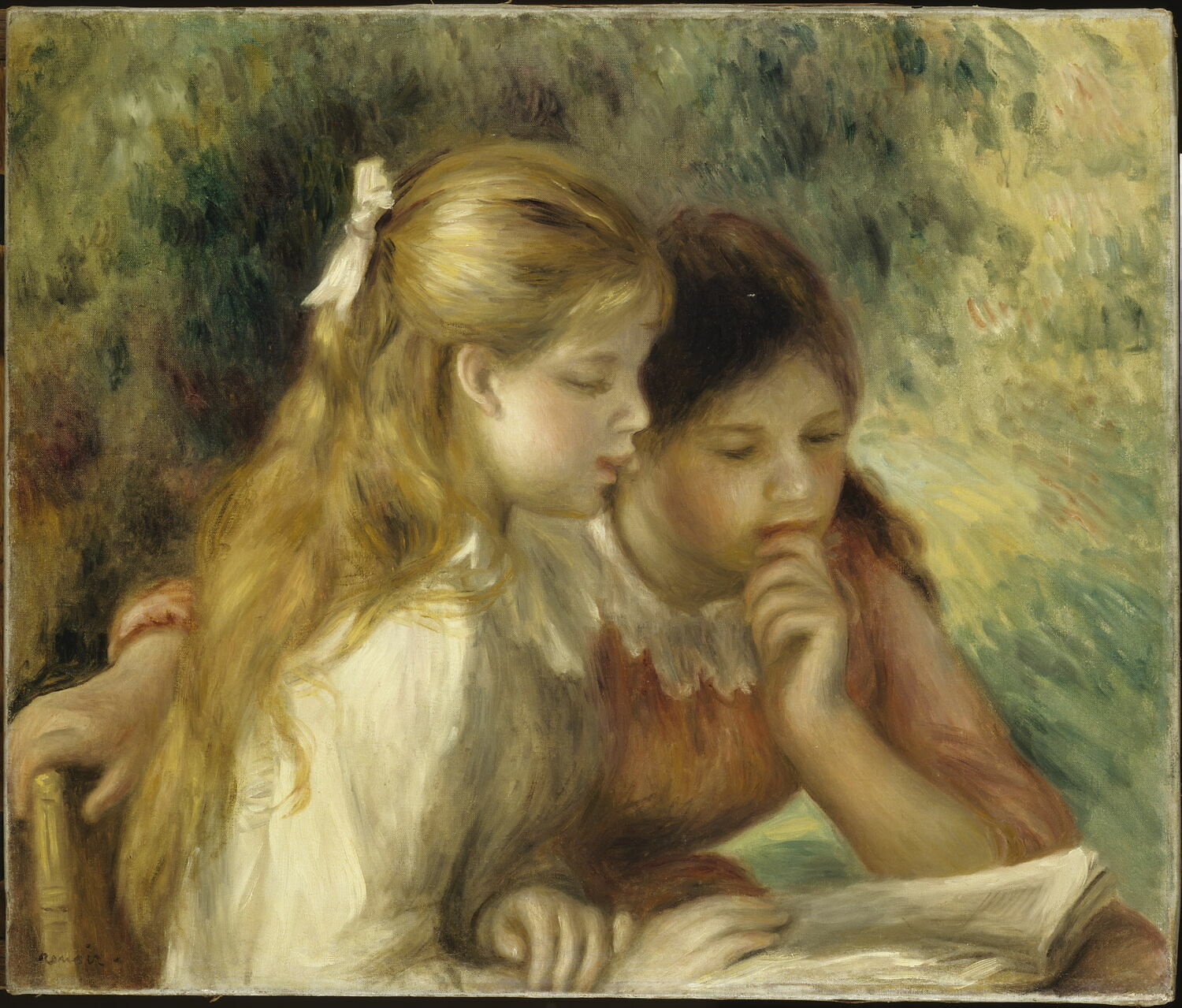
 Pierre-Auguste RenoirFrench, 1841–1919
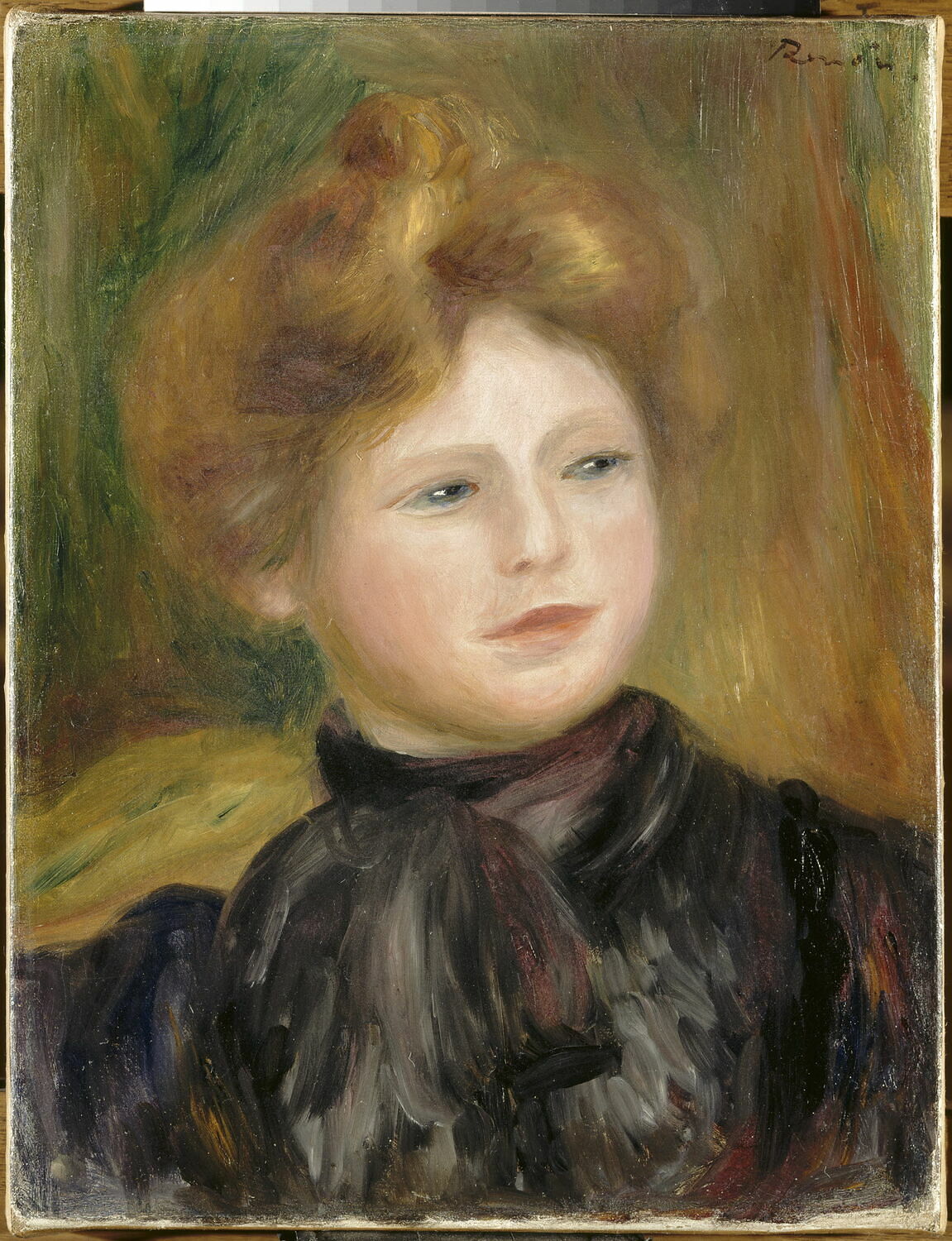
La lecture
May one see it?
Yes, receiving visitors

Musée du Louvre
Room903, Aile Sully, Niveau 2Paris, France
On public display.
- Checked
- 7 days ago
- In this state since
- Sep 26, 2026
- Source
- The museum's own collection data
Particulars
- Accession number
- RF 1961 70
Sources
- Musée du Louvre: the museum's own open data · fetched 7 days ago
- Image: Musée du Louvre — © 1994 GrandPalaisRmn (musée du Louvre) / Hervé Lewandowski
Meanwhile, in the life of Pierre-Auguste Renoir
The whole lifeDecember 1873
Founding the society of the future Impressionists
Renoir and his friends created the Anonymous Cooperative Society of Artists, Painters, Sculptors and Engravers — the future Impressionist group.
15 April – 15 May 1874
First Impressionist exhibition
Renoir took an active part in organizing the exhibition and showed a pastel and six paintings, among them "The Dancer" and "La Loge" (The Theater Box). It was at his suggestion that the catalogue carried the title of Monet's painting "Impression, Sunrise," which gave rise to the word "Impressionists."
1879
Triumph at the Salon of 1879
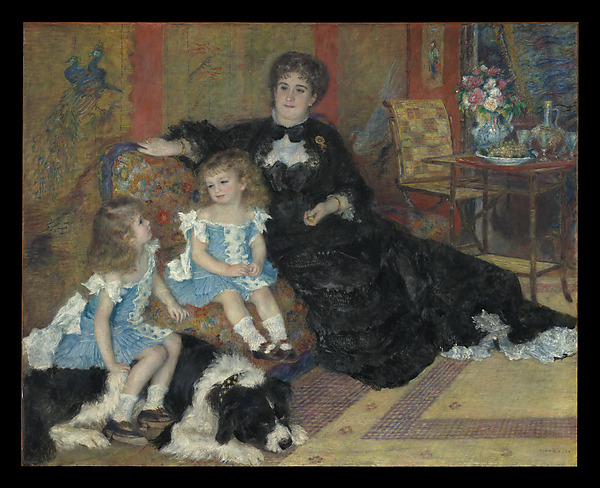
Presenting "Portrait of Madame Charpentier and Her Children" and the full-length "Portrait of the Actress Jeanne Samary," Renoir won universal recognition, and with it financial independence.
1881
Algeria, Madrid, Italy
Renoir traveled to Algeria, the land of Delacroix, then to Madrid to see the works of Velázquez, and to Italy, where he saw Titian in Florence and Raphael in Rome. The journey convinced him that with Impressionism he had "reached the limit," and turned him toward classicism.
1883–1890
The "Ingres" period
Impressed by the classics of the Italian Renaissance and by Ingres, Renoir effectively broke with Impressionism: his lines became crisp, his colors more restrained and cooler. The artist himself called this period "sour"; it includes "Dance in the Country," "Dance in the City" and "Dance at Bougival."
1892
Success at Durand-Ruel's
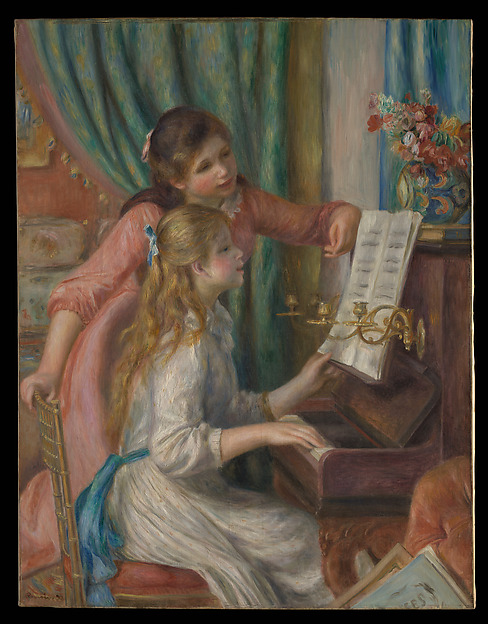
An exhibition of Renoir's work at Durand-Ruel's gallery was a great success. Recognition also came from the state: "Young Girls at the Piano" was acquired for the Musée du Luxembourg.