ART WIKI33,040 on view
MapCollectionArtistsMuseumsExhibitionsJournal
Sign in

ART WIKI

Where the masterpiece hangs, and when they let you in.

Collections: Art Institute of Chicago, Getty Villa, Harvard Art Museums, Hirshhorn Museum and Sculpture Garden, J. Paul Getty Museum, Minneapolis Institute of Art, Musée du Louvre, National Gallery of Art, National Museum of Asian Art, National Portrait Gallery (Smithsonian), Pushkin State Museum of Fine Arts, Rijksmuseum, Smithsonian American Art Museum, SMK — National Gallery of Denmark, State Hermitage Museum, State Russian Museum, The Cleveland Museum of Art, The Metropolitan Museum of Art, The Museum of Modern Art, Tretyakov Gallery, Victoria and Albert Museum, Whitney Museum of American Art, State Catalogue of the Museum Fund of Russia (274 museums), Europeana (19 museums), Wikidata (6 museums), Paris Musées (12 museums), and Joconde, the French Ministry of Culture's museum database (495 museums). Images belong to their rights holders.

Sections

  • Map
  • Search
  • Collection
  • Masterpieces
  • On view now
  • Artists

More

  • Museums & galleries
  • Exhibitions
  • Journal
  • Where the data comes from
  • Privacy & cookies
HomeMapBrowse
  1. Collection/
  2. Musée du Louvre/
  3. Gipsy Girl
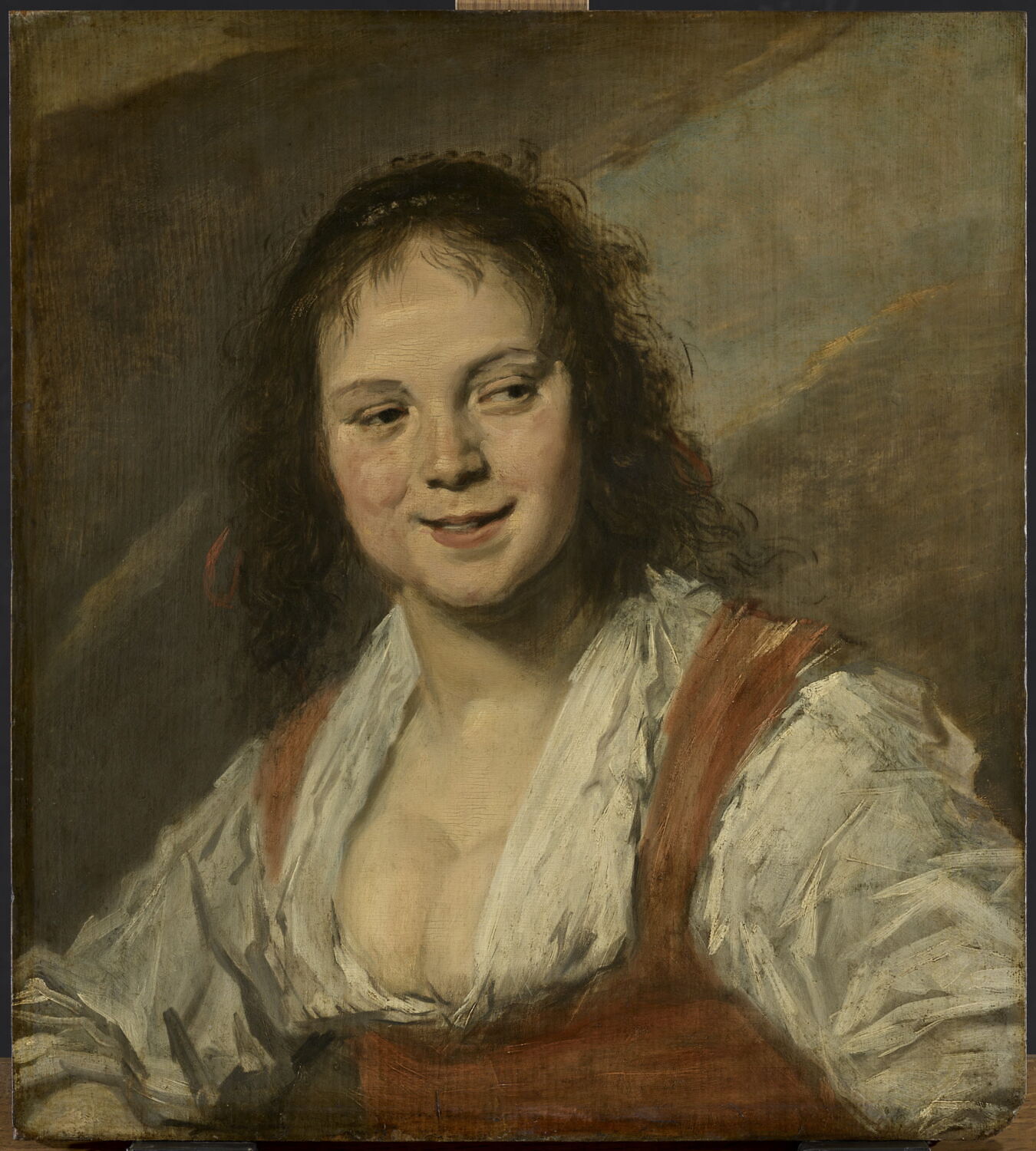
Gipsy Girl, Frans Hals, second quarter of the 17th century (c. 1626)
Frans Hals, portraitFrans HalsDutch, 1581–1666

Gipsy Girl

La Bohémienne

second quarter of the 17th century (c. 1626) · Painting

About the painting

The Gypsy Girl, also known as Gypsy Girl or Young Woman (La Bohémienne) (and sometimes erroneously referred to as Malle Babbe) is an oil-on-wood painting by the Dutch Golden Age painter Frans Hals, painted in 1628–1630, and now in the Louvre Museum, in Paris. It is a tronie, a study of facial expression and unusual costume, rather than a commissioned portrait.

The display of cleavage was not a common feature of costume seen in public in Hals' time and place. For this reason various art historians have assumed a painting of a prostitute was intended. From the 19th century the Louvre titled the painting La Bohémienne, meaning a female gypsy, but there is no reason to assume the model was Romani.

Wikipedia · CC BY-SA

Particulars

second quarter of the 17th century (c. 1626)
15811666
Accession number
MI 926

Meanwhile, in the life of Frans Hals

The whole life
  1. 1612–1624

    Service in the Haarlem civic guard

    From 1612 to 1624 Hals serves in the local civic guard (schutterij); he will paint his first “militia picture” in 1616 and his last in 1639.

  2. 1617–1666 · Workplace

    Haarlem

  3. December 1624

    Son born: Jacob Hals

  4. 1626

    Pupil: Adriaen van Ostade

  5. 1627

    Son born: Reynier Hals

  6. 1628

    Son born: Nicolaes Hals
More by Frans Hals

All works

In the same room · Salle 846, Aile Richelieu, Niveau 2, Musée du Louvre

Museum page

May one see it?

Yes, receiving visitors

Musée du Louvre

Paris, France

Room846, Aile Richelieu, Niveau 2

On public display.

Checked
13 days ago
In this state since
Sep 26, 2026
Source
The museum
On the mapMuseum page

In the catalog

PaintingsOilDutch paintingBaroque17th century

Sources

  • Musée du Louvre
  • Image: Musée du Louvre — © 2023 GrandPalaisRmn (musée du Louvre) / Mathieu Rabeau
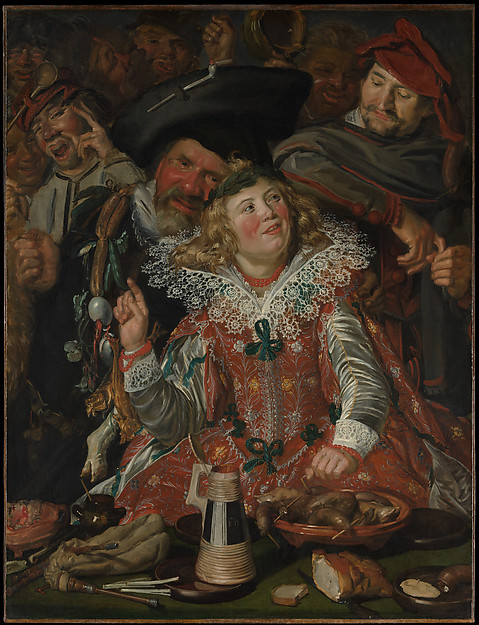
Merrymakers at Shrovetide, Frans Hals, ca. 1616–17

Merrymakers at Shrovetide

ca. 1616–17 · The Metropolitan Museum of Art

De vrolijke drinker, Frans Hals, c. 1628 - c. 1630

A Militiaman Holding a Berkemeyer, Known as the ‘Merry Drinker’

c. 1628 - c. 1630 · Rijksmuseum

Portrait of Duijfje van Gerwen (1618-1658), Frans Hals, c. 1637

Portrait of Duijfje van Gerwen (1618-1658)

c. 1637 · Rijksmuseum

Portrait of Jan van de Poll (1597-1678), Frans Hals, c. 1637

Portrait of Jan van de Poll (1597-1678)

c. 1637 · Rijksmuseum

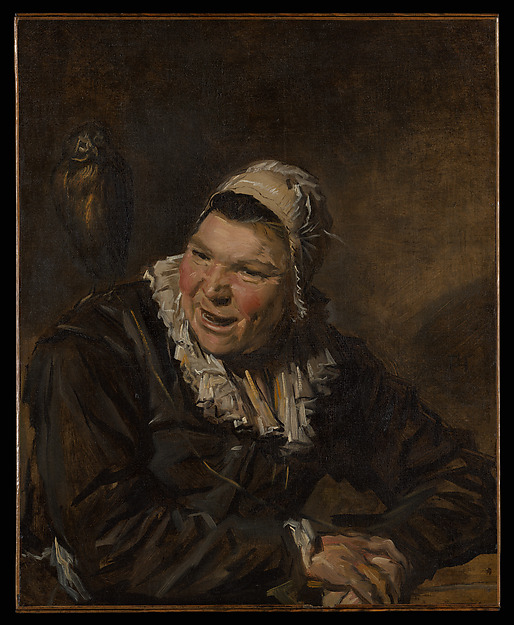
Barbara Claes (died 1663, called “Malle Babbe”), Frans Hals

Barbara Claes (died 1663, called “Malle Babbe”)

The Metropolitan Museum of Art

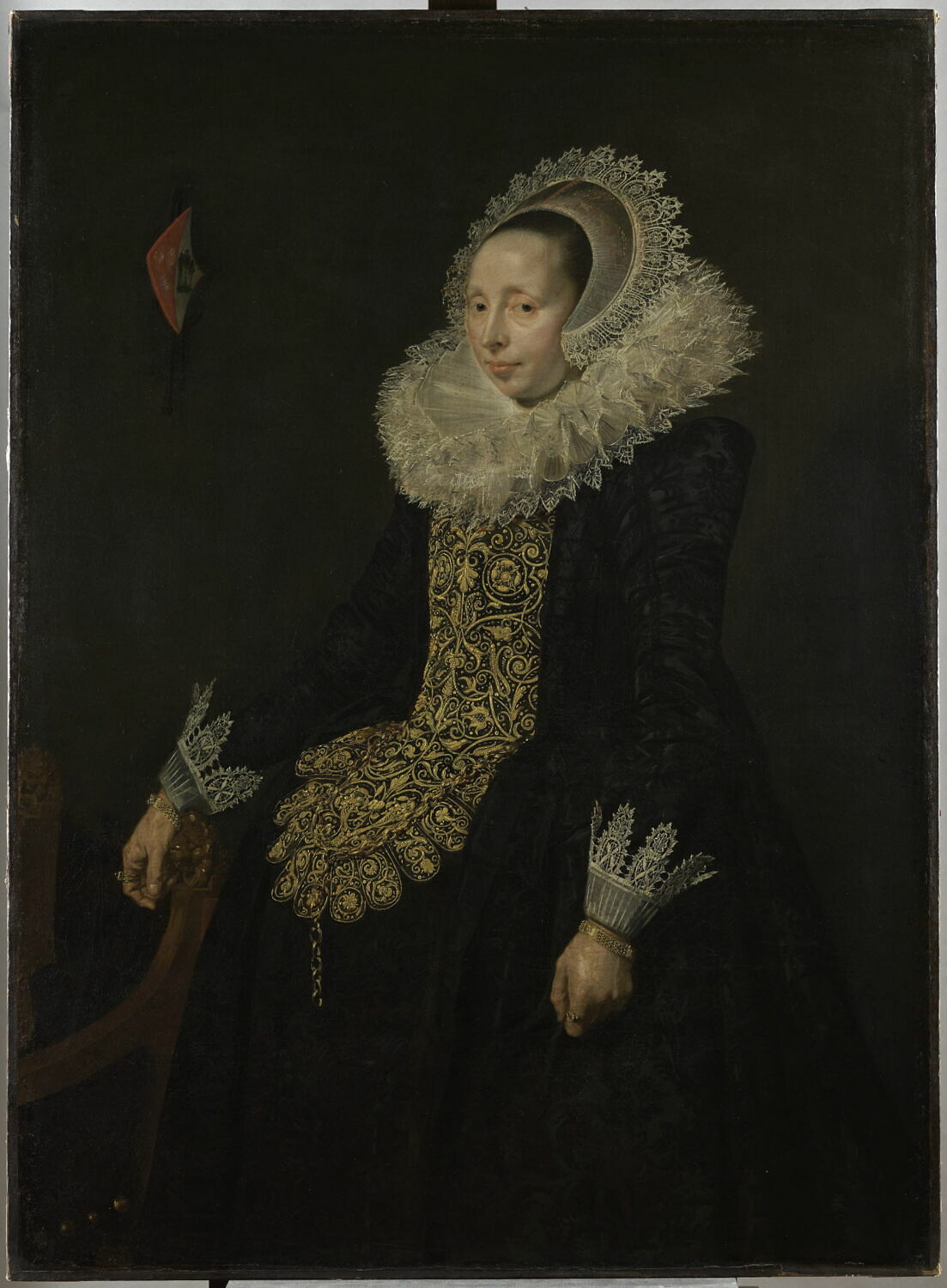
Portrait de Catarina Both van der Eem (1589-1666), troisième épouse de Paulus van Beresteyn, Hals, Frans, 1e quart du XVIIe siècle (1619 - 1620)

Portrait de Catarina Both van der Eem (1589-1666), troisième épouse de Paulus van Beresteyn

first quarter of the 17th century (1619–1620) · Musée du Louvre

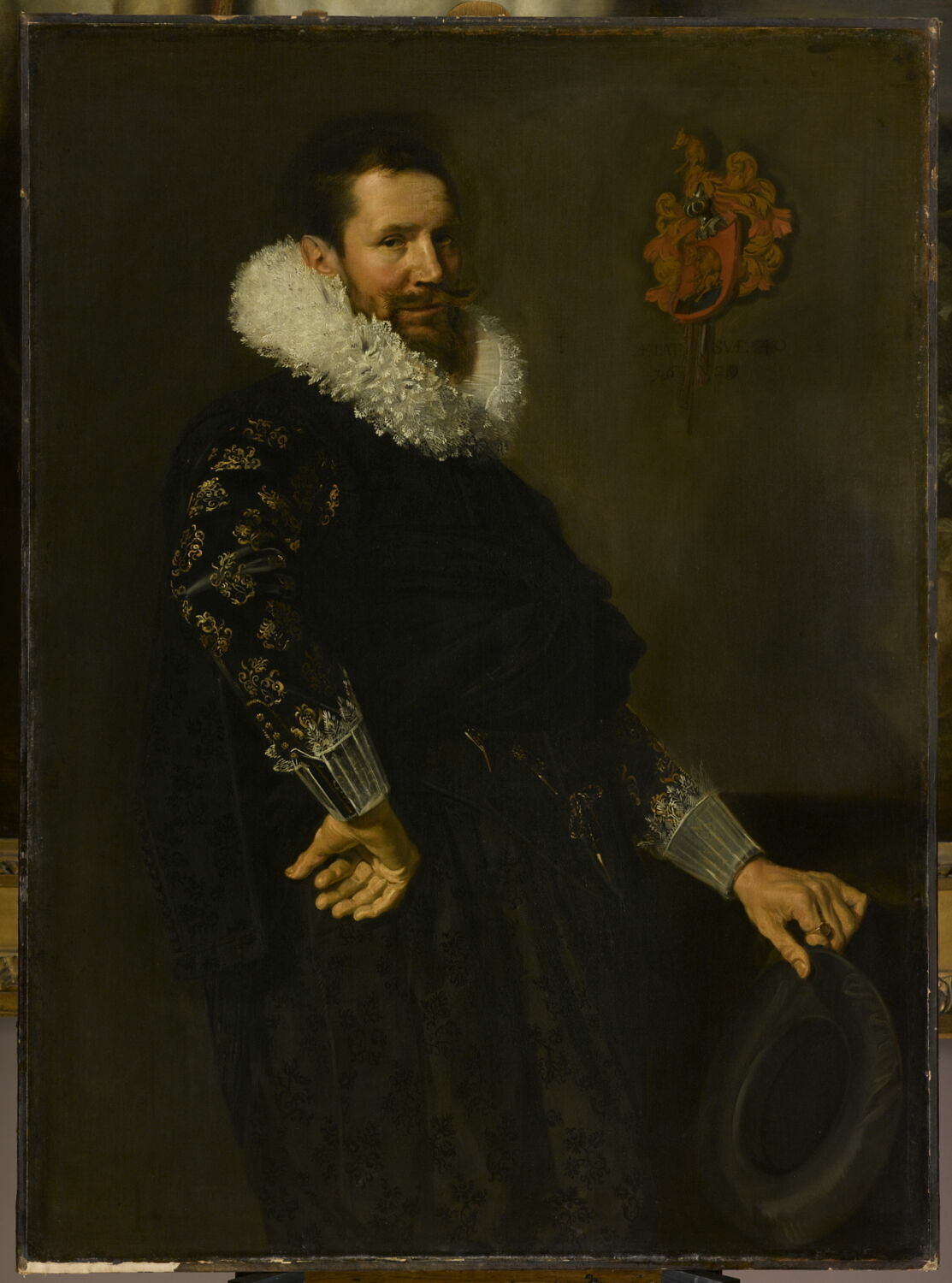
Paulus Van Beresteyn, homme de loi à Haarlem, 1619 ou 1620 (?), Hals, Frans, 1e quart du XVIIe siècle (vers 1619 - 1620)

Paulus Van Beresteyn, homme de loi à Haarlem, 1619 ou 1620 (?)

first quarter of the 17th century (c. 1619–1620) · Musée du Louvre

Young Man and Woman in an Inn, Frans Hals, 1623

Young Man and Woman in an Inn

1623 · The Metropolitan Museum of Art

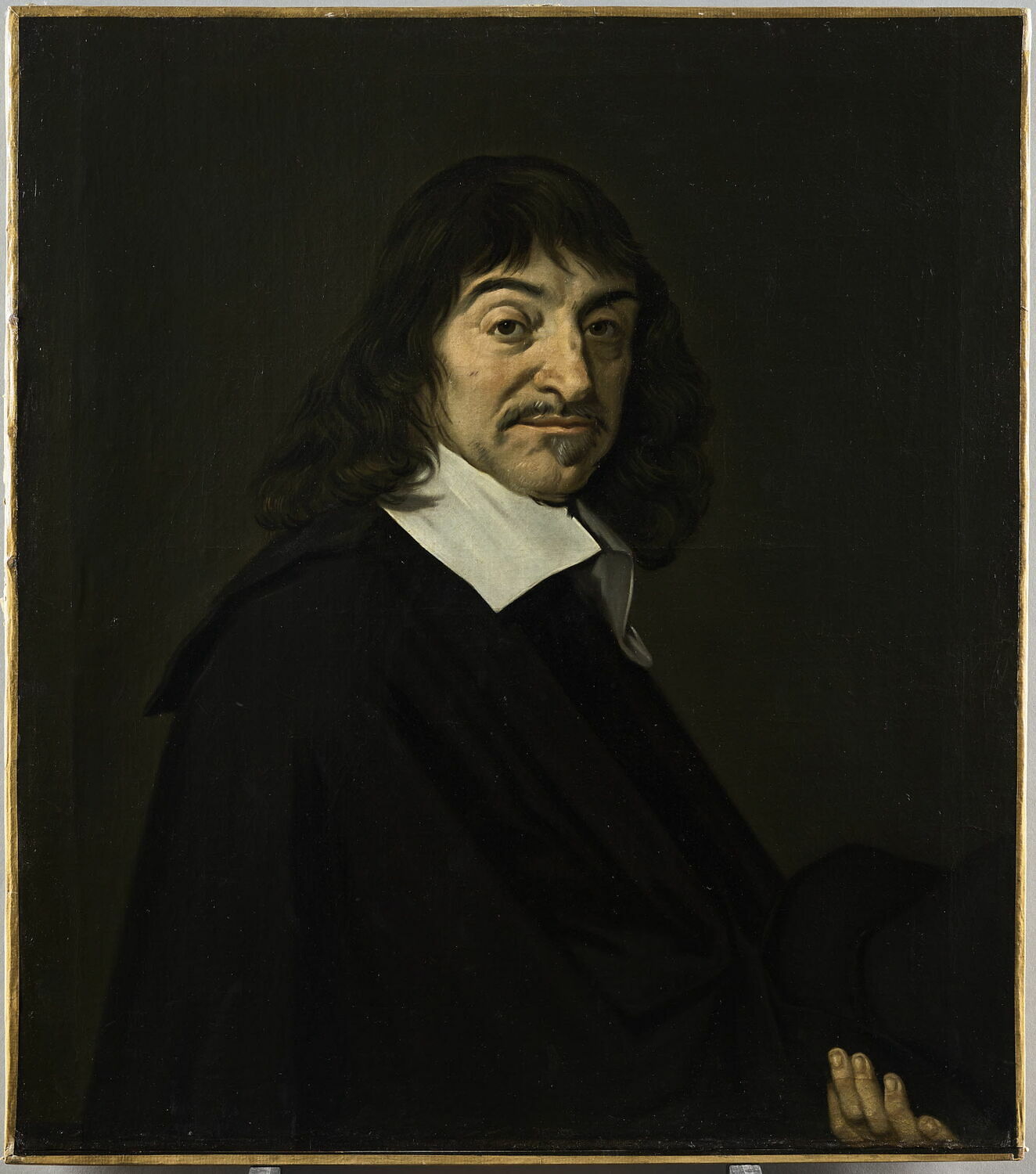
Portrait de René Descartes (1596-1650) philosophe, Hals, Frans, 2e quart du XVIIe siècle (1625 - 1650)

Frans Hals

Portrait de René Descartes (1596-1650) philosophe, second quarter of the 17th century (1625–1650)

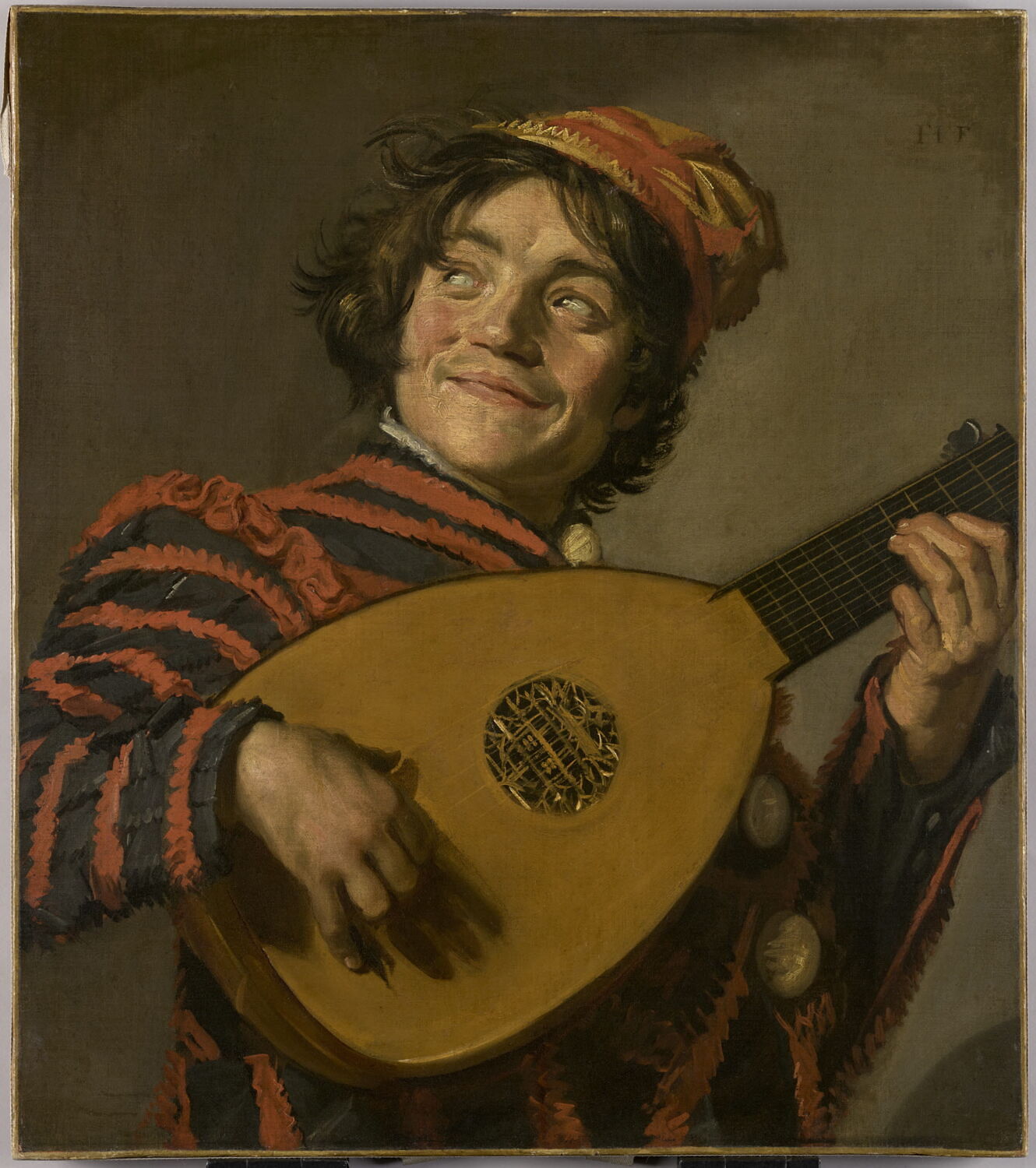
Le Bouffon au luth, Hals, Frans, 1e moitié du XVIIe siècle (vers 1623-1624) (avant 1623 - 1624)

Frans Hals

Le Bouffon au luth, first half of the 17th century (before 1623–1624)

Paulus Van Beresteyn, homme de loi à Haarlem, 1619 ou 1620 (?), Hals, Frans, 1e quart du XVIIe siècle (vers 1619 - 1620)

Frans Hals

Paulus Van Beresteyn, homme de loi à Haarlem, 1619 ou 1620 (?), first quarter of the 17th century (c. 1619–1620)

Portrait de Catarina Both van der Eem (1589-1666), troisième épouse de Paulus van Beresteyn, Hals, Frans, 1e quart du XVIIe siècle (1619 - 1620)

Frans Hals

Portrait de Catarina Both van der Eem (1589-1666), troisième épouse de Paulus van Beresteyn, first quarter of the 17th century (1619–1620)

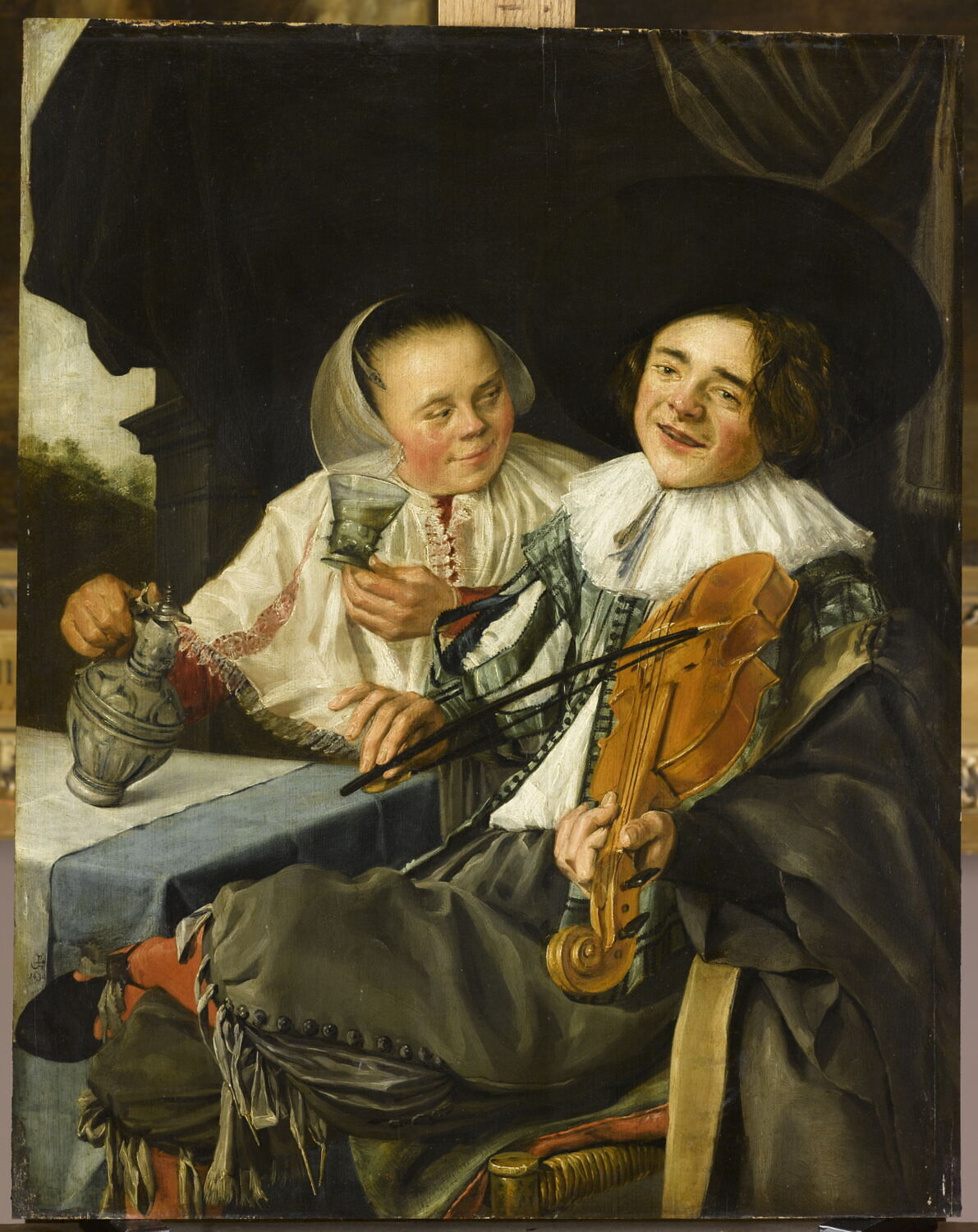
La Joyeuse Compagnie, Leyster, Judith, 2e quart du XVIIe siècle (1630)

Judith Leyster

La Joyeuse Compagnie, second quarter of the 17th century (1630)

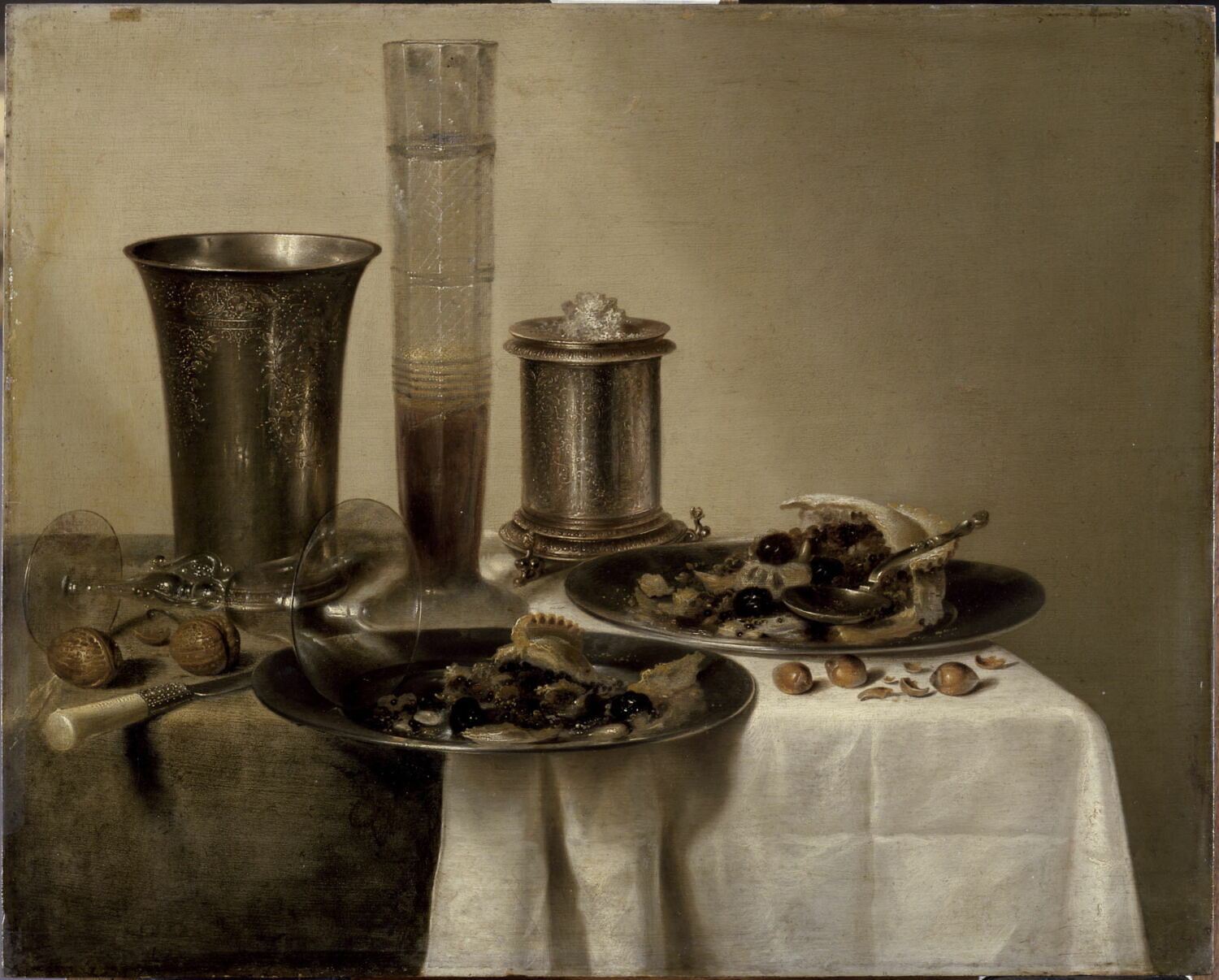
Fin de collation, Heda, Willem Claesz., 2e quart du XVIIe siècle (1637)

Willem Claesz. Heda

Fin de collation, second quarter of the 17th century (1637)

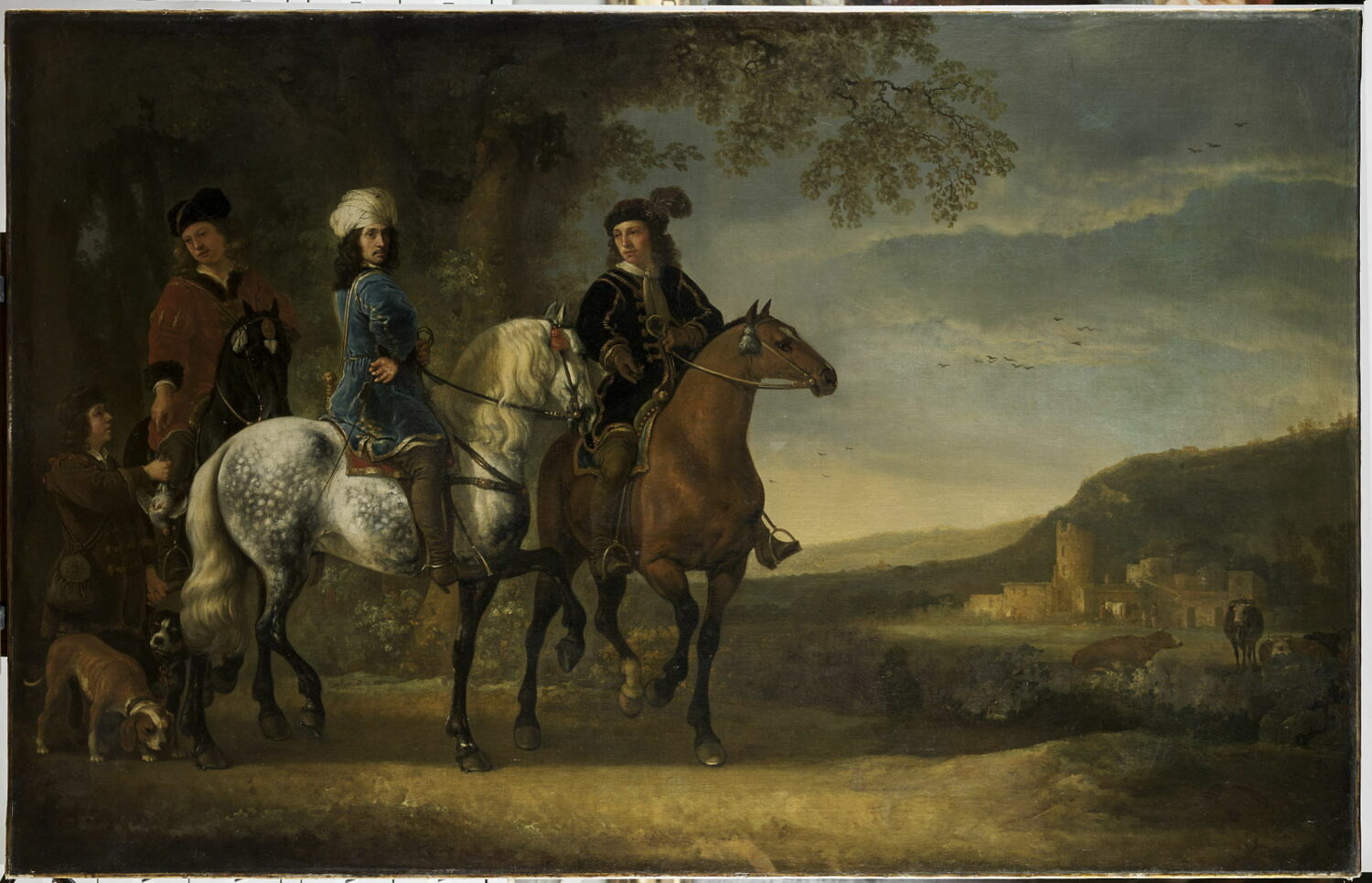
Paysage avec trois cavaliers, Cuyp, Aelbrecht, 3e quart du XVIIe siècle (1665 - 1670)

Aelbert Cuyp

Paysage avec trois cavaliers, third quarter of the 17th century (1665–1670)

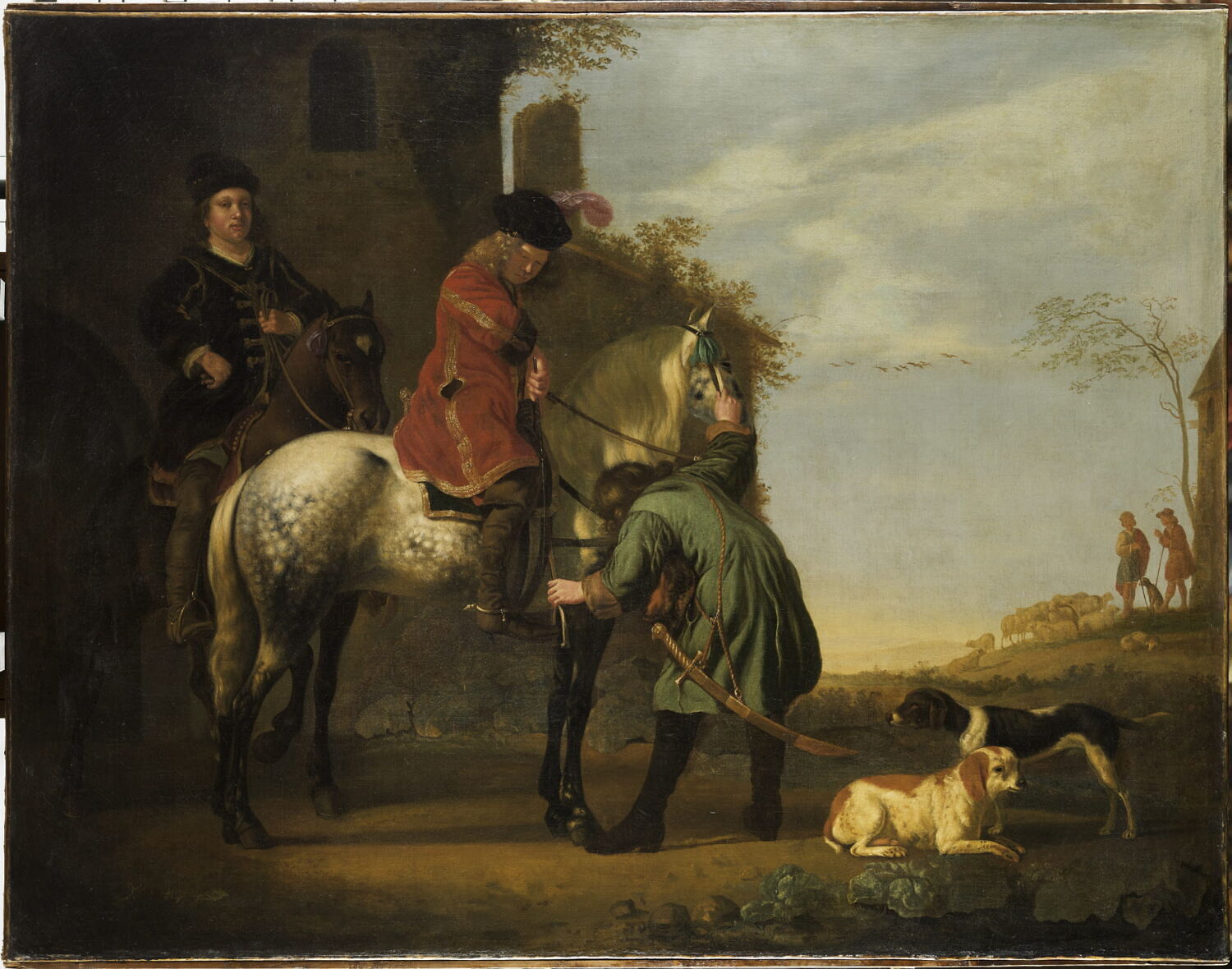
Le départ pour la promenade à cheval, Cuyp, Aelbrecht, 3e quart du XVIIe siècle (vers 1660 - 1670)

Aelbert Cuyp

Le départ pour la promenade à cheval, third quarter of the 17th century (c. 1660–1670)