 Jean-Auguste-Dominique IngresFrench, 1780–1867
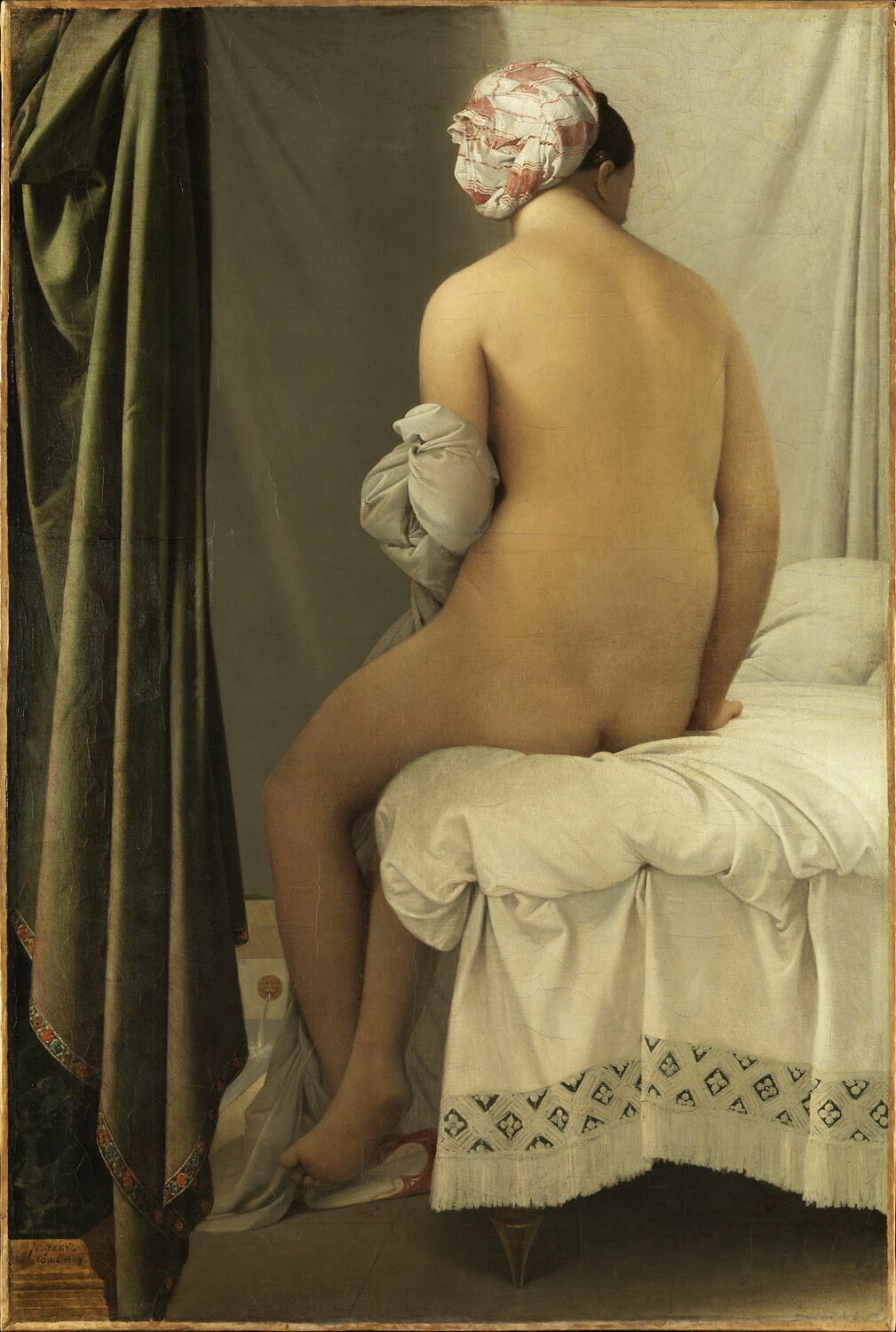
The Valpinçon Bather
La baigneuse, dite Baigneuse de Valpinçon
May one see it?
Yes, receiving visitors

Musée du Louvre
Room940, Aile Sully, Niveau 2Paris, France
On public display.
- Checked
- 7 days ago
- In this state since
- Sep 26, 2026
- Source
- The museum's own collection data
About the painting
The Valpinçon Bather (Fr: La Grande Baigneuse) is an 1808 painting by the French Neoclassical artist Jean-Auguste-Dominique Ingres (1780–1867), held in the Louvre since 1879. Painted while the artist was studying at the French Academy in Rome, it was originally titled Seated Woman but later became known after one of its nineteenth-century owners.
Particulars
- Accession number
- RF 259
Sources
- Musée du Louvre: the museum's own open data · fetched 7 days ago
- Image: Musée du Louvre — © 2015 GrandPalaisRmn (musée du Louvre) / Philippe Fuzeau
Meanwhile, in the life of Jean-Auguste-Dominique Ingres
The whole life1806
A chilly reception at the Salon of 1806
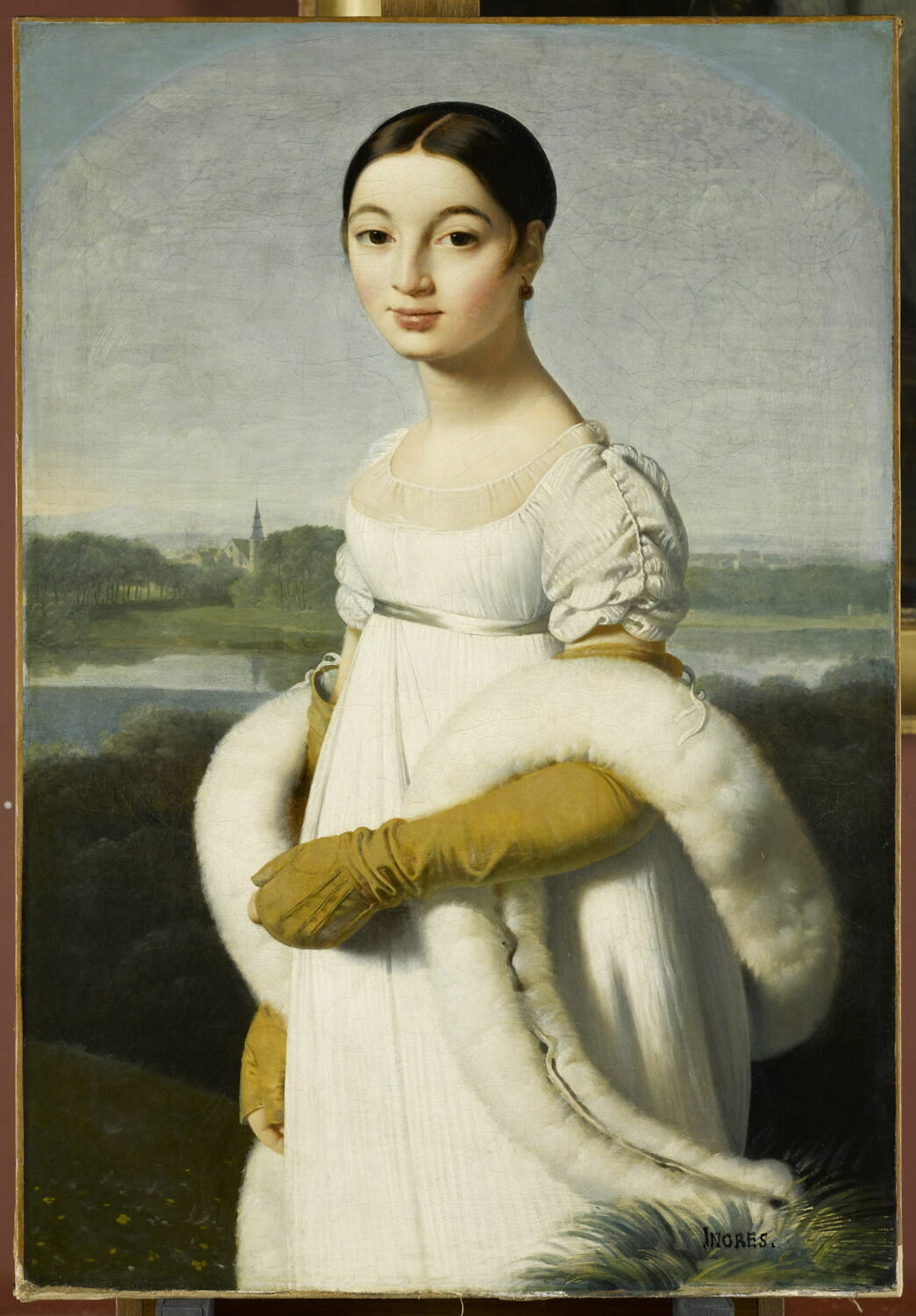
At the Salon of 1806 Ingres showed his Self-Portrait, the Rivière family portraits and Napoleon I on His Imperial Throne to a very chilly reception: David was severe, the critics hostile, and Chaussard called his style gothic and accused him of wanting to make art regress by four centuries. Ingres had left for Rome just days before the Salon opened.
1806
Engagement to Julie Forestier
In 1806 Ingres met the 24-year-old painter Marie-Anne-Julie Forestier and quickly became engaged to her. Her father and uncle, well-known lawyers, saw his long stay in Rome as the best way to strengthen the engagement, expecting him to return famous and with a good income.
11 October 1806
Arrival in Rome
Travelling via Milan, Bologna and Florence, Ingres reached Rome on 11 October 1806 and settled at the Villa Medici, the seat of the French Academy. At first he was bored and longed to return to Paris, but the Academy's director Joseph Suvée received him warmly and gave the fellows complete creative freedom.
23 November 1806
“Art will need to be reformed”
Reading the relentlessly hostile Paris press in Rome, Ingres wrote to his prospective father-in-law Jean Forestier that art would need to be reformed and that he meant to be that revolutionary. He vowed never to exhibit at the Salon again.
1806–1810 · Education
French Academy in Rome
1810
Deciding to stay in Rome
In 1810 Ingres's pension at the Villa Medici ended, but he decided to stay in Rome and seek patronage from the French occupation government.