 Boris Kustodiev1878–1927
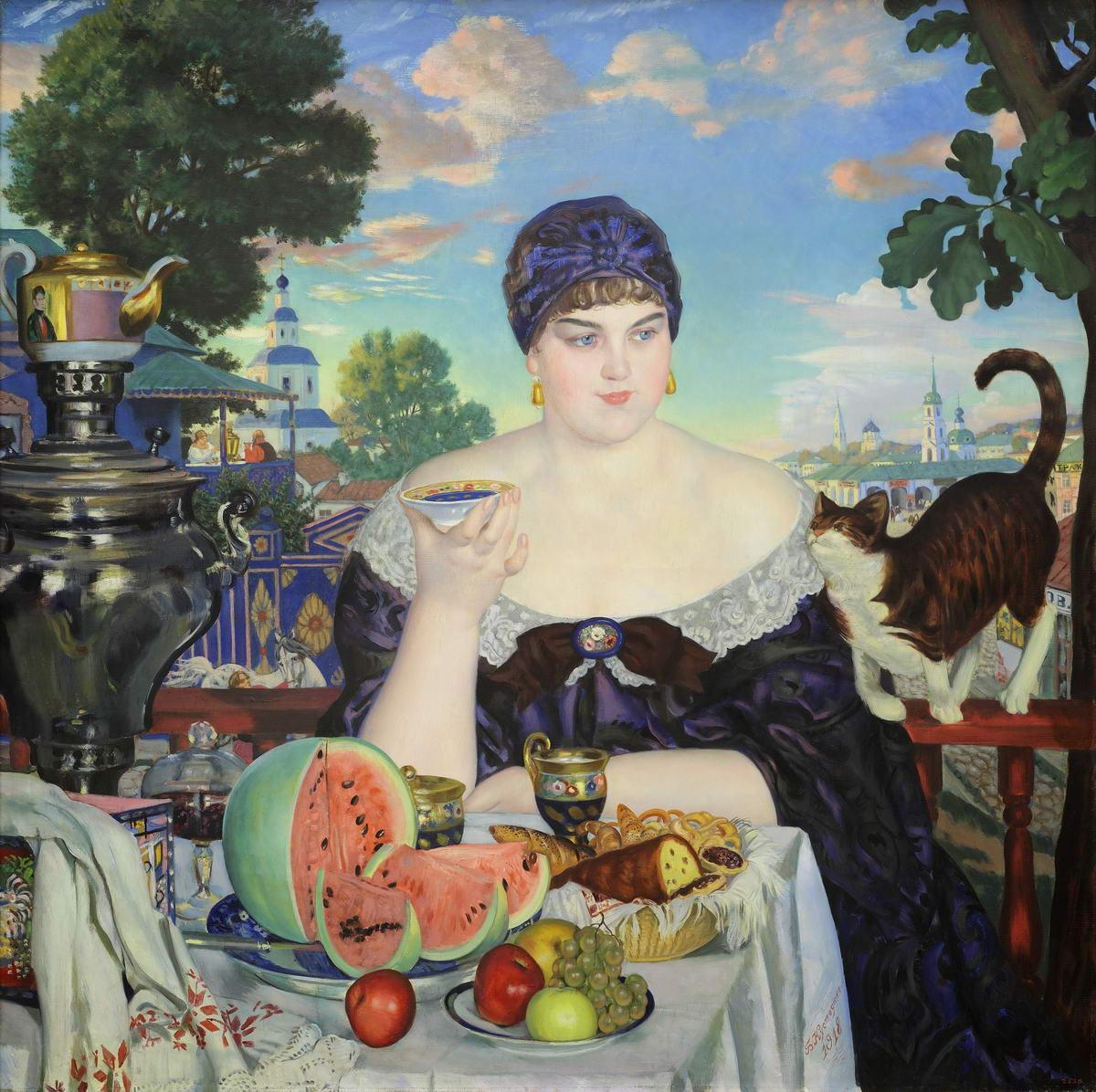
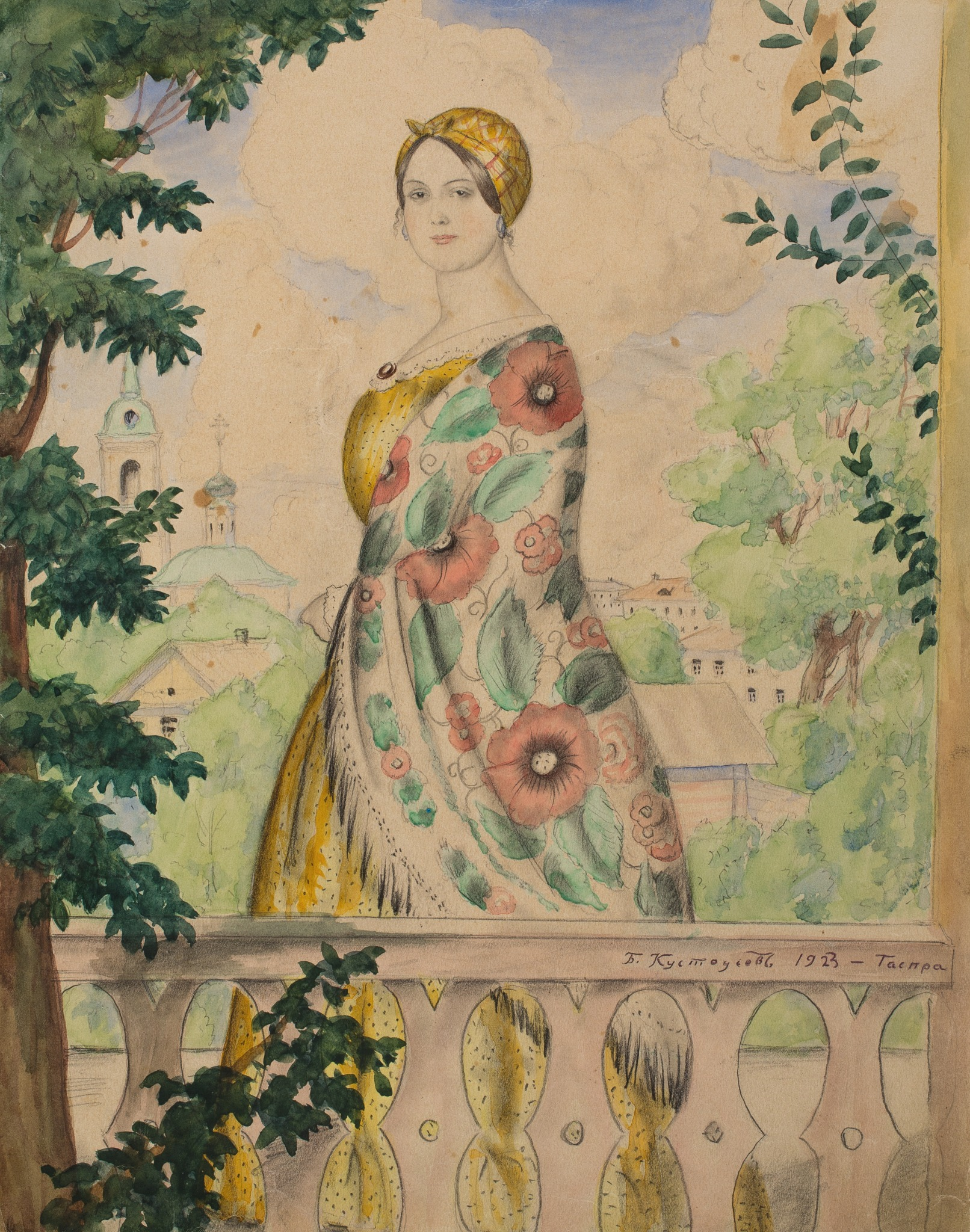
Купчиха
May one see it?
Unknown

Tretyakov Gallery
Moscow, Russia
The owner is known; whether it is on view today is not.
- In this state since
- Source
- The museum
About the work
In the museum's own words — in Russian
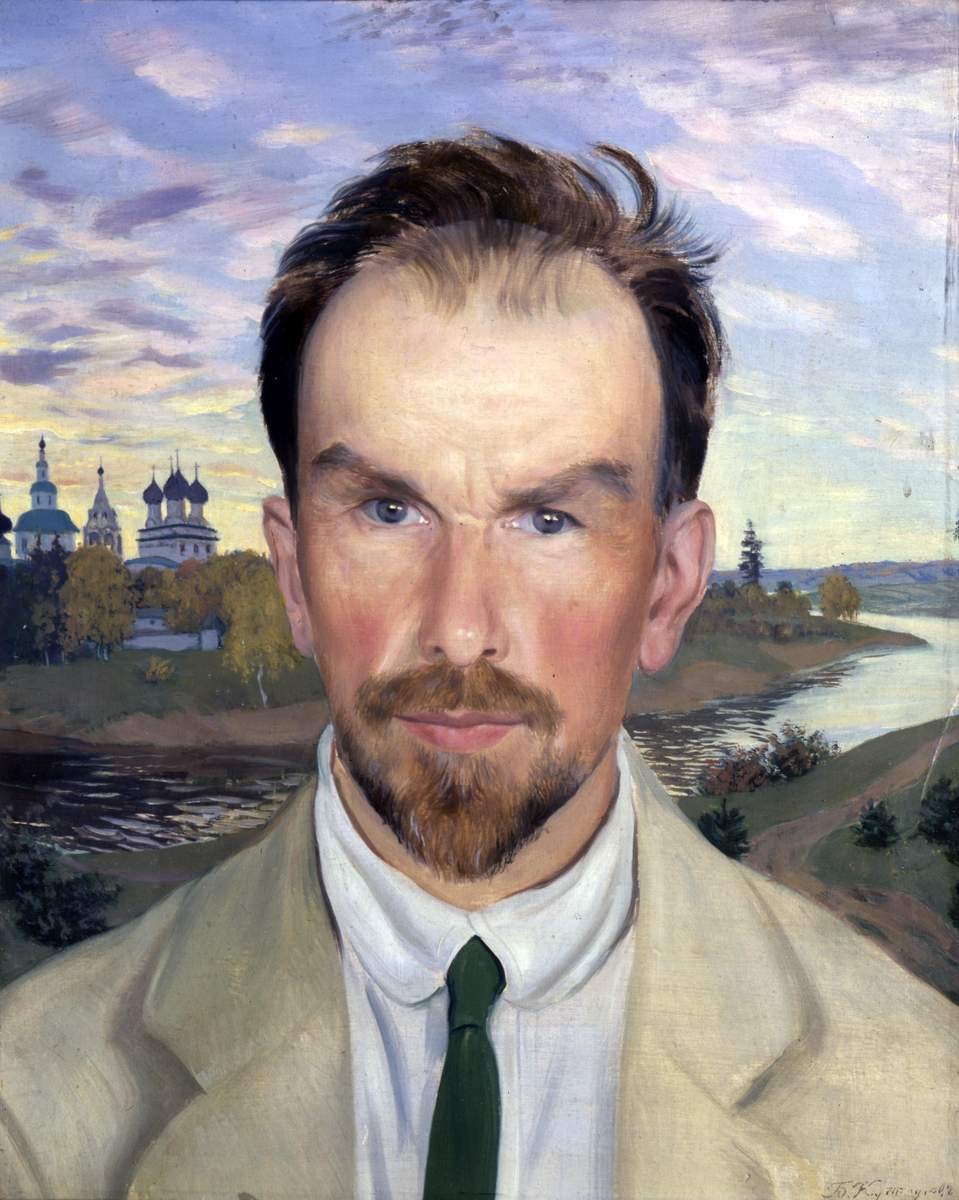
Жизнь Бориса Кустодиева сложилась непросто. Сначала было детство в провинциальной Астрахани, затем учеба в Петербургской Академии художеств у Ильи Репина, затем заграничные поездки и всеобщее признание. Потом тяжелая болезнь и последующая операция на спинном мозге приковали его к инвалидному креслу. Около пятнадцати лет художник провел в коляске, мучаясь постоянными болями. Но, наперекор болезни, большинство его поздних произведений проникнуты самыми светлыми и радостными эмоциями.
Read on
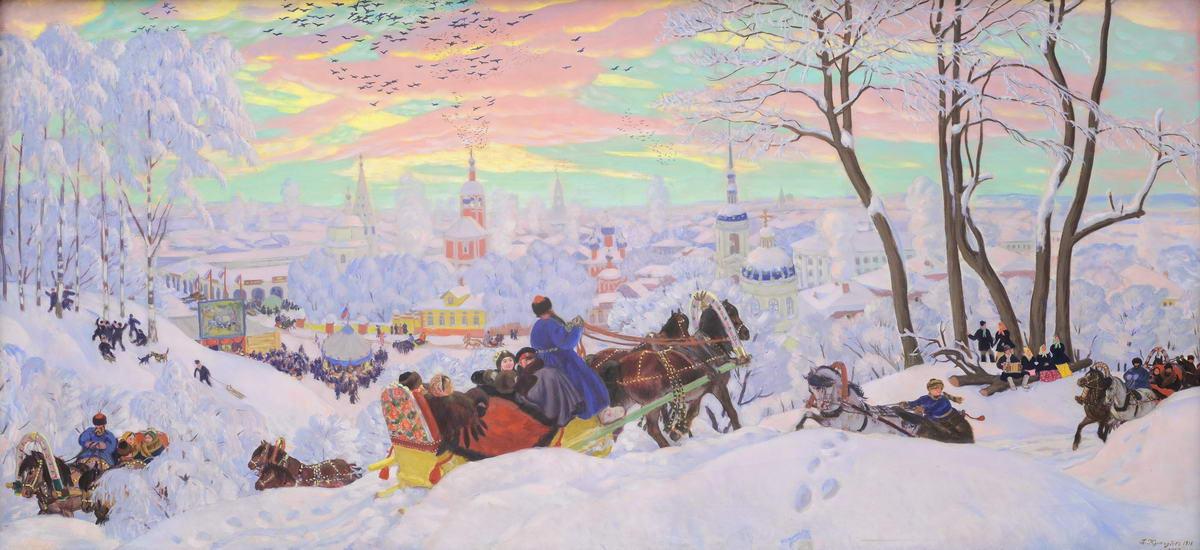
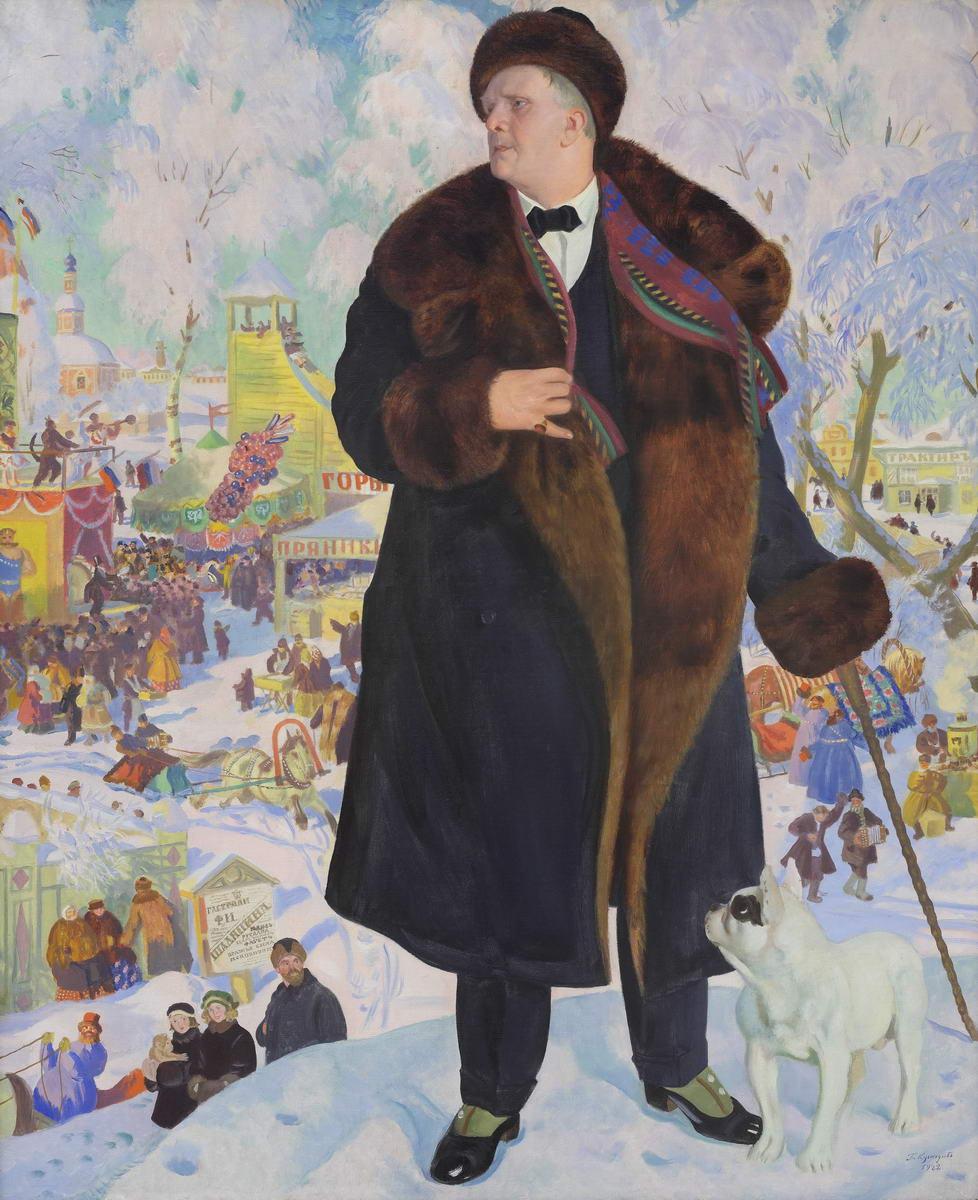
Критики называют его работы живописью идеала, и вместе с тем замечают, что гармоничное сочетание ярких красок порождал мир мечты, который художник находил в самых обычных вещах. Кустодиев писал по-праздничному яркий провинциальный быт, пышнотелых купчих и народные гуляния. Он продолжал создавать этот мир, когда в реальности от него не оставалось уже даже воспоминания. Но в его памяти русские типы продолжали жить. Недаром в начале 1920-х он издает альбом литографий под названием «Русские типы».
«Купчиха» 1923 года, кажется, сошла со страниц этого альбома. – то же изображение в полный рост, те же яркие краски. Примерно таким же образом, как и персонажи альбома, героиня изображена в природно-архитектурном окружении. Внизу под изображением имеется авторская надпись с указанием места написания этого листа – Гаспра. Художник находился в это время в черноморской Гаспре, по всей видимости, проходя там очередной курс лечения. При взгляде на акварель кажется, что яркое южное солнце немного «подсушило» изображение, заставив обычно такие интенсивные и сочные кустодиевские краски немного поблекнуть и потускнеть. Поэтому все изображение смотрится более отстраненно и изысканно.
Tretyakov Gallery
Particulars
- Accession number
- 22650
In the catalog
Sources
- Tretyakov Gallery
- Image: Tretyakov Gallery — © State Tretyakov Gallery
Meanwhile, in the life of Boris Kustodiev
The whole life1918–1921
Opera designs: “The Snow Maiden”, “The Tsar's Bride”
His opera designs were a success: “The Snow Maiden” for the Bolshoi Theatre (1918, never staged), “The Tsar's Bride” at the Bolshoi Opera Theatre of the People's House (1920), and set and costume designs for Serov's “The Power of the Fiend” at the former Mariinsky Theatre (1921).
1922
Illustrates Zamyatin's “How the Monk Erasmus Was Healed”
Kustodiev designed a separate illustrated edition of Yevgeny Zamyatin's story “How the Monk Erasmus Was Healed”. Zamyatin recalled that a seemingly insoluble task was solved with remarkable elegance, tact and a great sense of humour.
1922–1923
Illustrates Leskov
With his fine feeling for line, Kustodiev illustrated Leskov's “The Darner” (1922) and “Lady Macbeth of the Mtsensk District” (1923); he also worked in lithography and linocut.
1923
Joins the Association of Artists of Revolutionary Russia
Kustodiev joined the Association of Artists of Revolutionary Russia, and continued to paint, make engravings, illustrate books and design for the theatre until his death.
1925
Designs Zamyatin's “The Flea”
The productions of “The Flea” at the Second Moscow Art Theatre (1925) and the Leningrad Bolshoi Drama Theatre (1926) were a success. The director A. D. Diky recalled that he had nothing to correct in the designs: “The artist led the whole production.”