Rogier van der WeydenFlemish, 1399–1464
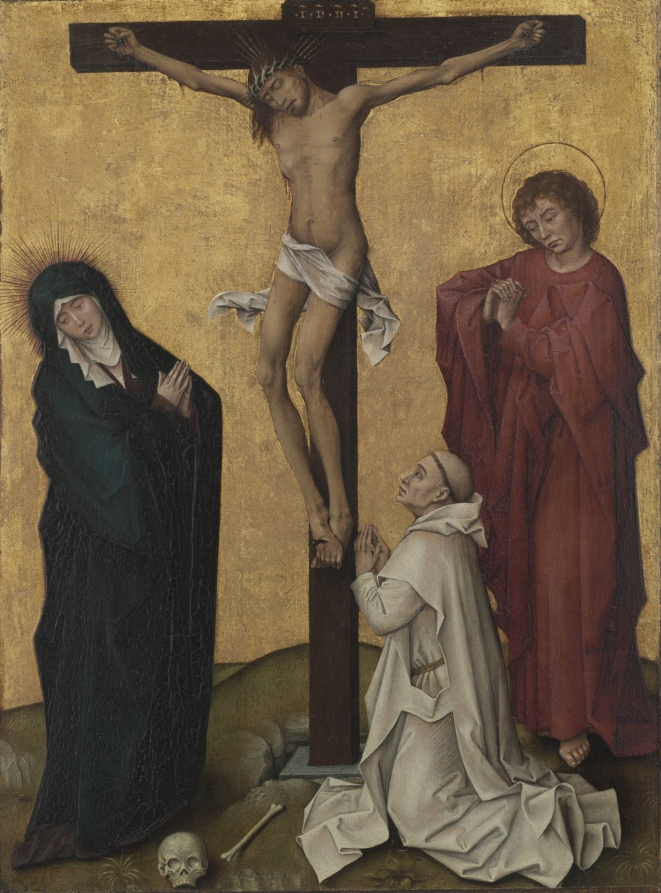
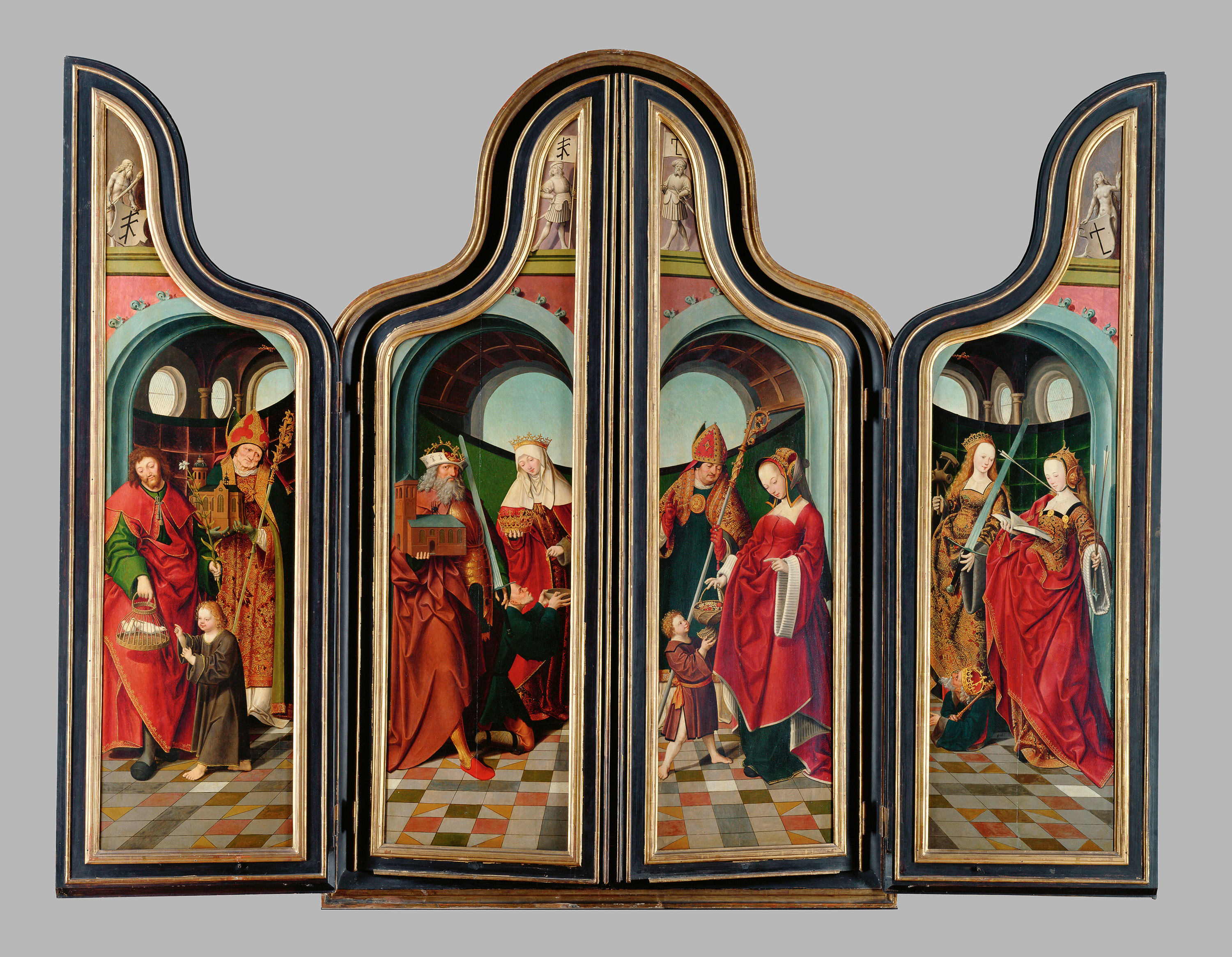
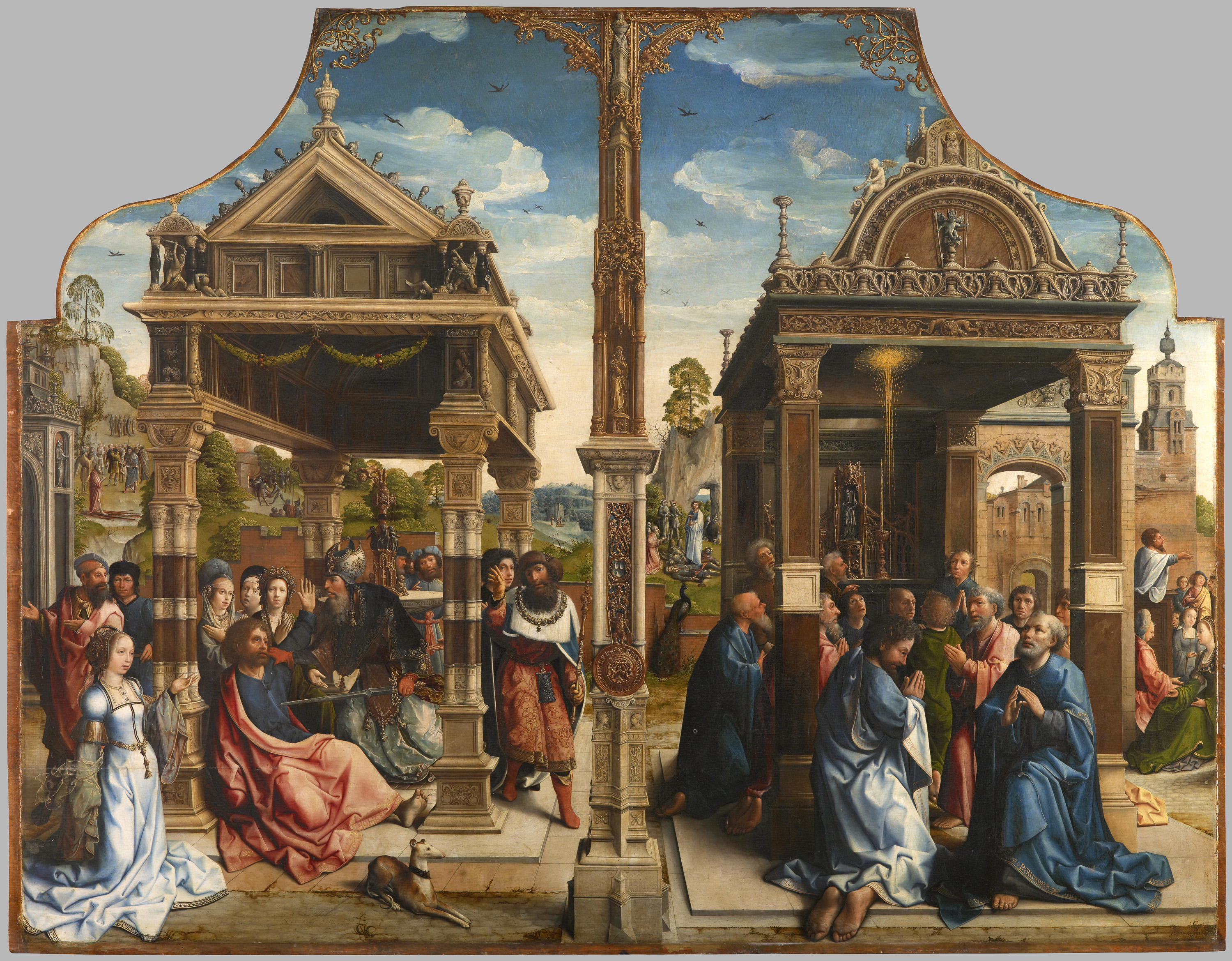
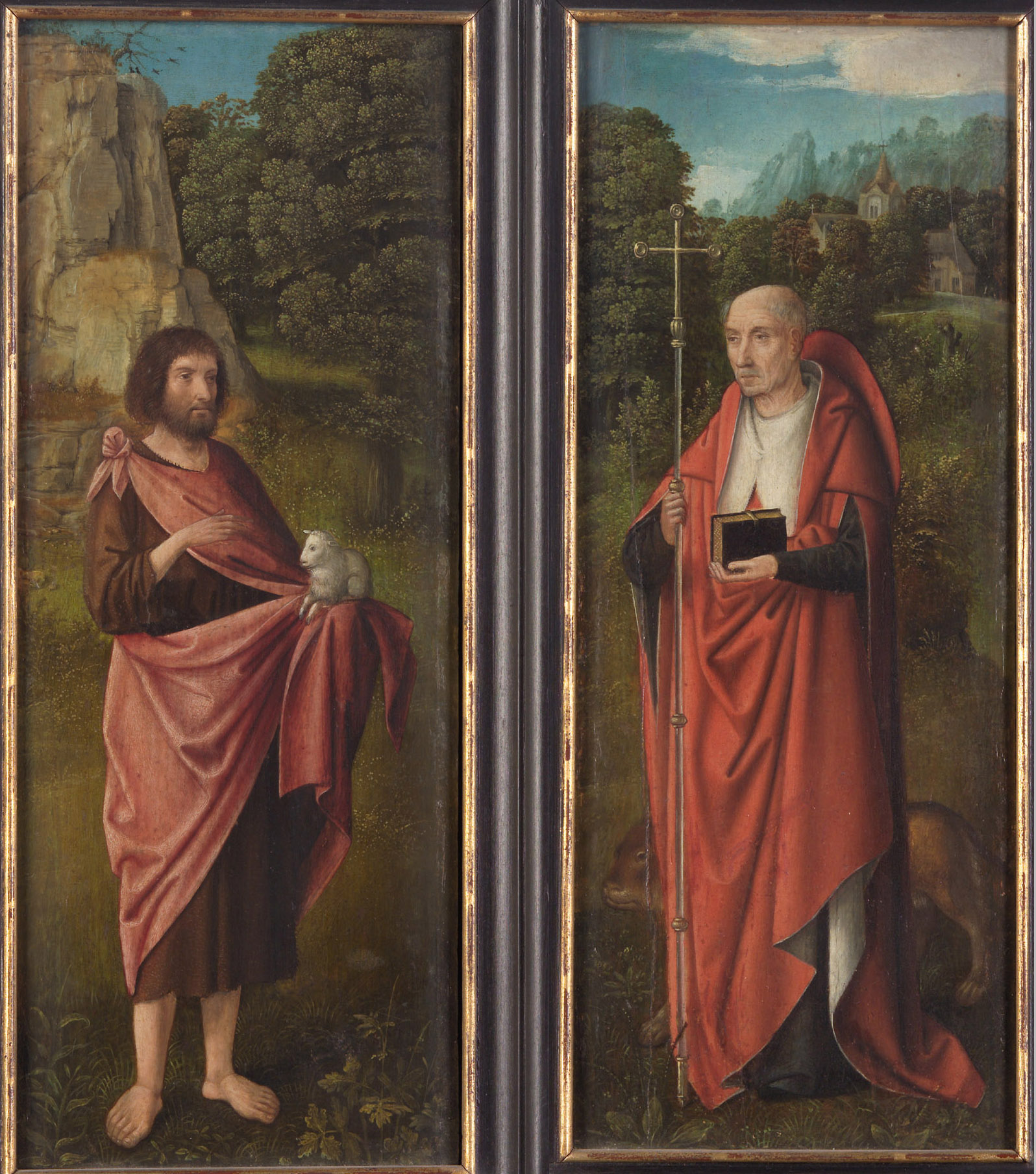
Kreuzigungsaltar
Can I see it?
Yes, on view now
Where is “Kreuzigungsaltar” now? Kunsthistorisches Museum, Gemäldegalerie, Kabinett 17, Vienna. Yes, on view now. Checked October 9, 2026.

Closed· opens at 10:00 AM
On public display.
- Checked
- In this state since
- Source
- The museum's website
Details
In the catalog
Display history
On view · Gemäldegalerie, Kabinett 17
Kunsthistorisches Museum · Oct 9, 2026 — now · Verified
Whether it was on view is unknown
Kunsthistorisches Museum · Sep 27, 2026 — Oct 9, 2026 · Unconfirmed
Sources
- Kunsthistorisches Museum
- Image: Kunsthistorisches Museum — CC BY-NC-SA 4.0
In the life of Rogier van der Weyden
The whole life1435–1464 · Workplace
Brussels
1435–1464
Portraitist of the Burgundian court
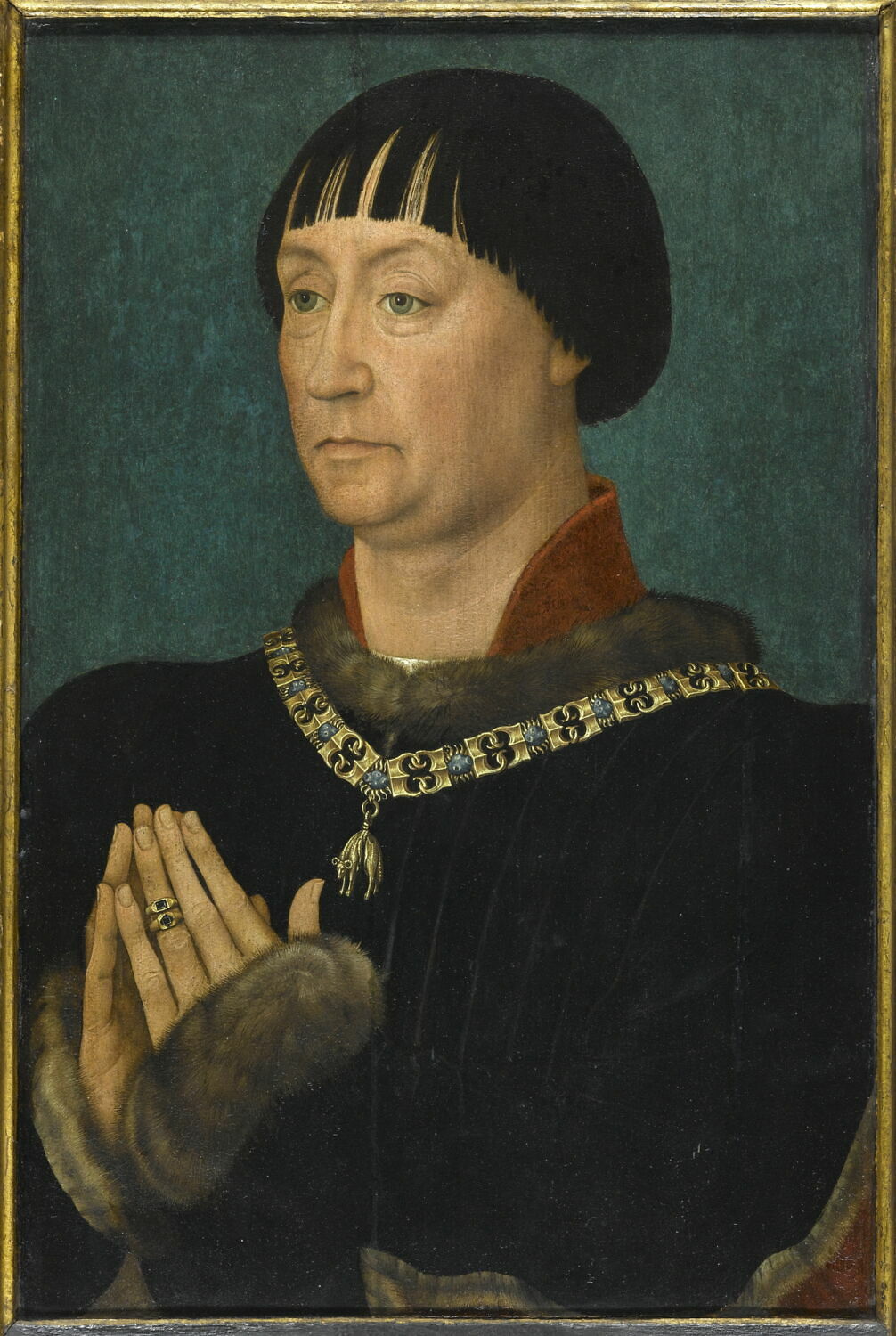
In Brussels he painted portraits of Duke Philip the Good, his son Charles the Bold and his illegitimate son Anthony of Burgundy, Philip I de Croÿ (1460) and Laurent Froimont; there is ample evidence of his prosperity and of the special patronage of the Burgundian court at the height of its power.
2 March 1436
Painter to the town of Brussels
From 2 March 1436 he held the prestigious title of “painter to the town of Brussels” (stadsschilder): the post was created especially for him, was meant to lapse on his death and was tied to a huge commission — four justice scenes for the “Golden Chamber” of the town hall.
1450
Italy, 1450: humanists and the older masters
In the Catholic jubilee year of 1450 he visited Rome, Ferrara and Florence: Italian humanist scholars welcomed him warmly, while he himself studied the painting of the older masters — Fra Angelico and Gentile da Fabriano.
1450–1455
Travel: Italy
1450–1460
Commissions from the Medici and the d’Este
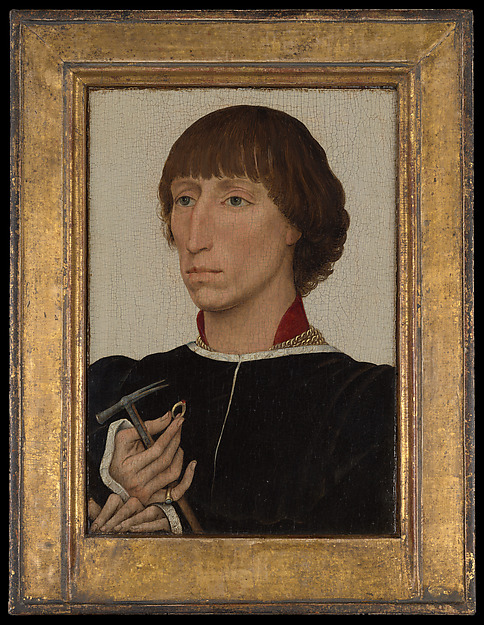
The Italian princely houses of Medici and d’Este commissioned works from him: a “Madonna” (now in the Uffizi) and the well-known portrait of Francesco d’Este (1460, now in New York’s Metropolitan Museum).