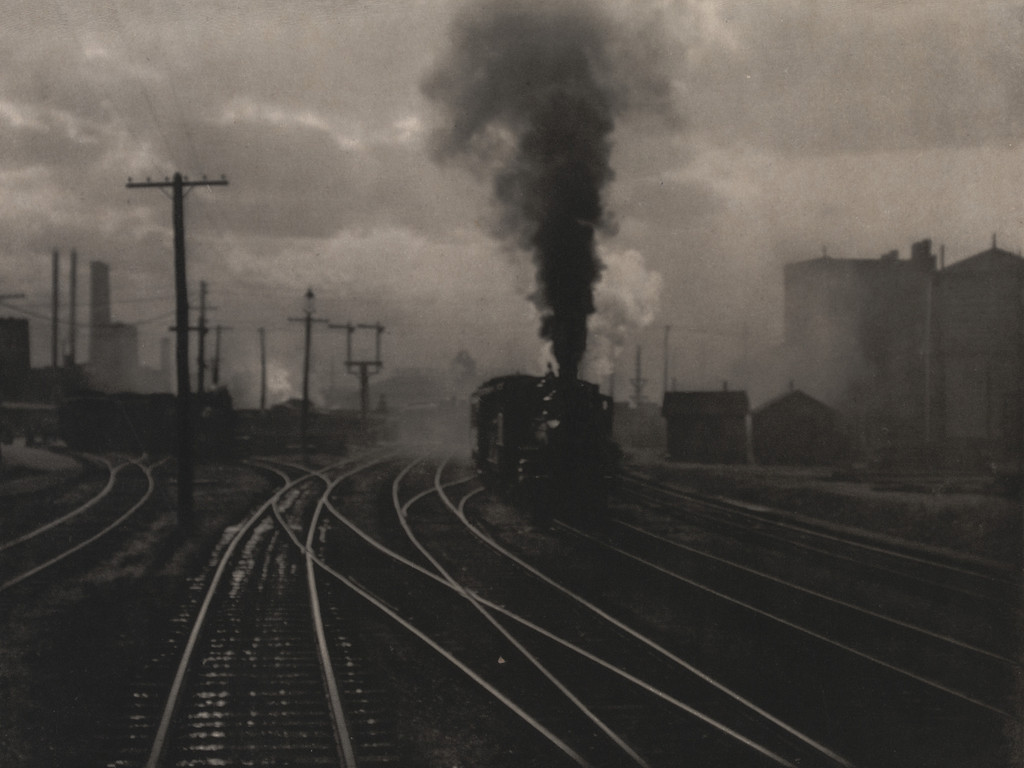
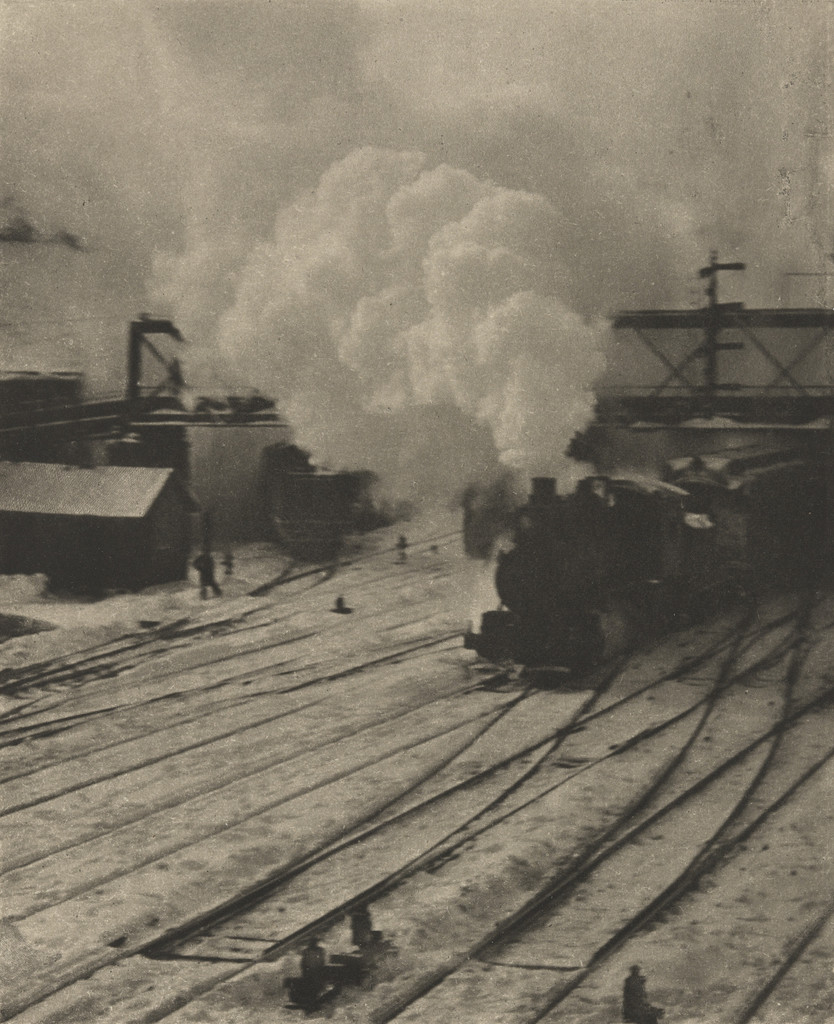
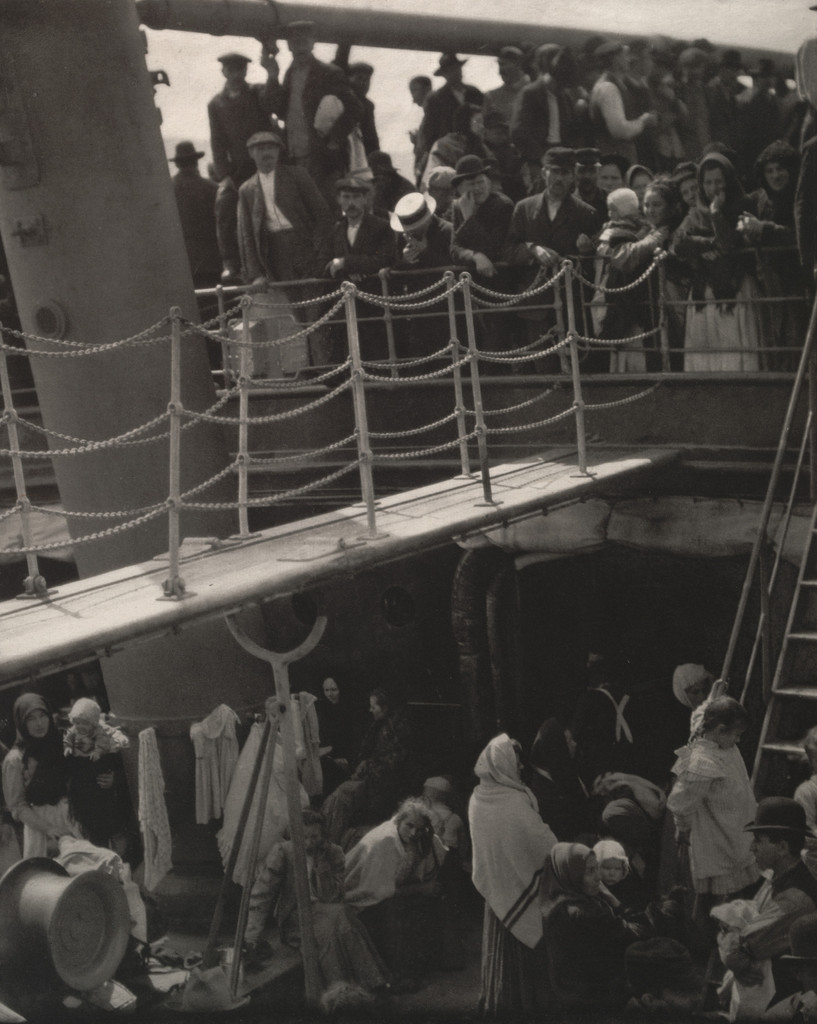
Alfred StieglitzAmerican, 1864–1946
Kitty
May one see it?
Not receiving at present

Art Institute of Chicago
Chicago, United States
It belongs to the collection, but is not on display at present.
- Checked
- 2 days ago
- In this state since
- Aug 19, 2026
- Source
- The museum's own collection data
Particulars
- Accession number
- 1986.3340
In the catalog
Sources
- Art Institute of Chicago: the museum's own open data · fetched 6 days ago
- Image: Art Institute of Chicago — CC0
Meanwhile, in the life of Alfred Stieglitz
The whole life1907
Paris: Gertrude Stein and a turn to painting
In Paris in 1907 Stieglitz met Gertrude Stein and was captivated by Rodin, Matisse, Toulouse-Lautrec, Cézanne and Rousseau. He decided to turn his photography gallery into a full art gallery to introduce the conservative American public to the newest European art.
January 1907
Pamela Colman Smith's drawings at 291
In December 1906 Stieglitz met the 28-year-old artist Pamela Colman Smith and decided to show her drawings and watercolours, thinking it “highly instructive to compare drawings and photographs”. Her show, which opened in January 1907, drew far more visitors than any previous photography show, and all her works were sold.
January – April 1908
Rodin and Matisse at 291
In January 1908 Stieglitz showed drawings by Rodin at his gallery, and in April an exhibition of Matisse, beginning his campaign to introduce the American public to the newest European art.
1909
Death of his father, Edward Stieglitz
His father, Edward Stieglitz (1833–1909), who had once taken the family to Europe for the children's education, died; as he would later do after his mother's death, Alfred buried his grief in his work.
December 1909 – 1910
Toulouse-Lautrec, Rousseau and Cézanne lithographs
In December 1909 Stieglitz showed paintings by Toulouse-Lautrec at his gallery, and in 1910 works by Matisse, Rodin and Rousseau and lithographs by Cézanne.
1910
The Albright show and a new round of attacks
In 1910 the director of the Albright Art Gallery invited Stieglitz to organise a major show of the best contemporary photography, which provoked a new round of attacks: American Photography magazine called the Photo-Secession “a reactionary force of the most dangerous type”. “The reputation, not only of the Photo-Secession, but of photography is at stake,” Stieglitz wrote to the photographer George Seeley.