Hercules and the Dead Antaeus
Can I see it?
Not on view at present
Where is “Hercules and the Dead Antaeus” now? Collection: Victoria and Albert Museum, London. Not on view at present. Checked September 25, 2026.

London, United Kingdom
It belongs to the collection, but is not on display at present.
- Checked
- In this state since
- Source
- The museum
About the sculpture
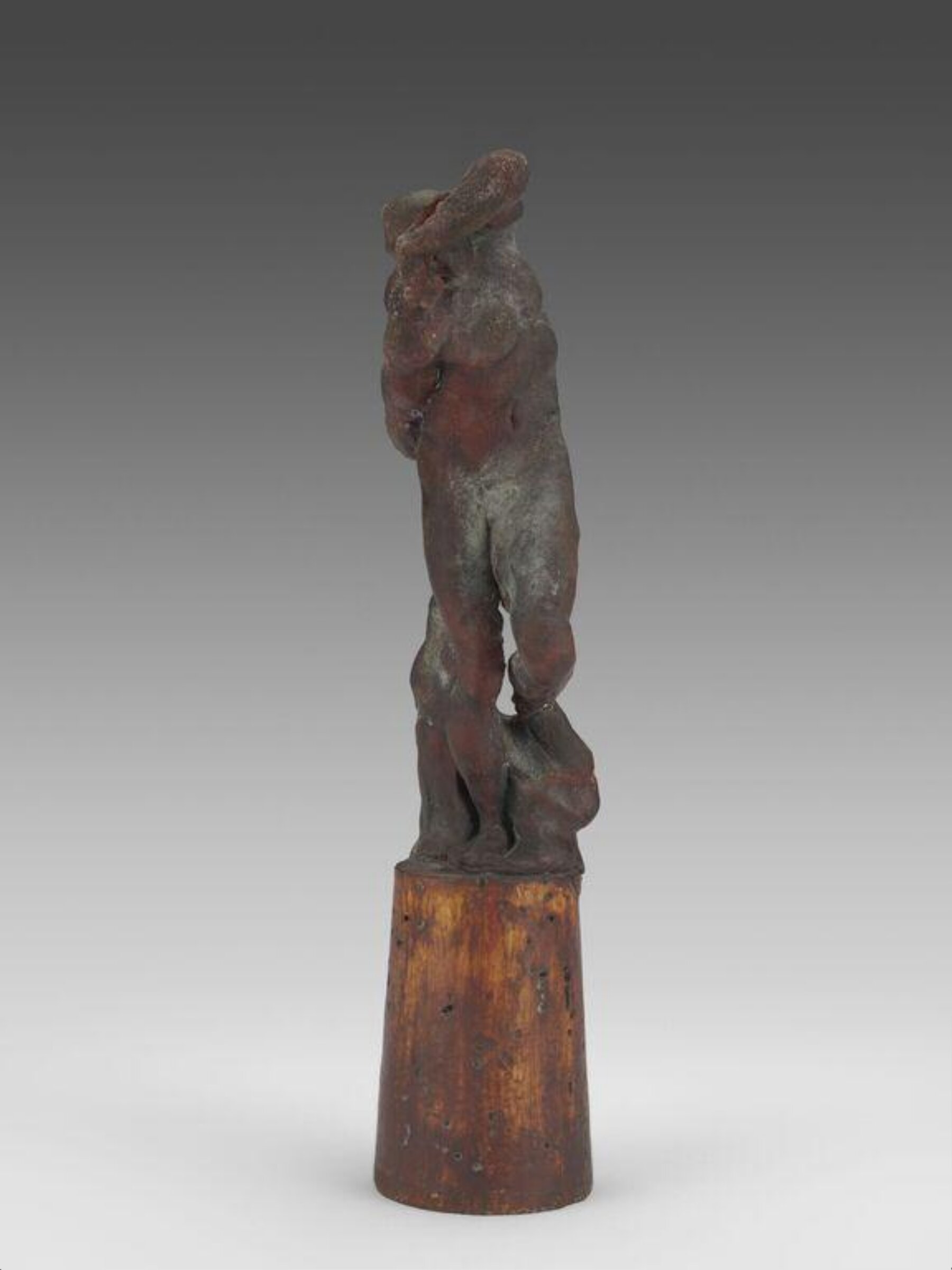
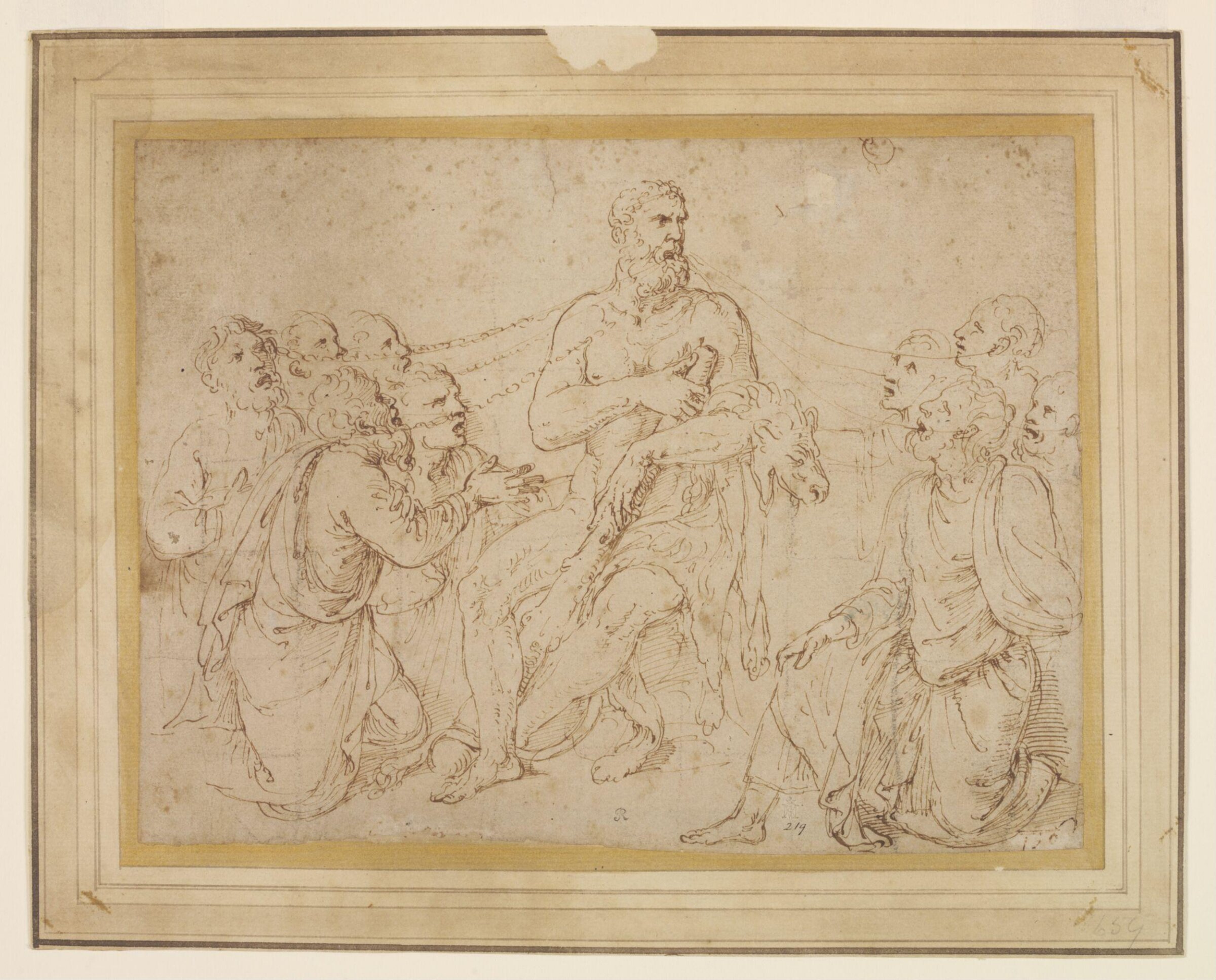
The plaque depicts Hercules, clad in a lion's skin. He stands resting upon his club and contemplating the dead body of Antaeus at his feet. To the right is a cavern and to the left part of a building, the entablature of which bears the artist's signature.
Moderno is the pseudonym of a goldsmith and medallist active in North Italy and later in Rome. He signed certain pieces of his work with OPUS MODERNI (opus is the Latin term for 'work' - which then means 'work of the modern'). The modern here is referring to the Ancient World, in contrary to the Naturalism of the Gothic. He was active in the late 15th and early 16th centuries. His earliest works may date around 1485-1490, and his earliest dated work is 1490. There are many different suggestions in literature to whom OPUS MODERNI may refer, and there has never been a clear answer to it.
Read on
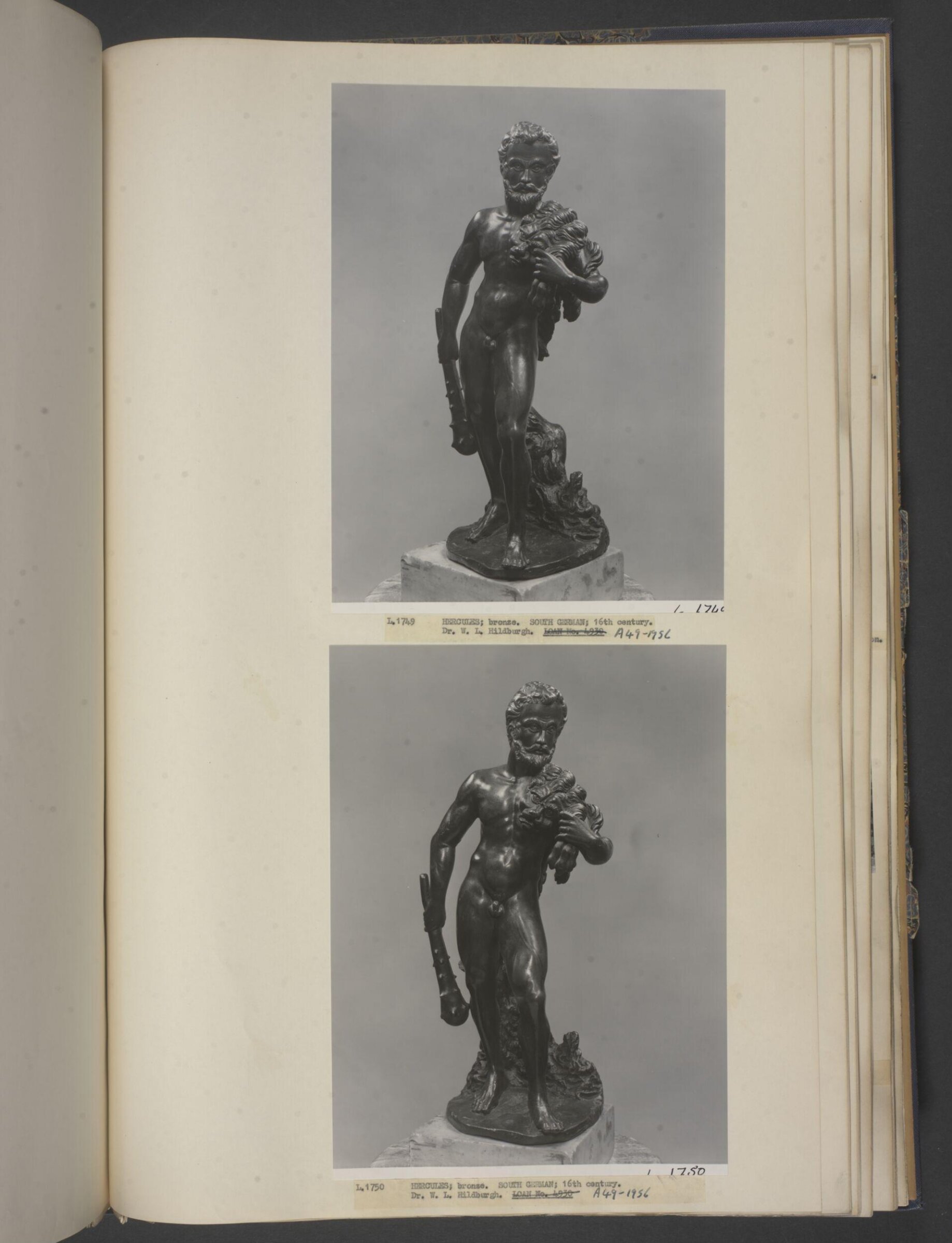
Hercules in Greek mythology (Heracles) was the son of Zeus and Alcmene, and great-grandson of Perseus. He was the most important Greek hero and represents the characteristics of masculinity, strength, courage and sexual prowess.
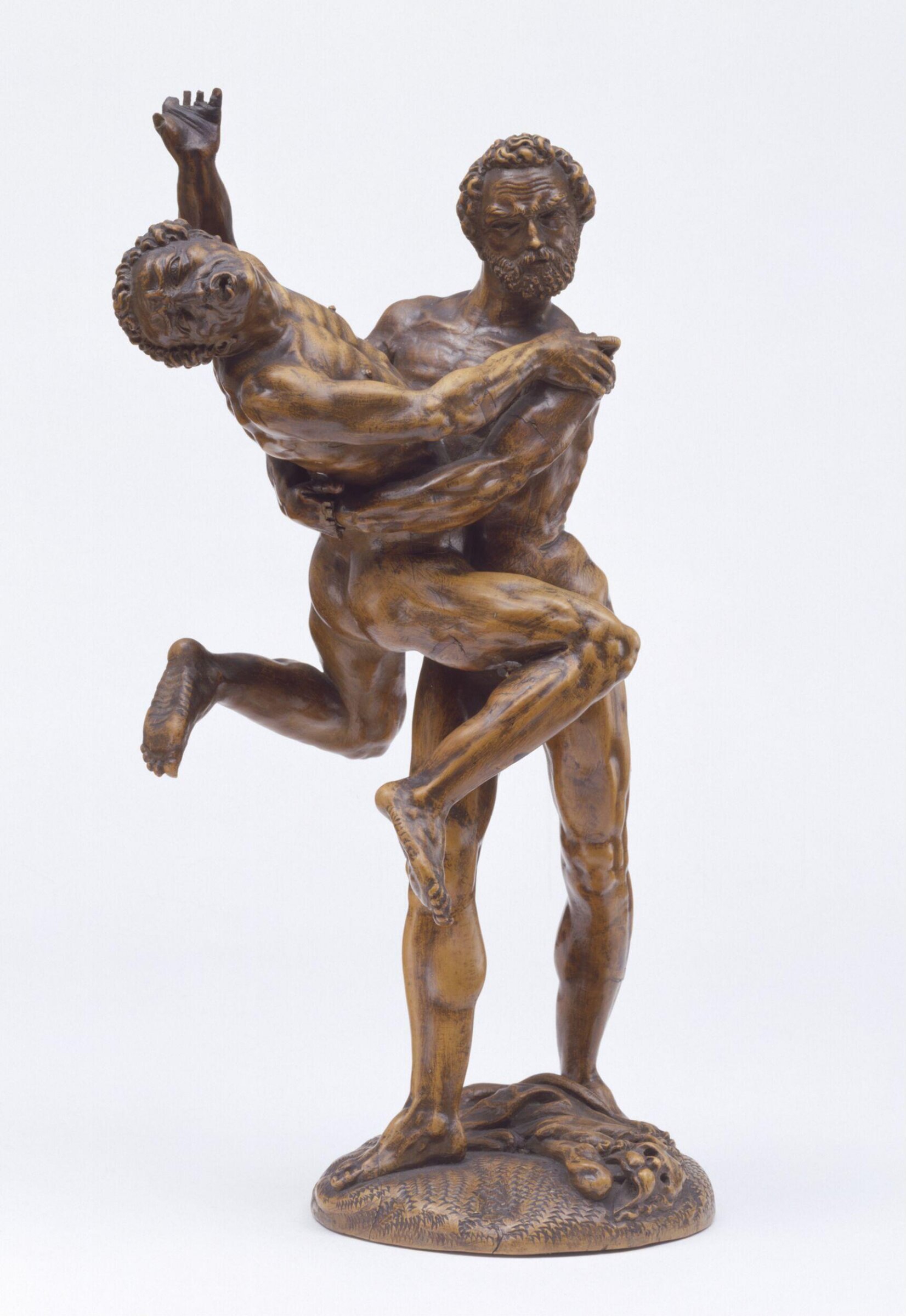
Antaeus, a giant and the son of Poseidon and Gaia, was very strong, unbeatable strong unless he remained in contact with the ground. Heracles found out about the secret, lifted him up and defeated and killed him.
Victoria and Albert Museum
Details
- Accession number
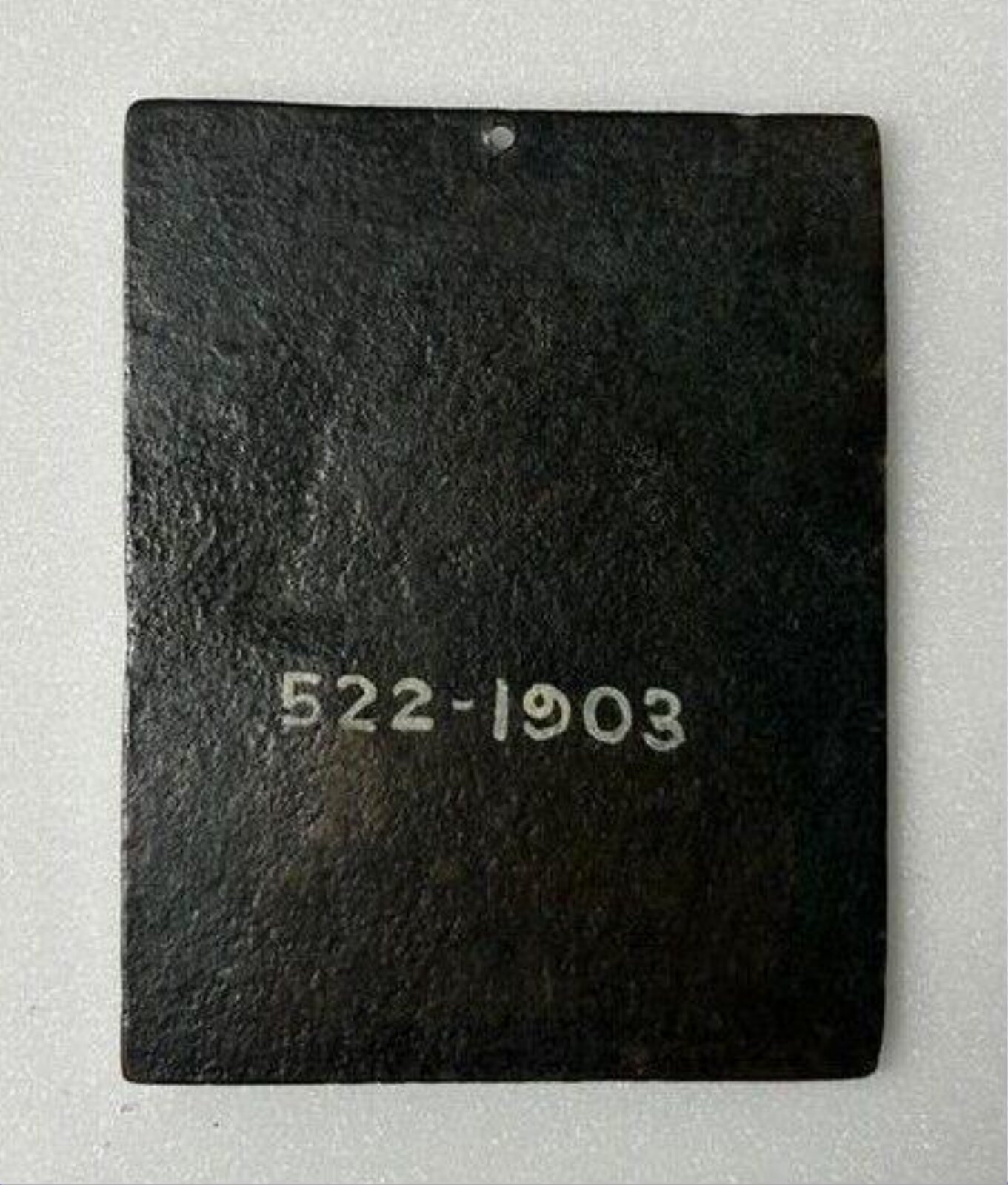
- 522-1903
What it shows
In the catalog
Sources
- Victoria and Albert Museum
- Image: Victoria and Albert Museum — © Victoria and Albert Museum, London