ART WIKI32,963 on view
MapCollectionArtistsMuseumsExhibitionsJournal
Sign in

ART WIKI

Where the masterpiece hangs, and when they let you in.

Collections: Art Institute of Chicago, Getty Villa, Harvard Art Museums, Hirshhorn Museum and Sculpture Garden, J. Paul Getty Museum, Minneapolis Institute of Art, Musée du Louvre, National Gallery of Art, National Museum of Asian Art, National Portrait Gallery (Smithsonian), Pushkin State Museum of Fine Arts, Rijksmuseum, Smithsonian American Art Museum, SMK — National Gallery of Denmark, State Hermitage Museum, State Russian Museum, The Cleveland Museum of Art, The Metropolitan Museum of Art, The Museum of Modern Art, Tretyakov Gallery, Victoria and Albert Museum, Whitney Museum of American Art, State Catalogue of the Museum Fund of Russia (274 museums), Europeana (19 museums), Wikidata (6 museums), Paris Musées (12 museums), and Joconde, the French Ministry of Culture's museum database (495 museums). Images belong to their rights holders.

Sections

  • Map
  • Search
  • Collection
  • Masterpieces
  • On view now
  • Artists

More

  • Museums & galleries
  • Exhibitions
  • Journal
  • Where the data comes from
  • Privacy & cookies
HomeMapBrowse
  1. Collection/
  2. Minneapolis Institute of Art/
  3. Head of a Luohan
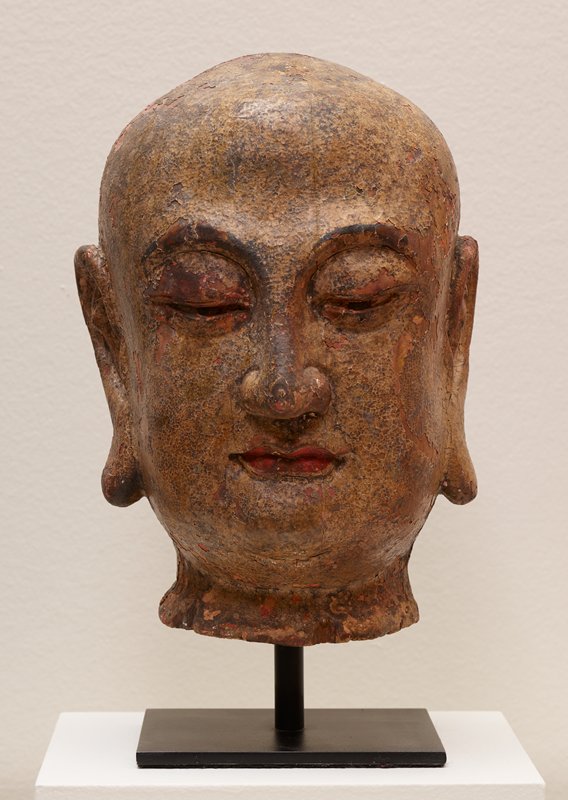
Head of a Luohan, 14th-15th century

Head of a Luohan

14th-15th century · Sculpture

May one see it?

Yes, receiving visitors

Minneapolis Institute of Art

Minneapolis, United States

RoomG200

On public display.

Checked
3 days ago
In this state since
Sep 25, 2026
Source
The museum
On the mapMuseum page

About the sculpture

This serene-looking Luohan, a disciple of the Buddha, is an example of the uniqueness and individuality that artists of the late Yuan (1271–1368) or early Ming (1368–1644) dynasties were capable of conveying in their work. Eccentric and reclusive, Luohans signify the meditative, nonmaterial values of Buddhism. Despite being regarded as saintly, enlightened men, they were usually portrayed as humanlike rather than as supernatural entities, as suggested by the expressive, dignified appearance of this youthful figure.

Minneapolis Institute of Art

Particulars

Accession number
2018.51

In the same room · G200, Minneapolis Institute of Art

Museum page

In the catalog

SculptureWoodChina

Sources

  • Minneapolis Institute of Art
  • Image: Minneapolis Institute of Art — public domain
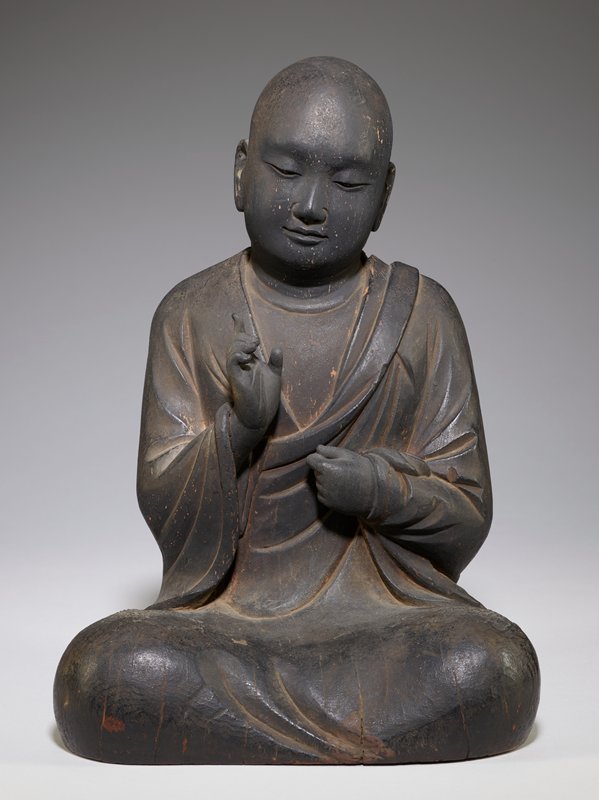
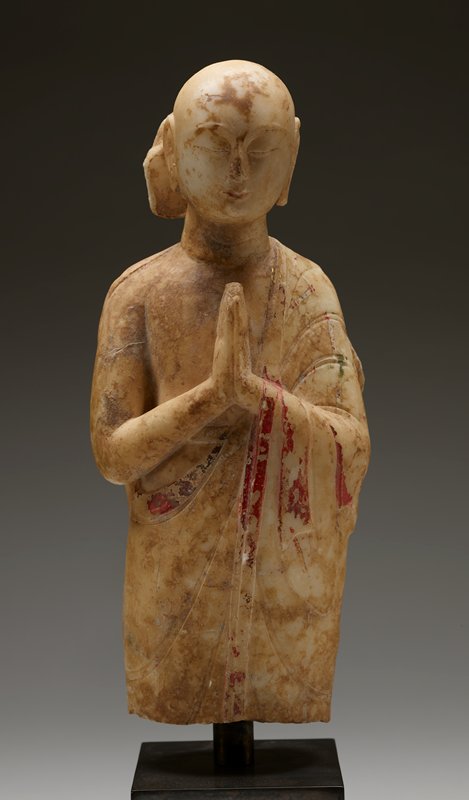
Figure of a Monk, 9th-10th century

Figure of a Monk, 9th-10th century

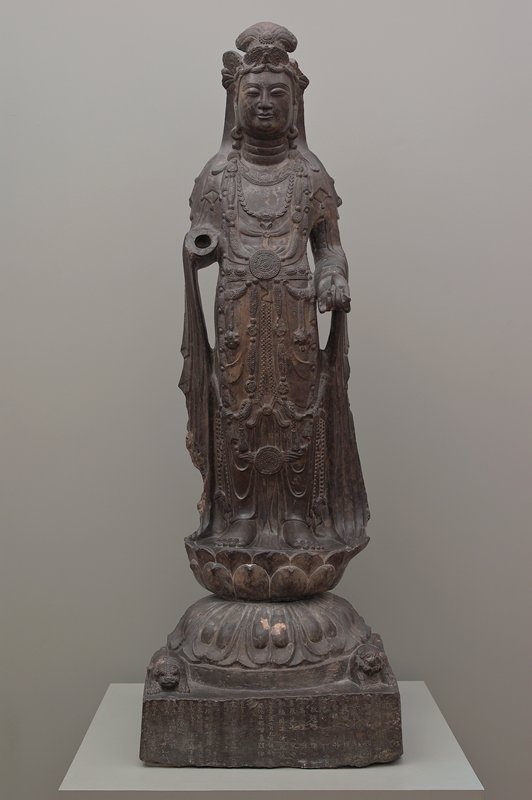
Standing Bodhisattva, 571

Standing Bodhisattva, 571

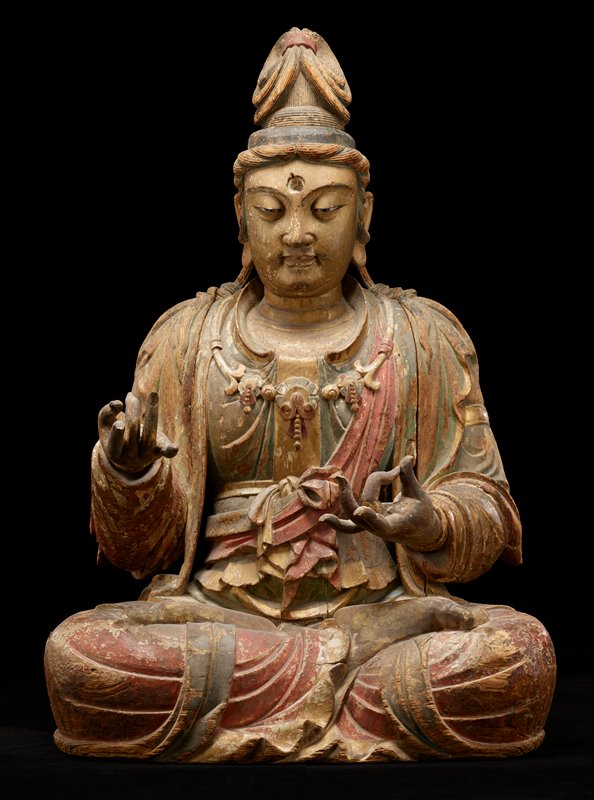
Seated Avalokiteshvara Bodhisattva (Guanyin), late 11th–early 12th century

Seated Avalokiteshvara Bodhisattva (Guanyin), late 11th–early 12th century

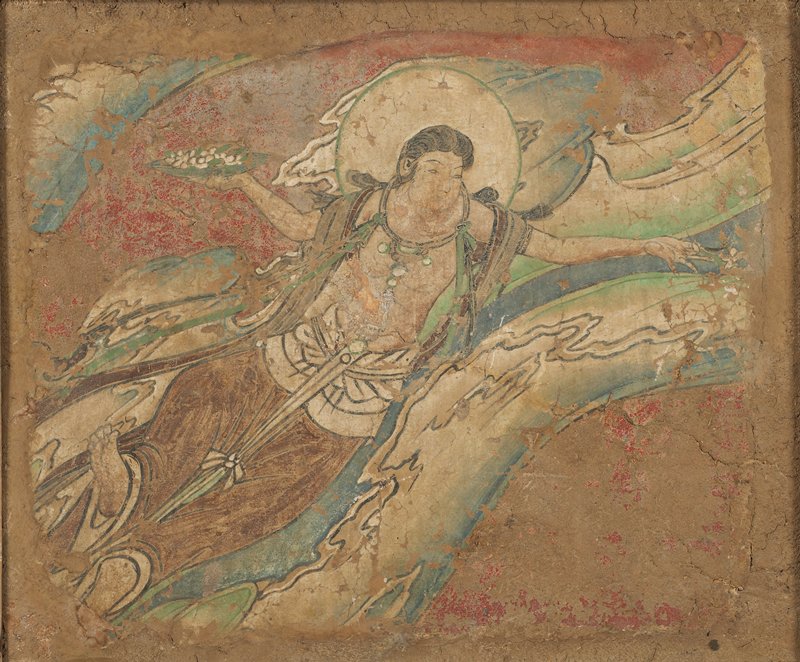
Flying Celestial (Apsara), from a set of Avalokiteshvara Bodhisattva and Flying Celestials, c. 951–953

Flying Celestial (Apsara), from a set of Avalokiteshvara Bodhisattva and Flying Celestials, c. 951–953

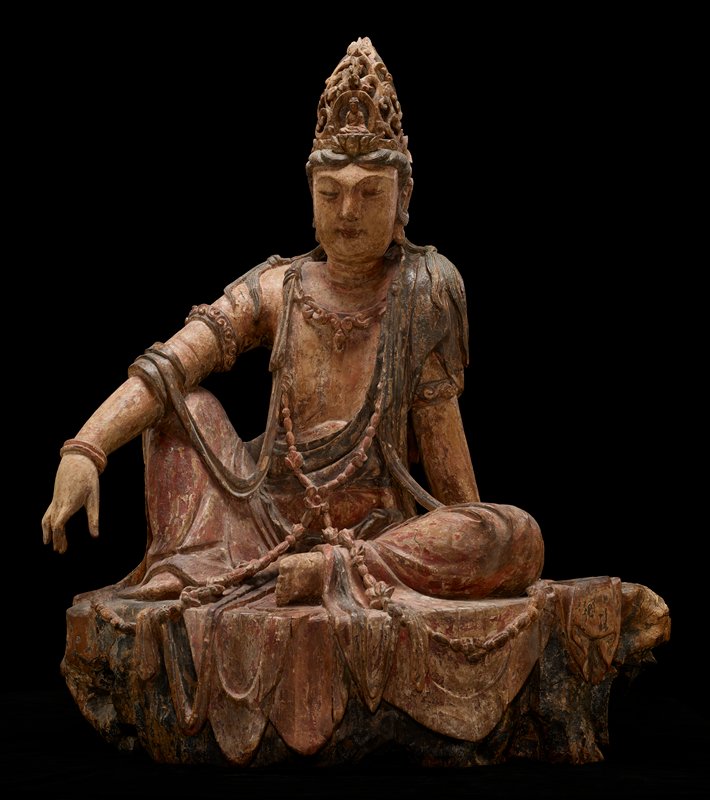
Avalokiteshvara Bodhisattva in the Water-Moon Form (Shuiyue Guanyin), 12th century

Avalokiteshvara Bodhisattva in the Water-Moon Form (Shuiyue Guanyin), 12th century

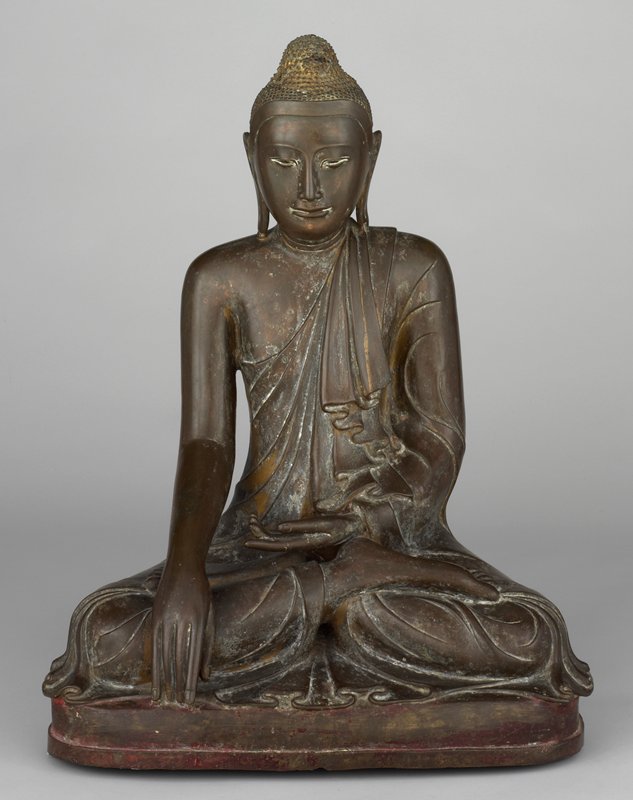
Shakyamuni Buddha Calling the Earth to Witness, 18th century

Shakyamuni Buddha Calling the Earth to Witness, 18th century

Standing Arhat, 6th century

Standing Arhat, 6th century

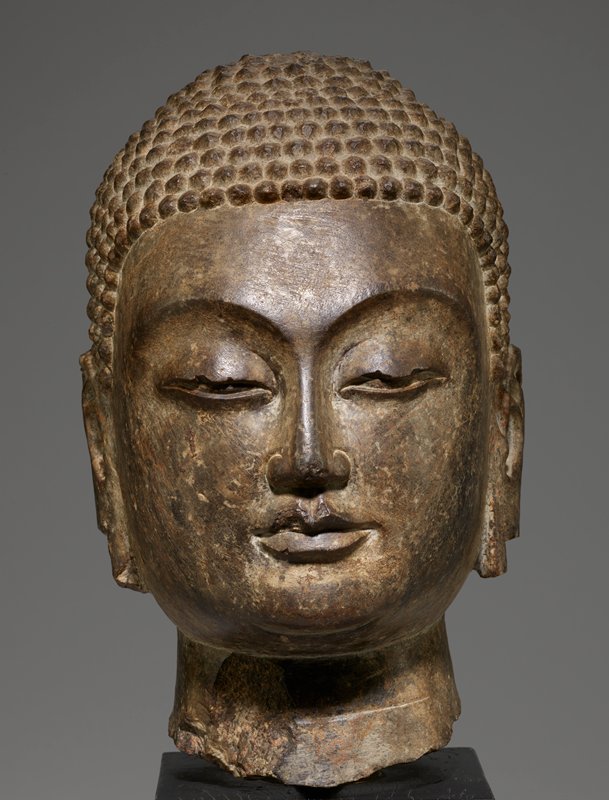
Head of Buddha, 6th century

Head of Buddha, 6th century