 Mikhail Vrubel1856–1910
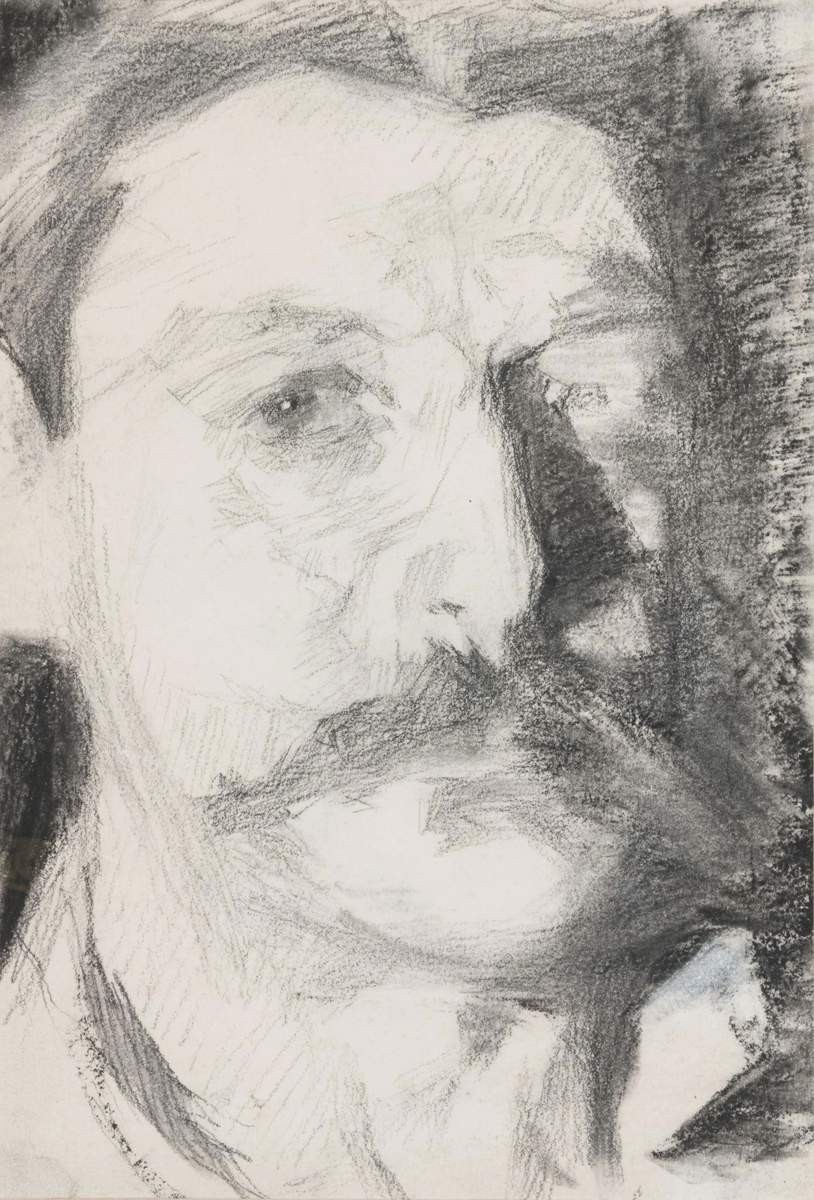
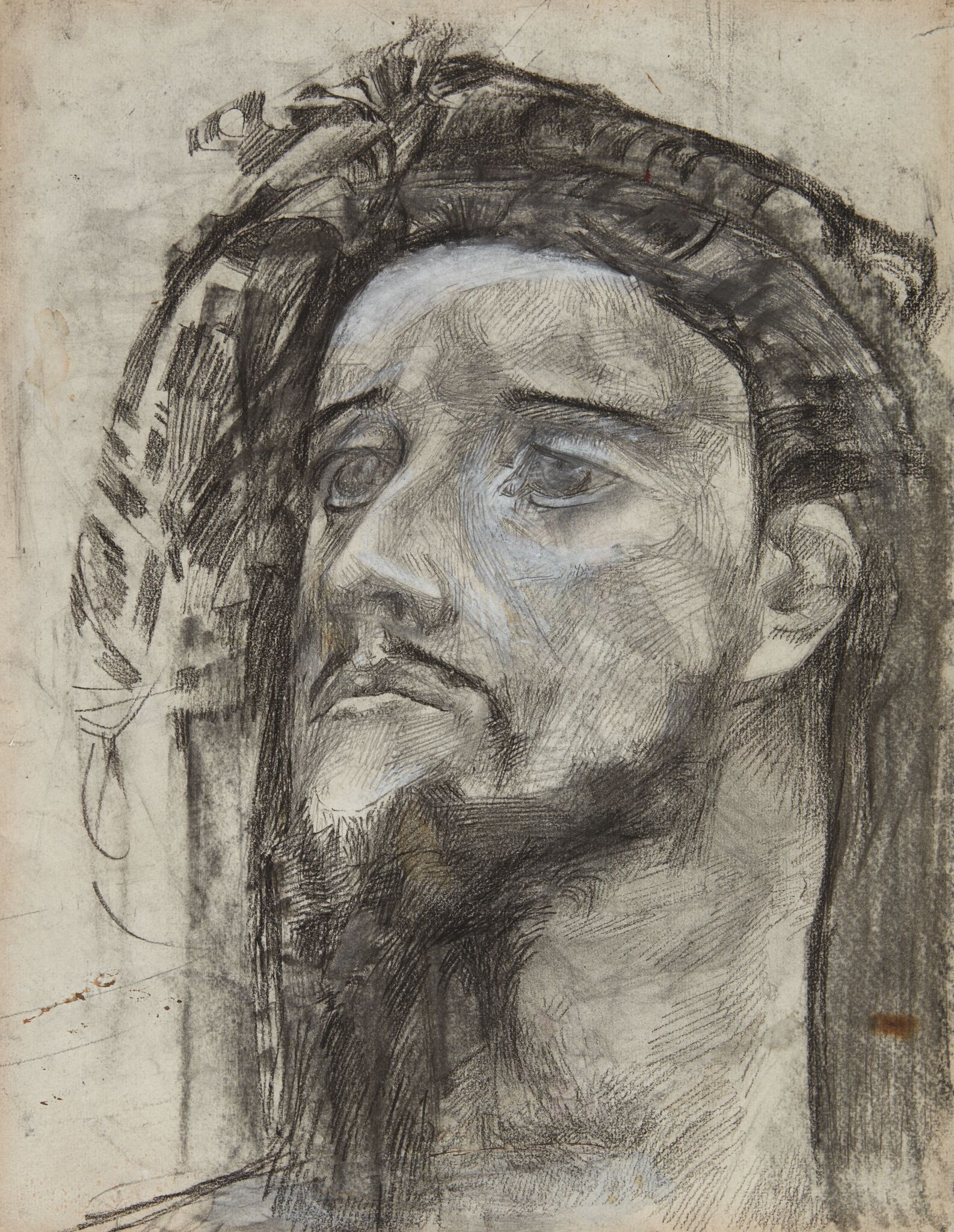
Голова пророка
Can I see it?
Unknown
Where is “Голова пророка” now? Collection: Tretyakov Gallery, Moscow. Unknown.

Moscow, Russia
The owner is known; whether it is on view today is not.
- In this state since
- Source
- The museum
About the work
Museum text in Russian
“Голова пророка” – один из поздних рисунков, исполненных Михаилом Врубелем. Тема приятия божественного откровения в творчестве художника всегда была определяющей, даже тогда, когда Врубель был увлечен образом Демона. Но никогда ни один из набросков или живописных эскизов с изображением падшего ангела не был наделен автопортретными чертами, а в образах пророков последних лет жизни художника постоянно встречаются мотивы, связывающие их с врубелевскими автопортретами. В годы болезни художник одержим мыслью об искуплении, ему кажется, что он напрасно потратил свой талант. На обороте портрета лечившего его доктора Ф.А. Усольцева он сделал надпись: «В течение моих 48 лет я полностью утратил (особенно в портретах) образ честной личности, а приобрел образ злого духа; теперь я должен подчиниться суровой обязанности видеть других людей и полноту образа моего бога».
Read on
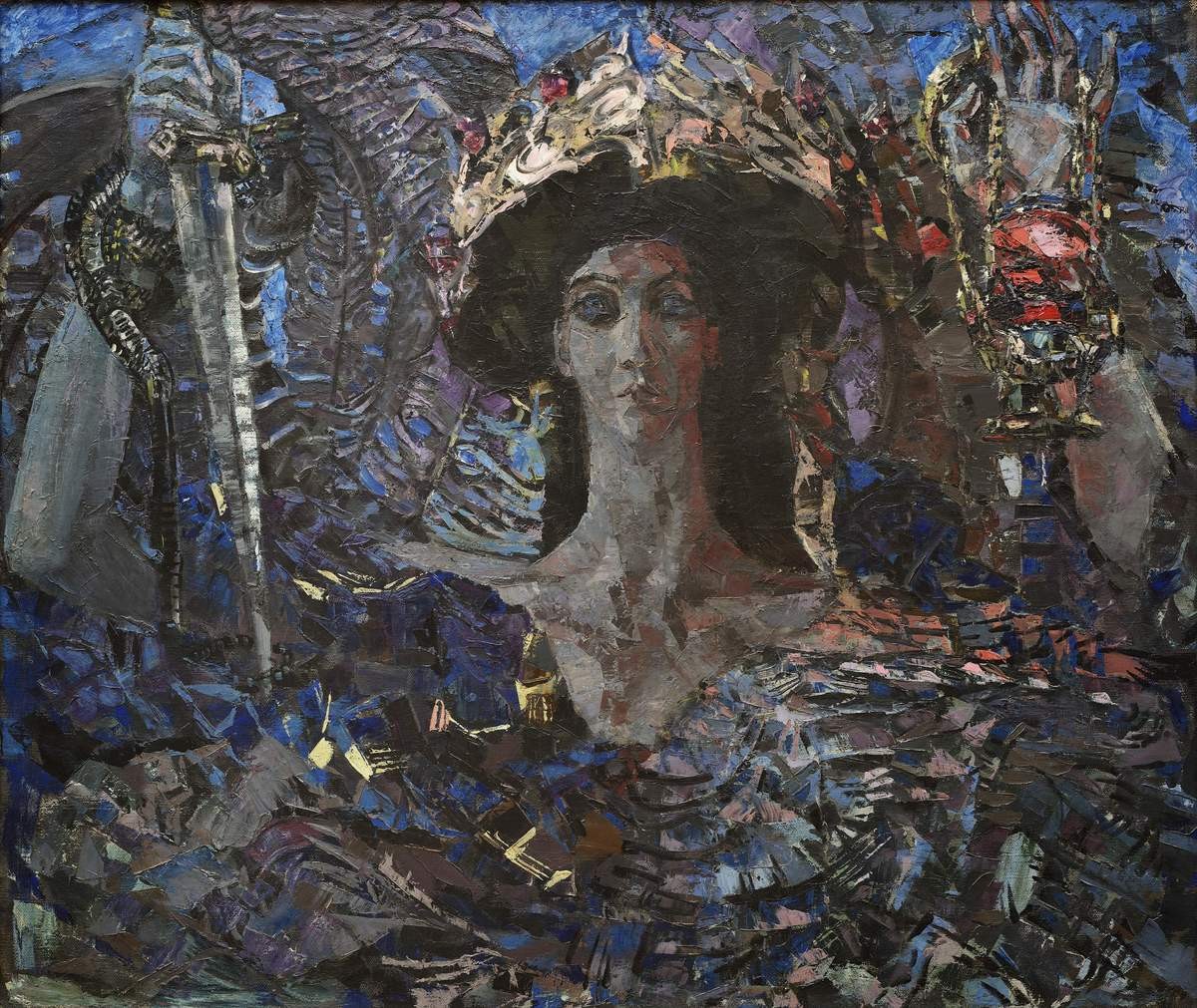
Поэтому так близко к сердцу он воспринял строки стихотворения А.С. Пушкина «Пророк» (1828) о встрече смертного с шестикрылым серафимом, которые во многом определили для художника суть творчества:
«Отверзлись вещие зеницы,
Как у испуганной орлицы.
Моих ушей коснулся он,
И их наполнил шум и звон:
И внял я неба содроганье,
И горний ангелов полет,
И гад морских подводный ход,
И дольней лозы прозябанье».
Рисунок воспроизведен в журнале «Золотое руно» (1906, № 1) под названием «Пророк. Этюд головы к картине «Видение пророка Иезекииля». На страничных разворотах рисунки пророков соседствуют с автопортретами художника.
Валерий Брюсов в своем очерке «Последняя работа Врубеля» так писал о замысле композиции, для которой был сделан этот рисунок: « Врубель долго объяснял мне, что до сих пор все неверно понимали то место Библии, где это видение описано. Врубелю нередко читали на ночь Библию, и он был изумлен, заметив, что обычное понимание видения – неправильно, не соответствует прямым словам Библии». Для художника библейские строки описывали непреложную реальность.
Tretyakov Gallery
Details
- Accession number
- 9907
In the catalog
Sources
- Tretyakov Gallery
- Image: Tretyakov Gallery — © State Tretyakov Gallery
In the life of Mikhail Vrubel
The whole life1902
Bekhterev’s diagnosis
In St Petersburg Vrubel went on repainting the “Demon” without pause, ruining it in his friends’ view, and his family took him to the psychiatrist Vladimir Bekhterev, who diagnosed “incurable progressive paralysis” — tertiary syphilis; the artist himself was told nothing. In Moscow, although the collector Vladimir von Meck bought the painting for 3,000 roubles, he grew worse still: he drank and squandered money, and his wife and son tried to take refuge from him with relatives in Ryazan.
2 February 1902
“The Demon Downcast” fails in Moscow
The painting went on show in Moscow a day before the “Group of 36” exhibition closed; Vrubel hoped it would be bought for the Tretyakov Gallery. The failure coincided with news of the suicide of Alexander Rizzoni after unfair criticism in the journal Mir iskusstva.
April 1902
First hospitalisation
In early April, with symptoms of acute mental disorder, Vrubel was admitted to F. A. Savey-Mogilevich’s private clinic; until August his condition was so grave that even his wife and sister were not allowed to see him. In September he was moved to Vladimir Serbsky’s clinic at Moscow University, and Serbsky confirmed the diagnosis, establishing that the infection dated back to 1892.
November 1902
An exhibition of 36 works turns the tide
The papers greeted Vrubel’s illness with articles such as “Mentally Ill Decadents” in Russky Listok, so Benois and Diaghilev, set on proving the artist’s sanity to the public, mounted an exhibition of thirty-six of his works, including all three painted “Demons”. It marked a turning point in how critics and the public saw Vrubel, though few believed he would recover, and Mir iskusstva wrote of him in the past tense.
3 May 1903
Death of his son Savva
Vrubel had been discharged from the clinic in February, and von Meck invited the family to spend the summer on his estate in Kiev province, but on the eve of departure two-year-old Savva fell ill, and in Kiev the child died. Vrubel at once shook off his apathy, busied himself with the funeral and supported his wife, who would not say a word; their son was buried on Baikove Hill.
February 1906
Total blindness
Despite the “voices” that tormented him, Vrubel returned to the theme of the Prophet — he began painting a six-winged seraph and took up the visions of Ezekiel — but the picture was never finished: his sight began to fail catastrophically, and atrophy of the optic nerve set in. On 12 February 1906 he complained in a letter to his wife that he could neither read nor draw, and a few days later he was completely blind.