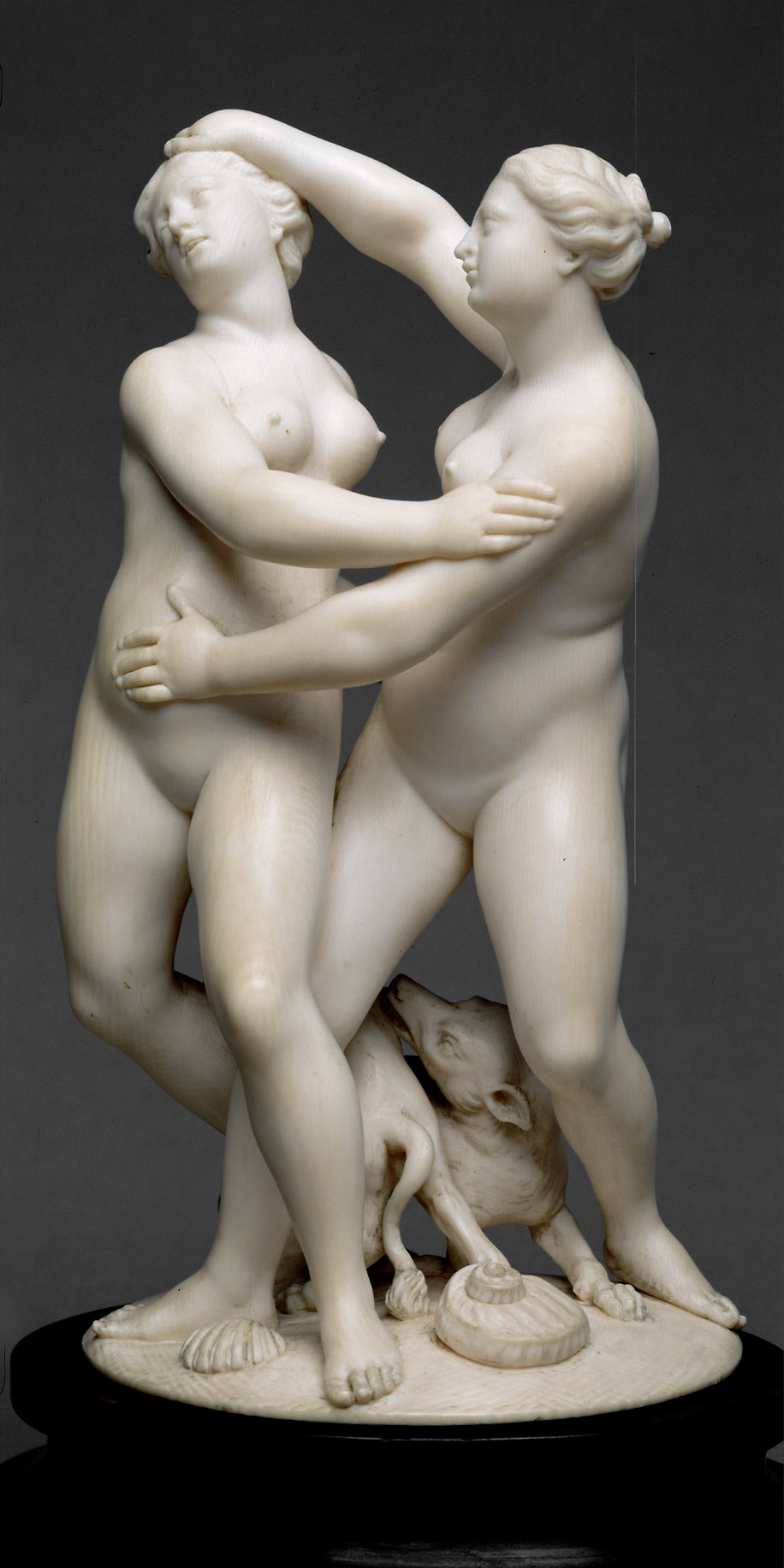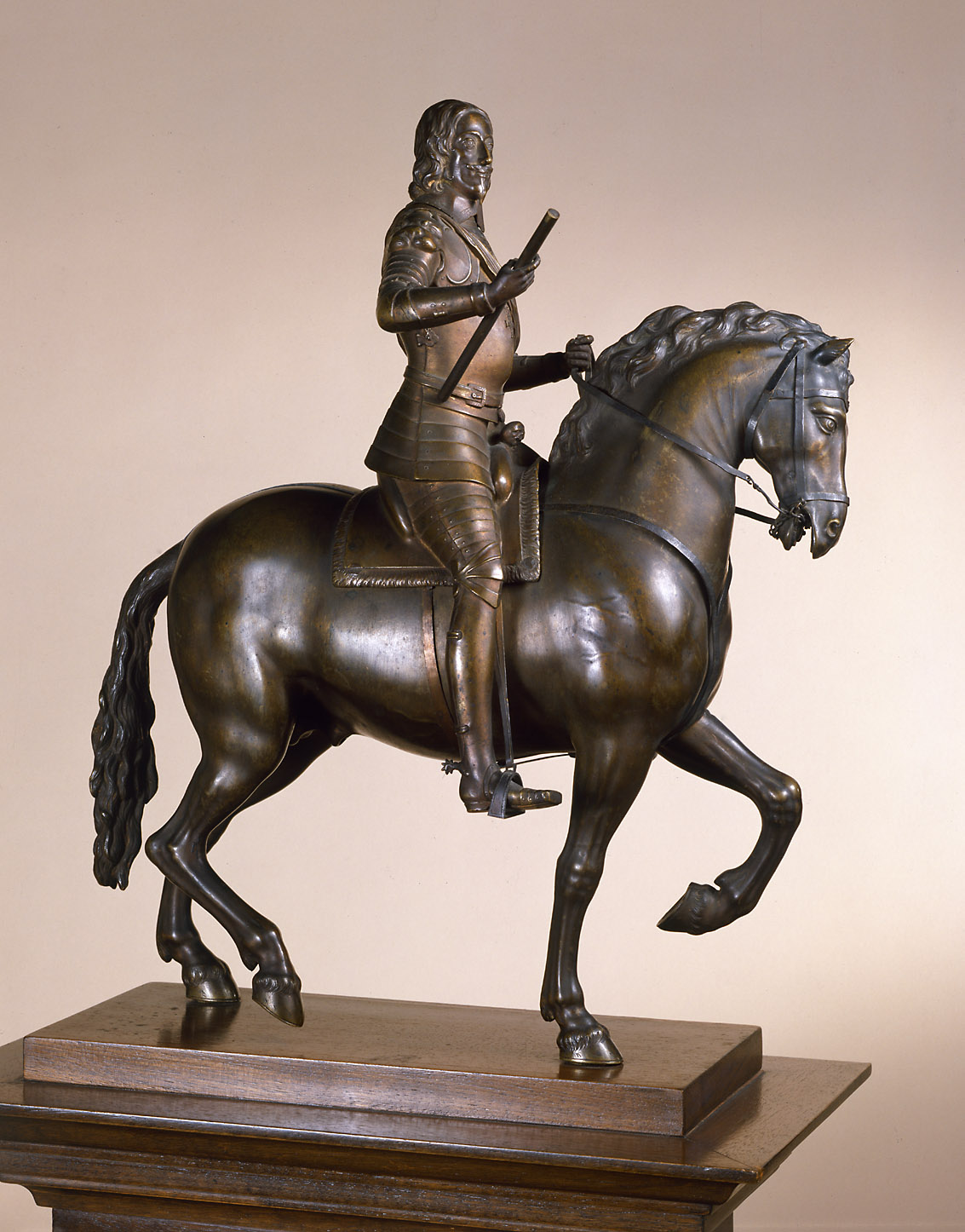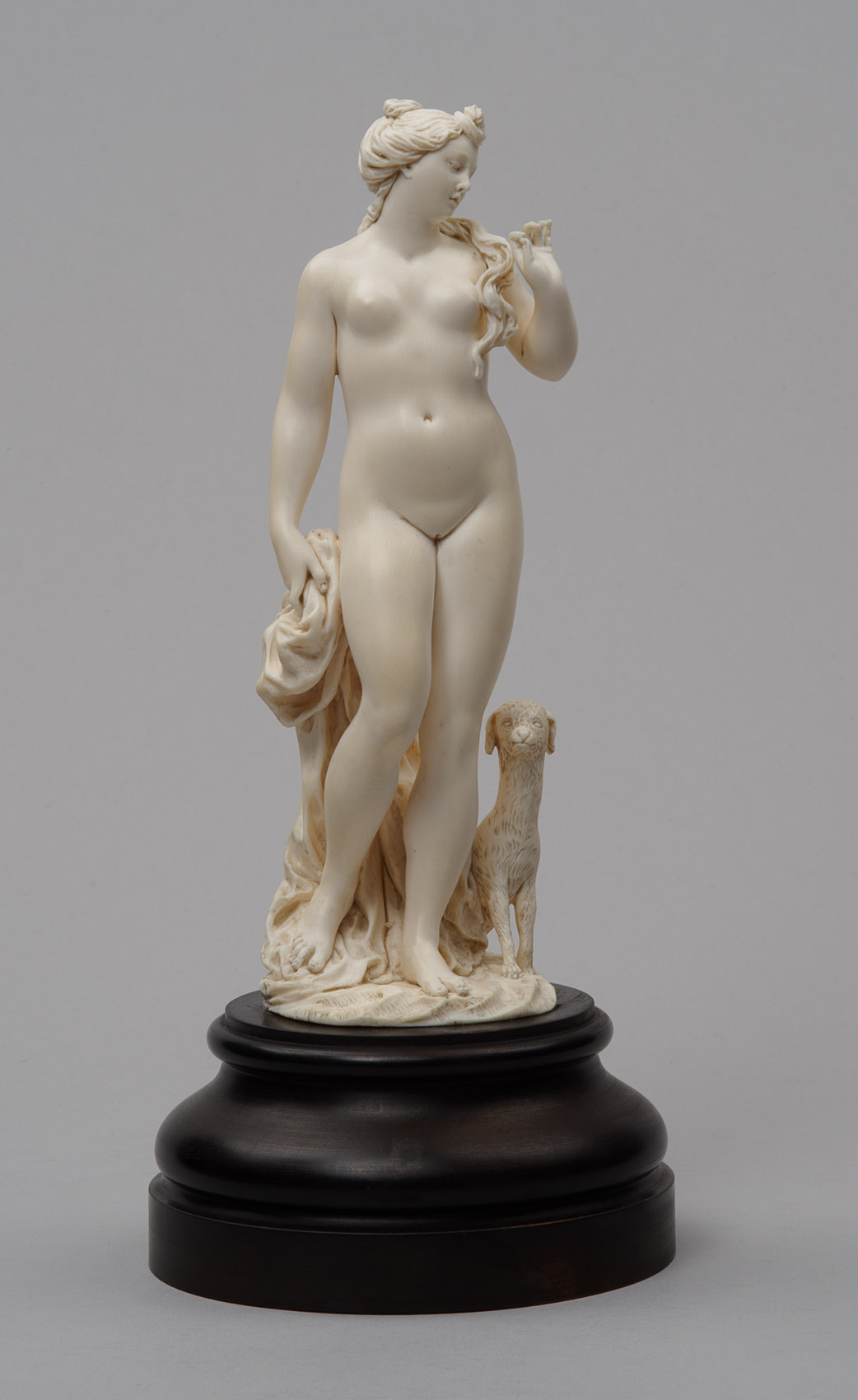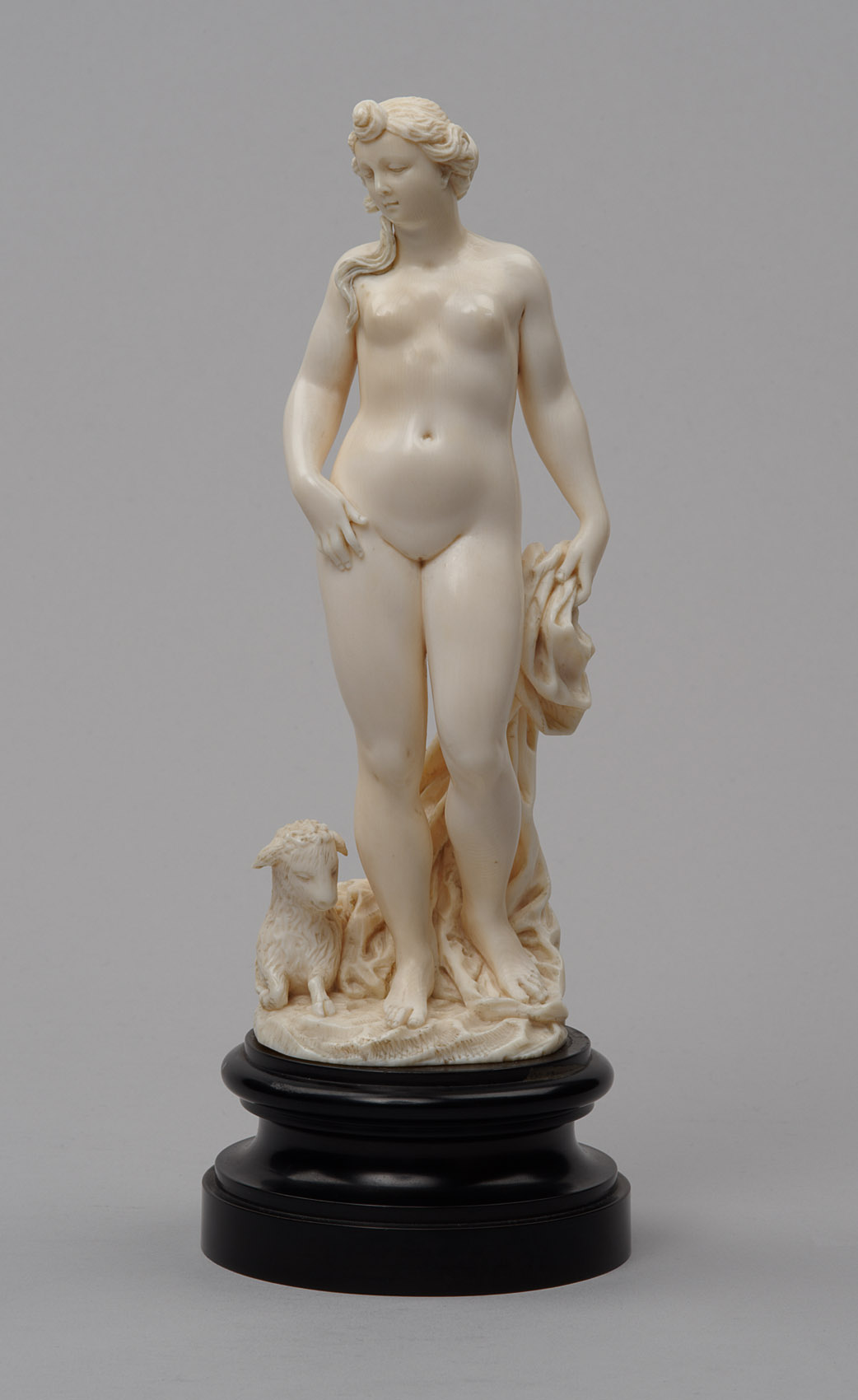
 Alessandro AlgardiItalian, 1595–1654
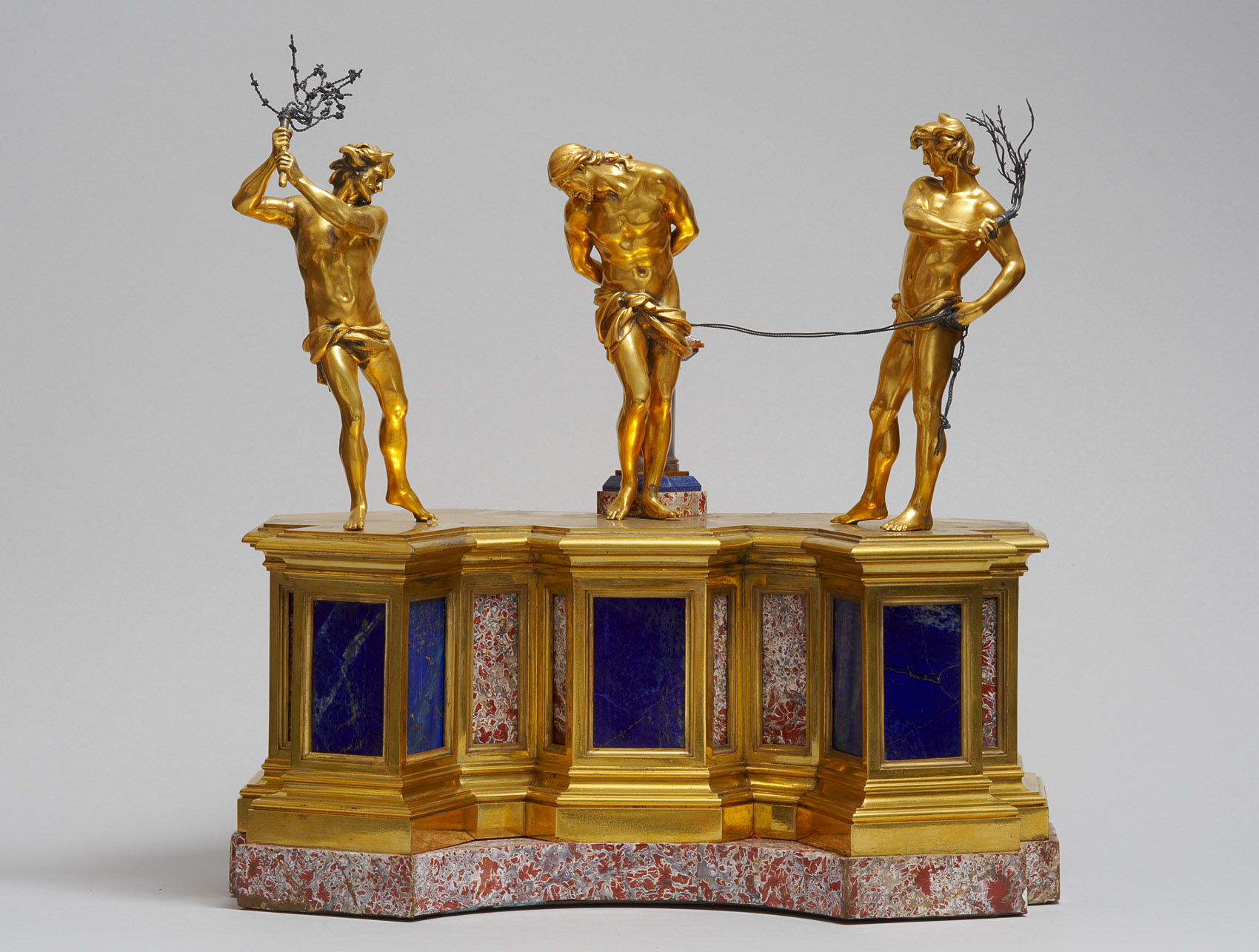
Geißelung Christi
Can I see it?
Yes, on view now
Where is “Geißelung Christi” now? Kunsthistorisches Museum, Kunstkammer, Saal XXIII, Vienna. Yes, on view now. Checked October 9, 2026.

Open now· until 6:00 PM
On public display.
- Checked
- In this state since
- Source
- The museum's website
Details
In the catalog
Display history
On view · Kunstkammer, Saal XXIII
Kunsthistorisches Museum · Oct 9, 2026 — now · Verified
Whether it was on view is unknown
Kunsthistorisches Museum · Sep 27, 2026 — Oct 9, 2026 · Unconfirmed
Sources
- Kunsthistorisches Museum
- Image: Kunsthistorisches Museum — CC BY-NC-SA 4.0
In the life of Alessandro Algardi
The whole life1622 · Workplace
Mantua
1625
Moves to Rome with the Duke of Mantua's introduction
After a short stay in Venice he goes to Rome with an introduction from the Duke of Mantua to Cardinal Ludovico Ludovisi, nephew of the late pope, who employs him for a time to restore ancient statues from his famous collection.
1625–1634
Years of struggling for recognition in Rome
Bernini and his studio, backed by Borghese and Barberini patronage, win most of the major Roman commissions, while Algardi struggles for recognition for nearly a decade: he takes small commissions — terracotta and a few marble portrait busts — and supports himself with small works like crucifixes. He is aided by friends, among them Pietro da Cortona and his fellow Bolognese Domenichino; he was also a friend of François Duquesnoy, Andrea Sacchi and Nicolas Poussin.
1625–1654 · Workplace
Rome
1644
Innocent X draws him to the papal court
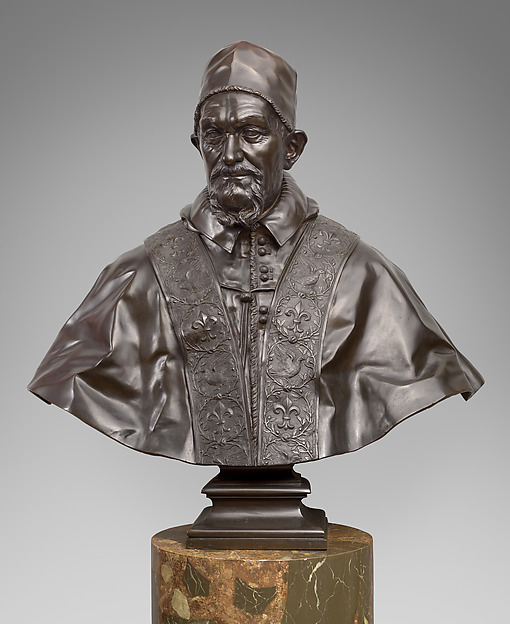
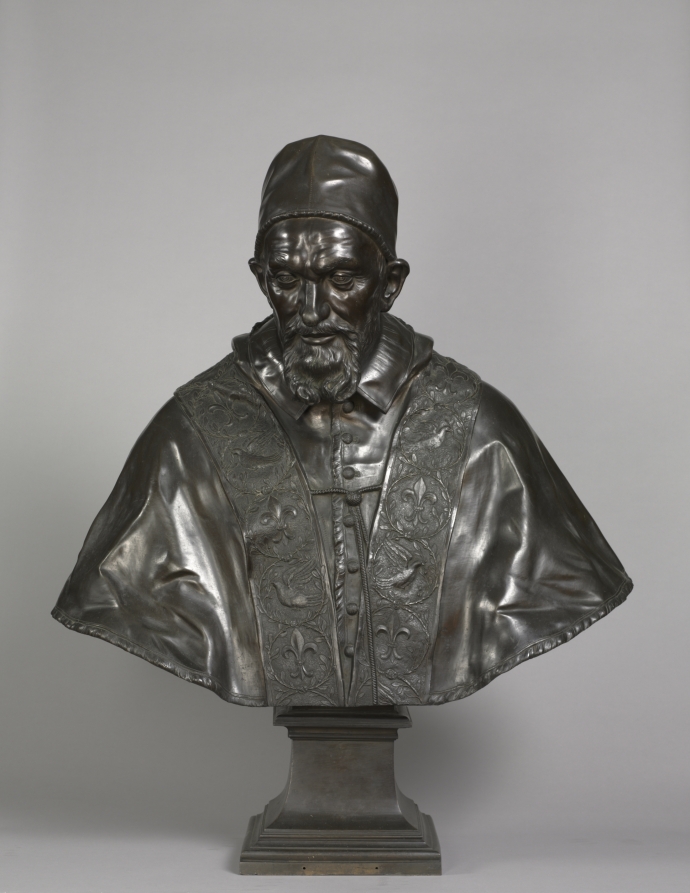
With the death of the Barberini pope Urban VIII and the accession of the Pamphilj pope Innocent X, the Barberini fall into disfavor and Bernini receives fewer commissions; Algardi, by contrast, is embraced by the new pope and the pope's nephew Camillo Pamphilj. His portraits are highly prized, their formal severity contrasting with Bernini's vivacity, and his large bronze of Innocent X is now in the Capitoline Museums.
1650
Meets Velázquez; commissions from Spain
He meets Diego Velázquez, who obtains commissions for his work from Spain: four chimney-pieces and the figures of the fountain of Neptune in the gardens of the Royal Palace of Aranjuez, and the tomb of the Count and Countess de Monterey in the Augustinian monastery at Salamanca.