Jean Baptiste GreuzeFrench, 1725–1805
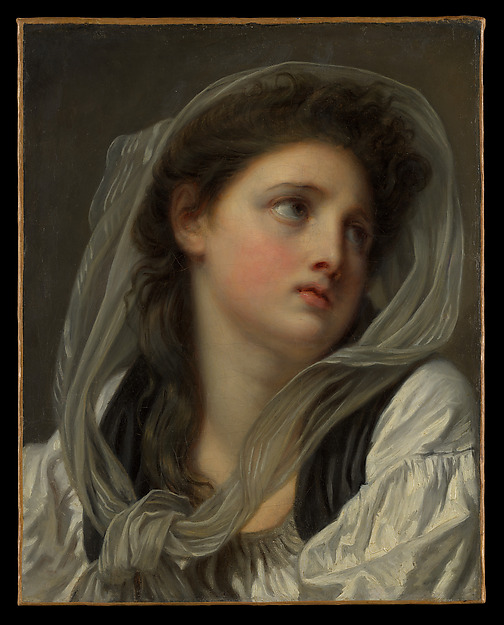
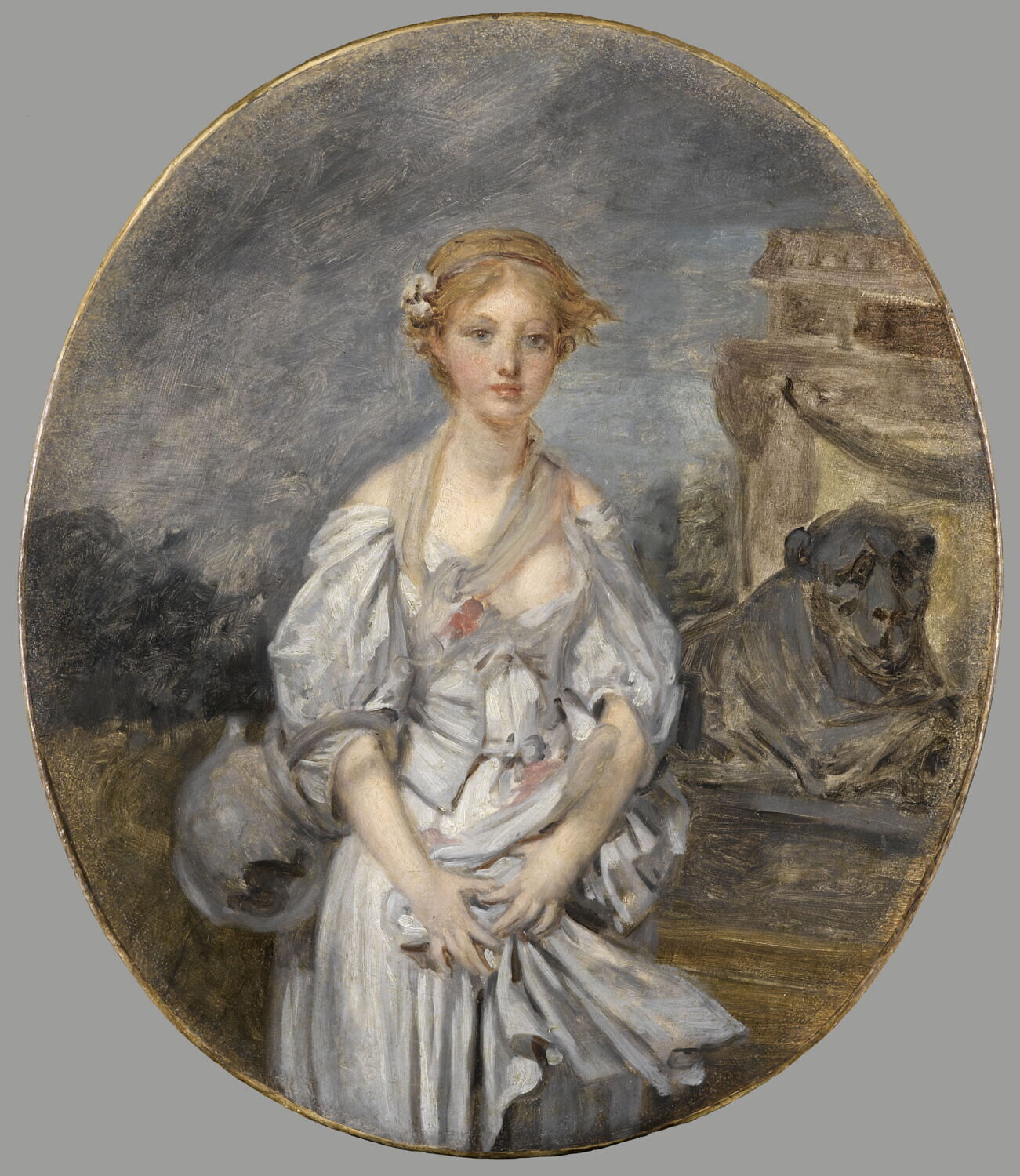
Fright
May one see it?
Not receiving at present

Harvard Art Museums
Cambridge, United States
It belongs to the collection, but is not on display at present.
- Checked
- In this state since
- Source
- The museum
About the painting
Depicting emotions legibly was a fundamental principle of artistic theory and practice since the French Academy’s founding in 1648, and it was famously codified by the painter Charles Le Brun in his illustrated treatise about the passions. Since an artist’s ability to portray emotions was considered essential to the communication of meaning, the academy inaugurated a regular competition for drawing expressive heads, or "têtes d’expression," in 1760. This genre is represented extensively in Greuze’s work, particularly his drawings, which serve as artistic exercises and as preparatory studies for larger compositions. The expression of fright depicted in this panel occurs in at least two other works by the artist, one of which was the painting he exhibited at the Salon of 1800, "Young Woman Frightened by the Storm."
Harvard Art Museums
Particulars
- Accession number
- 1994.145
In the catalog
Sources
- Harvard Art Museums
- Image: Harvard Art Museums — © President and Fellows of Harvard College
Meanwhile, in the life of Jean Baptiste Greuze
The whole life1769–1804
The quarrel with the Academy and his withdrawal from the Salons
Greatly incensed by the director’s words, Greuze quarrels with his confrères and ceases to exhibit until 1804, when the Revolution had thrown open the doors of the Academy to all the world.
1789–1799
The Revolution years: seclusion and the Nine Sisters lodge
During the Great French Revolution Greuze lives in seclusion and keeps out of politics, although he is a Freemason and belongs to the well-known lodge Les Neuf Sœurs.
c. 1800
Ruin and oblivion
Towards the end of his life Greuze, who had considerable wealth, loses it in risky ventures and through his wife’s ruinous spending; he is left almost in poverty, forgotten by contemporaries whose tastes had been taken over by Jacques-Louis David’s new painting.