 Paul CézanneFrench, 1839–1906
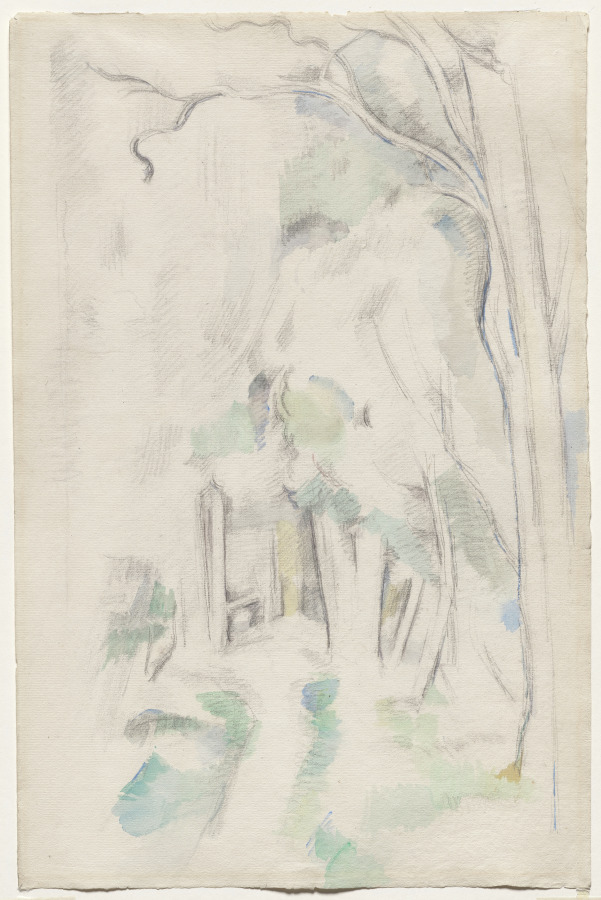
Footpath in the Woods
Can I see it?
Not on view at present
Where is “Footpath in the Woods” now? Collection: The Cleveland Museum of Art, Cleveland. Not on view at present. Checked September 29, 2026.

Cleveland, United States
It belongs to the collection, but is not on display at present.
- Checked
- In this state since
- Source
- The museum
About the work
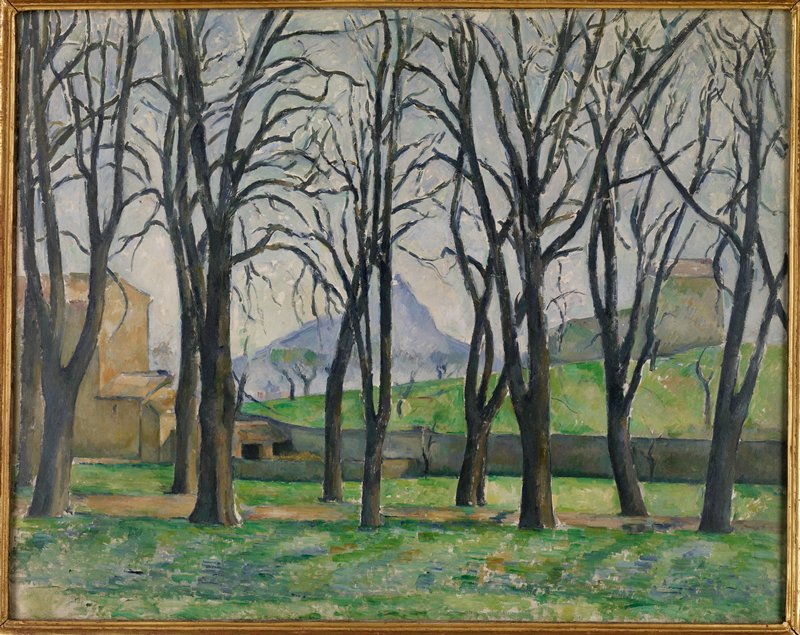
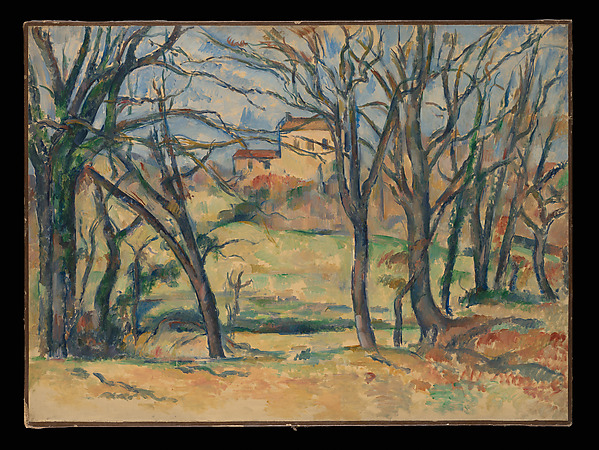
Paul Cezanne is known for moving beyond the visible brushwork of Impressionism toward a “constructive stroke,” in which each mark built a cohesive whole. He favored subjects that he saw as timeless, including landscape, the focus of this watercolor. Cezanne depicted chestnut trees at the Jas de Bouffan, his family estate outside Aix-en-Provence in southern France. He used graphite lines and areas of muted watercolor, but also the whiteness of his sheet of paper to represent the scene. The artist worked in watercolor throughout his entire career, seeing it as a site of experimentation and for developing new ideas.
The Cleveland Museum of Art
Details
- Accession number
- 2021.165
In the catalog
Sources
- The Cleveland Museum of Art
- Image: The Cleveland Museum of Art — Museum open access
In the life of Paul Cézanne
The whole life1882
His Only Appearance at the Official Salon
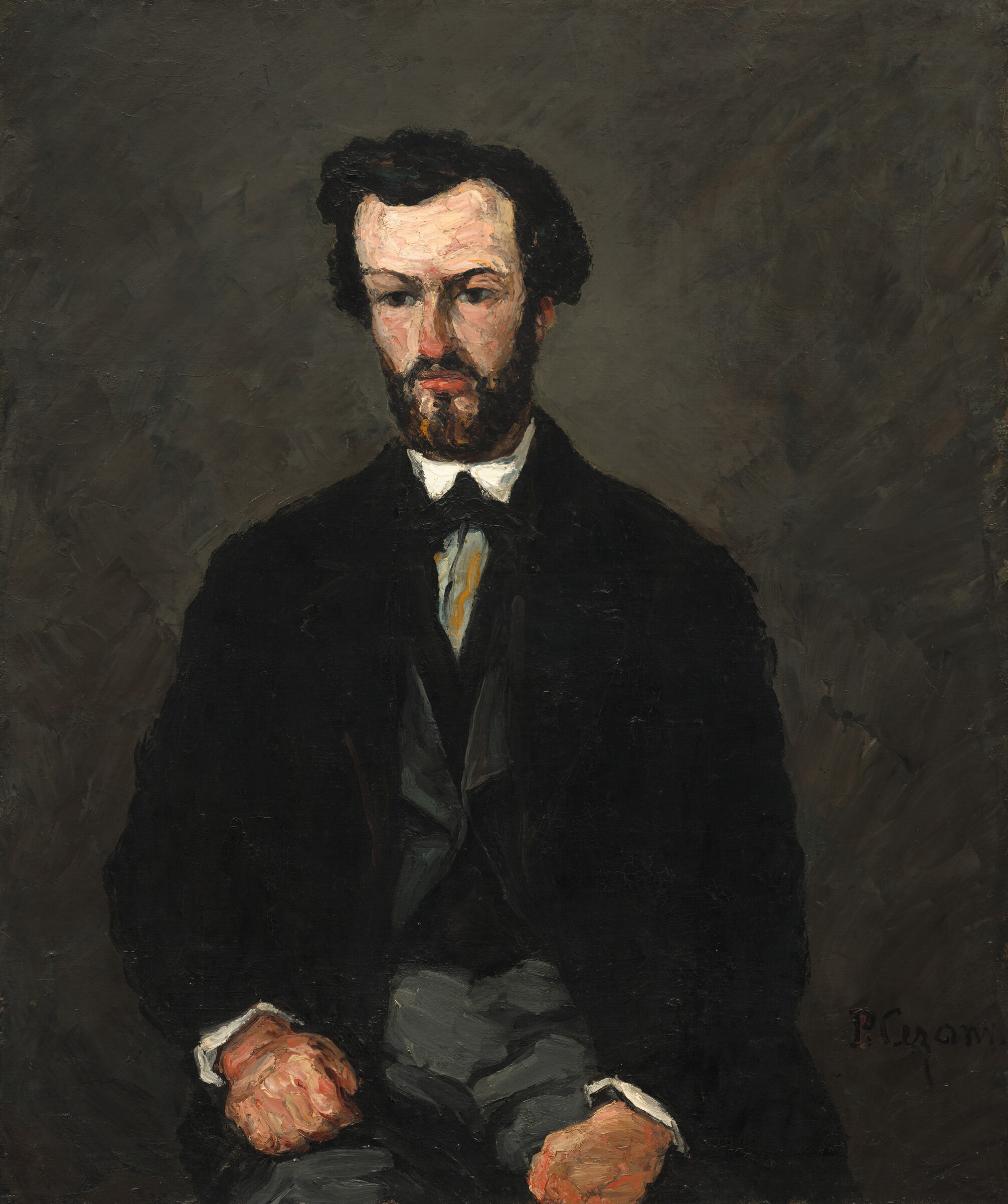
His friend Antoine Guillemet, having joined the Salon jury, got Cézanne admitted as his "pupil." The exhibited portrait (probably of the artist's father) was hung in a poorly lit spot and went unnoticed.
March 1886
Zola's Novel "The Masterpiece" and the Crisis of a Friendship
Zola published "The Masterpiece" (L'Œuvre), a novel about a failed painter, Claude Lantier, in whom Cézanne recognized himself. It was long believed that the friendship ended forever, but a rediscovered letter of 1887 shows that relations continued for some time.
28 April 1886
Married: Marie-Hortense Fiquet
28 April 1886
Marriage to Hortense Fiquet
He married Hortense Fiquet in Aix in the presence of his parents. The marriage was concluded not out of love but to secure the rights of their fourteen-year-old son Paul as a legitimate heir.
October 1886
Death of His Father and Inheritance
After the death of Louis-Auguste, Cézanne, together with his mother and sisters, inherited his fortune, including the Jas de Bouffan; the artist's financial situation eased considerably ("he left me an income of 25,000 francs").