ART WIKI32,963 on view
MapCollectionArtistsMuseumsExhibitionsJournal
Sign in

ART WIKI

Where the masterpiece hangs, and when they let you in.

Collections: Art Institute of Chicago, Getty Villa, Harvard Art Museums, Hirshhorn Museum and Sculpture Garden, J. Paul Getty Museum, Minneapolis Institute of Art, Musée du Louvre, National Gallery of Art, National Museum of Asian Art, National Portrait Gallery (Smithsonian), Pushkin State Museum of Fine Arts, Rijksmuseum, Smithsonian American Art Museum, SMK — National Gallery of Denmark, State Hermitage Museum, State Russian Museum, The Cleveland Museum of Art, The Metropolitan Museum of Art, The Museum of Modern Art, Tretyakov Gallery, Victoria and Albert Museum, Whitney Museum of American Art, State Catalogue of the Museum Fund of Russia (274 museums), Europeana (19 museums), Wikidata (6 museums), Paris Musées (12 museums), and Joconde, the French Ministry of Culture's museum database (495 museums). Images belong to their rights holders.

Sections

  • Map
  • Search
  • Collection
  • Masterpieces
  • On view now
  • Artists

More

  • Museums & galleries
  • Exhibitions
  • Journal
  • Where the data comes from
  • Privacy & cookies
HomeMapBrowse
  1. Collection/
  2. Victoria and Albert Museum/
  3. Figure group
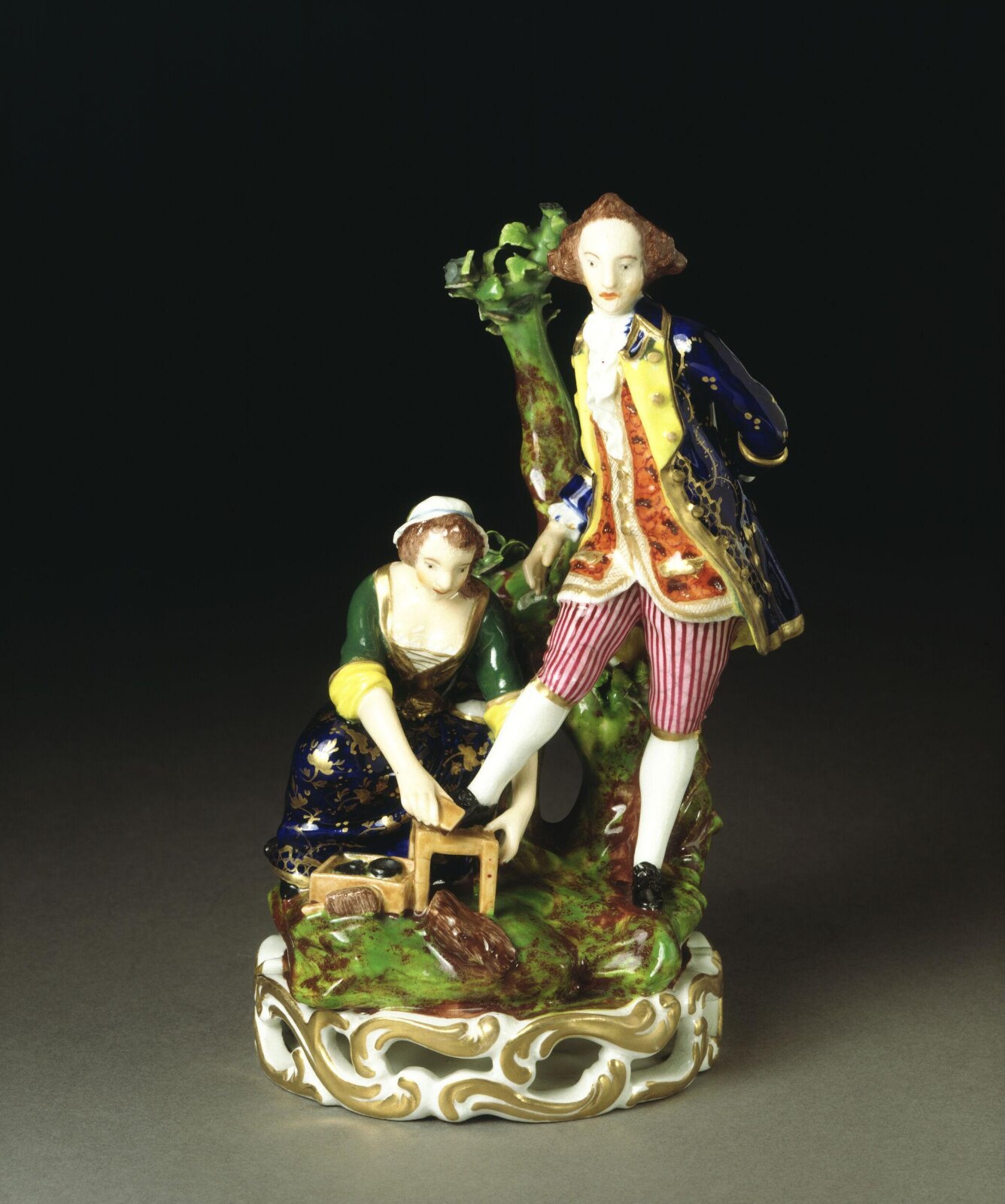
Figure group, Etienne-Maurice Falconet, 1830-1835

Figure group

1830-1835 · Figure group

About the sculpture

Object Type

From about 1740 sets of porcelain figures were first made as table decorations for the dessert course of grand dinners. They were used in place of, or alongside, decorations modelled in sugar paste or wax. Unglazed ('biscuit') porcelain figures were considered especially suitable for the dessert course.

This group and the companion ones of a stocking-mender and a hairdresser, were copied from biscuit figure groups made around 1756 at Sèvres, the Royal French porcelain factory. By this time porcelain figures were also being used in interior decoration. It is most likely that the glazed porcelain versions that Derby made in the 1770s, and which they reissued in the early 19th century, were intended for use in interiors.

People

Read on

The Sèvres porcelain originals on which this group and its companions were based were modelled by Etienne-Maurice Falconet (1716-1791), a leading French sculptor. Falconet was the director of modelling at the factory between 1757 and 1766.

Materials & Making

Like most Derby figure groups, this one is formed by slip-casting. In this process a mixture of clay and water is poured into a set of hollow plaster moulds. The water evaporates, leaving a thin layer of clay. The moulds are then taken apart and the figure parts removed and assembled before firing.

Victoria and Albert Museum

Particulars

Accession number
C.1303-1919

More by Etienne-Maurice Falconet

All works

In the same room · British Galleries, Room 120, The Wolfson Galleries, Victoria and Albert Museum

Museum page

On the same theme · Figures

All works on the theme
Etienne-Maurice Falconet, portraitEtienne-Maurice FalconetFrench, 1716–1791

May one see it?

Yes, receiving visitors

Victoria and Albert Museum

London, United Kingdom

RoomBritish Galleries, Room 120, The Wolfson Galleries

On public display.

Checked
12 days ago
In this state since
Sep 25, 2026
Source
The museum
On the mapMuseum page

What it shows

FiguresManWomanOpenworkScrolls

In the catalog

SculptureTerracotta and ceramicsRomanticism19th centuryDerby

Sources

  • Victoria and Albert Museum
  • Image: Victoria and Albert Museum — © Victoria and Albert Museum, London
Venus of the Doves, Etienne-Maurice Falconet

Venus of the Doves

National Gallery of Art

Le Génie de la Sculpture, Falconet, Etienne Maurice, 1745

Le Génie de la Sculpture

1745 · Musée du Louvre

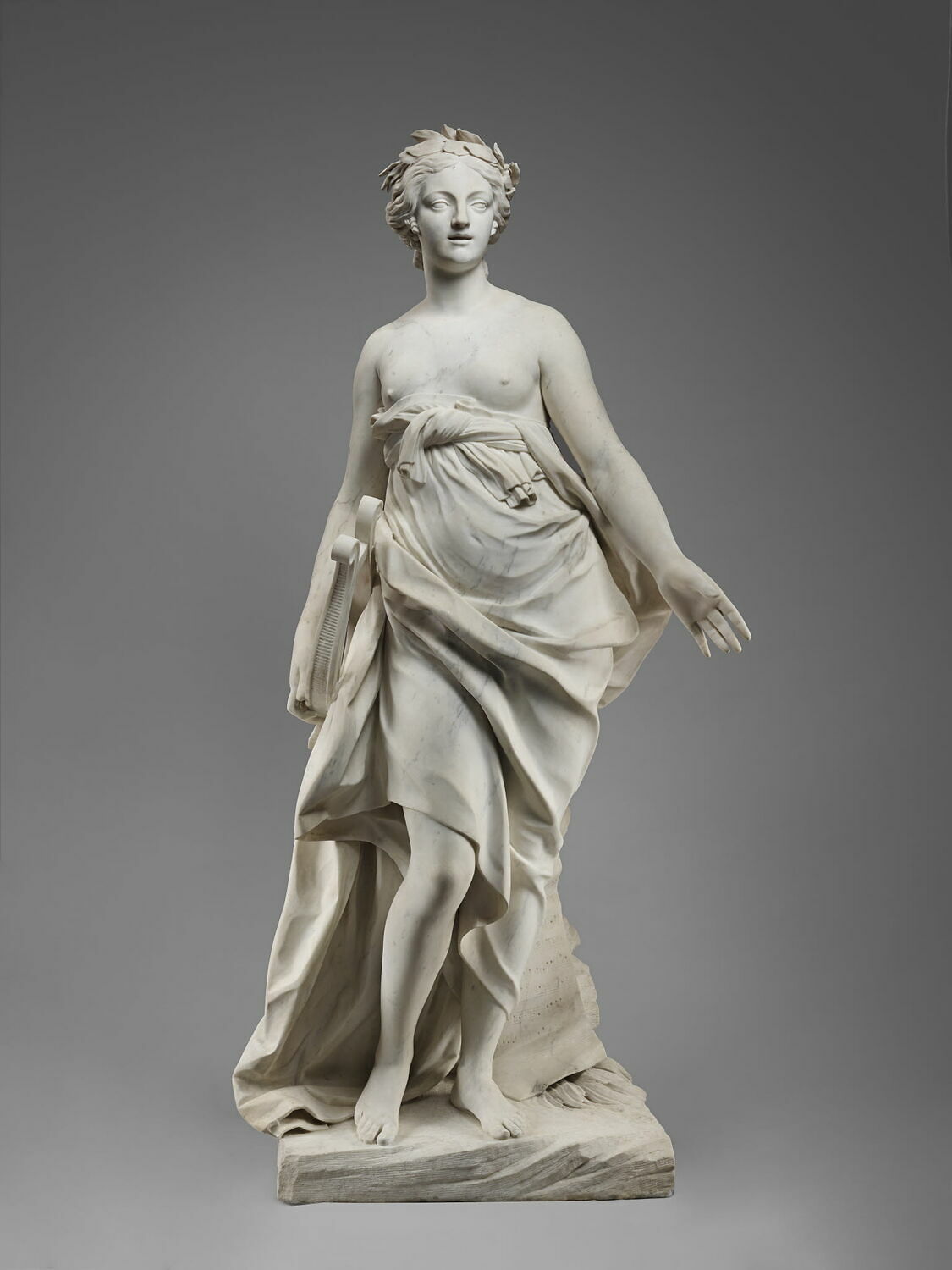
La Musique, Falconet, Etienne Maurice, 1752

La Musique

1752 · Musée du Louvre

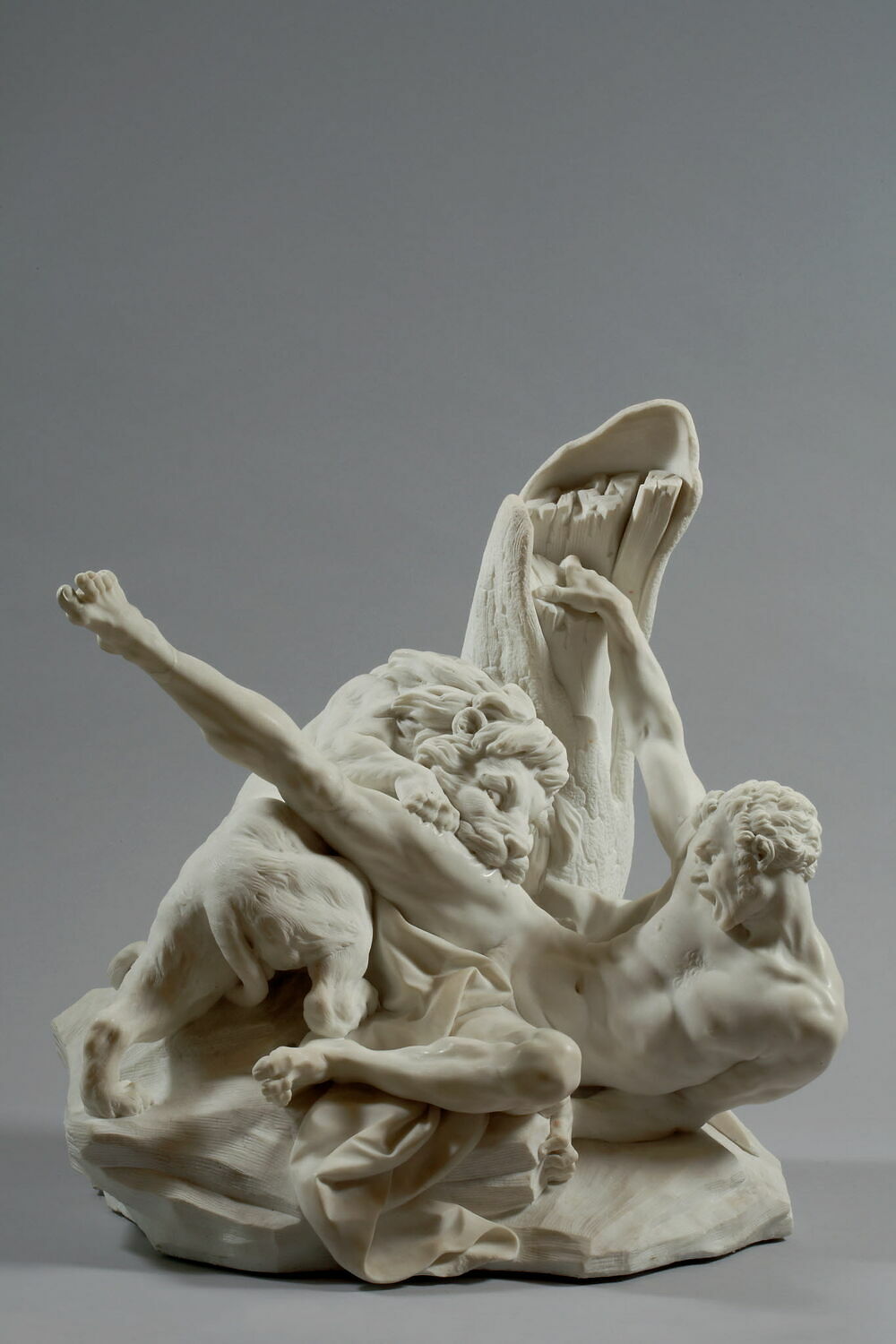
Milon de Crotone, Falconet, Etienne Maurice, 1754

Milon de Crotone

1754 · Musée du Louvre

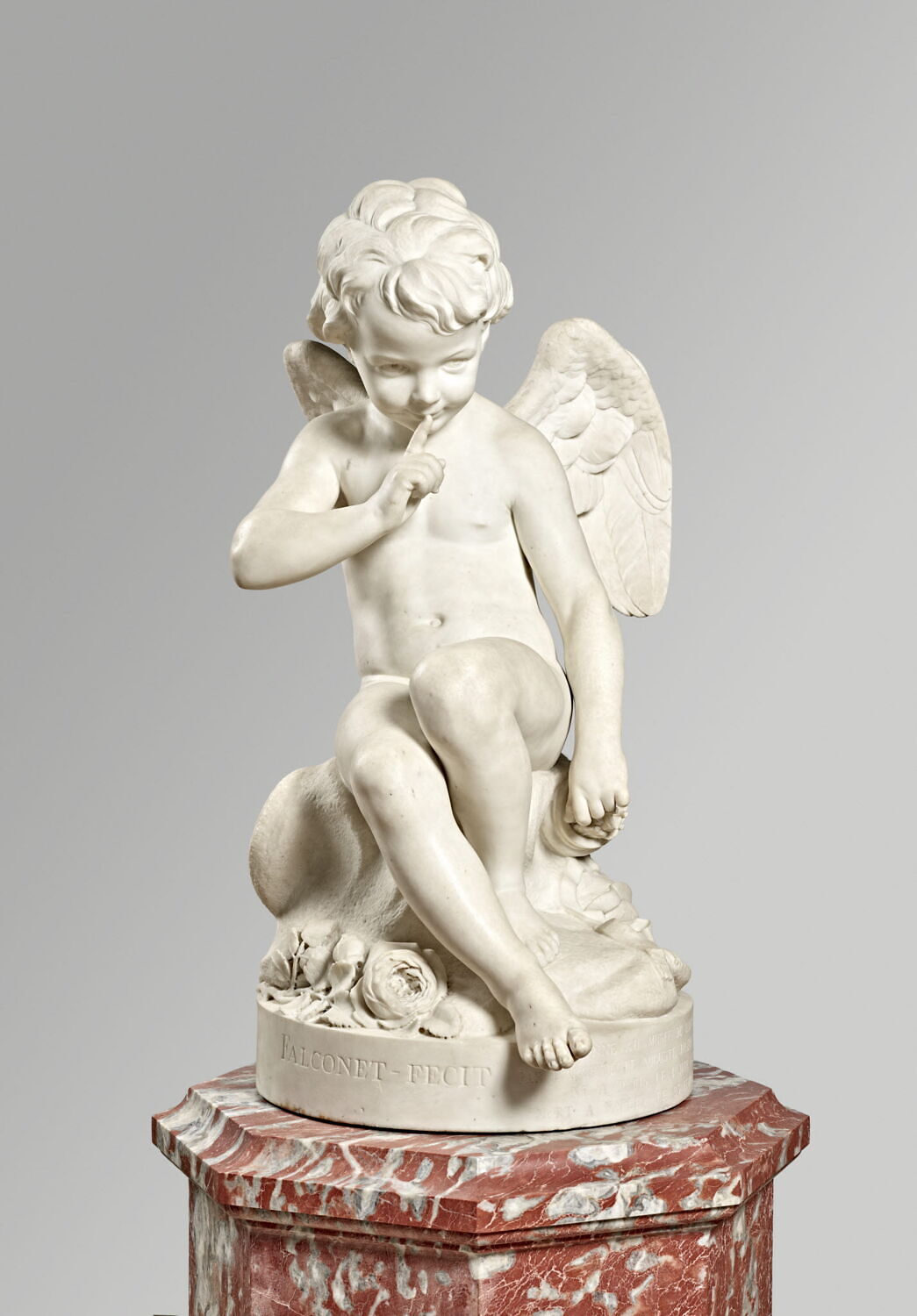
L'Amour menaçant, Falconet, Etienne Maurice, vers 1757

L'Amour menaçant

c. 1757 · Musée du Louvre

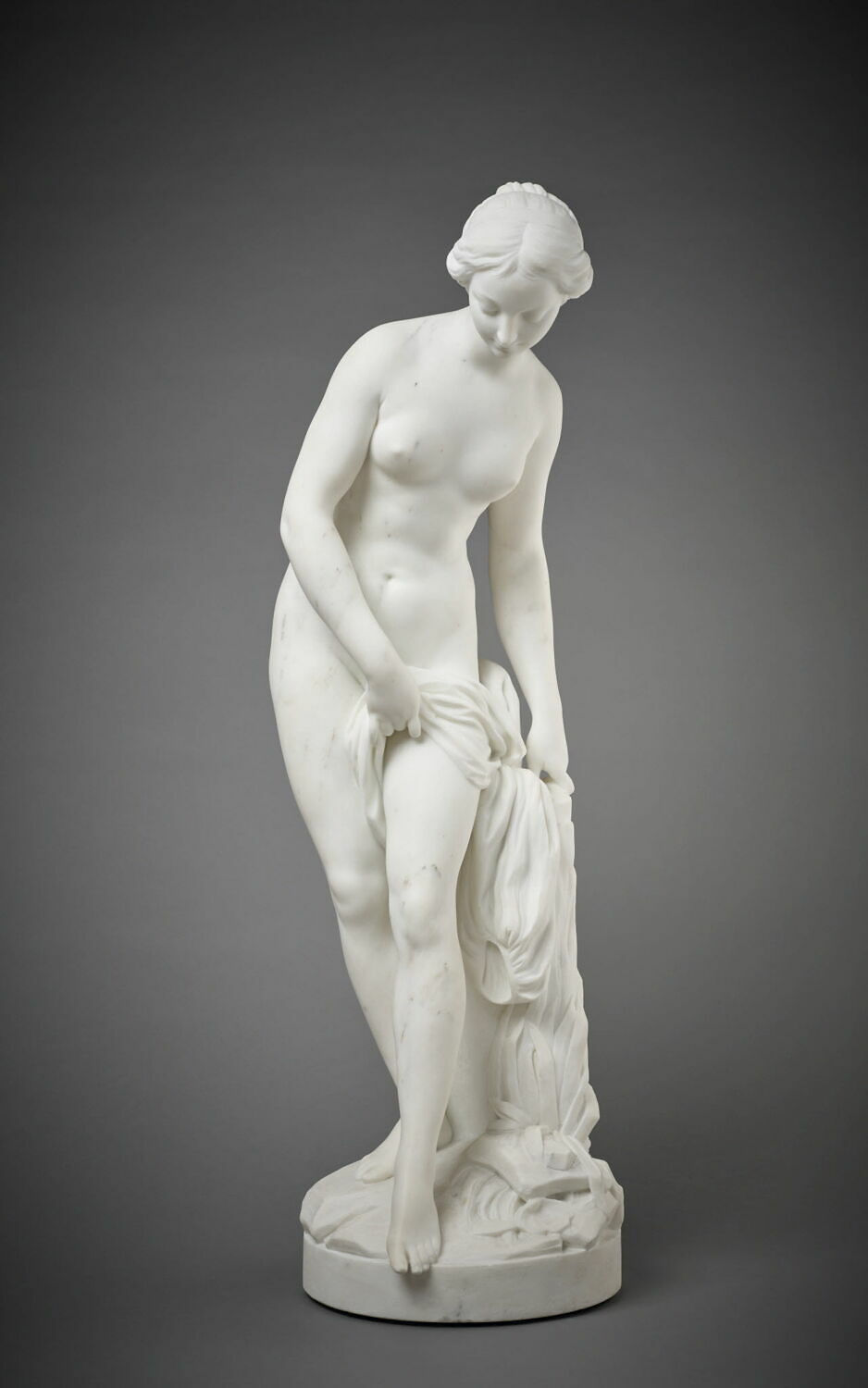
Baigneuse, Falconet, Etienne Maurice, 1757

Baigneuse

1757 · Musée du Louvre

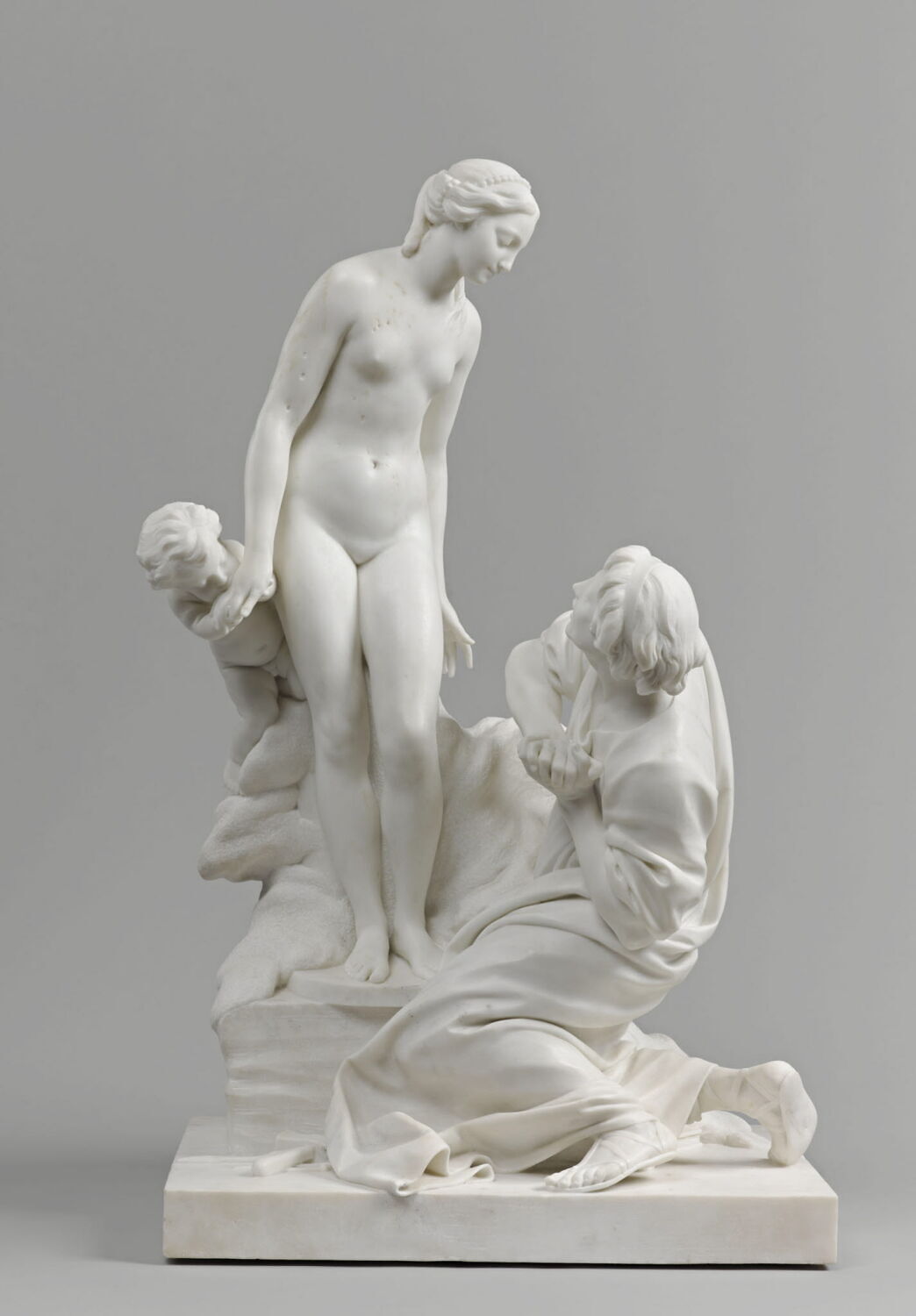
Pygmalion au pied de sa statue qui s'anime, Falconet, Etienne Maurice, 1761

Pygmalion au pied de sa statue qui s'anime

1761 · Musée du Louvre

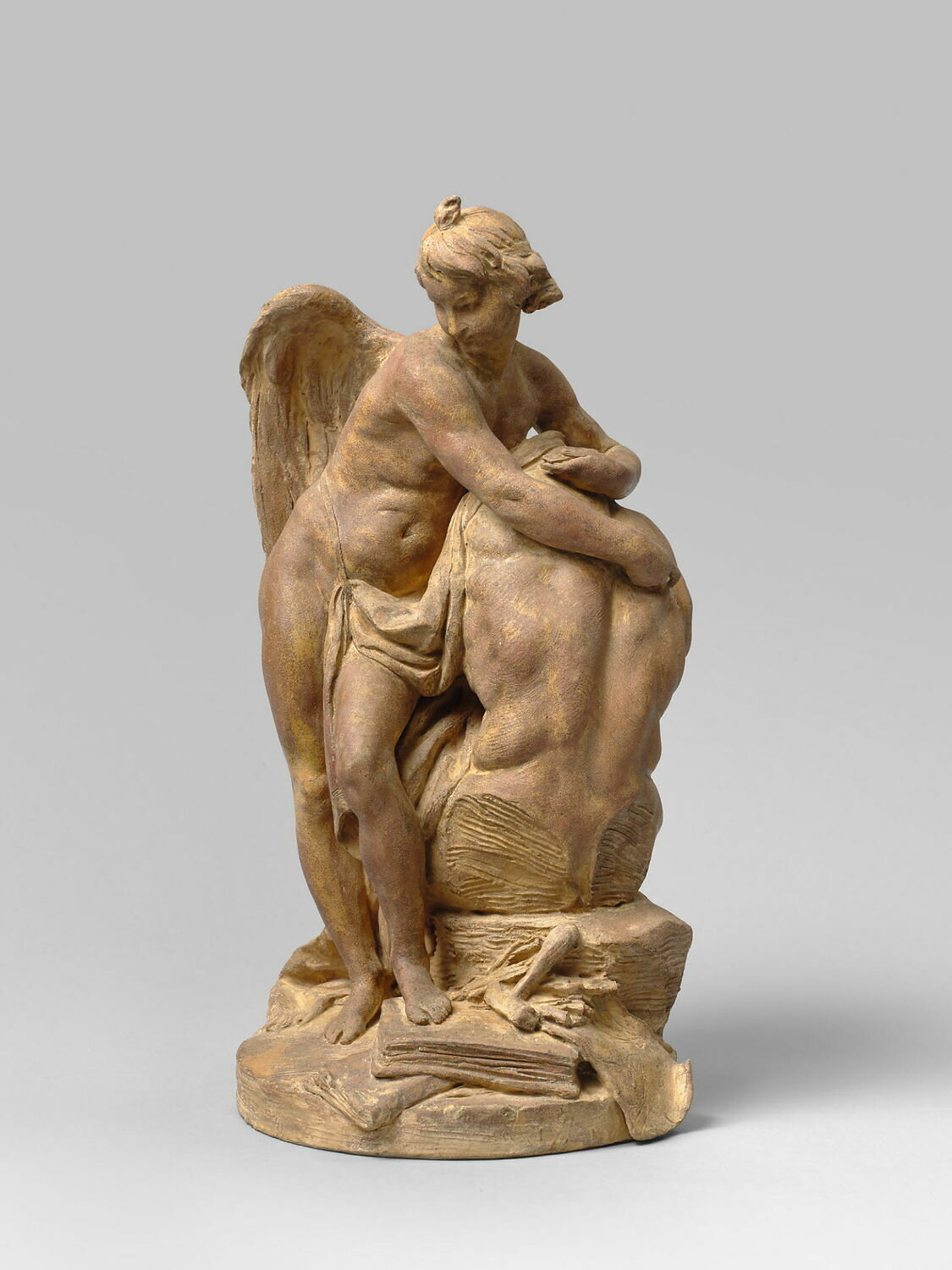
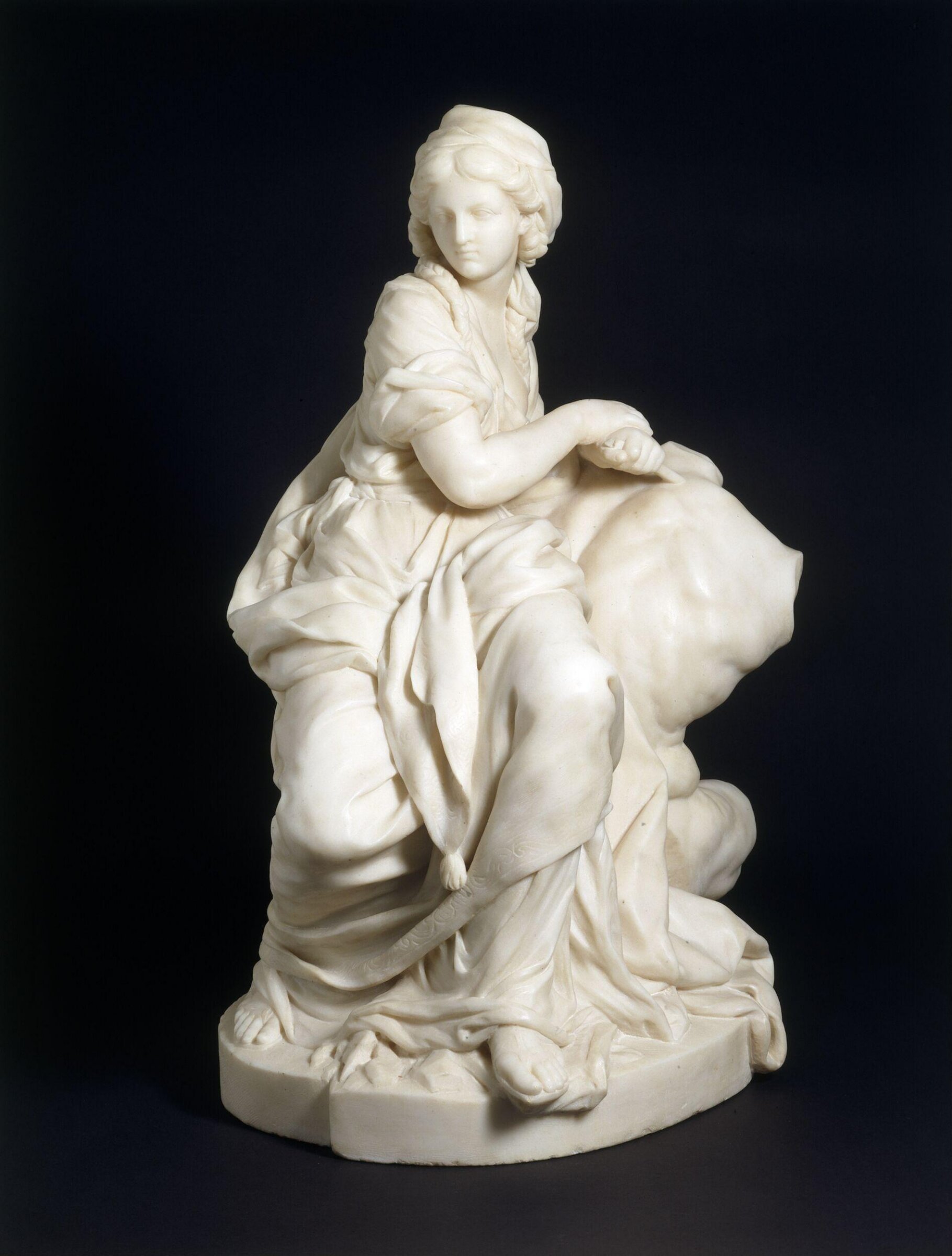
Le Genie de la Sculpture (Allegory of Sculpture), Étienne-Maurice Falconet, ca. 1746

Le Genie de la Sculpture (Allegory of Sculpture)

ca. 1746 · Victoria and Albert Museum

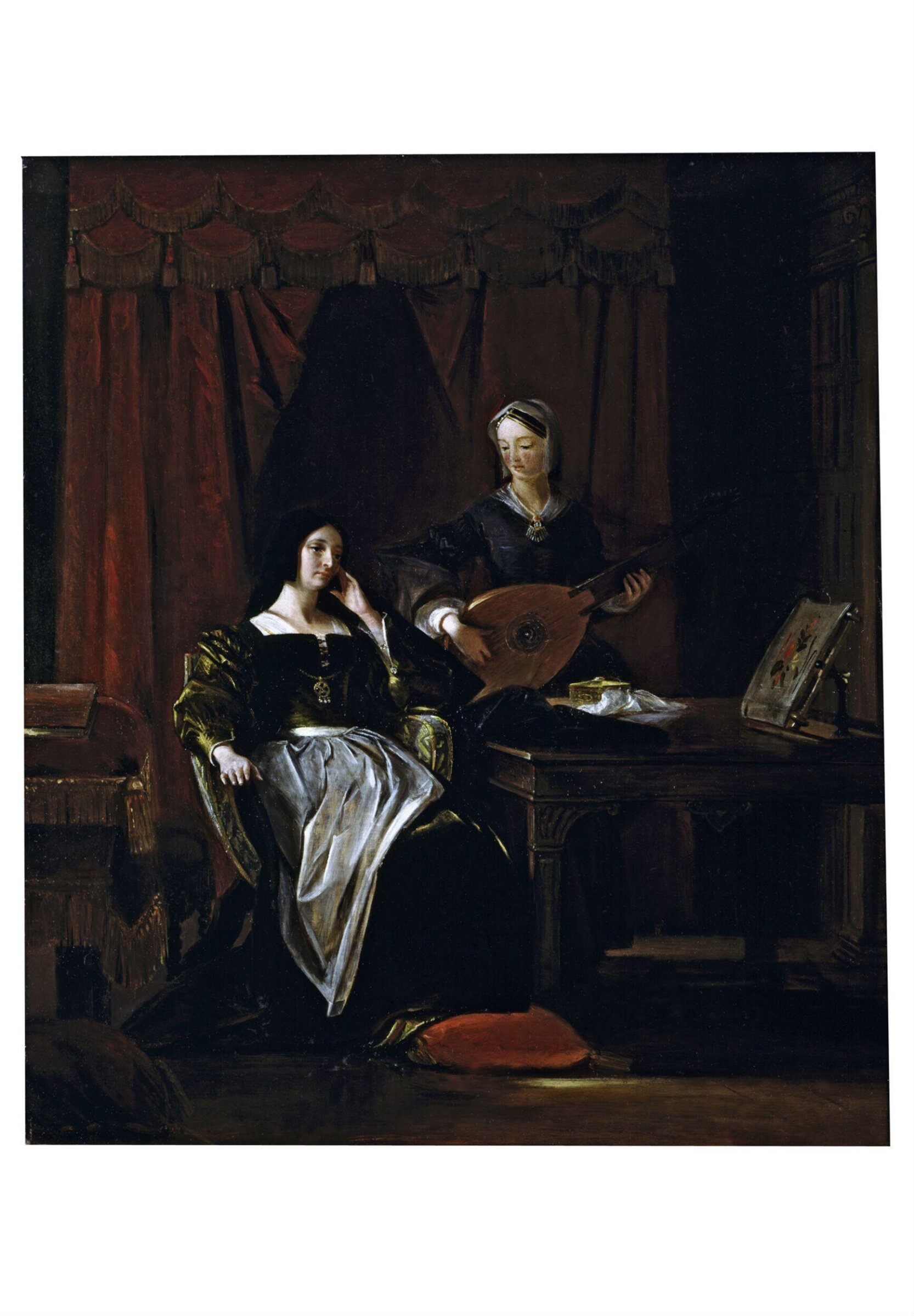
Queen Katherine and Patience, Charles Robert Leslie, 1842

Charles Robert Leslie

Queen Katherine and Patience, 1842

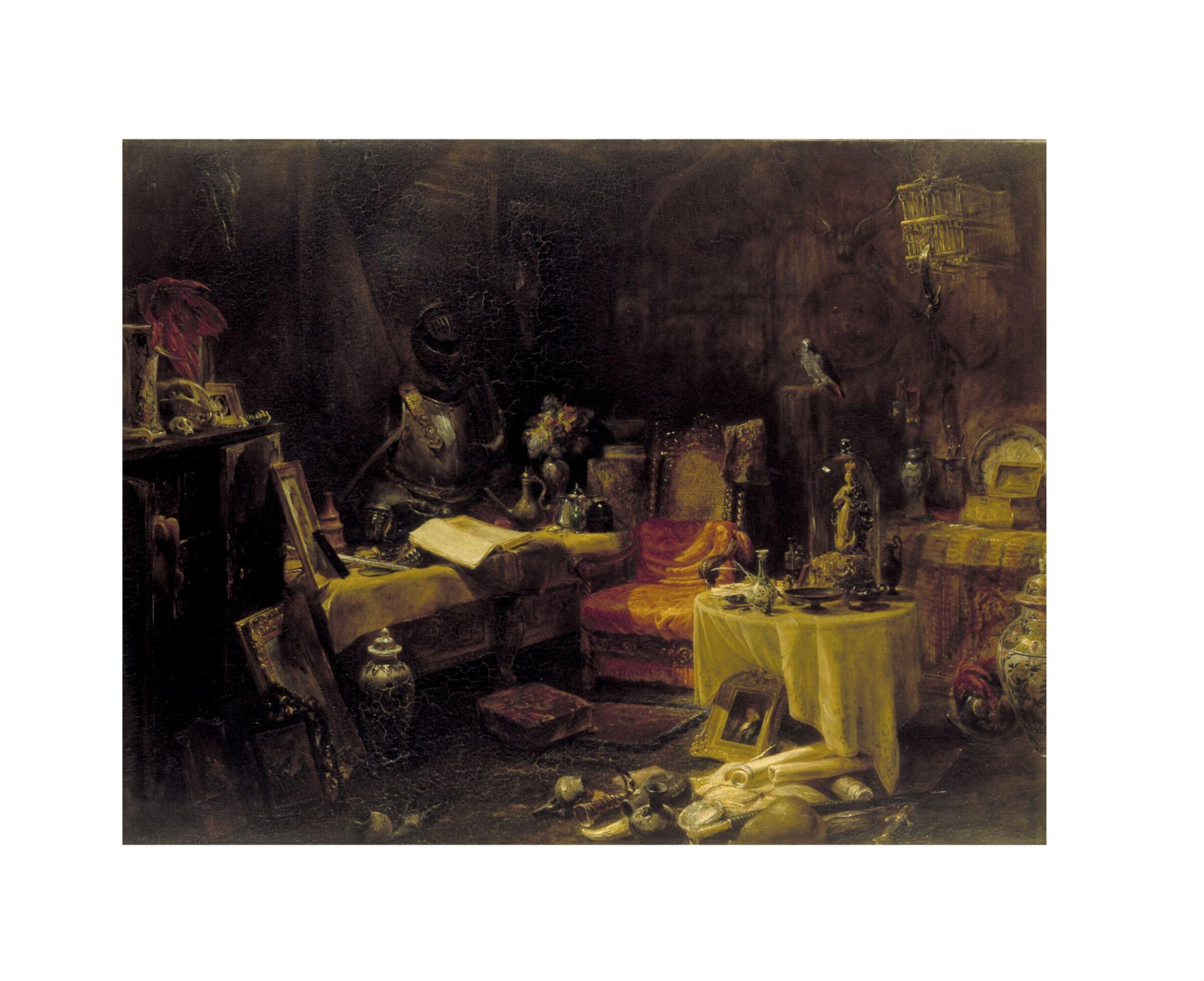
The Antiquary's Cell, Edward William Cooke, 1835

Edward William Cooke

The Antiquary's Cell, 1835

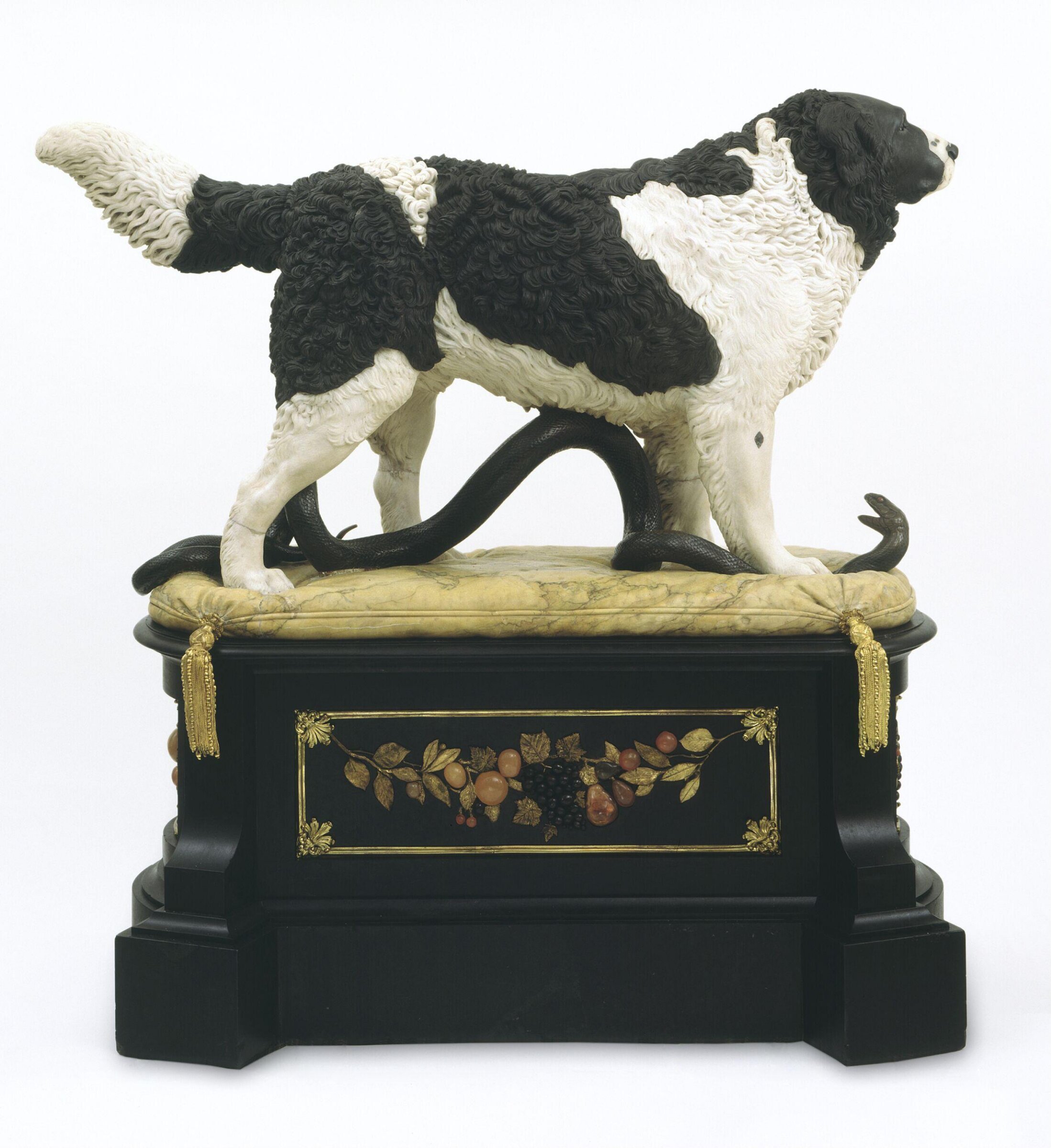
Bashaw, 'the faithful friend of man', workshop of Matthew Cotes Wyatt, ca. 1832 - ca. 1834

workshop of Matthew Cotes Wyatt

Bashaw, 'the faithful friend of man', ca. 1832 - ca. 1834

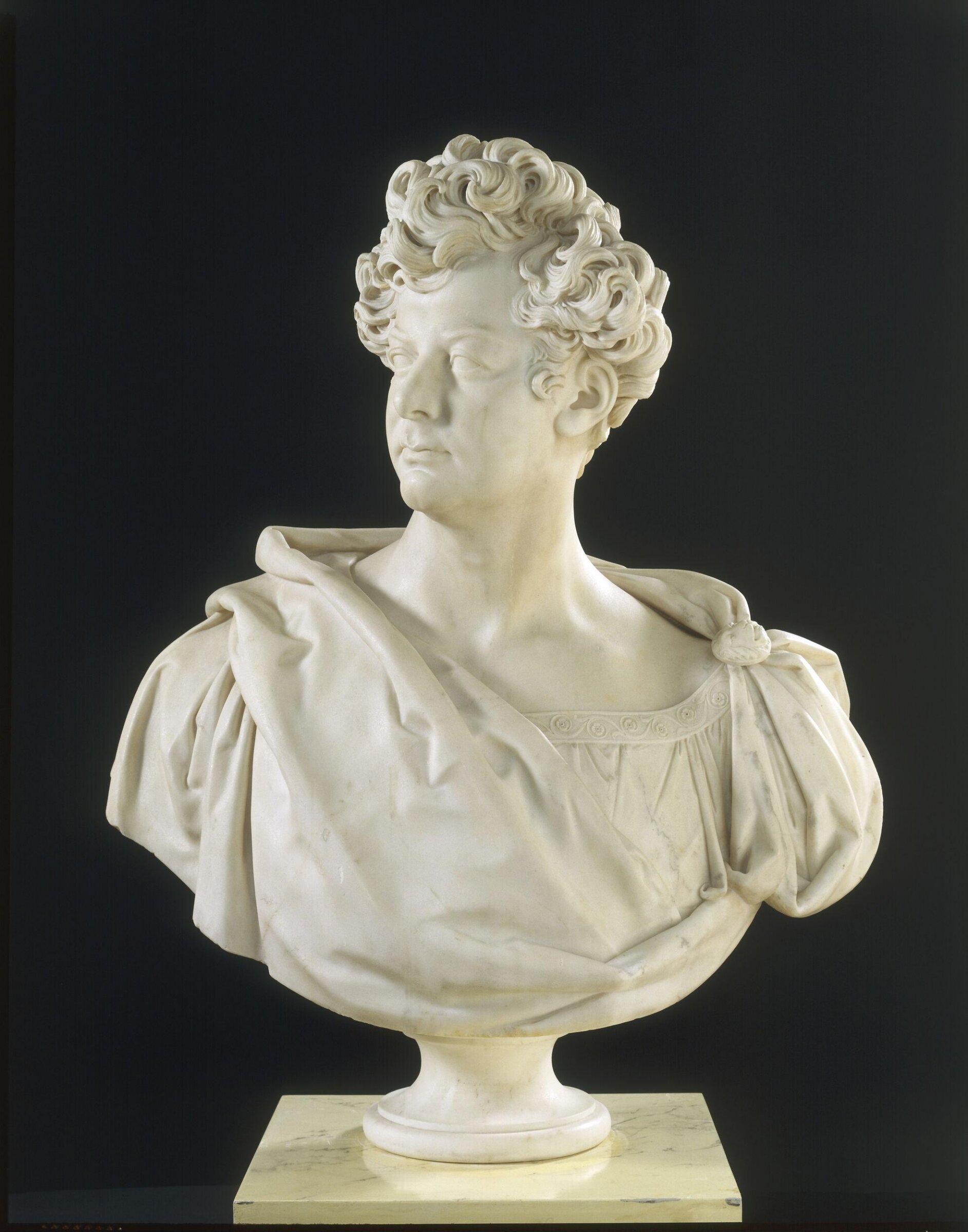
George IV, Samuel Joseph, 1831

Samuel Joseph

George IV, 1831

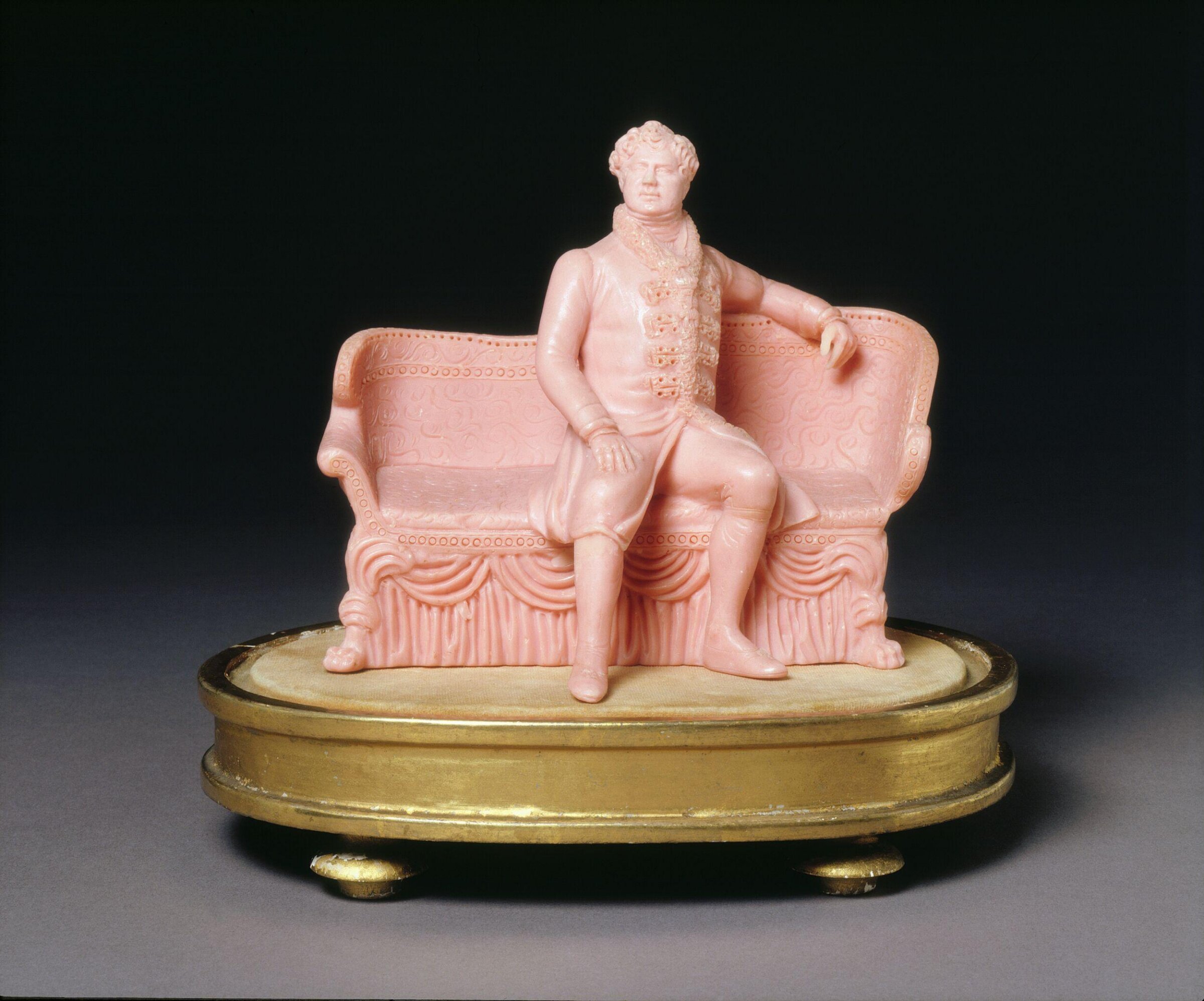
George IV, J. Cave, 1830

J. Cave

George IV, 1830

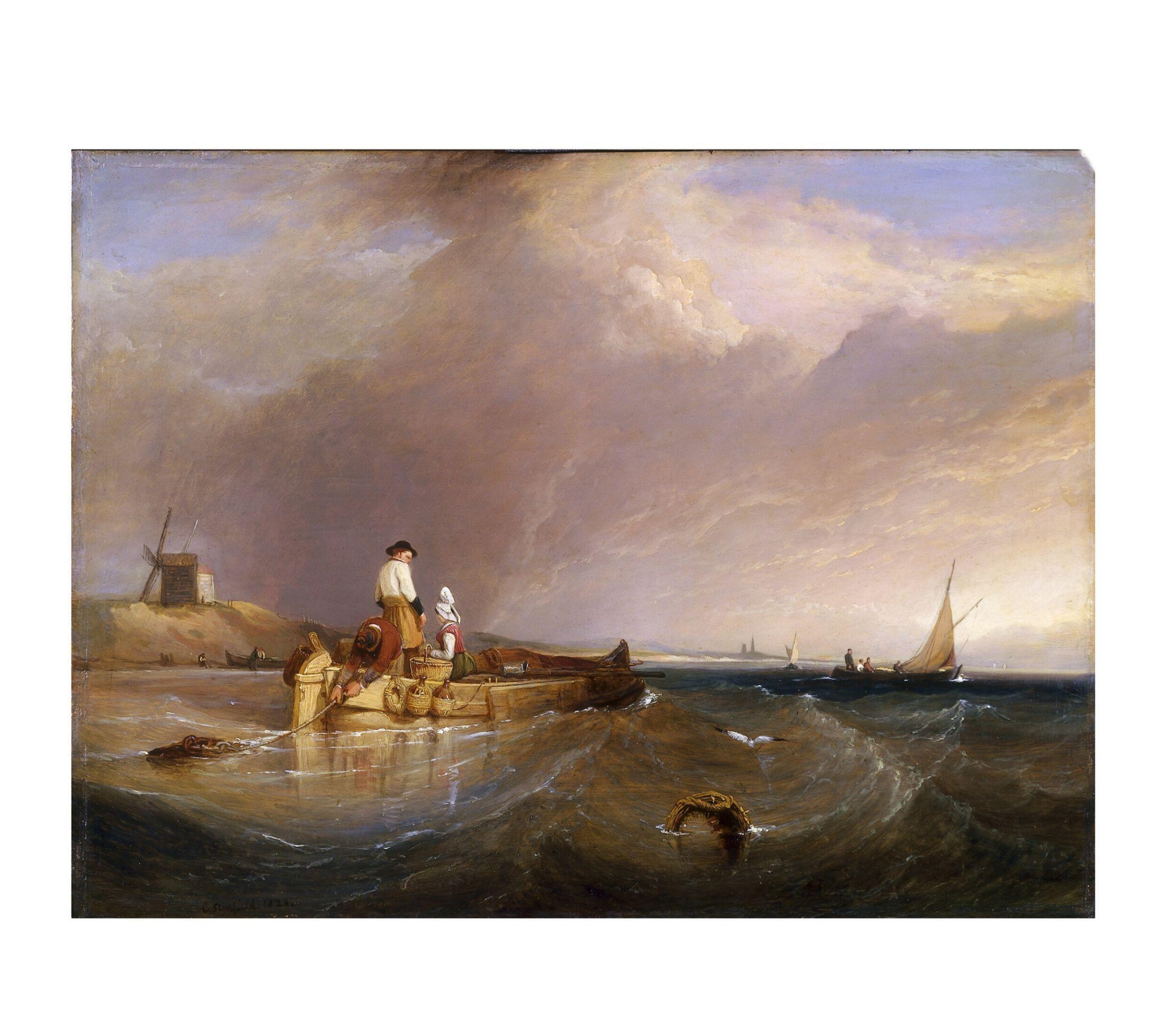
View on the Scheldt, Clarkson Frederick Stanfield, 1826

William Clarkson Stanfield

View on the Scheldt, 1826

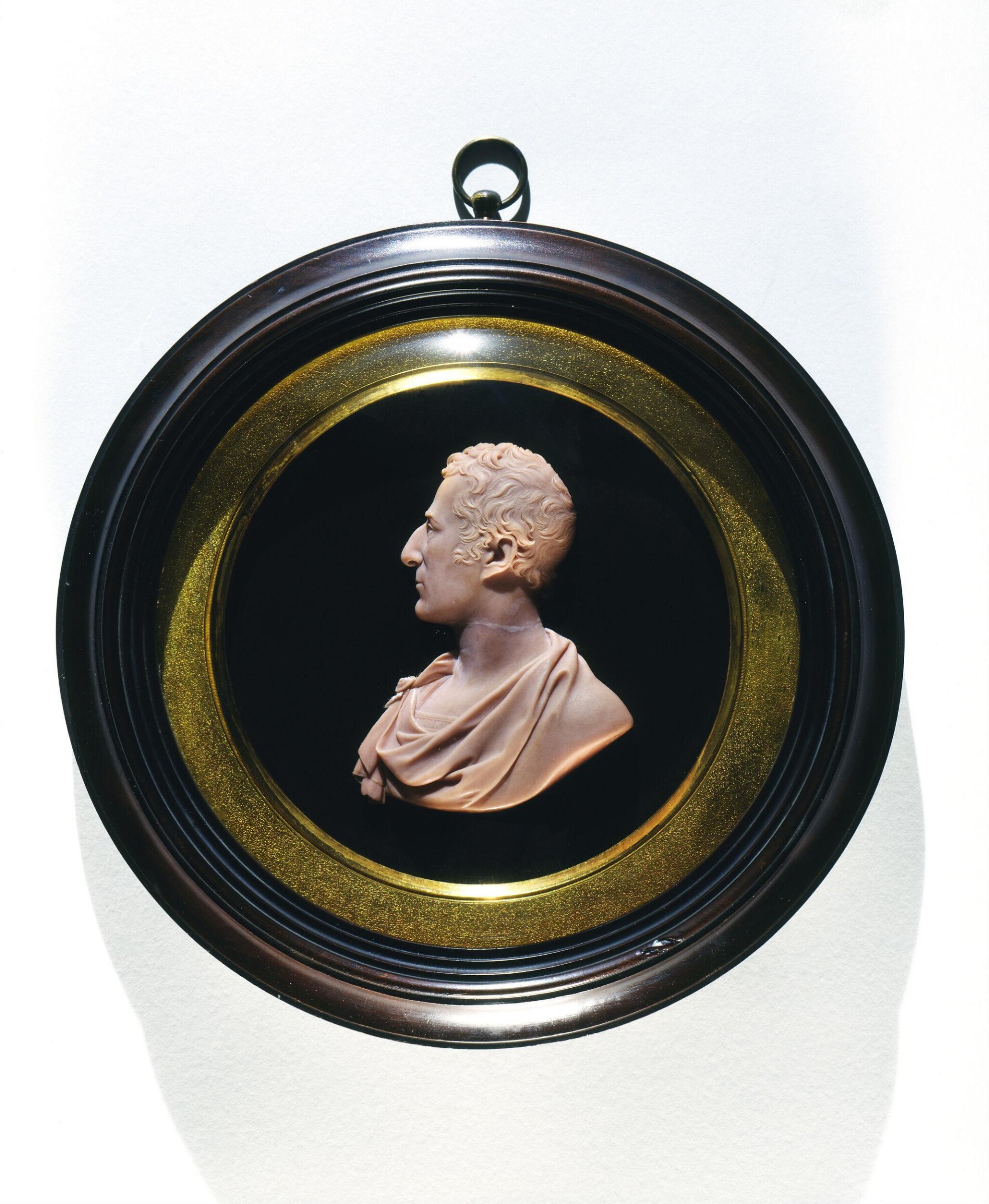
Relief, Peter Rouw the younger, 1822

Peter Rouw the younger

Relief, 1822

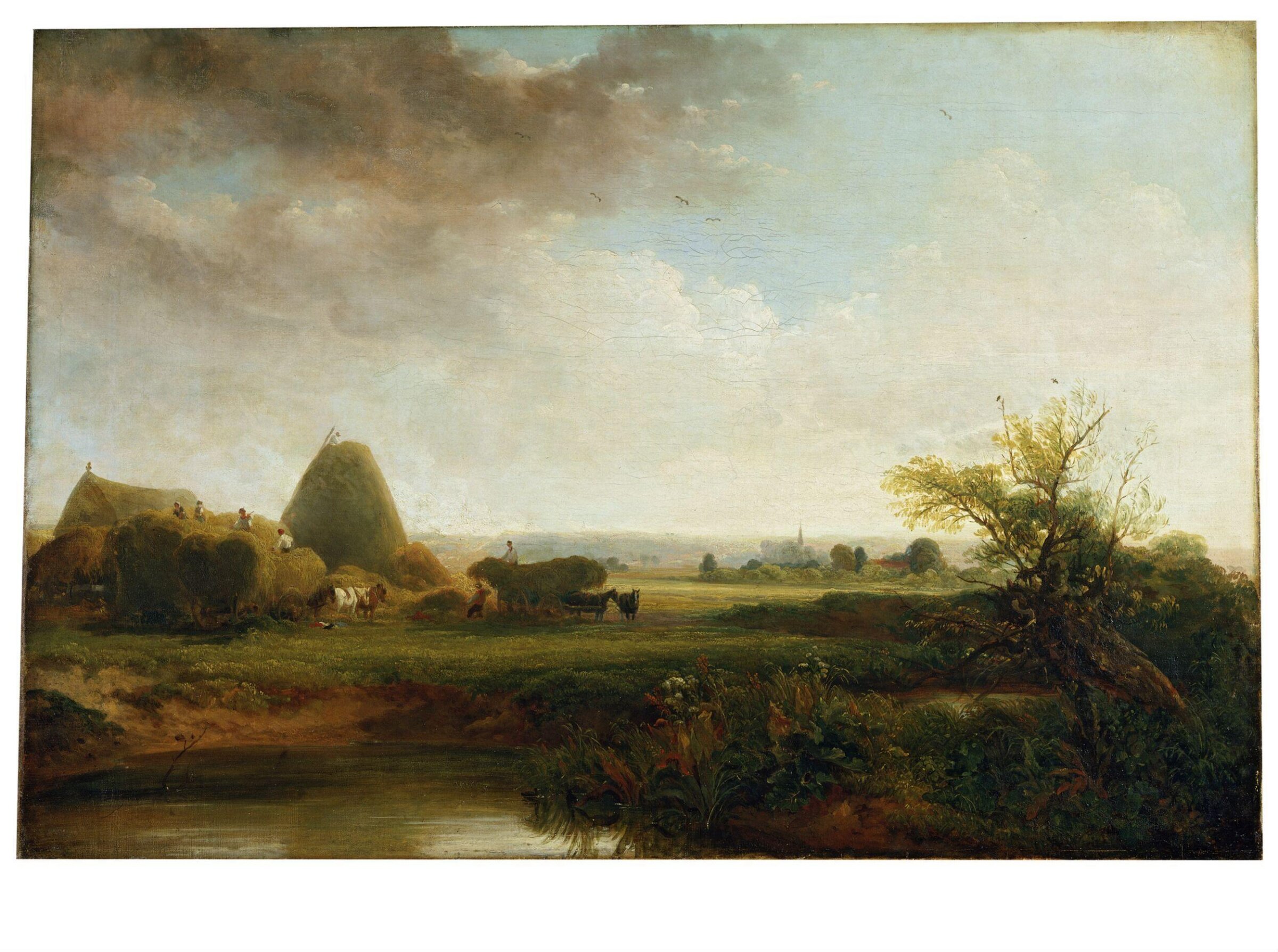
Haymaking, Peter De Wint, ca.1815 - ca.1830

Peter De Wint

Haymaking, ca.1815 - ca.1830

a) The Last Supper; b) Putti, Vincenzo Tamagni, after Leonardo da Vinci, c. 1515

Leonardo da Vinci

a) The Last Supper; b) Putti, c. 1515

Not on view · National Gallery of Art

The Last Supper, after Leonardo da Vinci, probably 19th century

Leonardo da Vinci

The Last Supper, probably 19th century

Not on view · National Gallery of Art

Potato Eaters, Vincent van Gogh, 1885

Vincent van Gogh

Potato Eaters, 1885

Not on view · National Gallery of Art

Dream and Lie of Franco II, Pablo Picasso, 1937

Pablo Picasso

Dream and Lie of Franco II, 1937

Not on view · National Gallery of Art

Blinded Minotaur Led by a Girl III (Minotaur aveugle guide par une fillette III), Pablo Picasso, 1934

Pablo Picasso

Blinded Minotaur Led by a Girl III (Minotaur aveugle guide par une fillette III), 1934

Not on view · National Gallery of Art

Two Men (Deux Hommes), Pablo Picasso, 18 March 1967

Pablo Picasso

Two Men (Deux Hommes), 18 March 1967

Not on view · National Gallery of Art

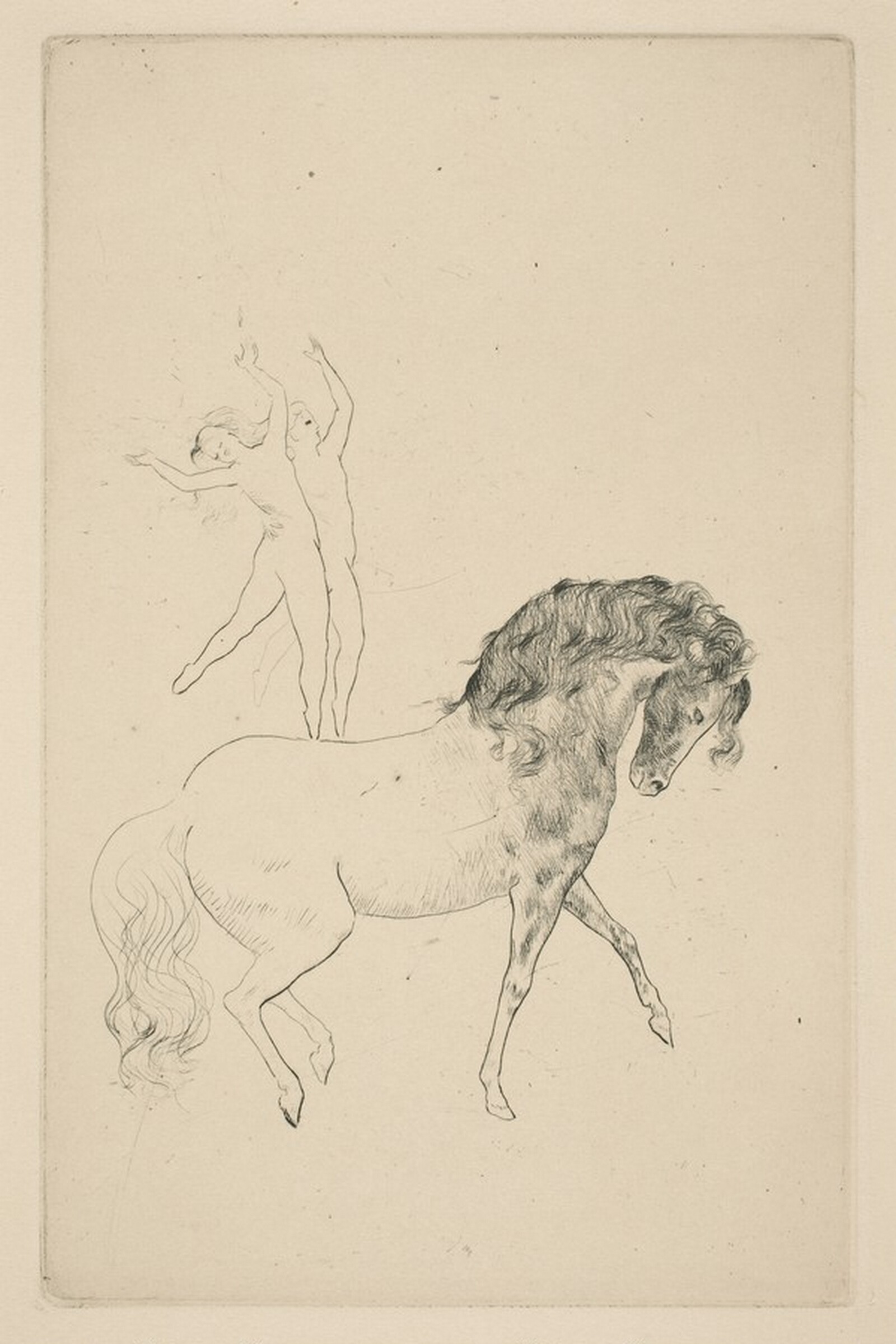
At the Circus (Au cirque), Pablo Picasso, 1905, published 1913

Pablo Picasso

At the Circus (Au cirque), 1905, published 1913

Not on view · National Gallery of Art

In the Arena. Young Man Kills the Minotaur (Dans l'arène. Jeune homme achevant le minotaure), Pablo Picasso, 1933

Pablo Picasso

In the Arena. Young Man Kills the Minotaur (Dans l'arène. Jeune homme achevant le minotaure), 1933

Not on view · National Gallery of Art