ART WIKI33,040 on view
MapCollectionArtistsMuseumsExhibitionsJournal
Sign in

ART WIKI

Where the masterpiece hangs, and when they let you in.

Collections: Art Institute of Chicago, Getty Villa, Harvard Art Museums, Hirshhorn Museum and Sculpture Garden, J. Paul Getty Museum, Minneapolis Institute of Art, Musée du Louvre, National Gallery of Art, National Museum of Asian Art, National Portrait Gallery (Smithsonian), Pushkin State Museum of Fine Arts, Rijksmuseum, Smithsonian American Art Museum, SMK — National Gallery of Denmark, State Hermitage Museum, State Russian Museum, The Cleveland Museum of Art, The Metropolitan Museum of Art, The Museum of Modern Art, Tretyakov Gallery, Victoria and Albert Museum, Whitney Museum of American Art, State Catalogue of the Museum Fund of Russia (274 museums), Europeana (19 museums), Wikidata (6 museums), Paris Musées (12 museums), and Joconde, the French Ministry of Culture's museum database (495 museums). Images belong to their rights holders.

Sections

  • Map
  • Search
  • Collection
  • Masterpieces
  • On view now
  • Artists

More

  • Museums & galleries
  • Exhibitions
  • Journal
  • Where the data comes from
  • Privacy & cookies
HomeMapBrowse
  1. Collection/
  2. Victoria and Albert Museum/
  3. Figure
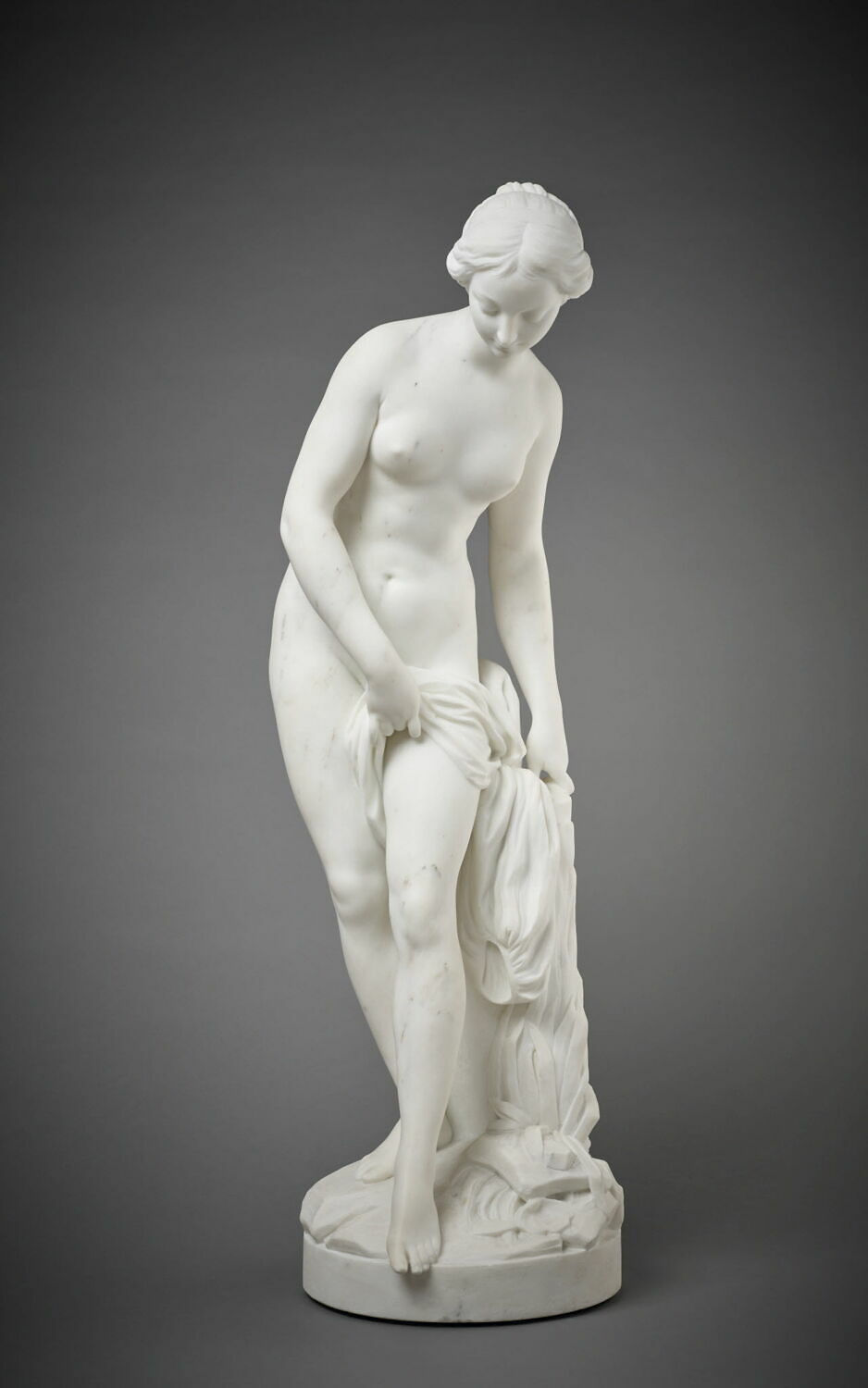
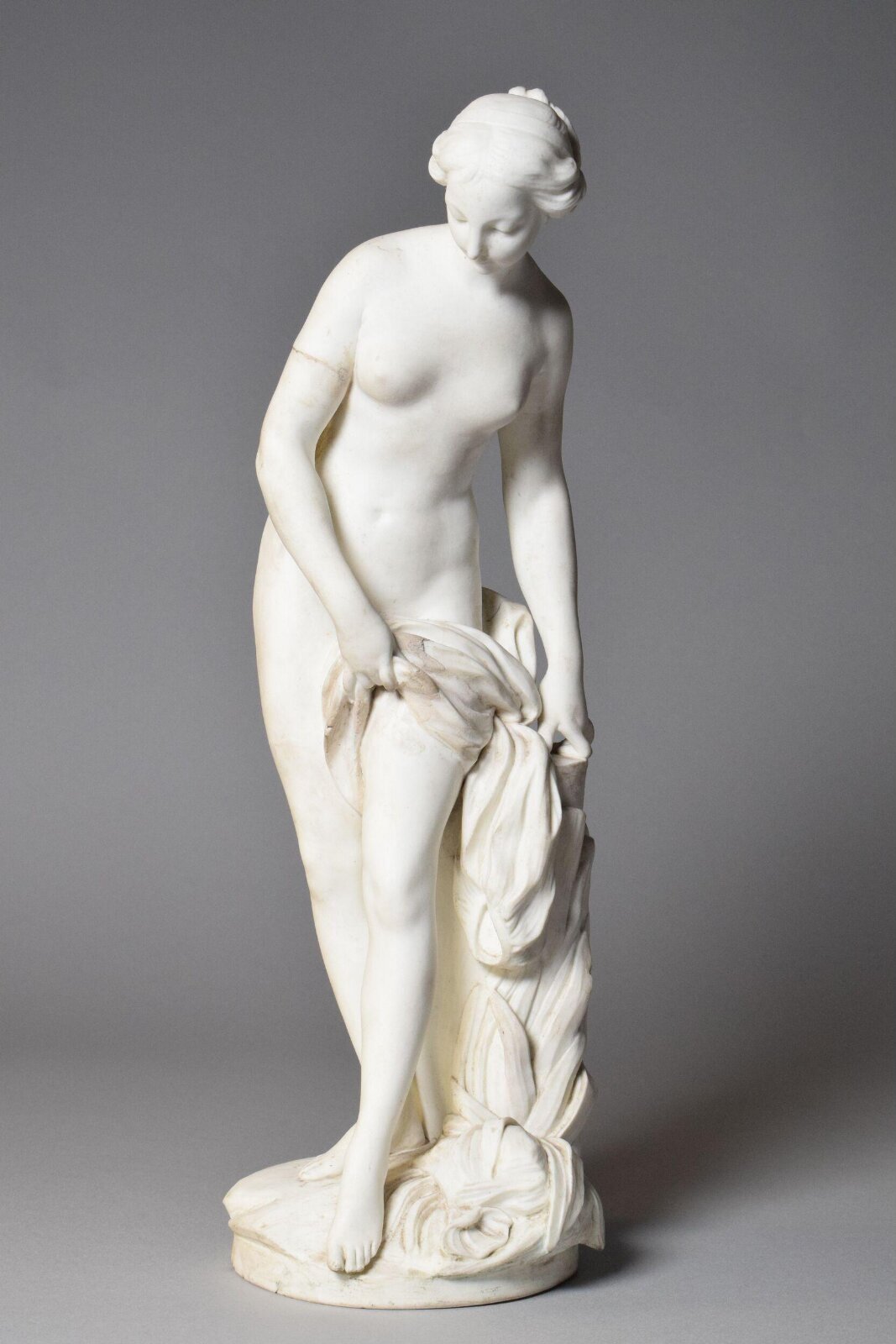
Figure, Étienne-Maurice Falconet, 18th century
Etienne-Maurice Falconet, portraitEtienne-Maurice FalconetFrench, 1716–1791

Figure

18th century · Sculpture

About the sculpture

Étienne-Maurice Falconet (1716–1791) was director of the modelling workshop at Sèvres porcelain manufactory 1755-1766. He was inspired by various classical sources, including ancient Roman marble sculpture, and work by the French Rococo artist François Boucher. This figure is based on Falconet’s marble sculpture, La Baigneuse, or Nymphe qui descend au bain, exhibited in the Paris Salon in 1757, and now in the Louvre.

Read on

Porcelain figures were typically made from moulds with various parts that were meticulously assembled before the first firing. They were created as table decorations, evolving from the tradition for wax or sugar statuettes. Biscuit porcelain was first produced around 1751, and was considered a good substitute for sugar sculptures specifically. As biscuit porcelain was unglazed and unpainted, faults and blemishes were difficult to conceal which made it both highly valued and highly expensive.

Victoria and Albert Museum

Particulars

Accession number
383-1874

Meanwhile, in the life of Etienne-Maurice Falconet

The whole life
  1. 1 December 1716

    Born

  2. 1744

    Admitted to the Royal Academy

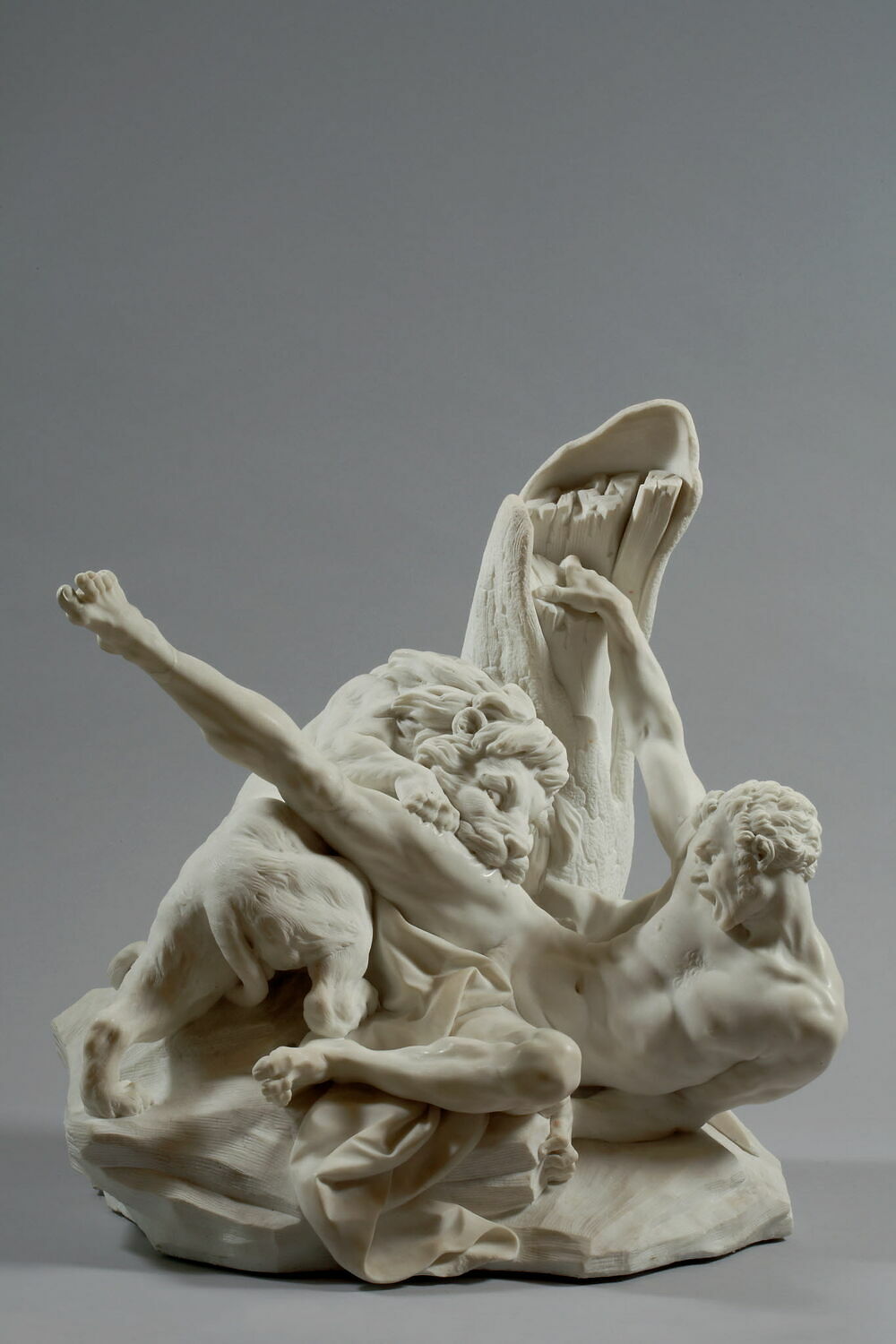
    A Parisian joiner’s son who trained with his uncle, a marble worker, and with the court sculptor Jean-Baptiste Lemoyne, and who studied the work of French masters in the gardens of Versailles, he is admitted to the Royal Academy of Painting and Sculpture (as an associate member) for his group “Milo of Croton”.

  3. 1757

    Director of the Sèvres porcelain manufactory

    Madame de Pompadour appoints him director of the Sèvres porcelain manufactory: at first he works from drawings by François Boucher, then from his own models, creating more than seventy types of biscuit figurines. The best works of his French years — the portrait of Madame de Pompadour, the paired figures of Cupid and Psyche and the “Bather” — were made in biscuit.

  4. 1766

    Departs for St Petersburg

    Sets out for Russia, taking the unfinished “Winter” with him; by the time of his arrival Catherine II has agreed to buy the sculpture and all the unfinished works of his workshop at the expense of the Russian treasury.

  5. 1778

    Leaves Russia

    Because of his poor relations with the Russian court he decides to leave: first for Holland to stay with friends, then for France.

  6. 24 January 1791

More by Etienne-Maurice Falconet

All works

Neighbors at Victoria and Albert Museum

Museum page

On the same theme · Nymph

All works on the theme

Died

May one see it?

Not receiving at present

Victoria and Albert Museum

London, United Kingdom

It belongs to the collection, but is not on display at present.

Checked
13 days ago
In this state since
Sep 25, 2026
Source
The museum
On the mapMuseum page

What it shows

Nymph

In the catalog

SculptureTerracotta and ceramicsBaroque18th centuryFrance

Sources

  • Victoria and Albert Museum
  • Image: Victoria and Albert Museum — © Victoria and Albert Museum, London
Venus of the Doves, Etienne-Maurice Falconet

Venus of the Doves

National Gallery of Art

Le Génie de la Sculpture, Falconet, Etienne Maurice, 1745

Le Génie de la Sculpture

1745 · Musée du Louvre

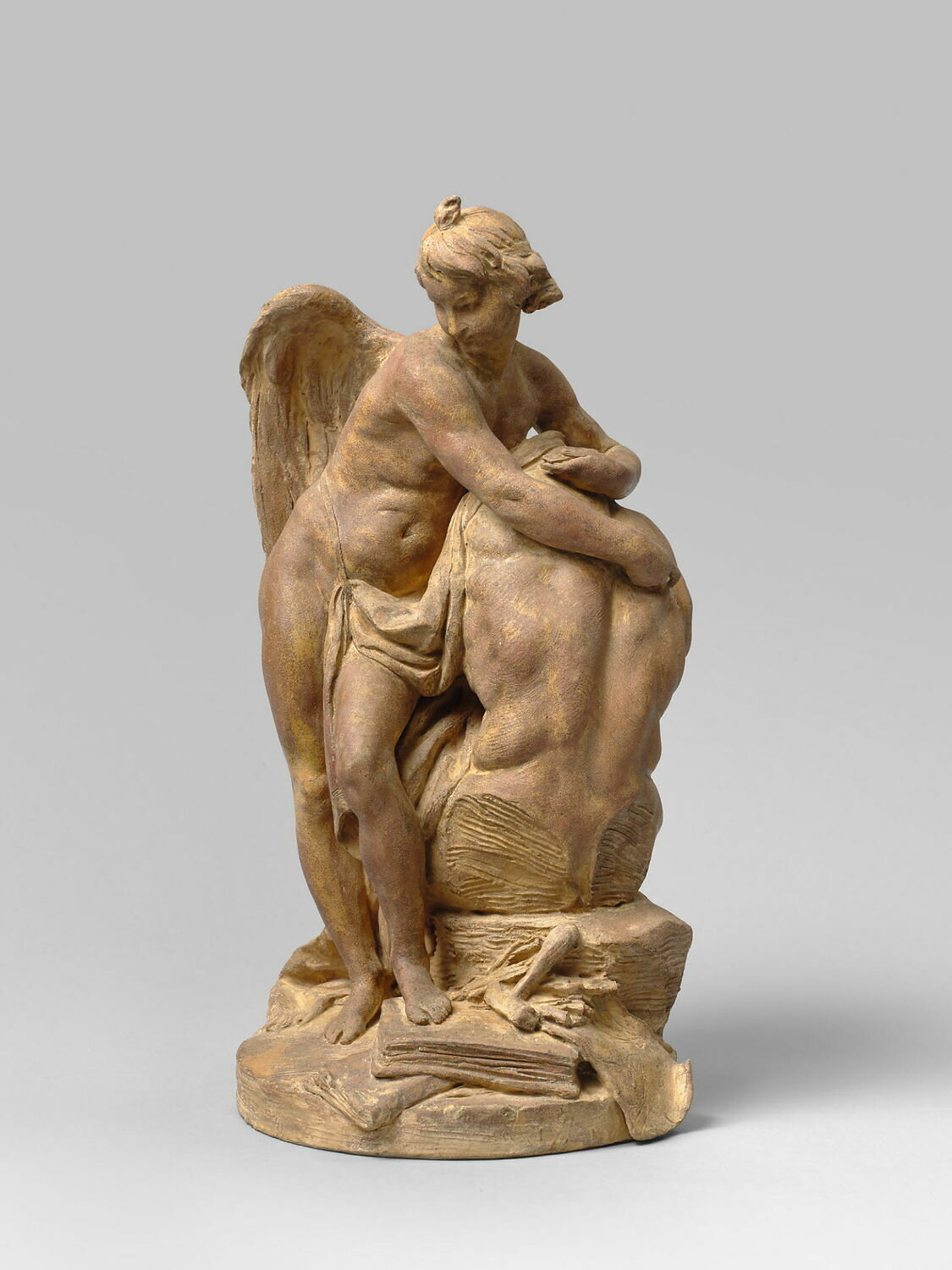
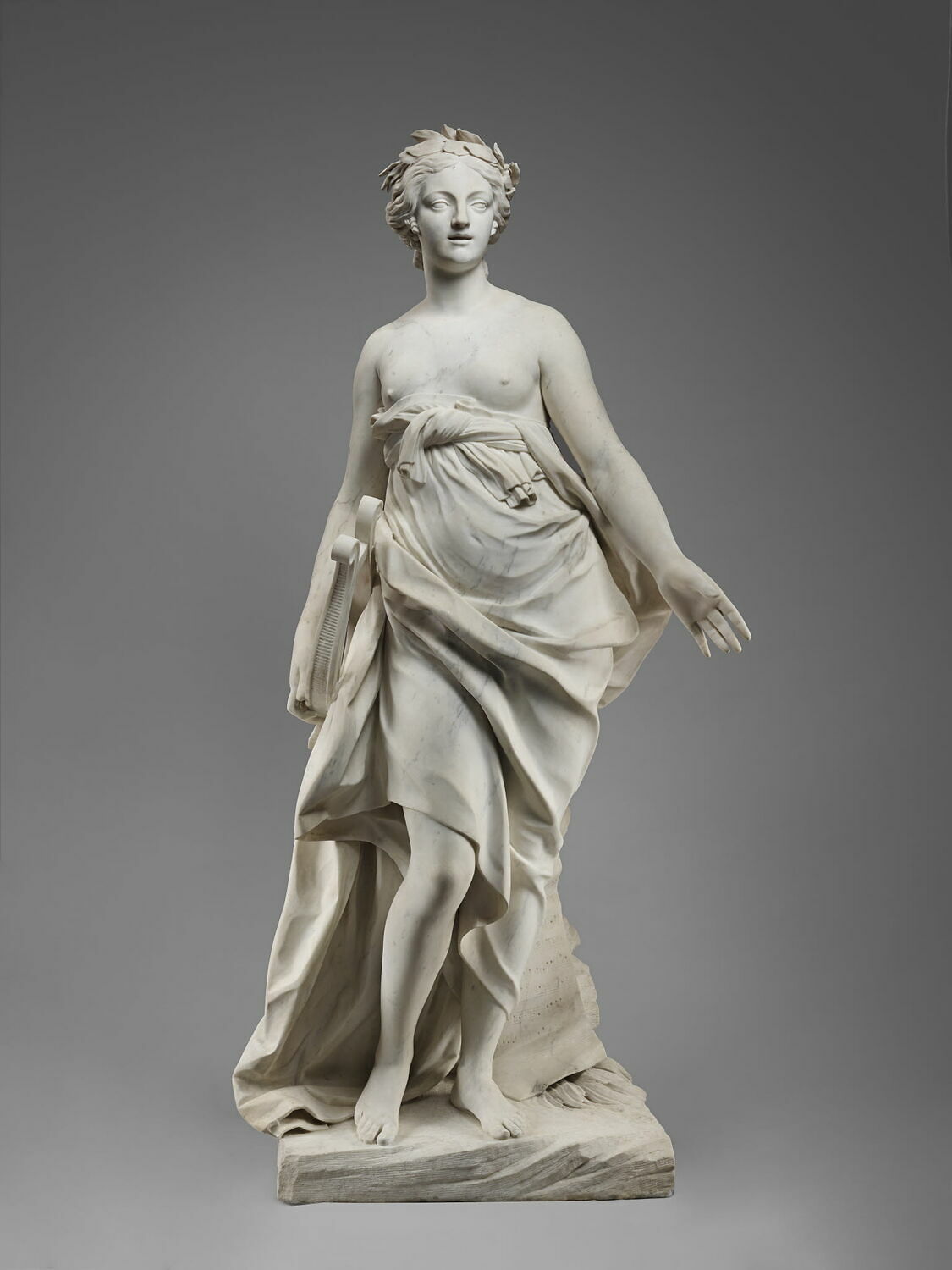
La Musique, Falconet, Etienne Maurice, 1752

La Musique

1752 · Musée du Louvre

Milon de Crotone, Falconet, Etienne Maurice, 1754

Milon de Crotone

1754 · Musée du Louvre

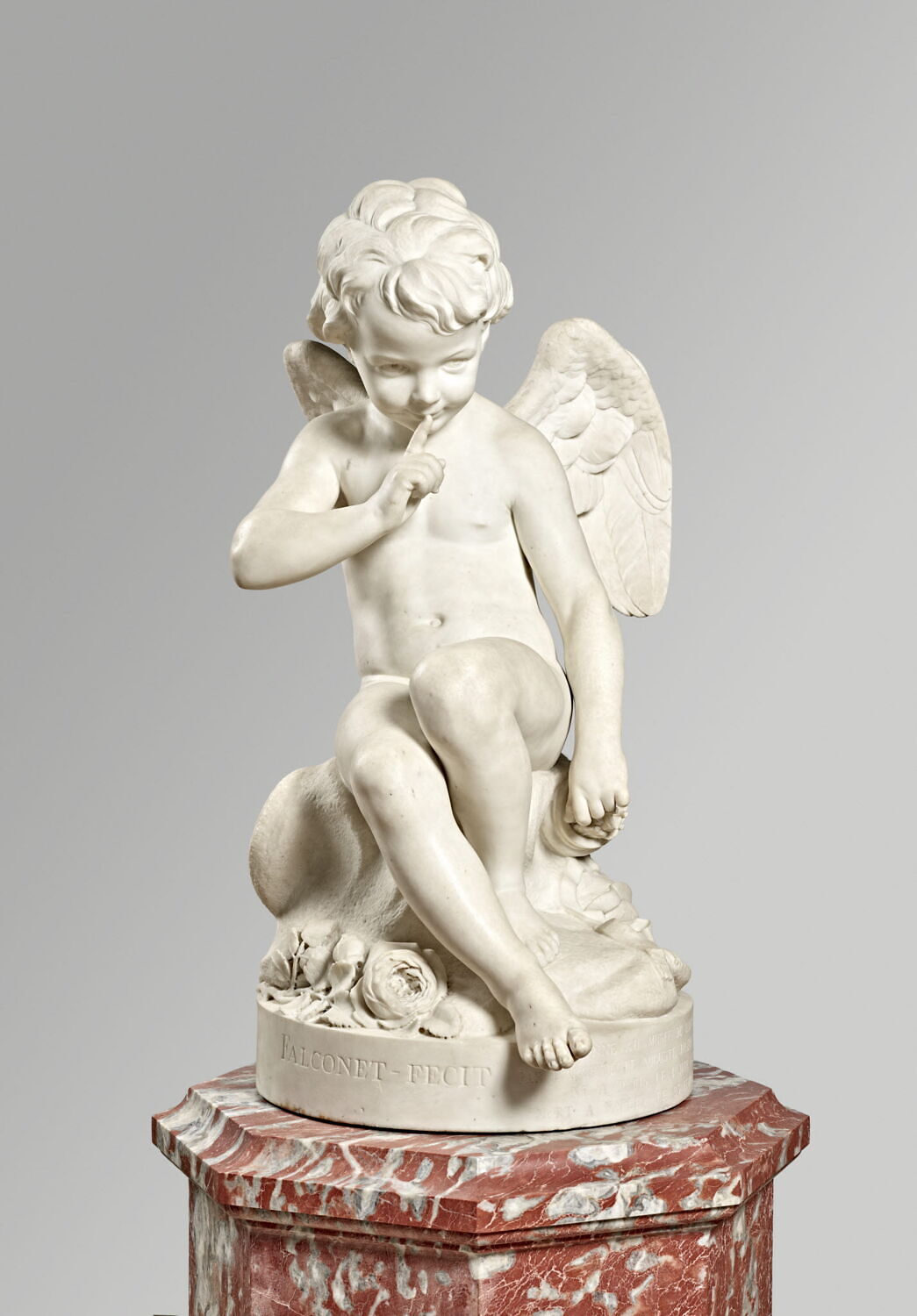
L'Amour menaçant, Falconet, Etienne Maurice, vers 1757

L'Amour menaçant

c. 1757 · Musée du Louvre

Baigneuse, Falconet, Etienne Maurice, 1757

Baigneuse

1757 · Musée du Louvre

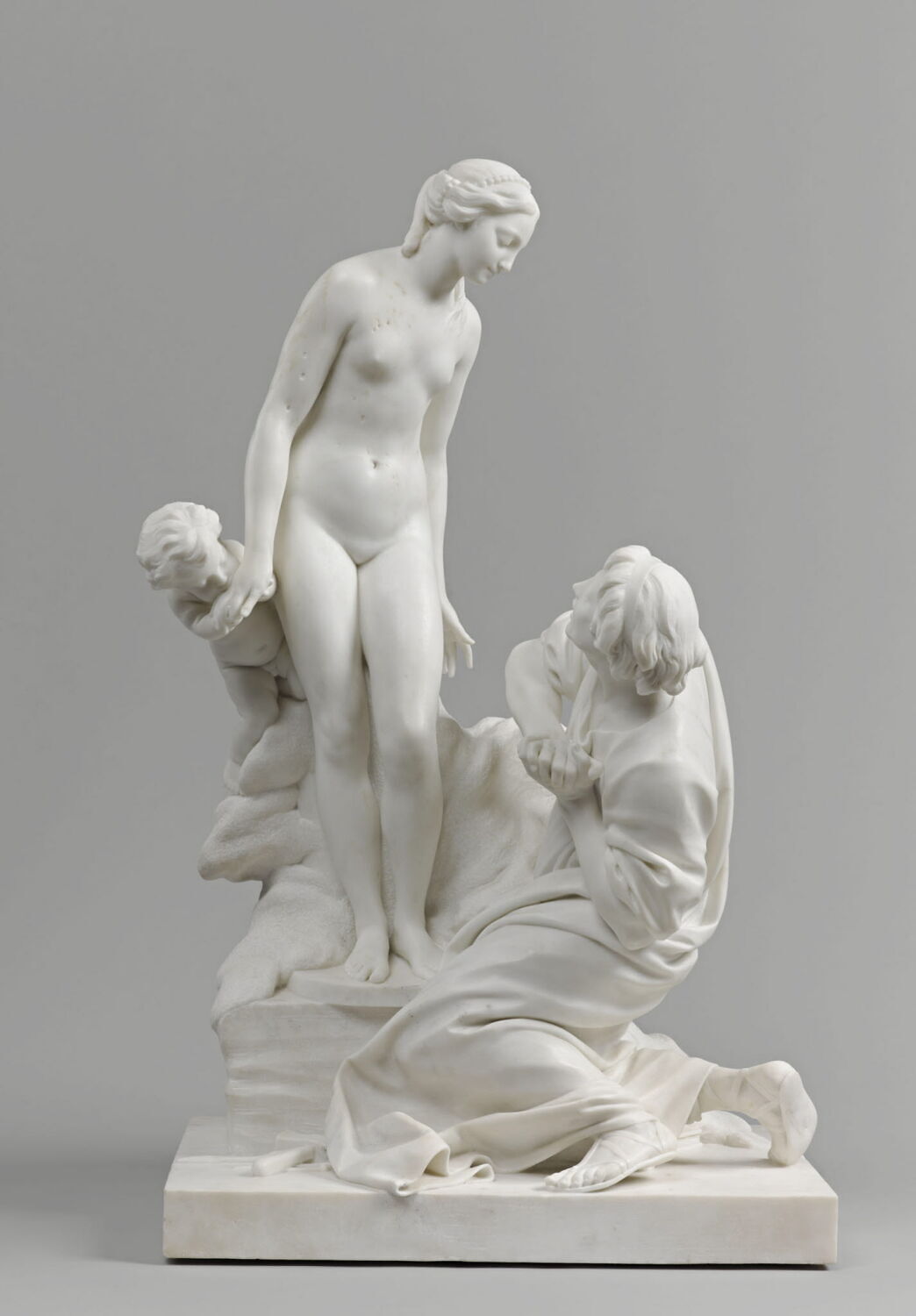
Pygmalion au pied de sa statue qui s'anime, Falconet, Etienne Maurice, 1761

Pygmalion au pied de sa statue qui s'anime

1761 · Musée du Louvre

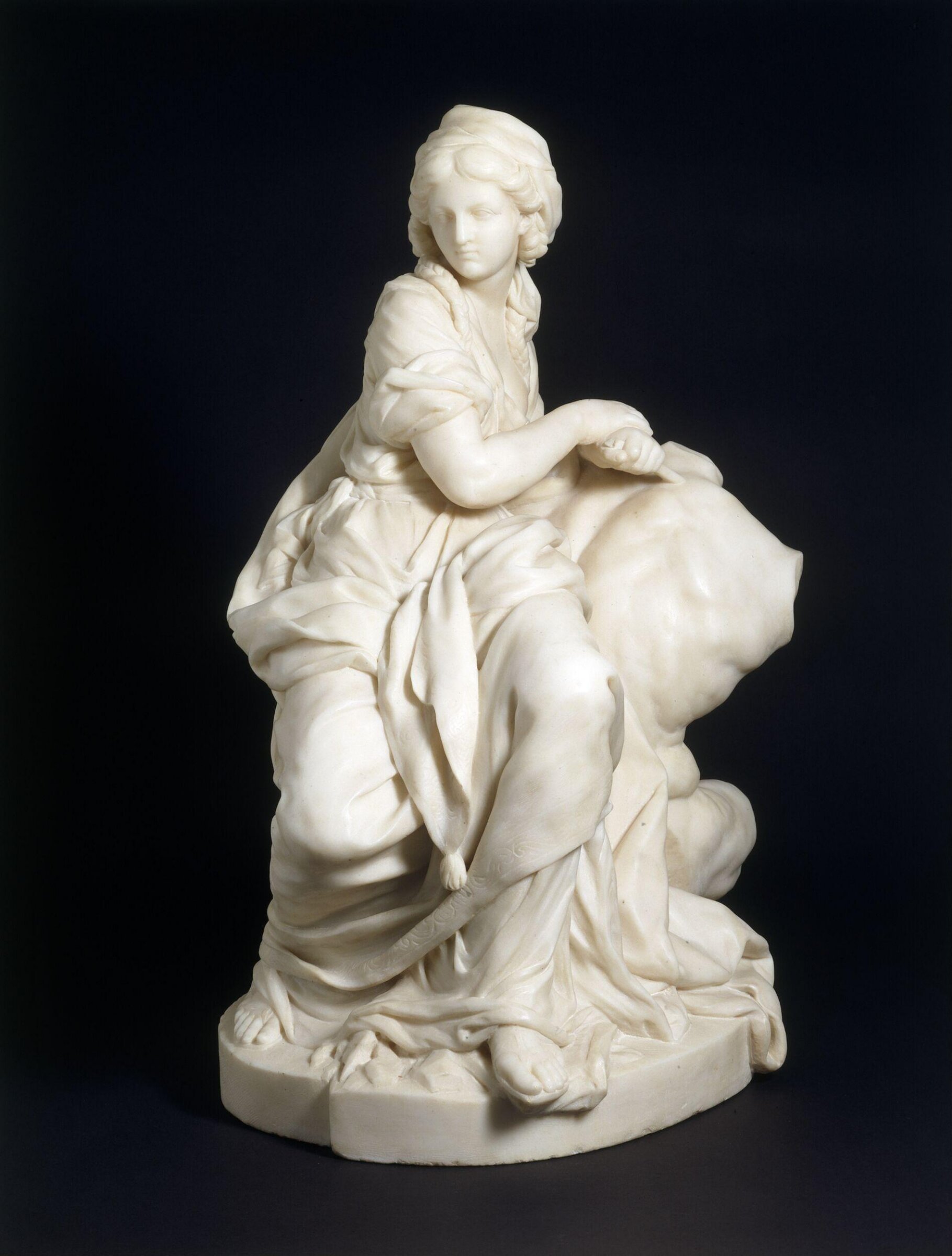
Le Genie de la Sculpture (Allegory of Sculpture), Étienne-Maurice Falconet, ca. 1746

Le Genie de la Sculpture (Allegory of Sculpture)

ca. 1746 · Victoria and Albert Museum

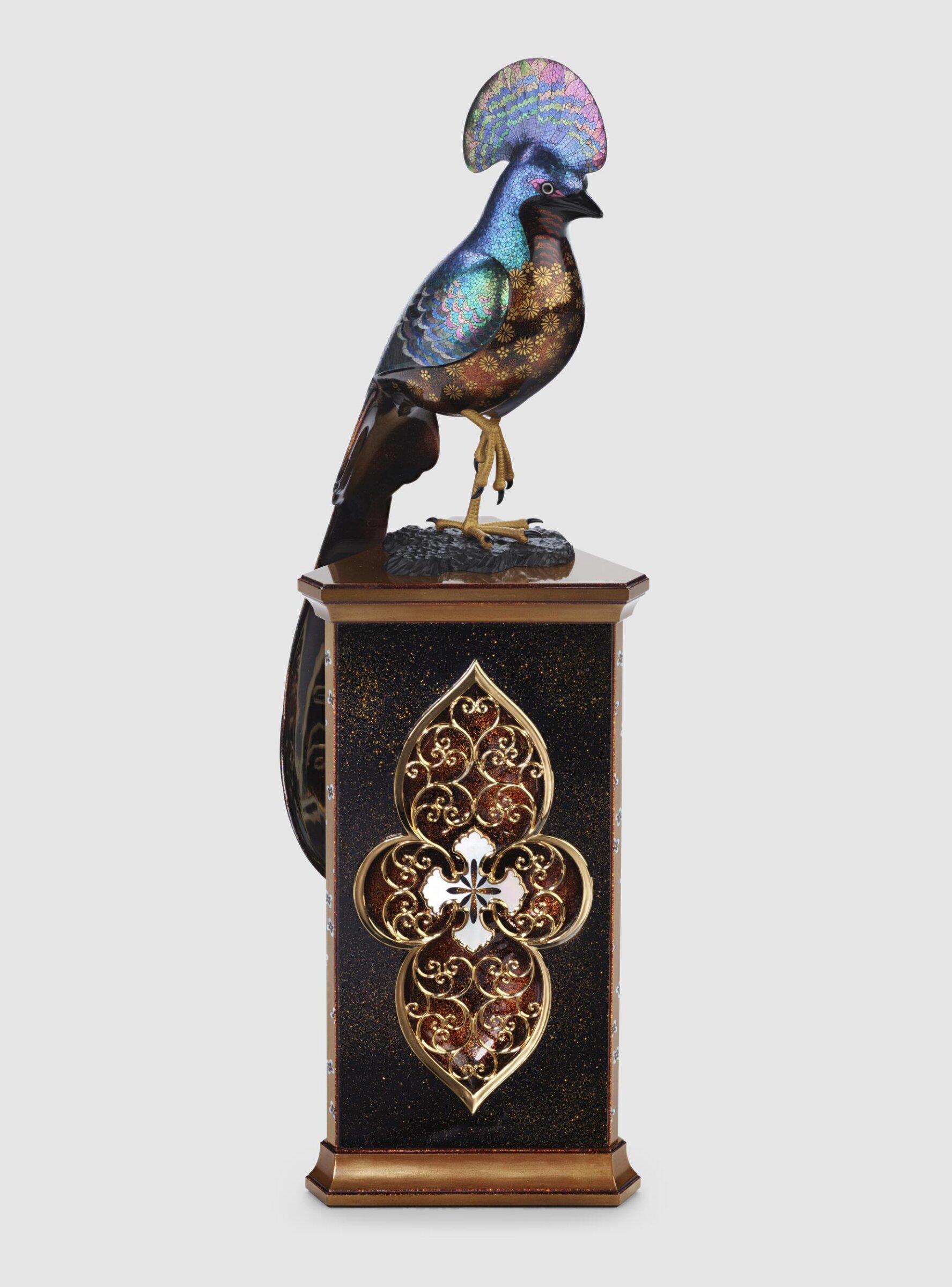
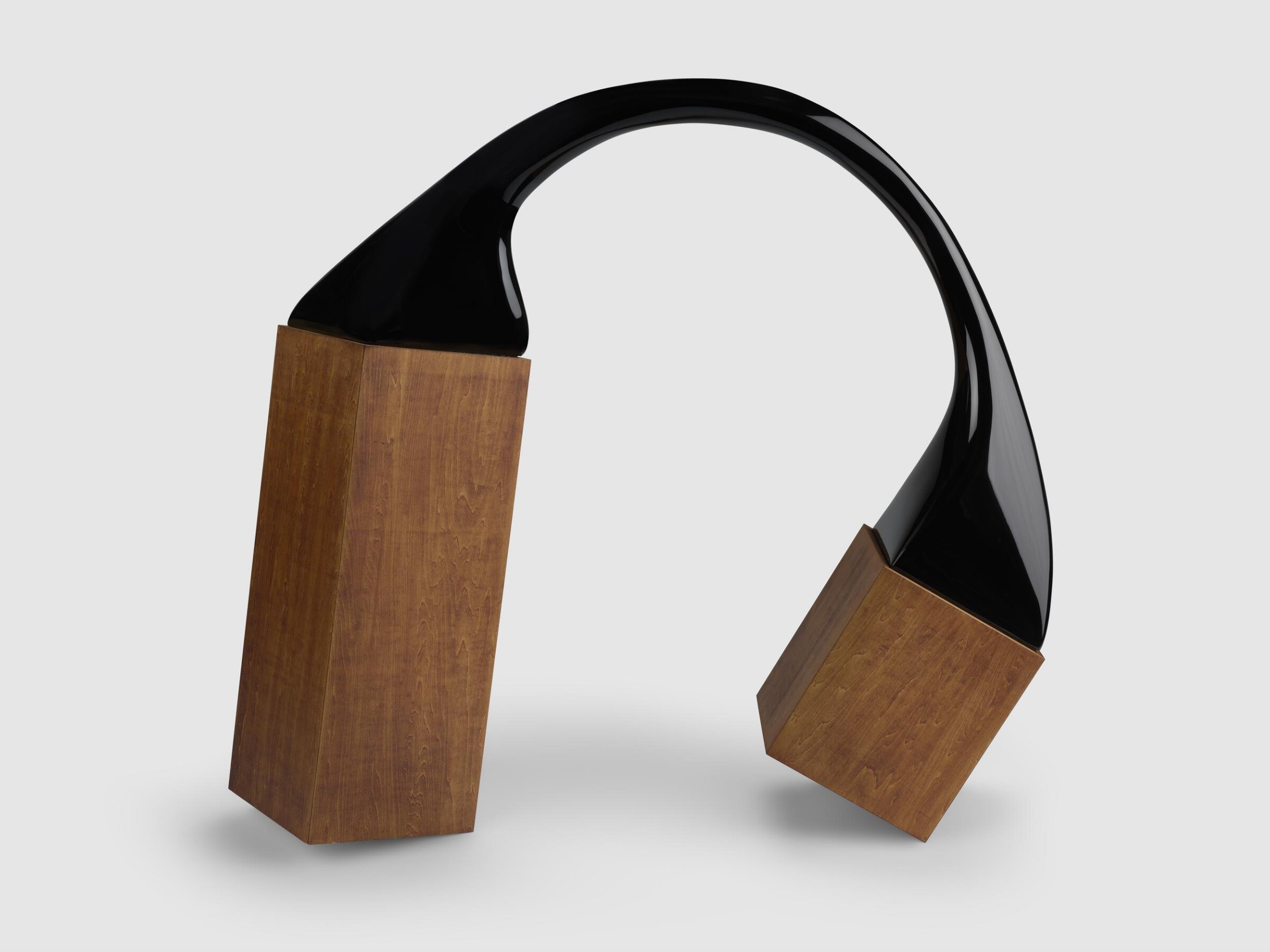
Bird of Paradise, Hashimoto Chitaka, 2026

Hashimoto Chitaka

Bird of Paradise, 2026

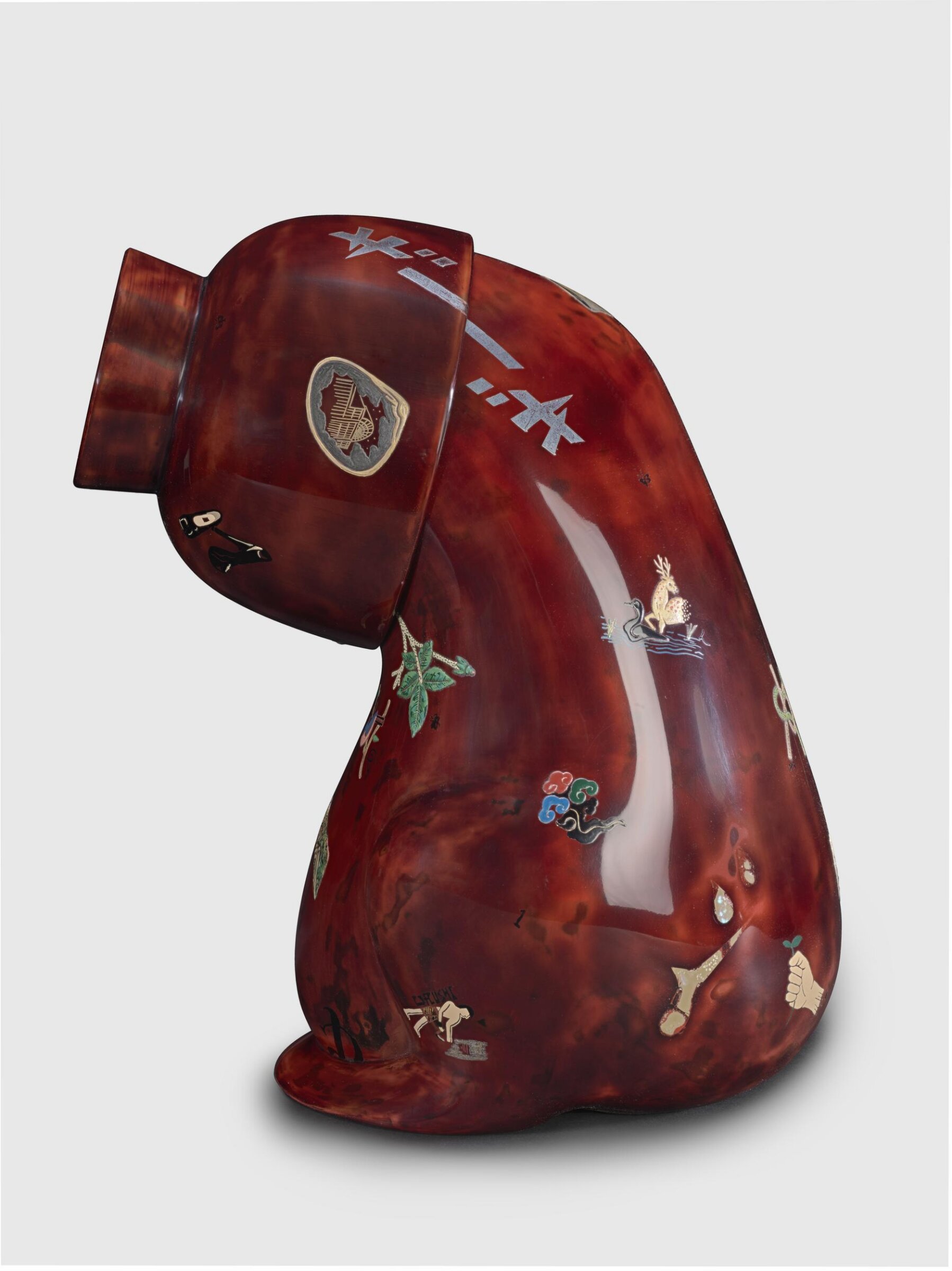
Torsion 2, Taruma Shoko, 2025

Taruma Shoko

Torsion 2, 2025

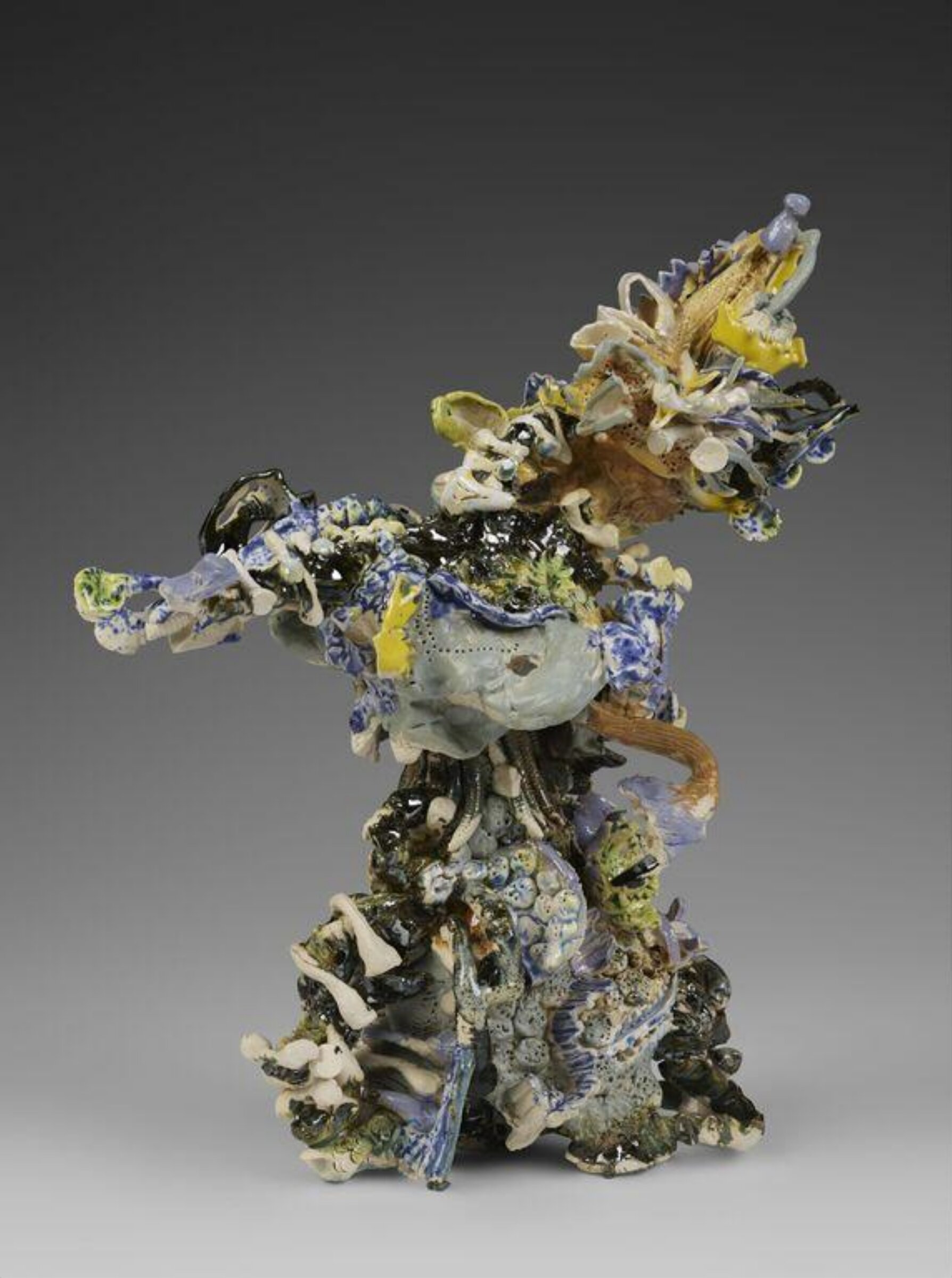
Fu, Someya Satoshi, 2025

Someya Satoshi

Fu, 2025

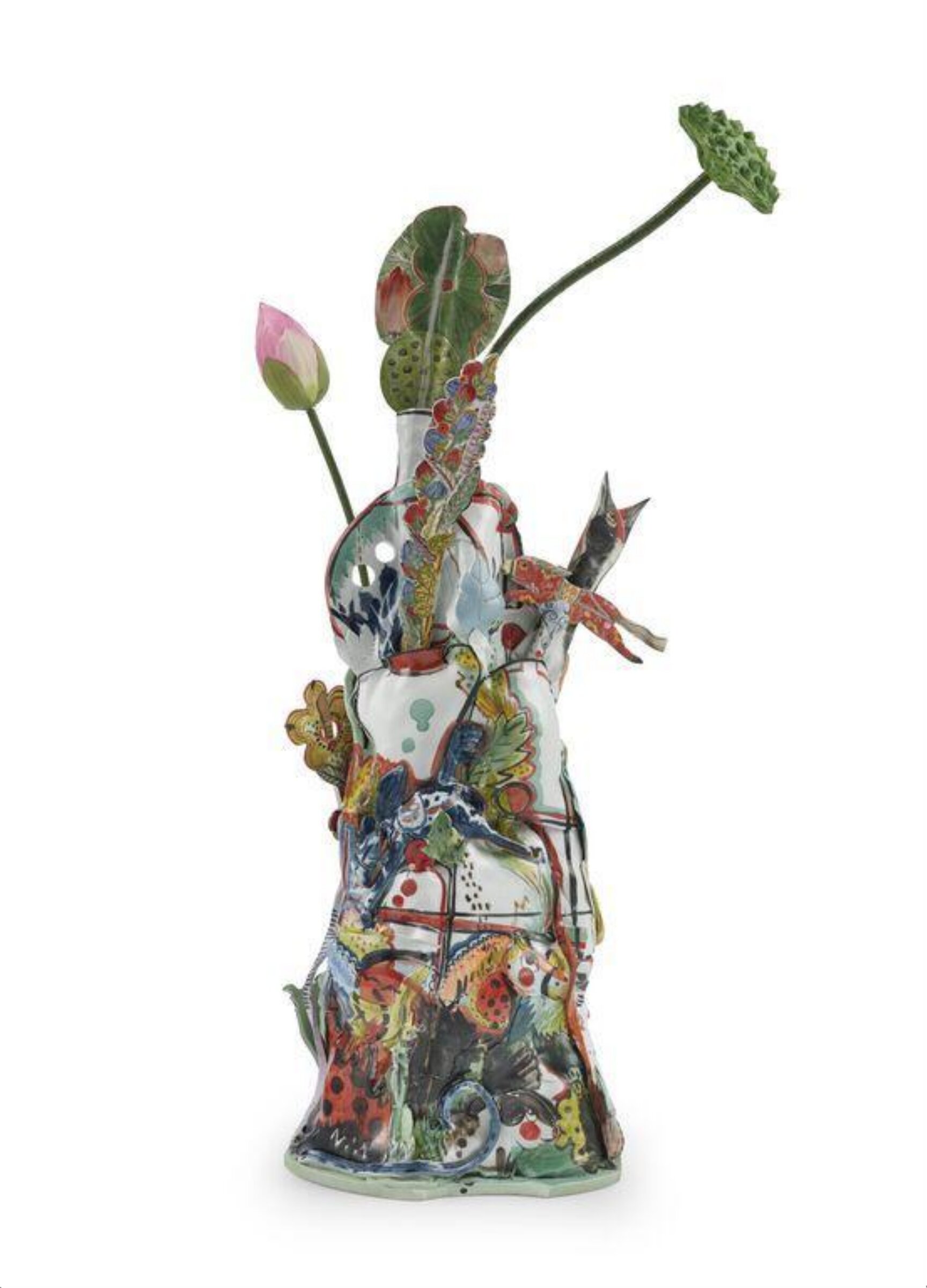
Bow Before the Curtain Falls, 2024

Bow Before the Curtain Falls, 2024

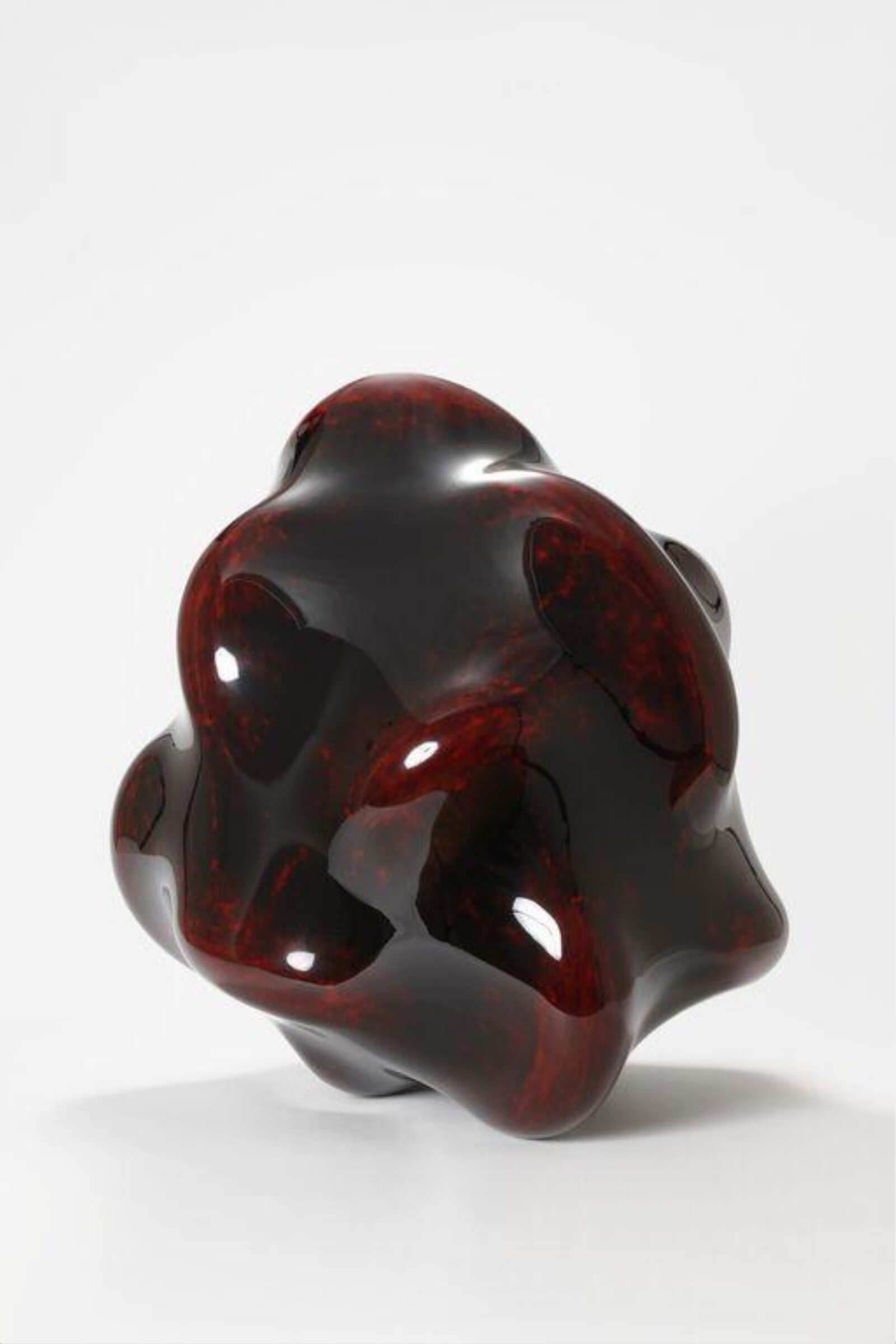
Summer, 2024

Summer, 2024

Red Flow, Ishizuka Genta, 2024

Ishizuka Genta

Red Flow, 2024

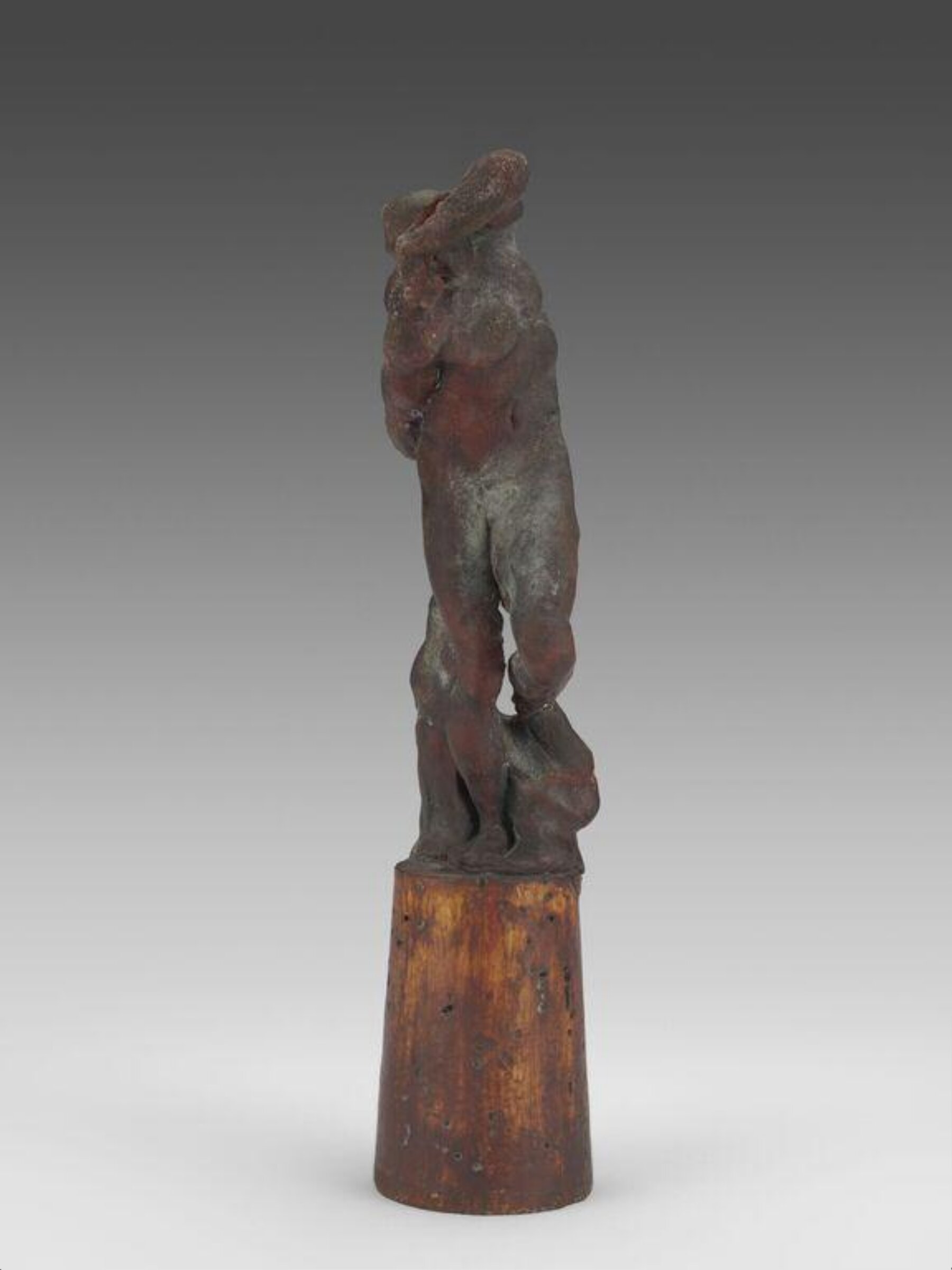
3D replica of Michelangelo's Prisoner (4117-1854), Factum Arte, 2024

Factum Arte

3D replica of Michelangelo's Prisoner (4117-1854), 2024

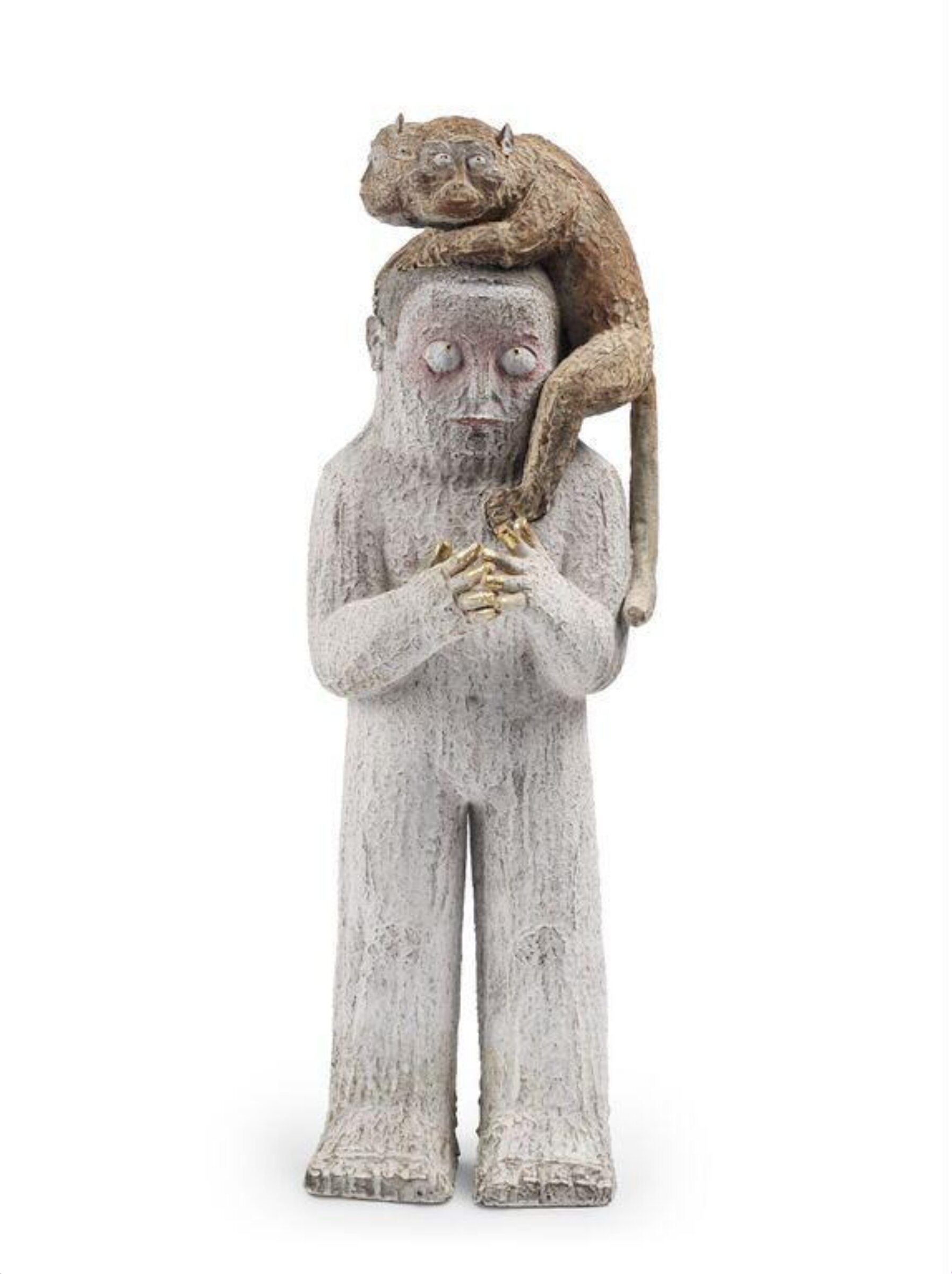
Sculpture, ‘Co-Existence – the Man and the Monkey’, Zhao Lin, 2024

Zhao Lin

Sculpture, ‘Co-Existence – the Man and the Monkey’, 2024

Roman Statue of a Standing Woman, Jacques-Louis David

Jacques-Louis David

Roman Statue of a Standing Woman

Not on view · National Gallery of Art

The Nymph of the Spring, Lucas Cranach the Elder, after 1537

Lucas Cranach

The Nymph of the Spring, after 1537

Not on view · National Gallery of Art

Triton and Nymph, Gabriel Huquier after François Boucher, in or after 1736

Francois Boucher

Triton and Nymph, in or after 1736

Not on view · National Gallery of Art

Satyr, Nymph and River God, Pierre-Alexandre Aveline after François Boucher, in or after 1736

Francois Boucher

Satyr, Nymph and River God, in or after 1736

Not on view · National Gallery of Art

Bather or Nymph at the Bath, Workshop of Etienne-Maurice Falconet, model 1757, carved mid-to-late 18th century

Etienne-Maurice Falconet

Bather or Nymph at the Bath, model 1757, carved mid-to-late 18th century

Not on view · National Gallery of Art

Triton and Nymph, Francesco Francia or Peregrino da Cesena, c. 1490/1510

Circle of Francesco Francia

Triton and Nymph, c. 1490/1510

Not on view · National Gallery of Art

Cupids Disarming Sleeping Nymphs, Giuseppe Maria Crespi, c. 1690/1705

Giuseppe Maria Crespi

Cupids Disarming Sleeping Nymphs, c. 1690/1705

Not on view · National Gallery of Art

Hunting Nymph, Jean-Alexandre-Joseph Falguière, model 1884

Jean-Alexandre-Joseph Falguière

Hunting Nymph, model 1884

National Gallery of Art