ART WIKI33,040 on view
MapCollectionArtistsMuseumsExhibitionsJournal
Sign in

ART WIKI

Where the masterpiece hangs, and when they let you in.

Collections: Art Institute of Chicago, Getty Villa, Harvard Art Museums, Hirshhorn Museum and Sculpture Garden, J. Paul Getty Museum, Minneapolis Institute of Art, Musée du Louvre, National Gallery of Art, National Museum of Asian Art, National Portrait Gallery (Smithsonian), Pushkin State Museum of Fine Arts, Rijksmuseum, Smithsonian American Art Museum, SMK — National Gallery of Denmark, State Hermitage Museum, State Russian Museum, The Cleveland Museum of Art, The Metropolitan Museum of Art, The Museum of Modern Art, Tretyakov Gallery, Victoria and Albert Museum, Whitney Museum of American Art, State Catalogue of the Museum Fund of Russia (274 museums), Europeana (19 museums), Wikidata (6 museums), Paris Musées (12 museums), and Joconde, the French Ministry of Culture's museum database (495 museums). Images belong to their rights holders.

Sections

  • Map
  • Search
  • Collection
  • Masterpieces
  • On view now
  • Artists

More

  • Museums & galleries
  • Exhibitions
  • Journal
  • Where the data comes from
  • Privacy & cookies
HomeMapBrowse
  1. Collection/
  2. Victoria and Albert Museum/
  3. Elizabeth Steuart
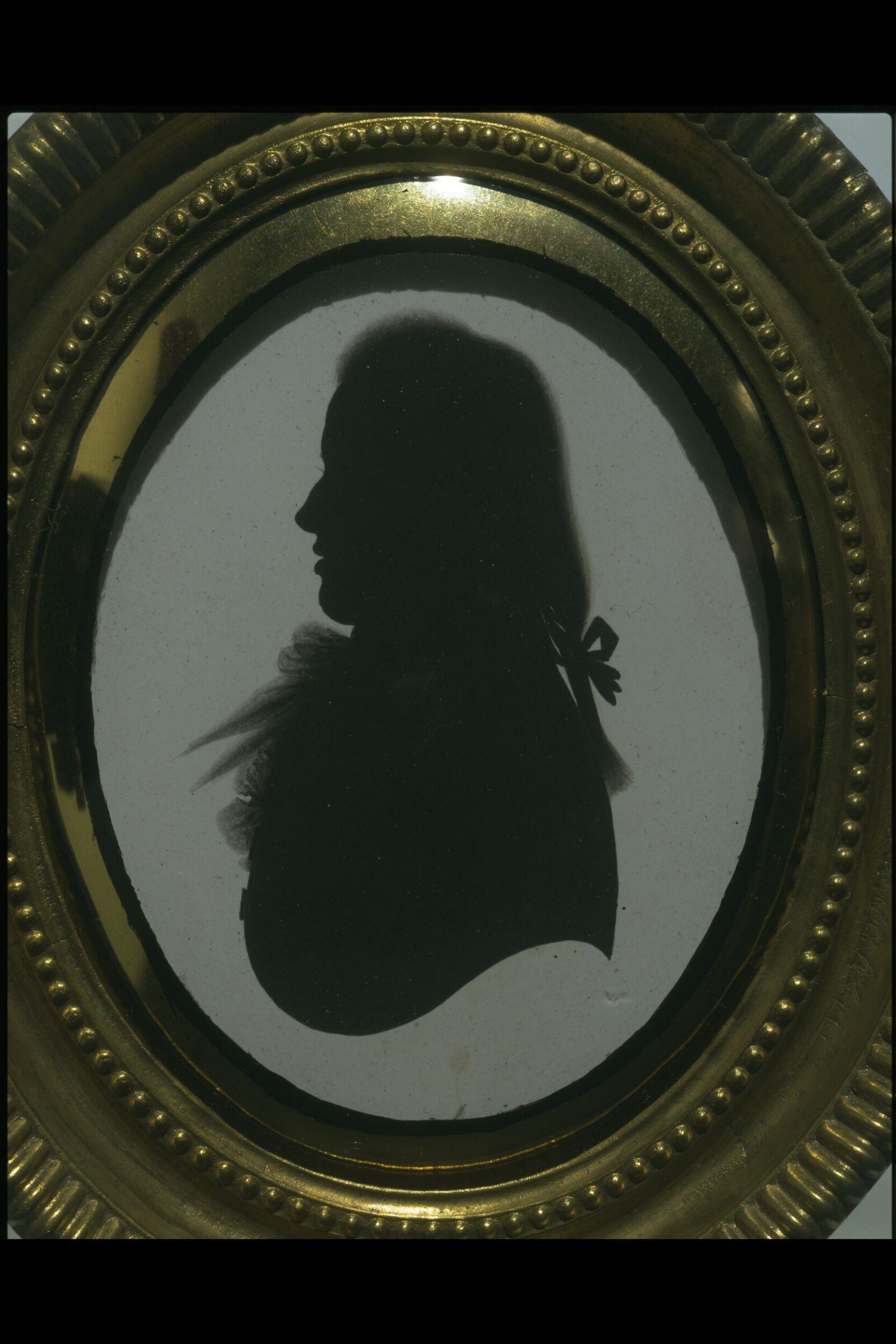
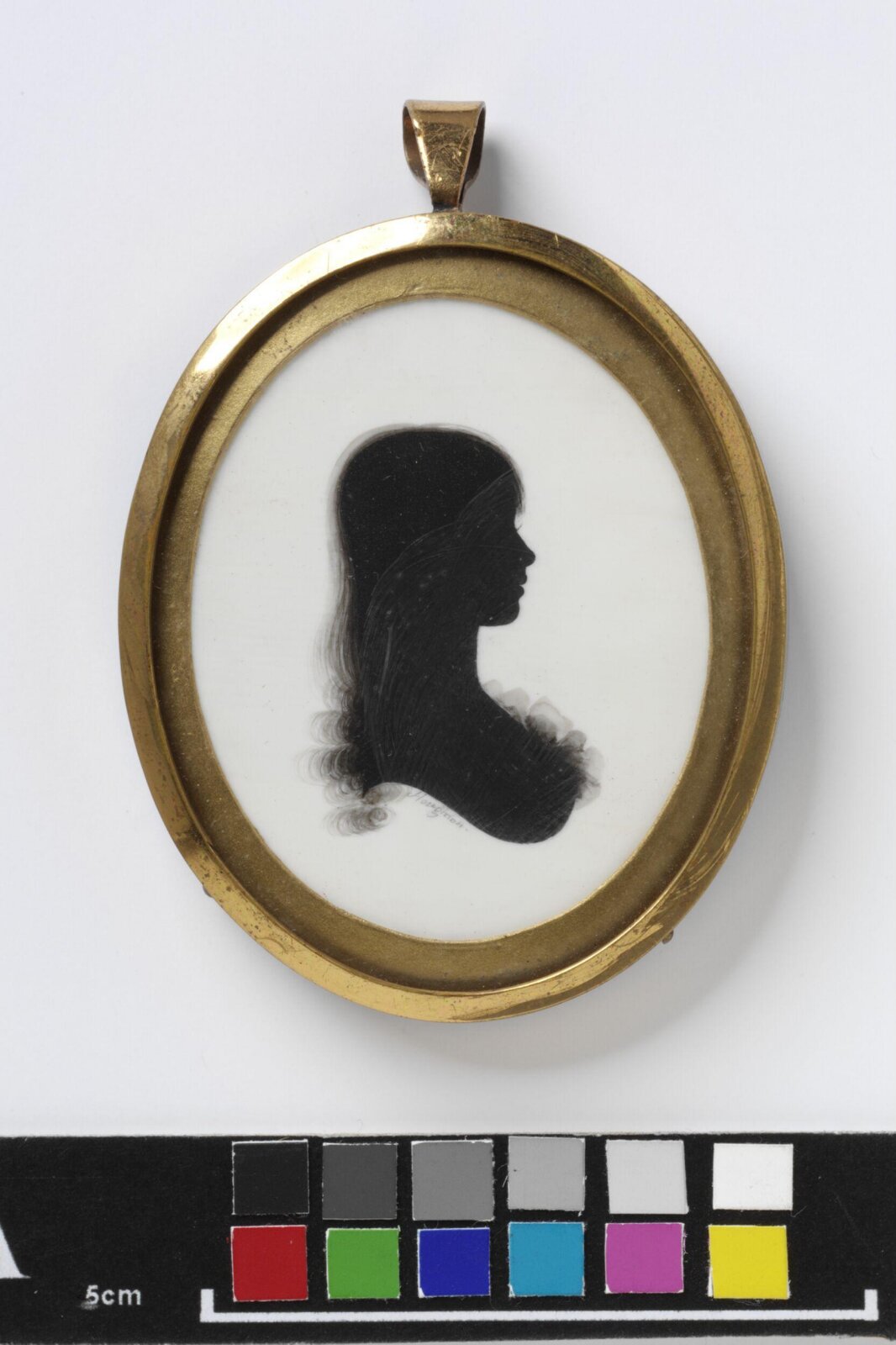
Elizabeth Steuart, Samuel Houghton, 1785
SSamuel Houghton

Elizabeth Steuart

1785 · Portrait miniature · 4.7 × 8.8 cm

May one see it?

Not receiving at present

Victoria and Albert Museum

London, United Kingdom

It belongs to the collection, but is not on display at present.

Checked
13 days ago
In this state since
Sep 25, 2026
Source
The museum
On the mapMuseum page

About the painting

In the 18th century cut-paper images (usually blackened) were called 'shades'. If they were portraits, they were known as 'profiles'. The fashion for 'profiles' grew in the 1770s, when the archaeological discoveries of ancient Roman sites at Herculaneum and Pompeii encouraged a taste for Neo-classicism. ‘Profiles’ became even more fashionable after about 1775, when Johann Kaspar Lavater published his hugely popular Essays on Physiognomy. He claimed that one could detect a person’s character by concentrating on his or her main features. These would reveal both virtues and vices. Lavater illustrated the book with numerous simple black profiles.

Read on

The 'silhouette' was named after a French minister who was notorious for wasting his time on this popular hobby. Commercially, it was very successful, because in its simplest form it was a cheap and quick method of portraiture. With mechanical aids, a sitting could be done in one minute. There was no need for further tedious sittings to make endless repeats of the portrait for family and friends. But both artists and clients desired novelty. This soon led artists to diversify from the original cut paper or simple painted profiles on paper. They could paint on the under-surface of flat or convex glass, using oil colour or watercolour. They then framed the glass against a plaster background. Sometimes those profiles painted on convex glass would be backed by a thin coating of wax. Artists could paint on plaster, but watercolour, ink or oil was not suitable for this.

It seems that they used some kind of soot- or charcoal-based pigment. They might also use an ivory support, on which they painted in watercolour, often adding bronzed highlights. They borrowed this popular method from miniature painting.

Victoria and Albert Museum

Particulars

Accession number
P.20-1937

What it shows

PortraitSilhouetteSteuart, Elizabeth

In the catalog

PaintingsWatercolourNeoclassicism18th centuryGreat Britain

Sources

  • Victoria and Albert Museum
  • Image: Victoria and Albert Museum — © Victoria and Albert Museum, London
More by Samuel Houghton

All works
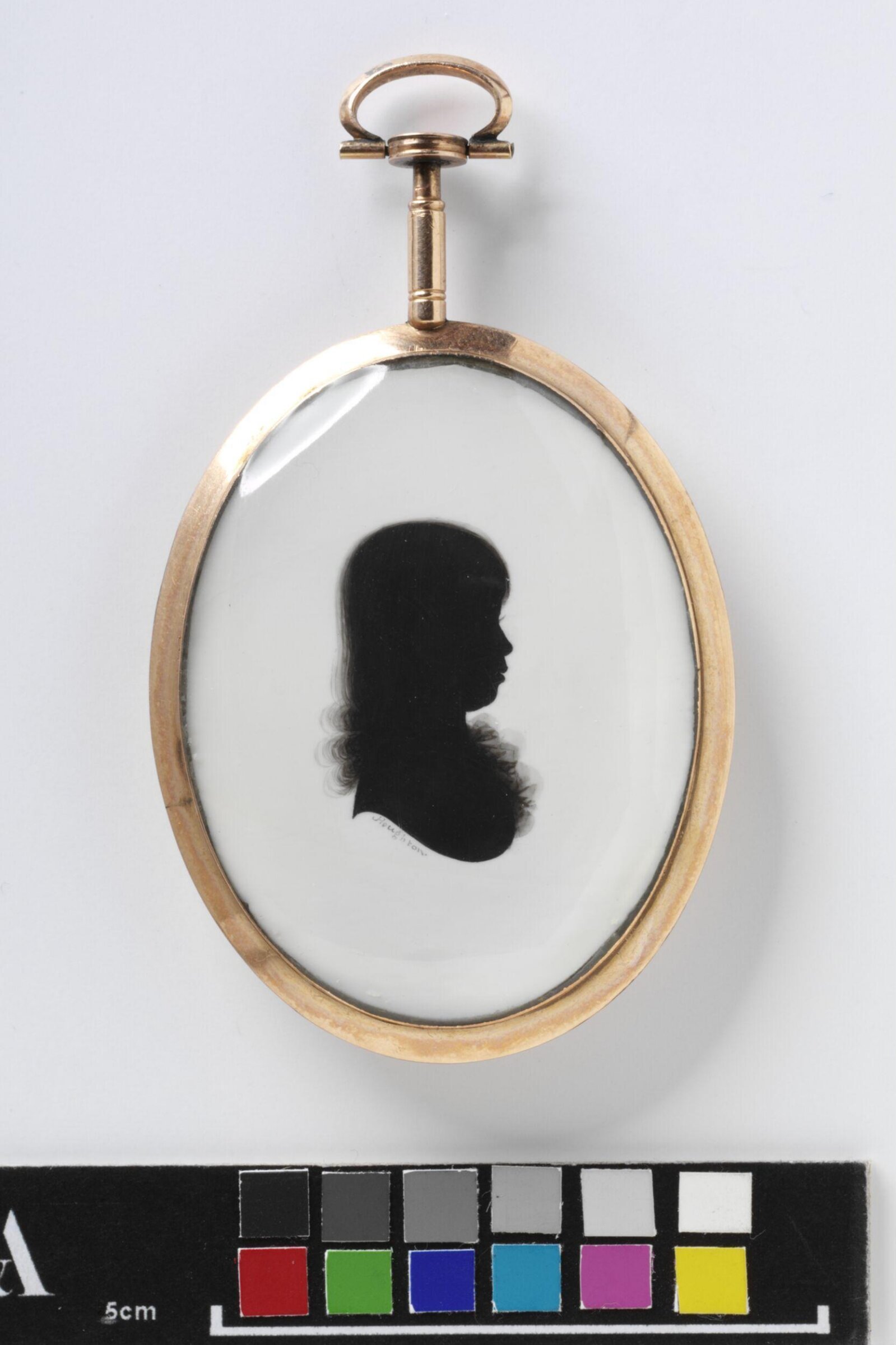
John Steuart, aged 9, Samuel Houghton, 1785

John Steuart, aged 9

1785 · Not on view · Victoria and Albert Museum

Portrait miniature, Samuel Houghton, c.1792

Portrait miniature

c.1792 · Not on view · Victoria and Albert Museum

Neighbors at Victoria and Albert Museum

Museum page
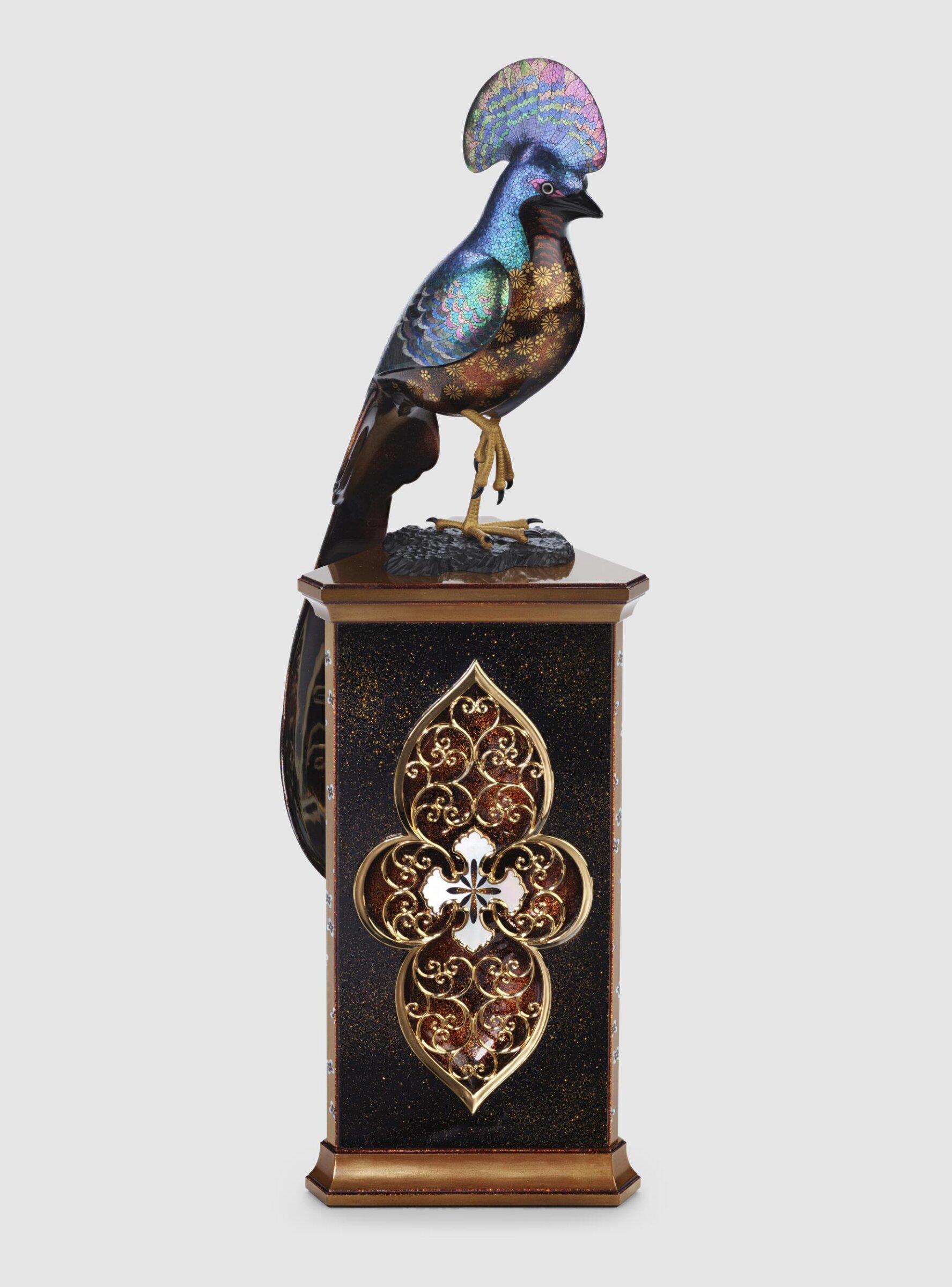
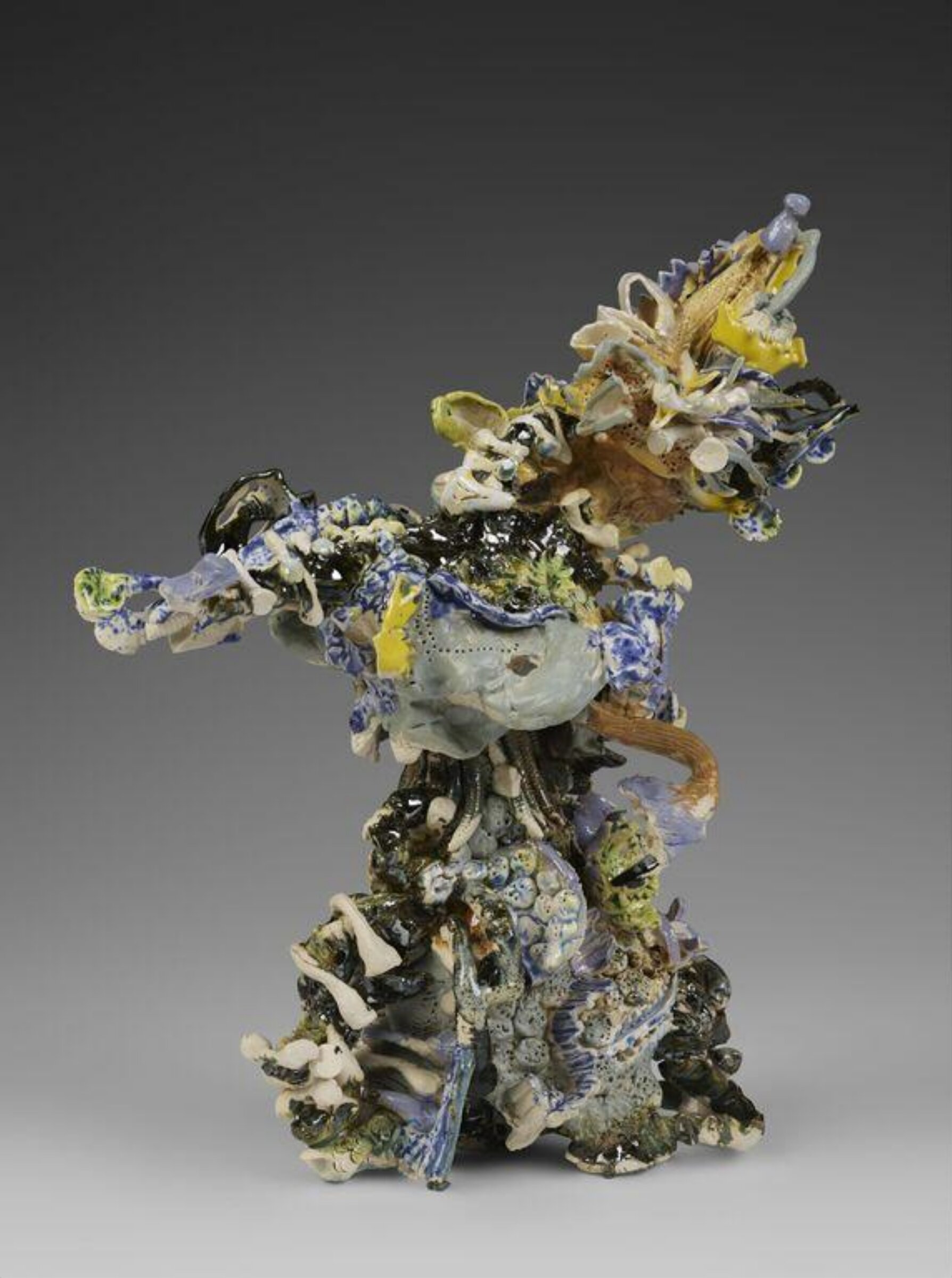
Bird of Paradise, Hashimoto Chitaka, 2026

Hashimoto Chitaka

Bird of Paradise, 2026

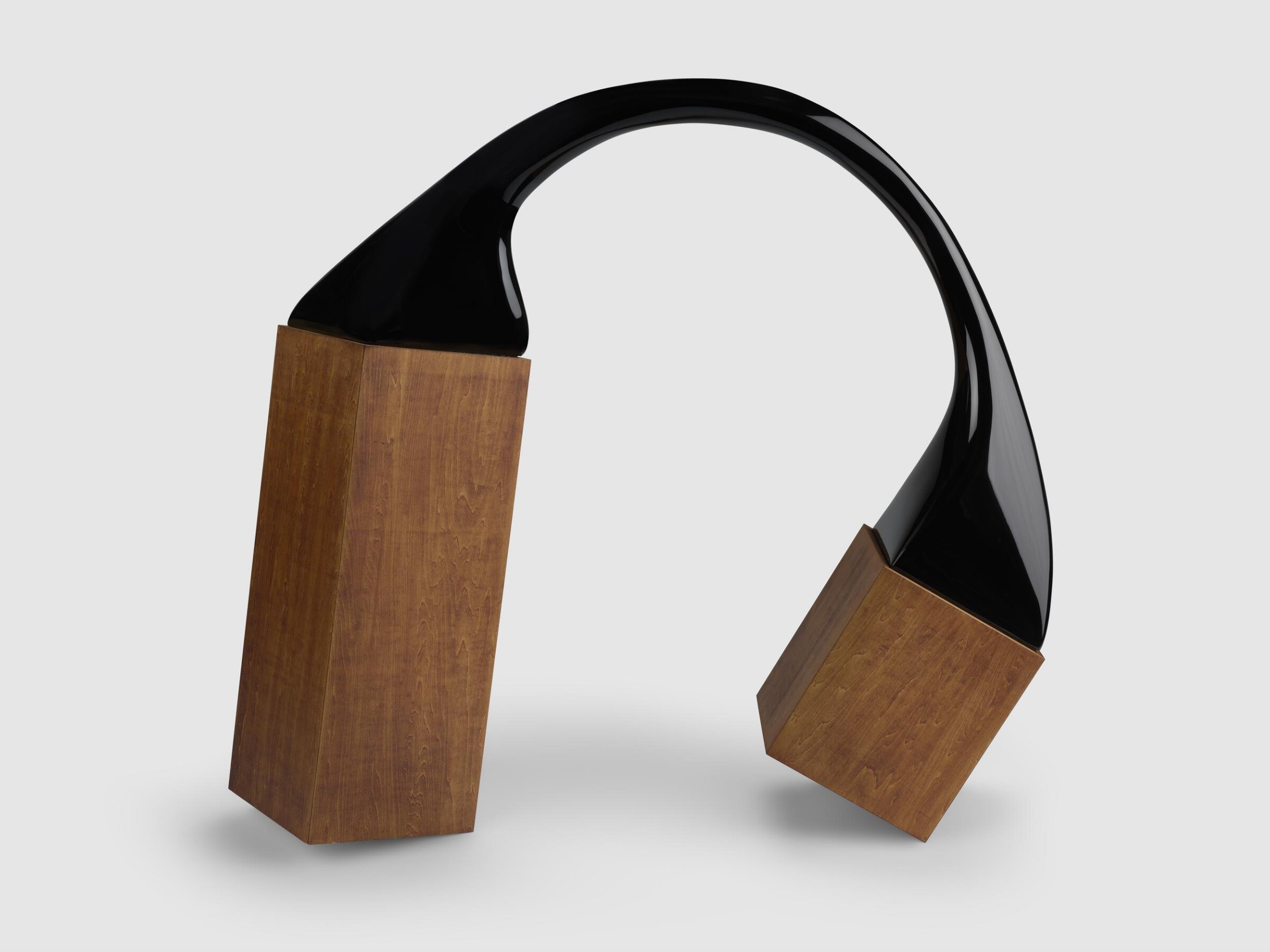
Torsion 2, Taruma Shoko, 2025

Taruma Shoko

Torsion 2, 2025

Fu, Someya Satoshi, 2025

Someya Satoshi

Fu, 2025

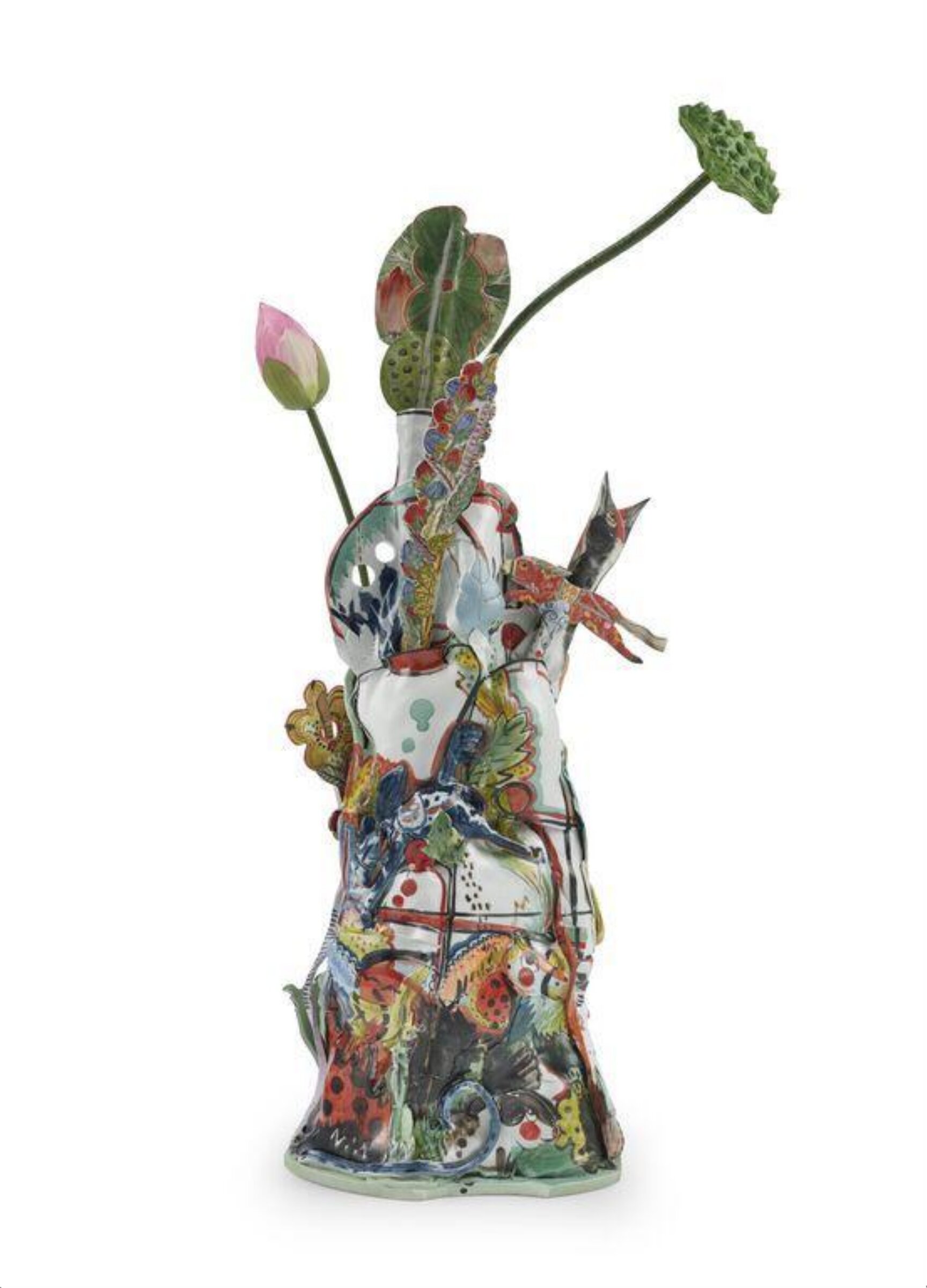
Bow Before the Curtain Falls, 2024

Bow Before the Curtain Falls, 2024

Summer, 2024

Summer, 2024

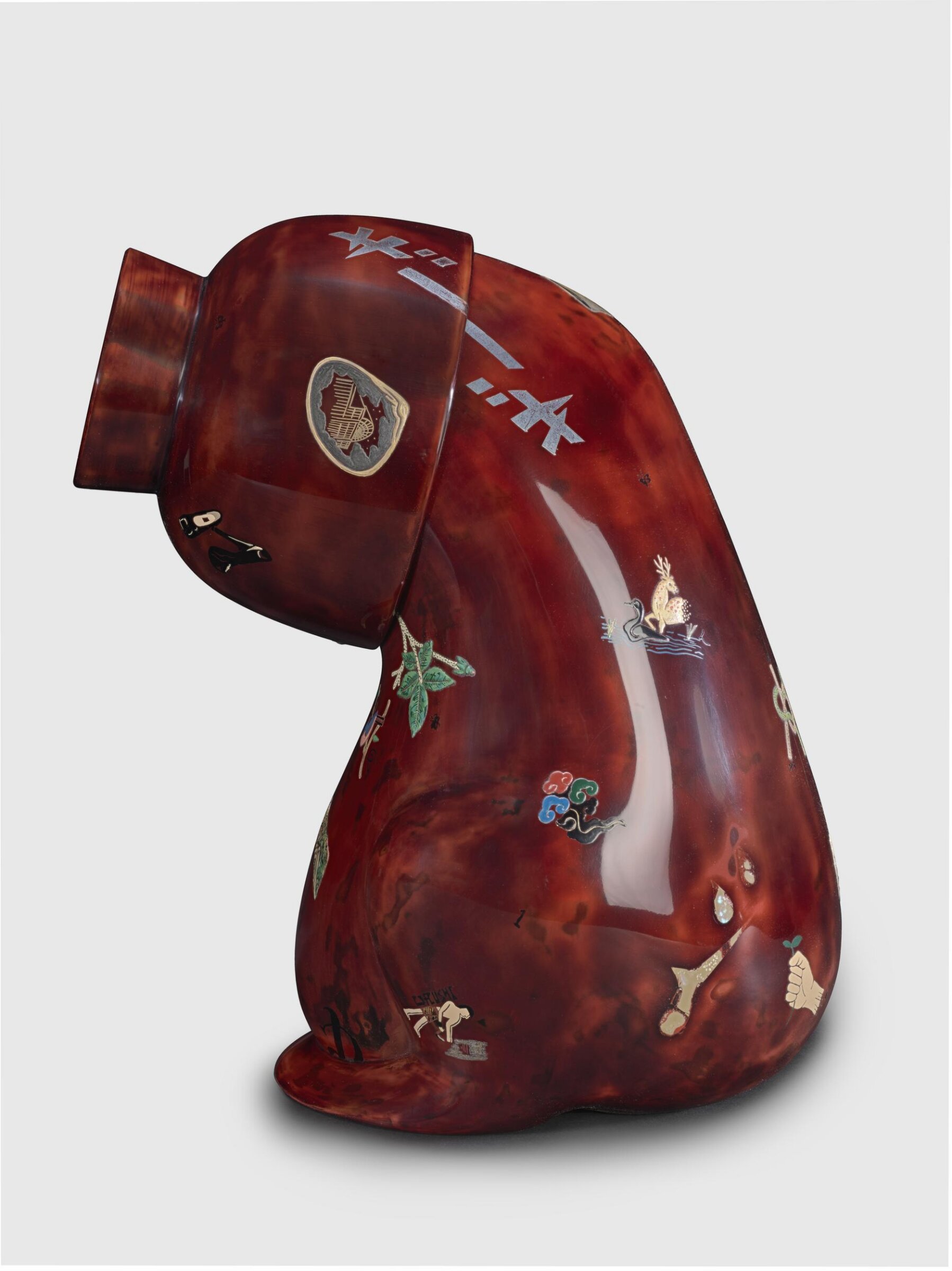
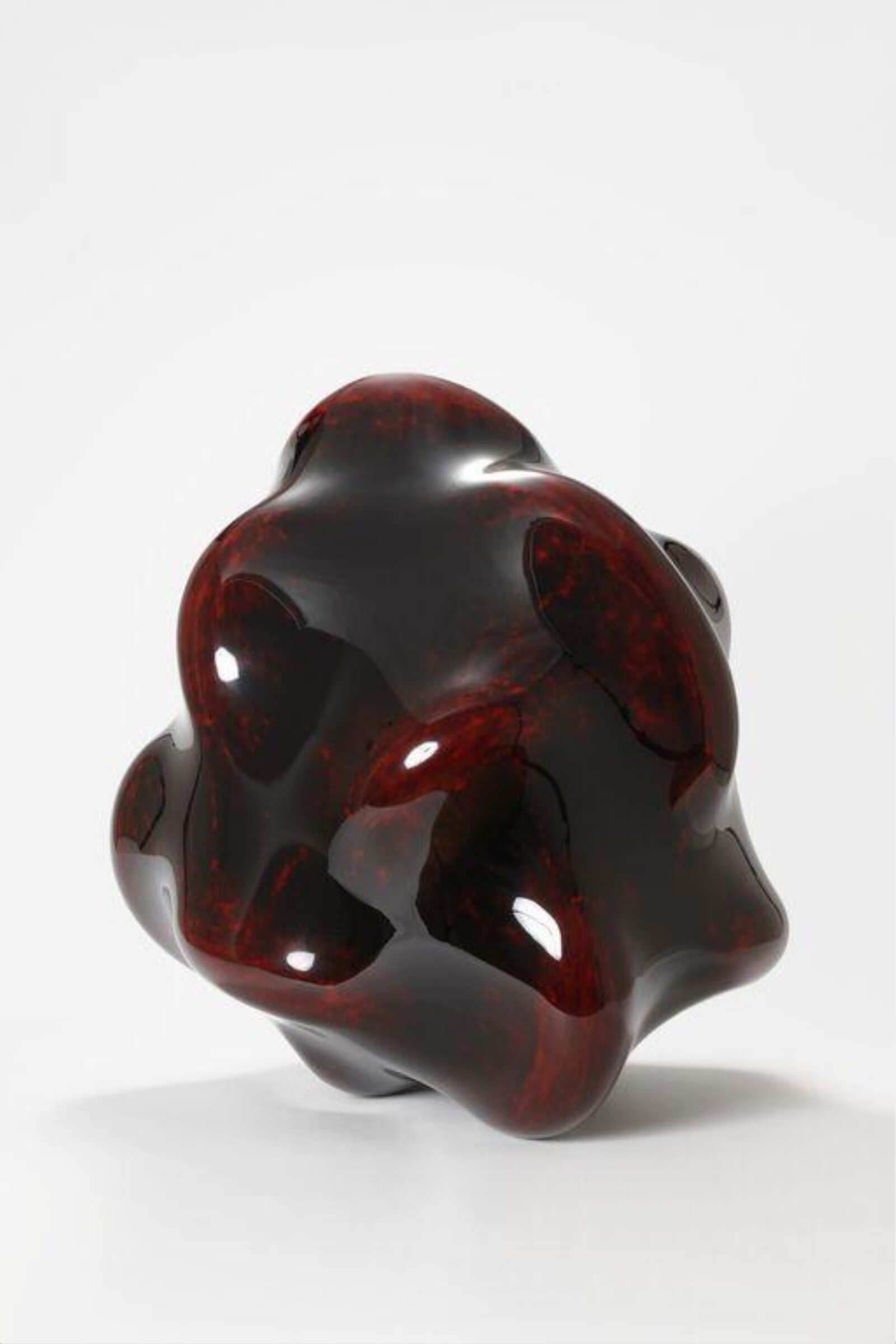
Red Flow, Ishizuka Genta, 2024

Ishizuka Genta

Red Flow, 2024

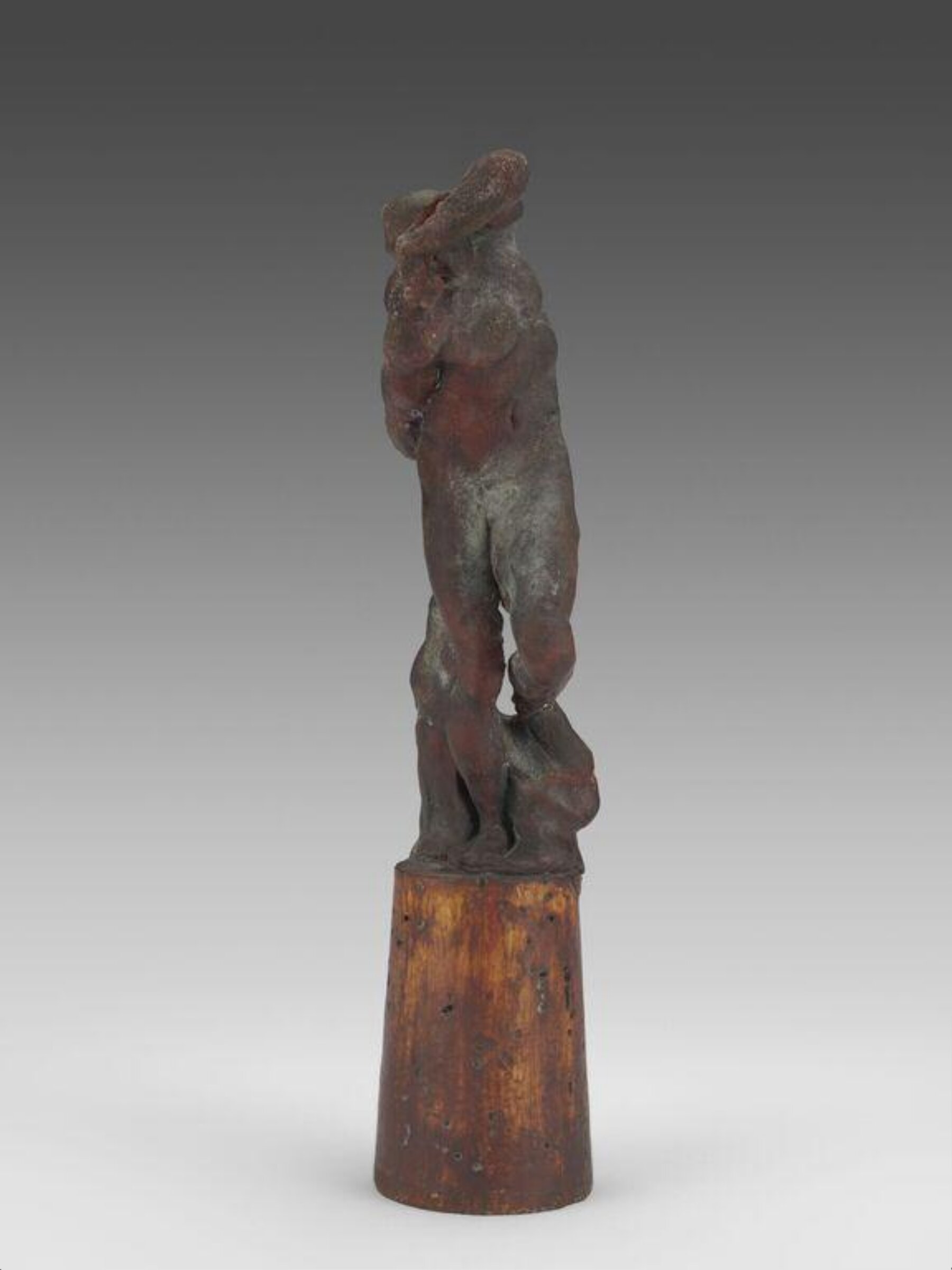
3D replica of Michelangelo's Prisoner (4117-1854), Factum Arte, 2024

Factum Arte

3D replica of Michelangelo's Prisoner (4117-1854), 2024

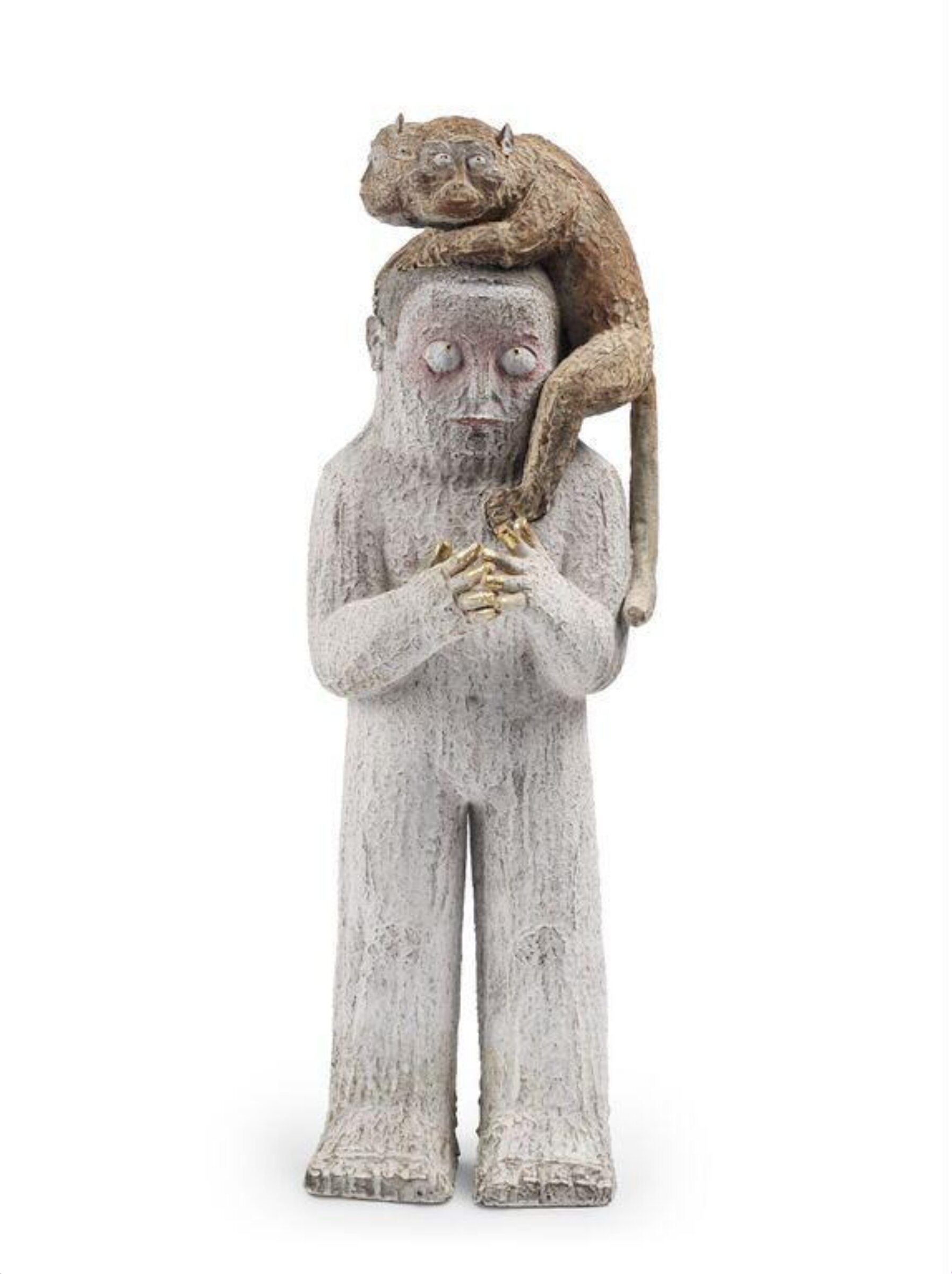
Sculpture, ‘Co-Existence – the Man and the Monkey’, Zhao Lin, 2024

Zhao Lin

Sculpture, ‘Co-Existence – the Man and the Monkey’, 2024

On the same theme · Portrait

All works on the theme
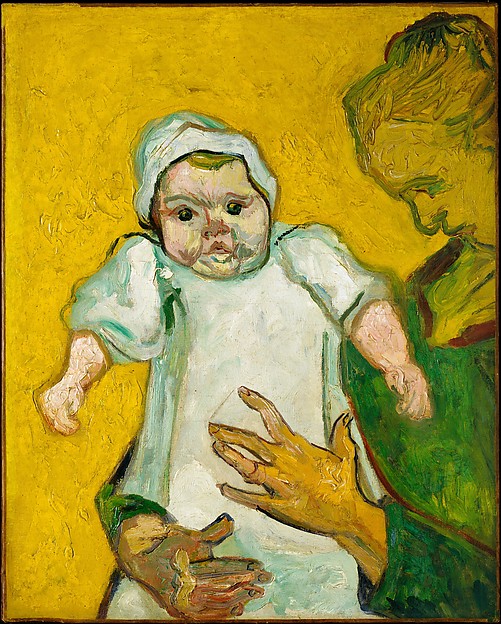
Madame Roulin and Her Baby, Vincent van Gogh, 1888

Vincent van Gogh

Madame Roulin and Her Baby, 1888

The Metropolitan Museum of Art

Mäda Primavesi (1903–2000), Gustav Klimt, 1912–13

Gustav Klimt

Mäda Primavesi (1903–2000), 1912–13

The Metropolitan Museum of Art

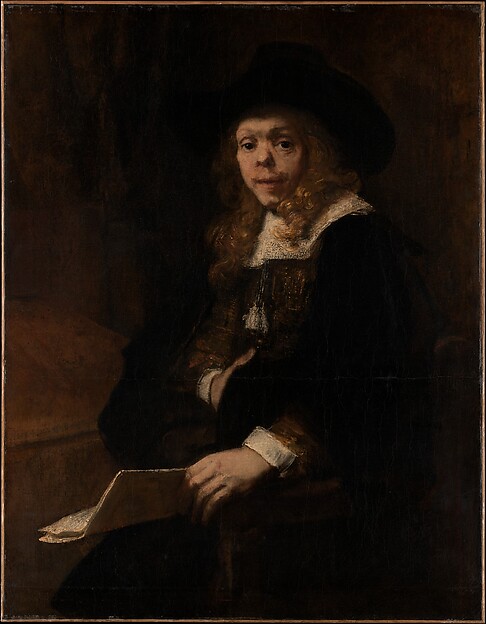
Portrait of Gerard de Lairesse, Rembrandt van Rijn, 1665–67

Rembrandt van Rijn

Portrait of Gerard de Lairesse, 1665–67

The Metropolitan Museum of Art

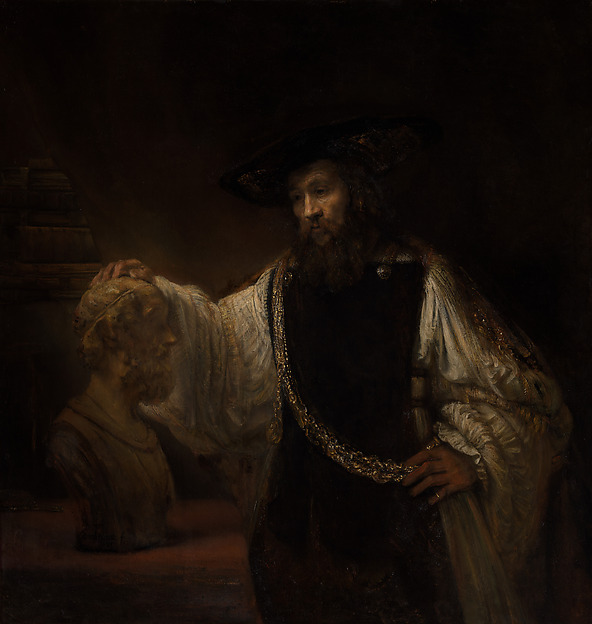
Aristotle with a Bust of Homer, Rembrandt, 1653

Rembrandt van Rijn

Aristotle with a Bust of Homer, 1653

The Metropolitan Museum of Art

Portrait of Haesje Jacobsdr van Cleyburg, Rembrandt van Rijn, 1634

Rembrandt van Rijn

Portrait of Haesje Jacobsdr van Cleyburg, 1634

Rijksmuseum

Portrait of Ephraim Bueno, Rembrandt van Rijn, 1645 - 1647

Rembrandt van Rijn

Portrait of Ephraim Bueno, 1645 - 1647

Rijksmuseum

Portrait of a Woman, Probably Maria Trip (1619-1683), Rembrandt van Rijn, 1639

Rembrandt van Rijn

Portrait of Maria Trip, 1639

Rijksmuseum

Portrait of Marten Soolmans, Rembrandt van Rijn, 1634

Rembrandt van Rijn

Portrait of Marten Soolmans, 1634

Musée du Louvre