 Paul KleeGerman, 1879–1940
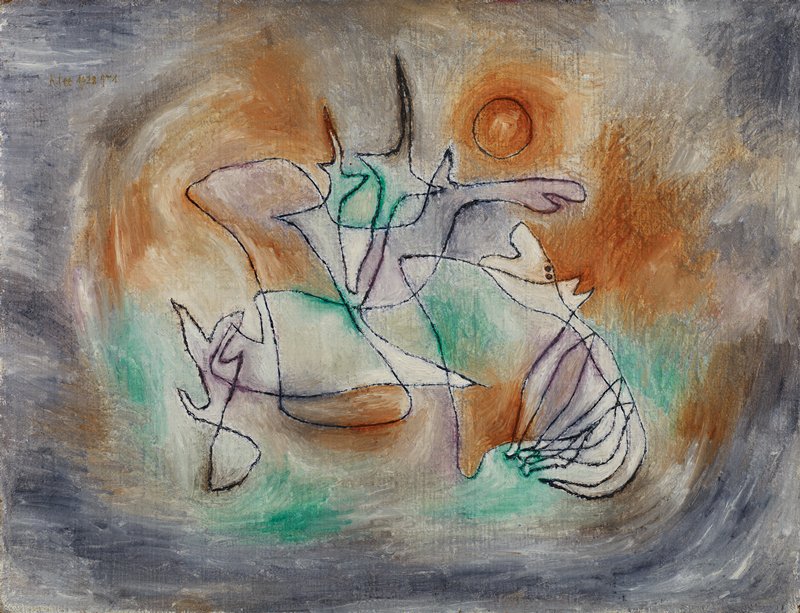
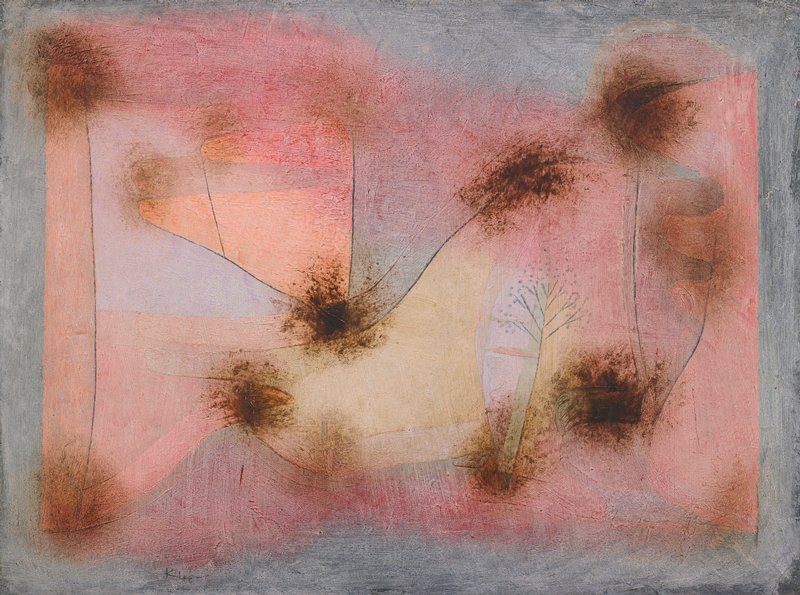
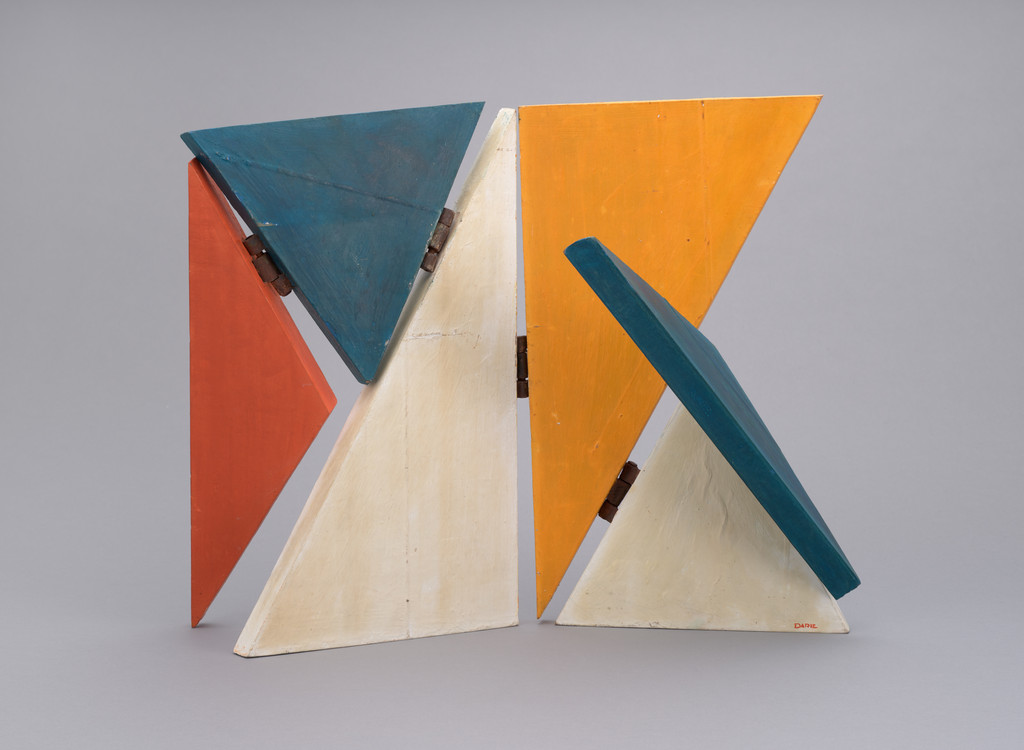
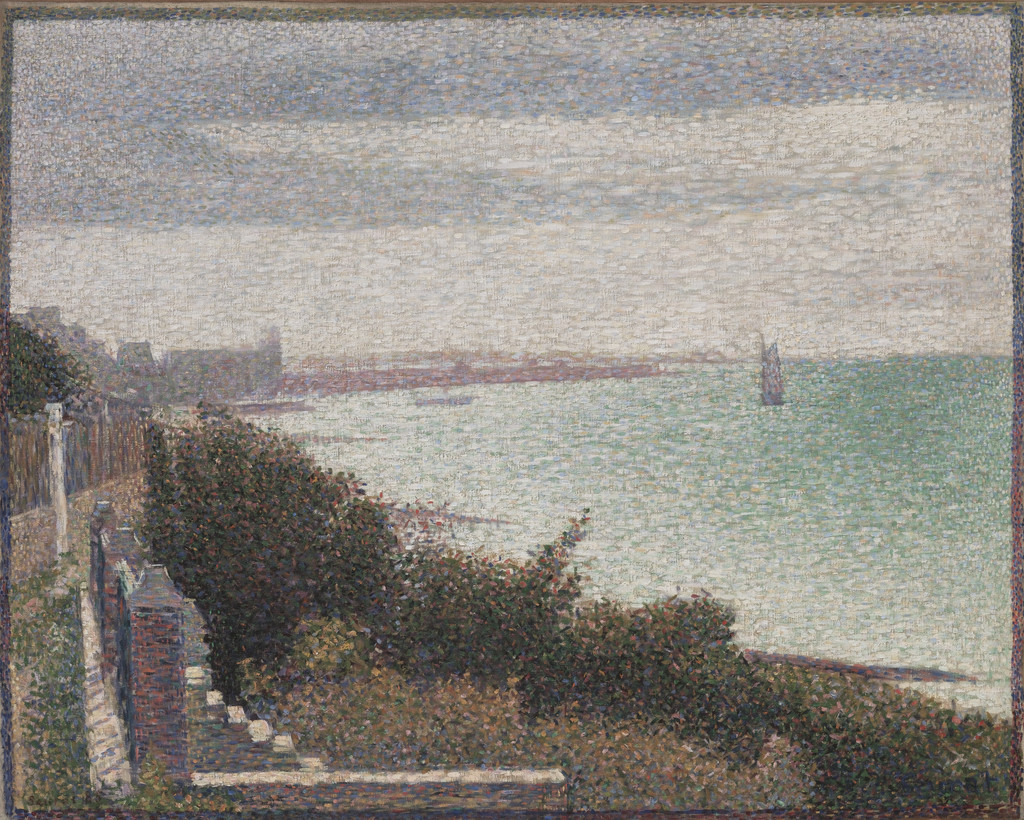
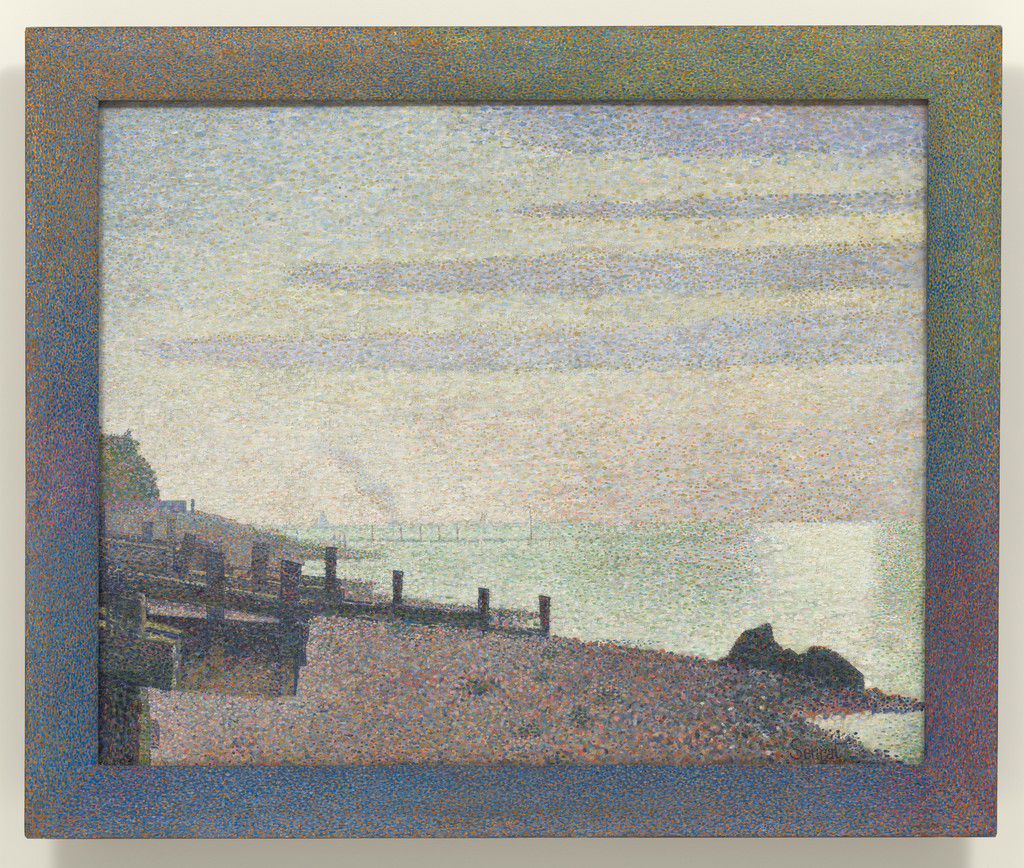
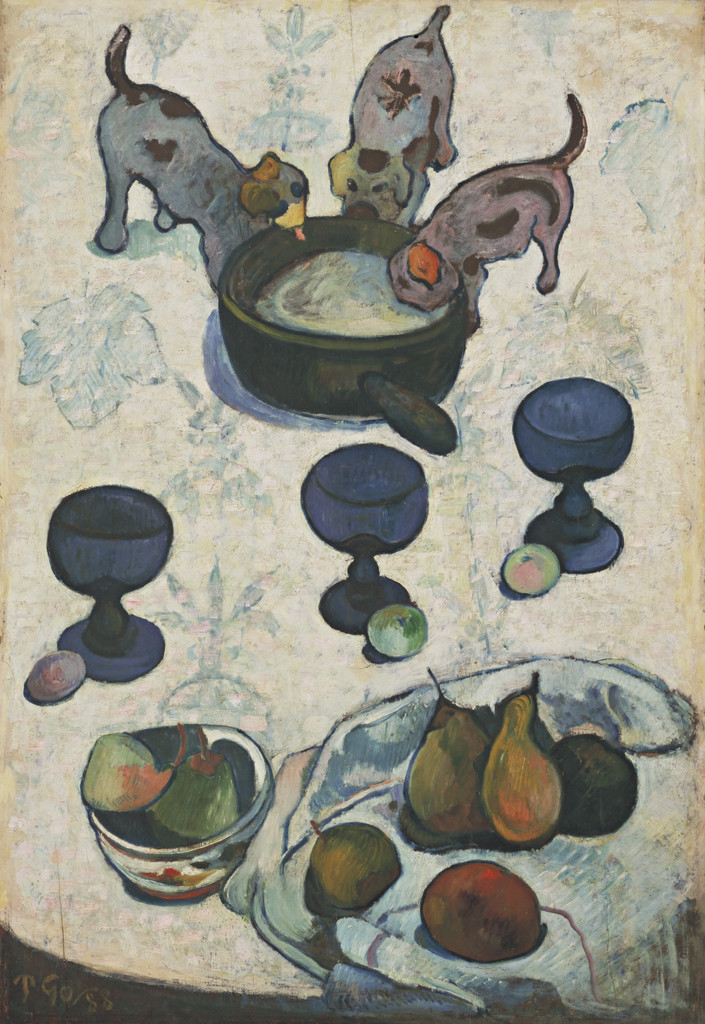
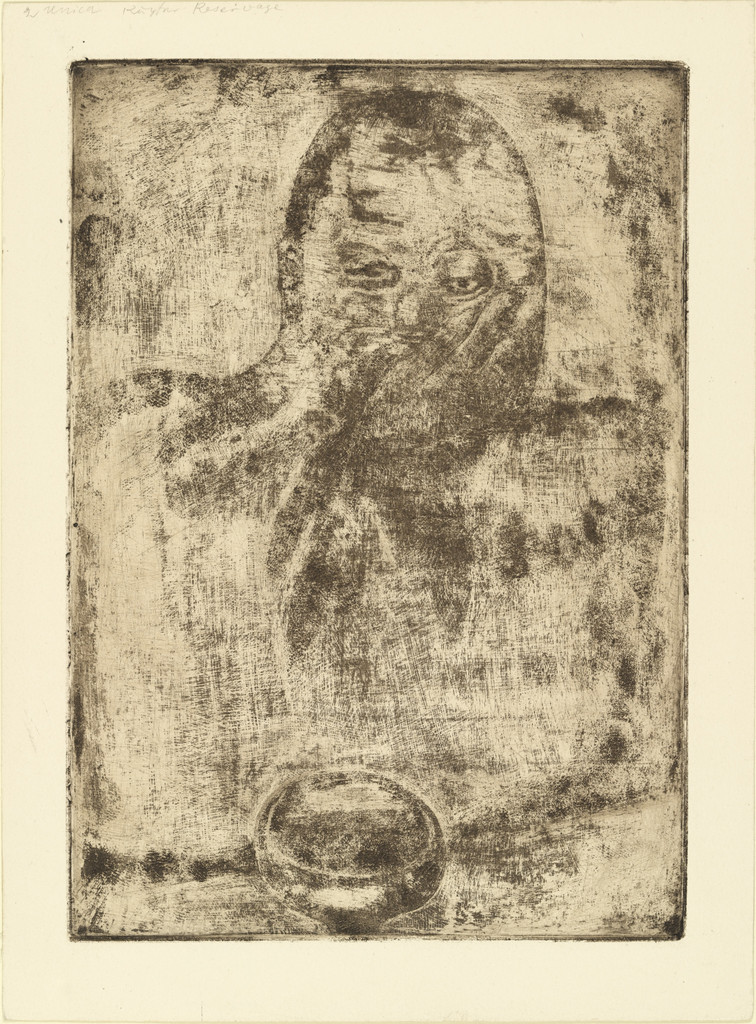
Drinker (Trinker)
May one see it?
Not receiving at present

The Museum of Modern Art
New York, United States
It belongs to the collection, but is not on display at present.
- Checked
- 12 days ago
- Source
- The museum's own collection data
Particulars
- Accession number
- 332.1948
Sources
- The Museum of Modern Art: the museum's own open data · fetched 12 days ago
- Image: The Museum of Modern Art — © the artist or rights holder
Meanwhile, in the life of Paul Klee
The whole life30 November 1907
Son born: Felix Klee
1907–1911
Klee keeps house while Lily gives lessons
After the birth of his son Felix, Klee — unusually for the time — took on most of the care of the child and the household: Lily gave up her career as a pianist for teaching, and Klee’s studio was set up in the kitchen. His attempt to become a magazine illustrator failed and his work progressed slowly, as domestic duties took his time and he searched for a new approach to art.
1908
The secession shows and joining Die Walze
In May 1908 Klee joined the Swiss graphic artists’ association Die Walze and that same year showed three works at the Munich Secession; six more of his works were exhibited at the Berlin Secession and in Munich’s Glass Palace.
1910
First solo exhibition, in Bern
Klee’s first solo exhibition, “56 Works by Klee”, opened in Bern; his watercolours, etchings and drawings were then shown in Zurich, Winterthur and Basel. His style was so unusual even for avant-garde artists that both critics and painters were bewildered.
January 1911
Meeting Alfred Kubin
In December 1910 Alfred Kubin asked Klee to select prints for his collection, and in January 1911 they met in person: Klee shared his plan to illustrate Voltaire’s “Candide”, and Kubin, who greatly liked his sarcasm and irony, became one of the artist’s first significant collectors. At Kubin’s suggestion Klee became a founder of the Munich artists’ society Sema (whose members also included Egon Schiele, Max Oppenheimer, Edwin Scharff and Robert Genin), and in the same year, through Kubin, he met the art critic Wilhelm Hausenstein.
autumn 1911
Meeting Macke and Kandinsky; the “Blue Rider”
In the autumn of 1911 Klee met August Macke and Wassily Kandinsky; of Kandinsky he noted that he felt a deep trust in him and saw an exceptionally beautiful and lucid mind. In the winter he joined the editorial team of the almanac “Der Blaue Reiter”, founded by Kandinsky and Franz Marc, and within a few months became one of its most important and independent members, though never fully integrated.