ART WIKI32,963 on view
MapCollectionArtistsMuseumsExhibitionsJournal
Sign in

ART WIKI

Where the masterpiece hangs, and when they let you in.

Collections: Art Institute of Chicago, Getty Villa, Harvard Art Museums, Hirshhorn Museum and Sculpture Garden, J. Paul Getty Museum, Minneapolis Institute of Art, Musée du Louvre, National Gallery of Art, National Museum of Asian Art, National Portrait Gallery (Smithsonian), Pushkin State Museum of Fine Arts, Rijksmuseum, Smithsonian American Art Museum, SMK — National Gallery of Denmark, State Hermitage Museum, State Russian Museum, The Cleveland Museum of Art, The Metropolitan Museum of Art, The Museum of Modern Art, Tretyakov Gallery, Victoria and Albert Museum, Whitney Museum of American Art, State Catalogue of the Museum Fund of Russia (274 museums), Europeana (19 museums), Wikidata (6 museums), Paris Musées (12 museums), and Joconde, the French Ministry of Culture's museum database (495 museums). Images belong to their rights holders.

Sections

  • Map
  • Search
  • Collection
  • Masterpieces
  • On view now
  • Artists

More

  • Museums & galleries
  • Exhibitions
  • Journal
  • Where the data comes from
  • Privacy & cookies
HomeMapBrowse
  1. Collection/
  2. The National Gallery/
  3. Diana and Actaeon
Diana and Actaeon, Titian, 1550s
Titian, portraitTitianItalian, 1490–1576

Diana and Actaeon

1550s · Painting · 184.5 × 202.2 cm

May one see it?

Unknown: the museum keeps its counsel

The National Gallery

London, United Kingdom

The owner is known. Whether it is on view today, the museum does not say, and we were not trained to guess.

In this state since
Sep 29, 2026
Source
The museum's own collection data
On the mapMuseum page

About the painting

Diana and Actaeon is a large painting by the Italian Renaissance painter Titian, finished in 1556–1559, and is considered amongst Titian's greatest works. It portrays the moment in which the hunter Actaeon comes across the goddess Diana and her nymphs as they are bathing. Diana is furious, and will turn Actaeon into a stag, who is then pursued and killed by his own hounds, a scene Titian later painted in his The Death of Actaeon (National Gallery).

Read on

The story is typically located in woodland with very few structures aside from small works like walls and fountains. Titian adjusts this traditional setting by placing his characters in the arched stone ruins of a forest temple. Diana is the pale woman second from the right. She is wearing a crown with a crescent moon on it and is being covered by the dark skinned woman at the extreme right who may be her servant. The nymphs display a variety of reactions, and a variety of nude poses.

In 2008–2009, the National Gallery, London and National Galleries of Scotland successfully campaigned to acquire the painting from the Bridgewater Collection for £50 million. As a result, Diana and Actaeon, along with its pair Diana and Callisto, will remain on display in the UK, and will alternate between the two galleries on five-year terms. In late 2024 the painting was on display in Room 29 of the National Gallery in London.

Diana and Actaeon is the fourth of seven paintings made by Titian for Phillip II as a part of his poesie series and was painted at the same time and using the same style as the fifth painting in the series Diana and Callisto.

Wikipedia · CC BY-SA

Particulars

Accession number
NG6611

In the catalog

PaintingsItalian paintingVenetian painting

Sources

  • Wikidata · fetched 8 days ago
  • Image: The National Gallery — Titian · Public domain · Wikimedia Commons
More by Titian

All works
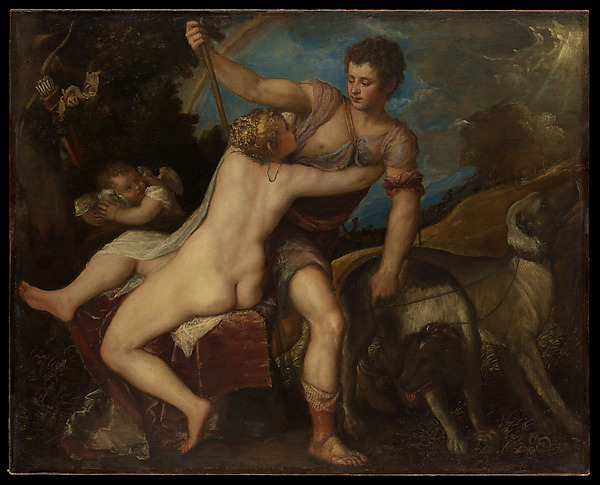
Venus and Adonis, Titian, 1550s

Venus and Adonis

1550s · The Metropolitan Museum of Art

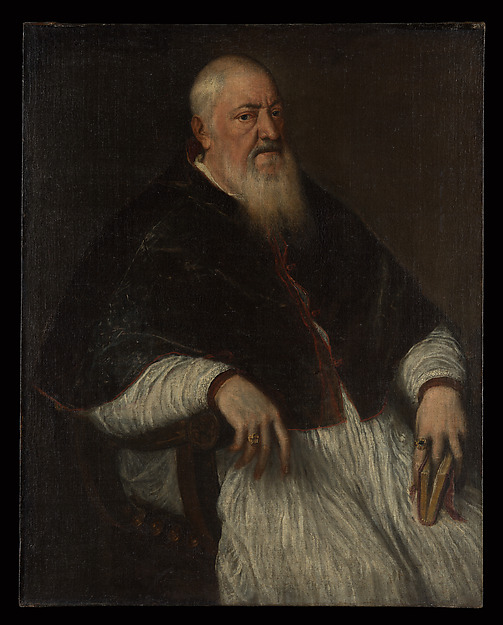
Filippo Archinto (born about 1500, died 1558), Archbishop of Milan, Titian, mid-1550s

Filippo Archinto (born about 1500, died 1558), Archbishop of Milan

mid-1550s · The Metropolitan Museum of Art

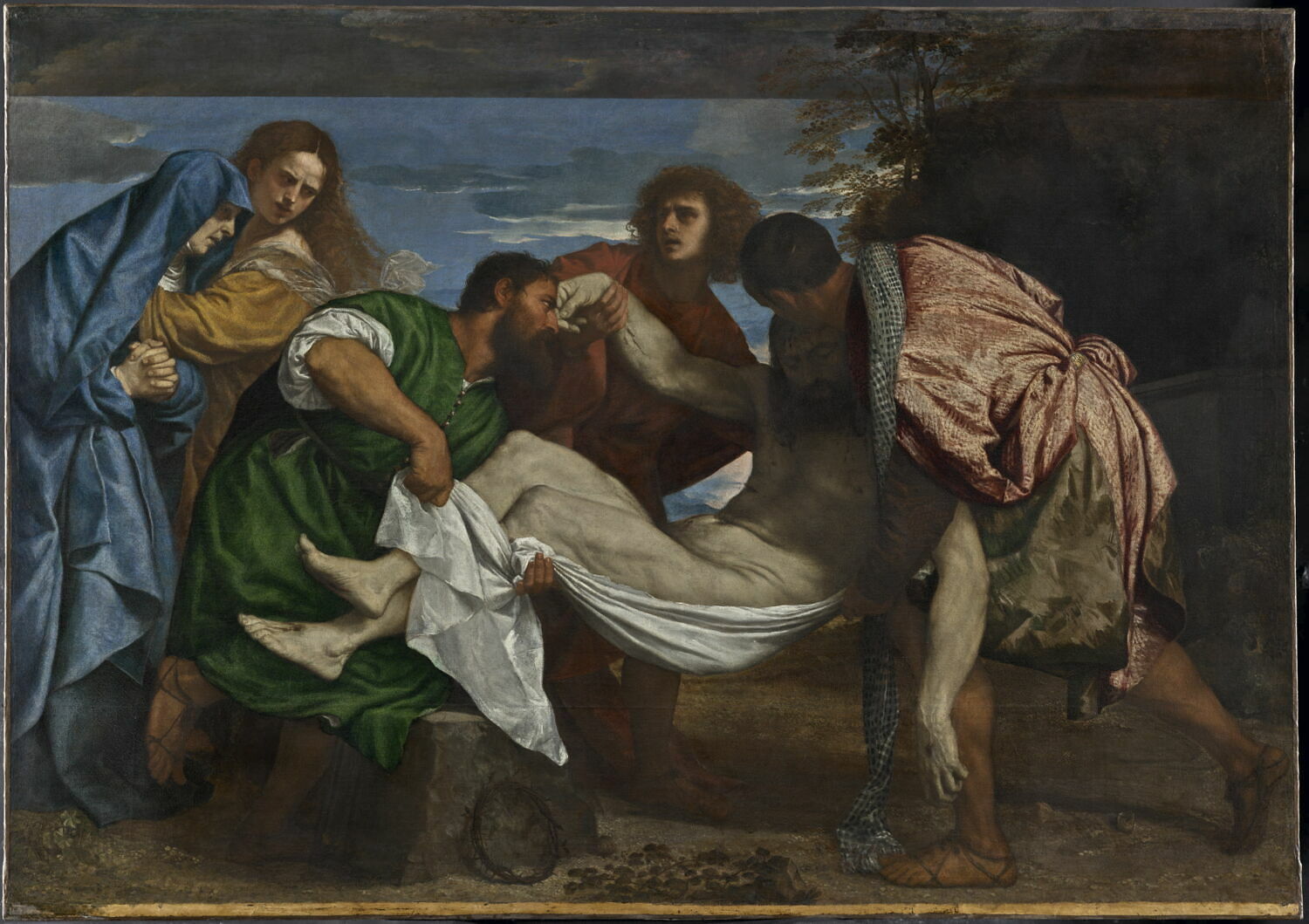
La Mise au tombeau ou Le Transport du Christ vers le tombeau, Titien, 1e quart du XVIe siècle (1500 - 1525)

La Mise au tombeau ou Le Transport du Christ vers le tombeau

first quarter of the 16th century (1500–1525) · Musée du Louvre

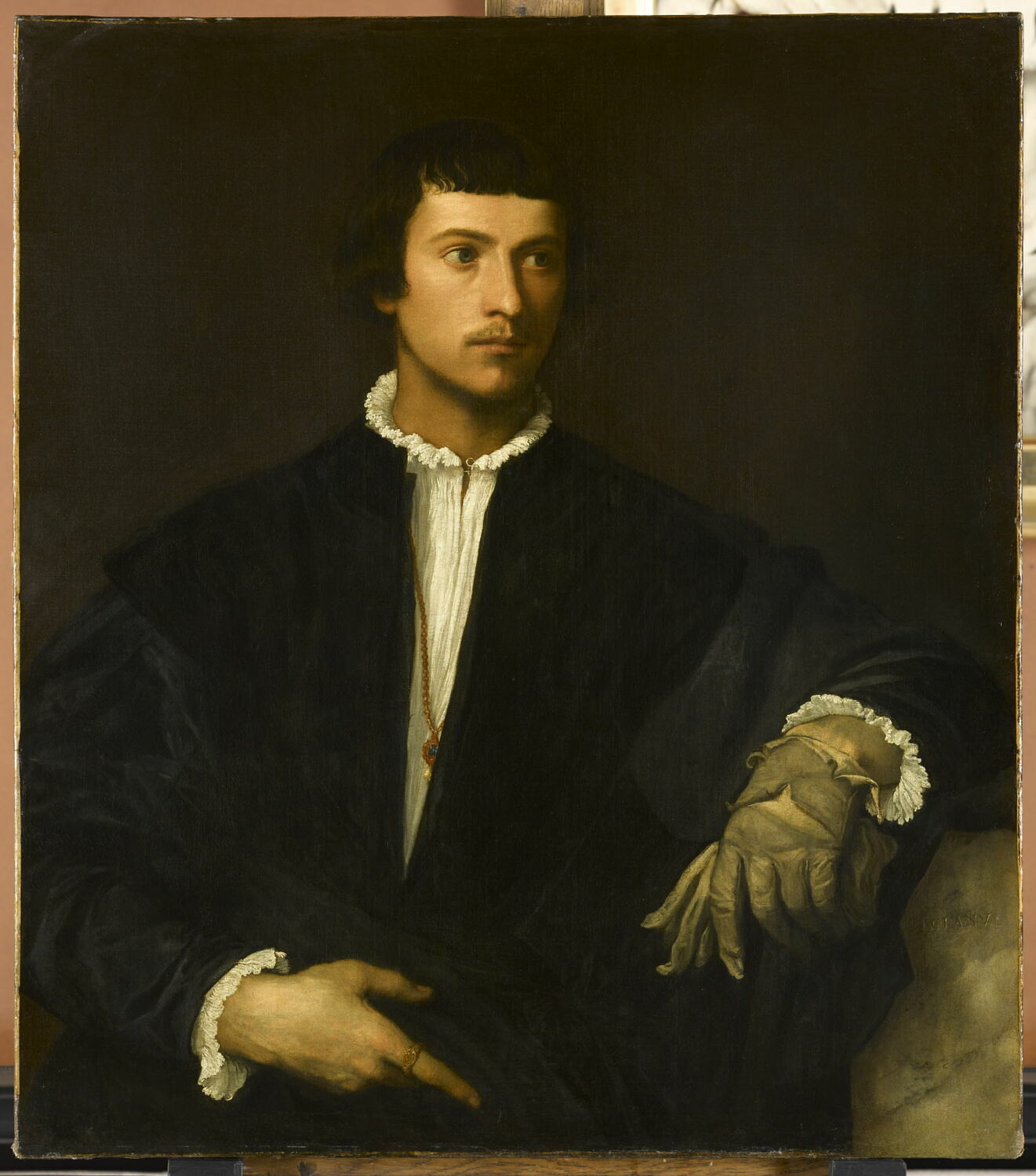
Portrait d'homme, dit L'Homme au gant, Titien, 1e quart du XVIe siècle (1500 - 1525)

Man with a Glove

first quarter of the 16th century (1500–1525) · Musée du Louvre

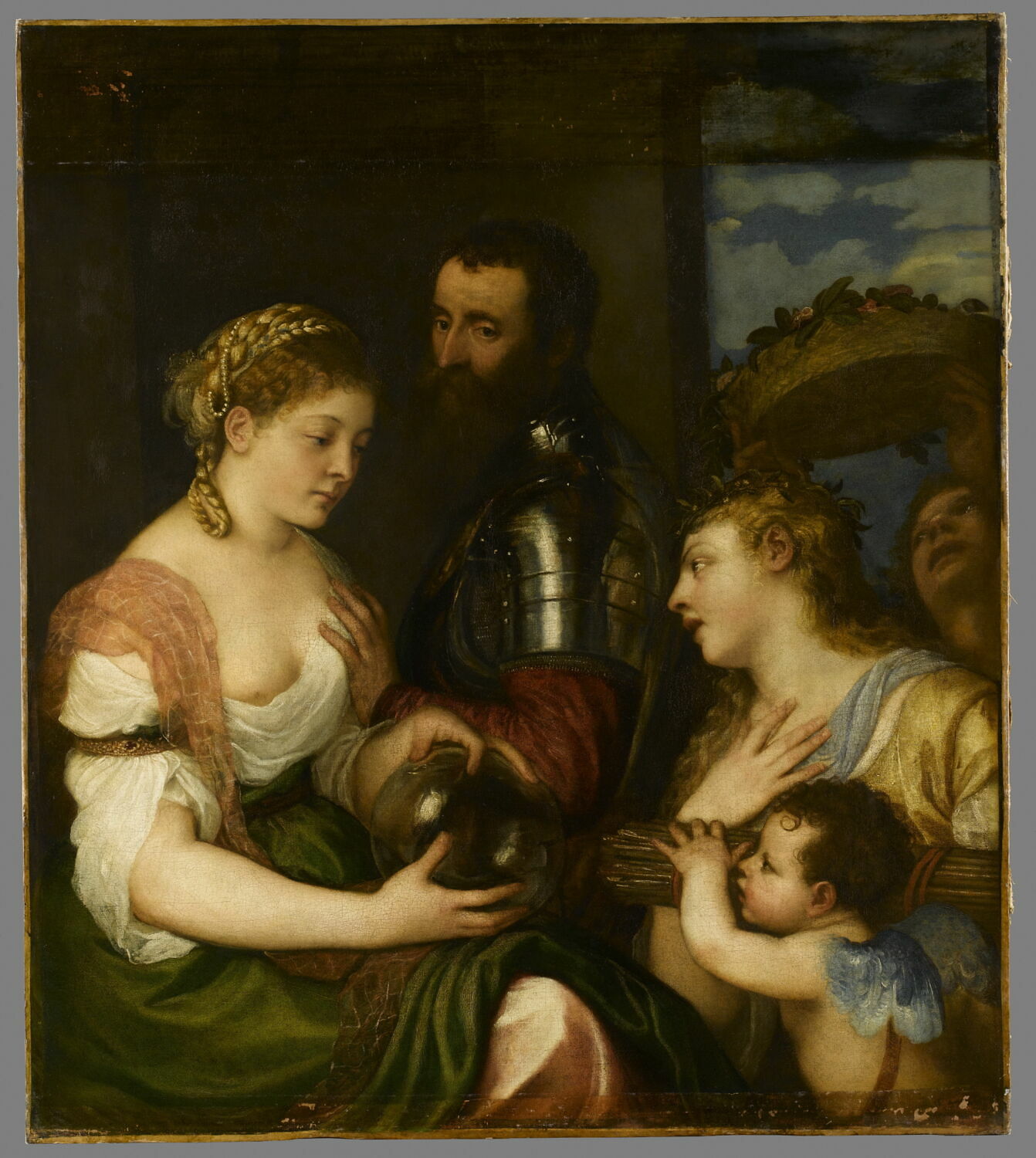
Allégorie conjugale (Allégorie de la séparation?), dit à tort Allégorie d'Alphonse d'Avalos, Titien, XVIe siècle (1500 - 1600)

Allégorie conjugale (Allégorie de la séparation?), dit à tort Allégorie d'Alphonse d'Avalos

16th century (1500–1600) · Musée du Louvre

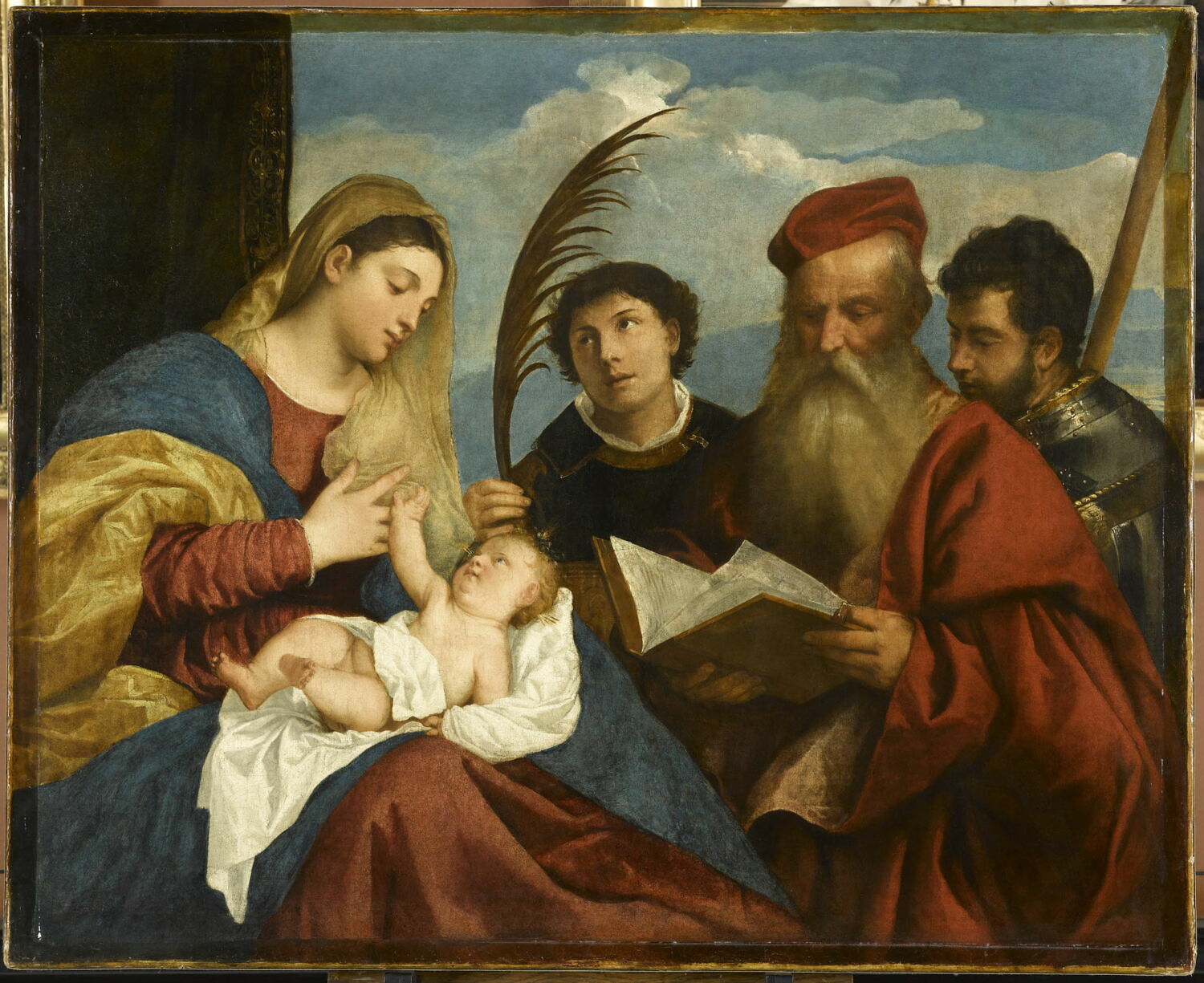
La Vierge à l' Enfant avec saint Étienne, saint Jérôme et saint Maurice, Titien, 1e quart du XVIe siècle (1500 - 1525)

La Vierge à l' Enfant avec saint Étienne, saint Jérôme et saint Maurice

first quarter of the 16th century (1500–1525) · Musée du Louvre

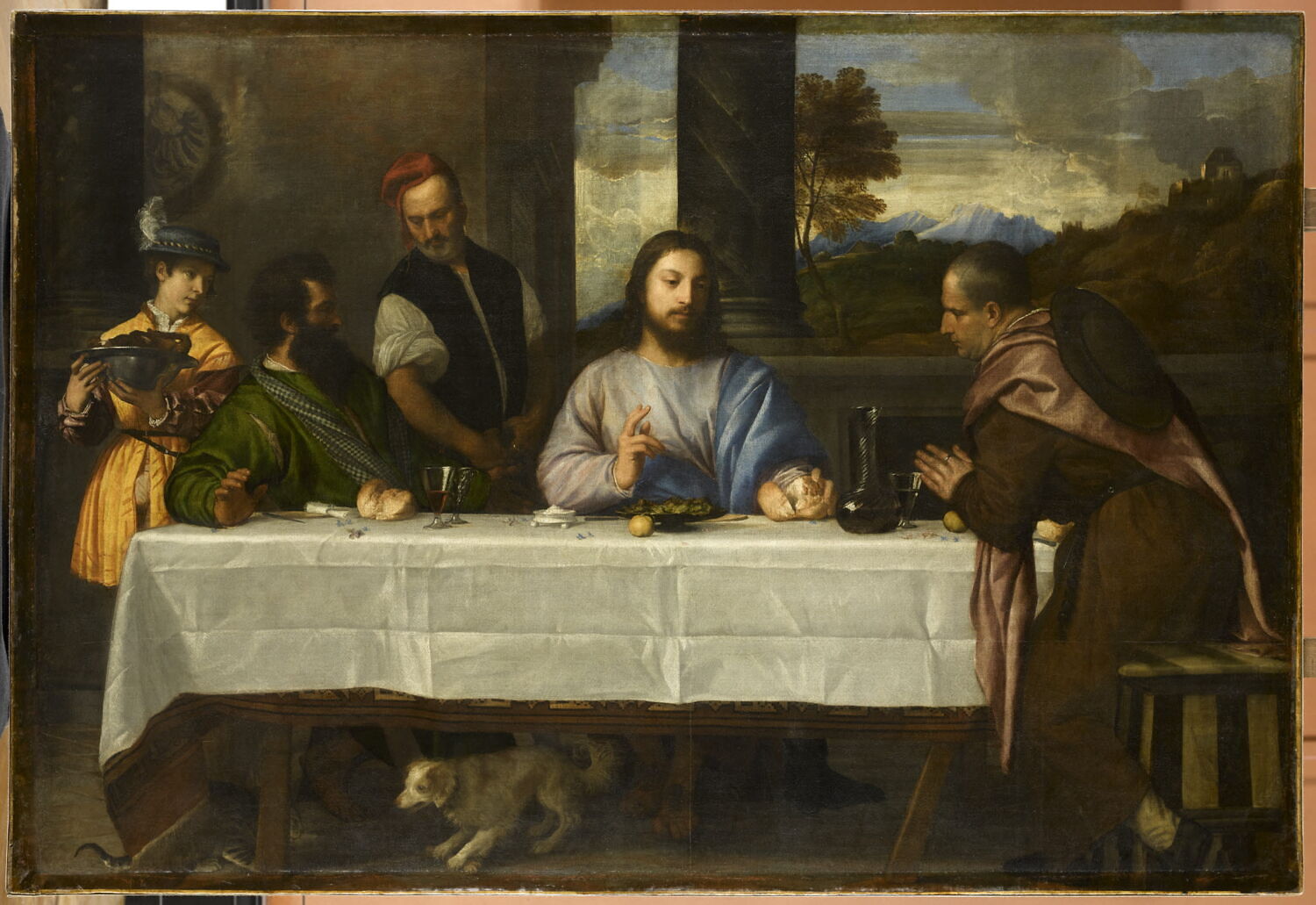
Les Pèlerins d'Emmaüs, Titien, XVIe siècle (1500 - 1600)

Les Pèlerins d'Emmaüs

16th century (1500–1600) · Musée du Louvre

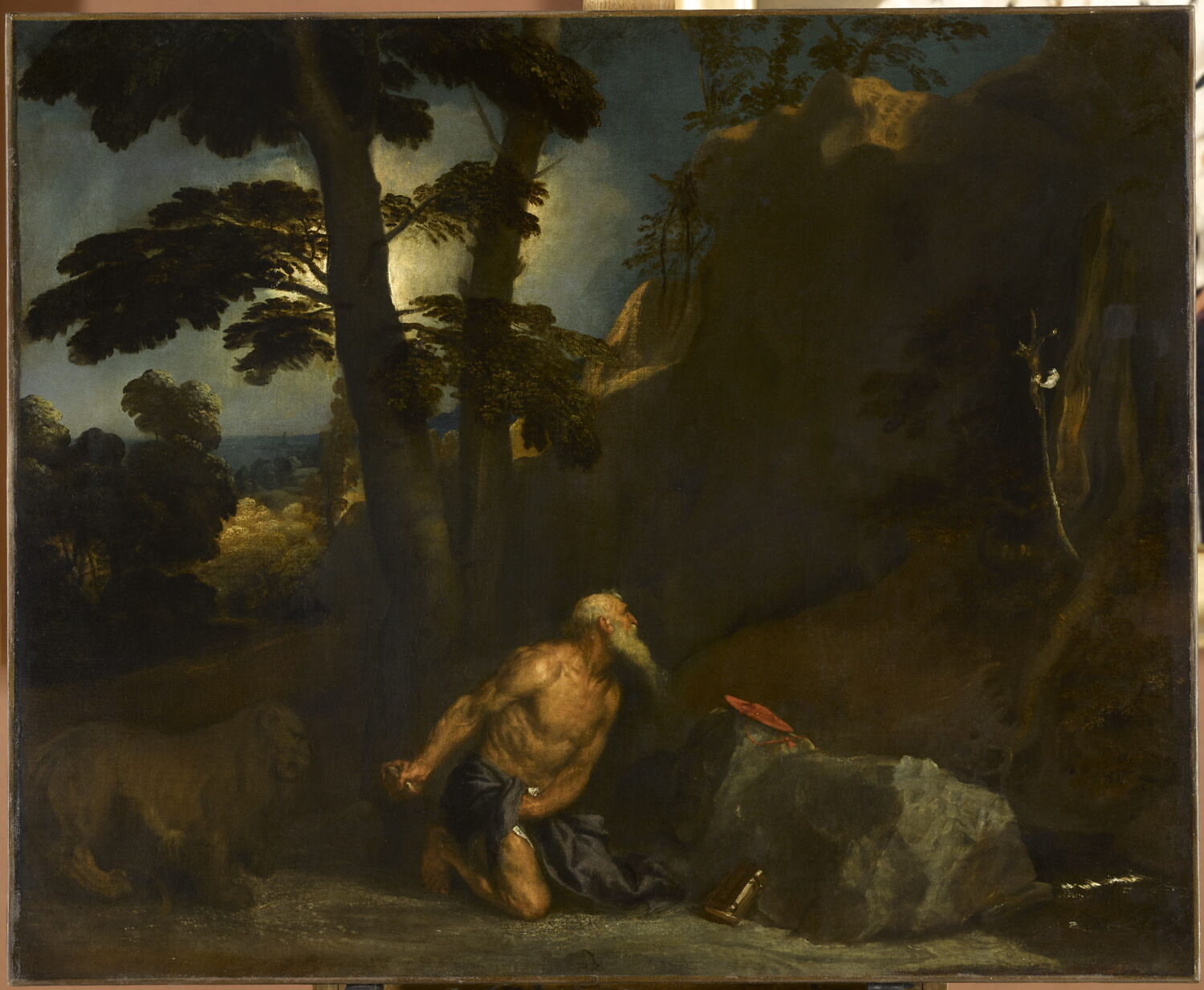
Saint Jérôme pénitent, Titien, XVIe siècle (1500 - 1600)

Saint Jérôme pénitent

16th century (1500–1600) · Musée du Louvre