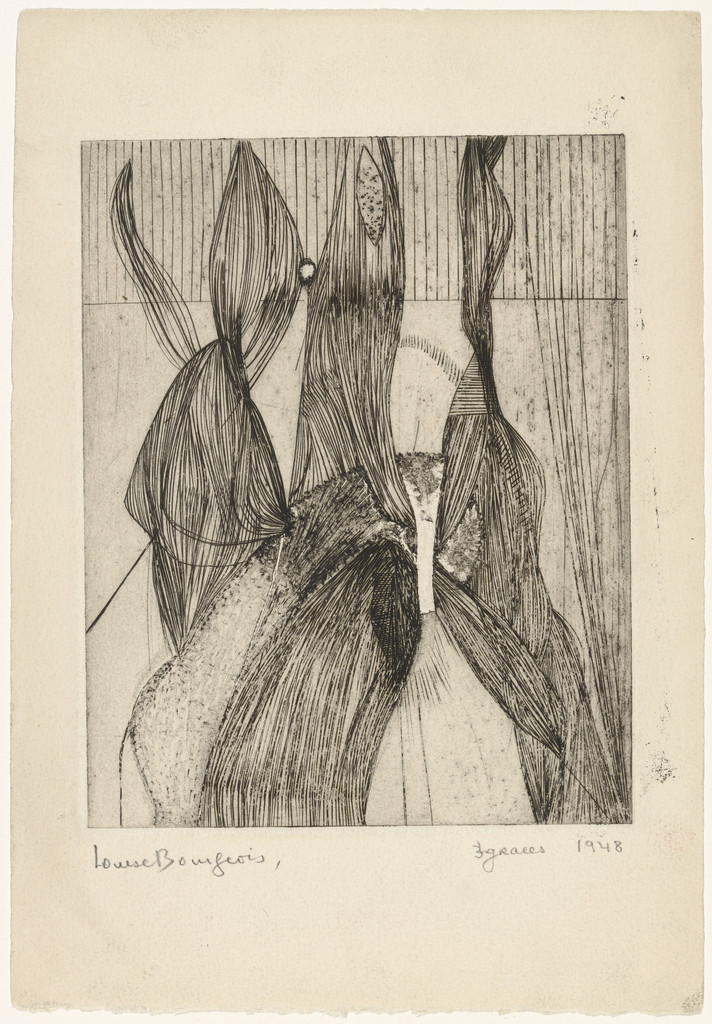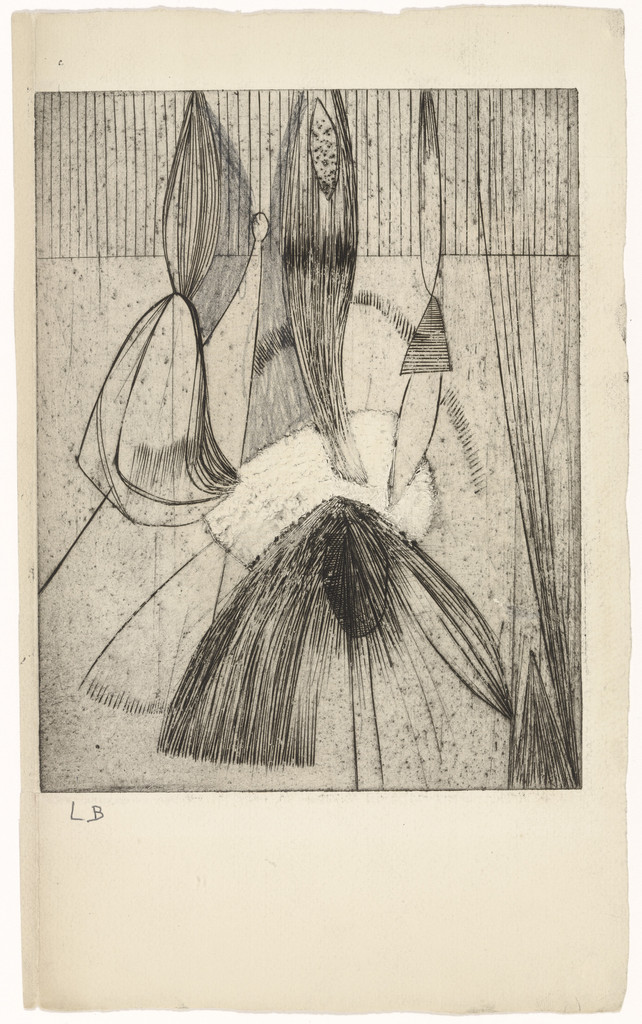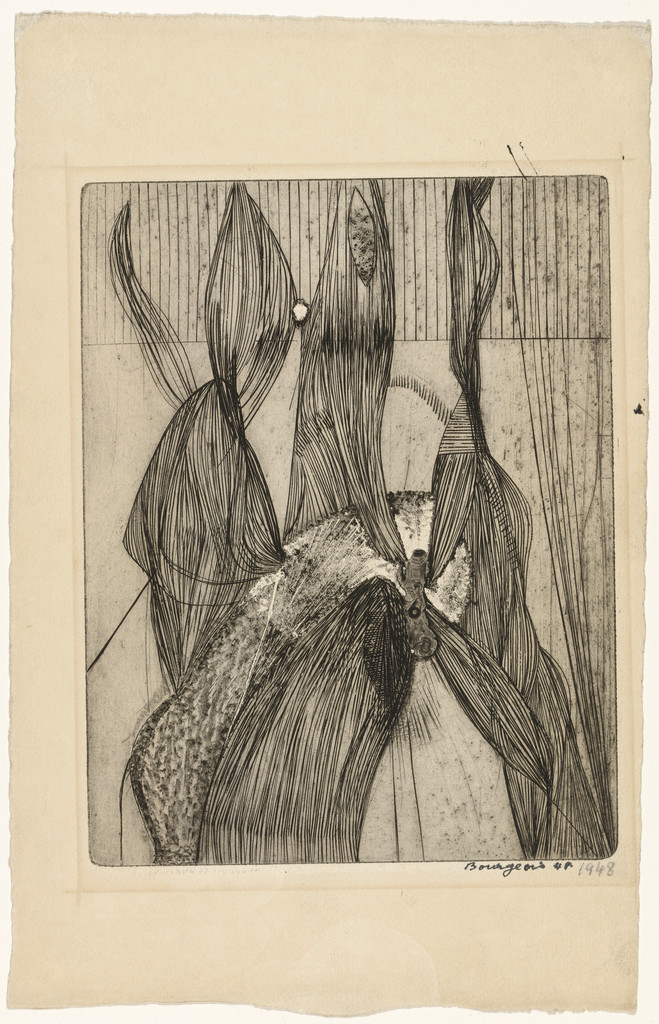
 Louise BourgeoisAmerican, 1911–2010
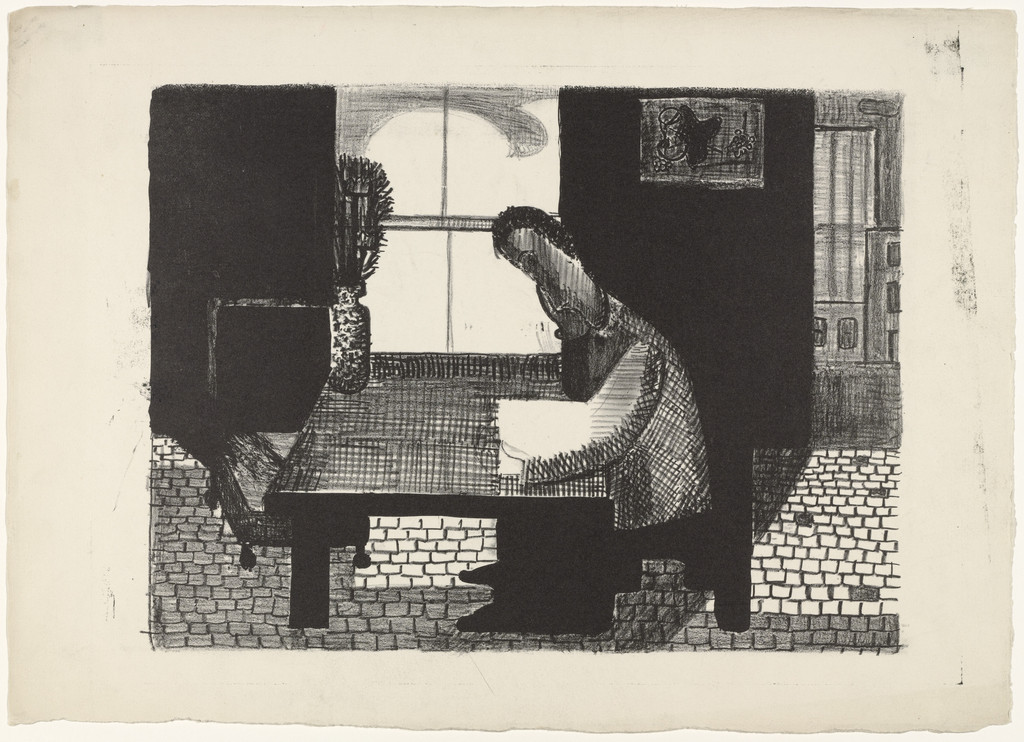
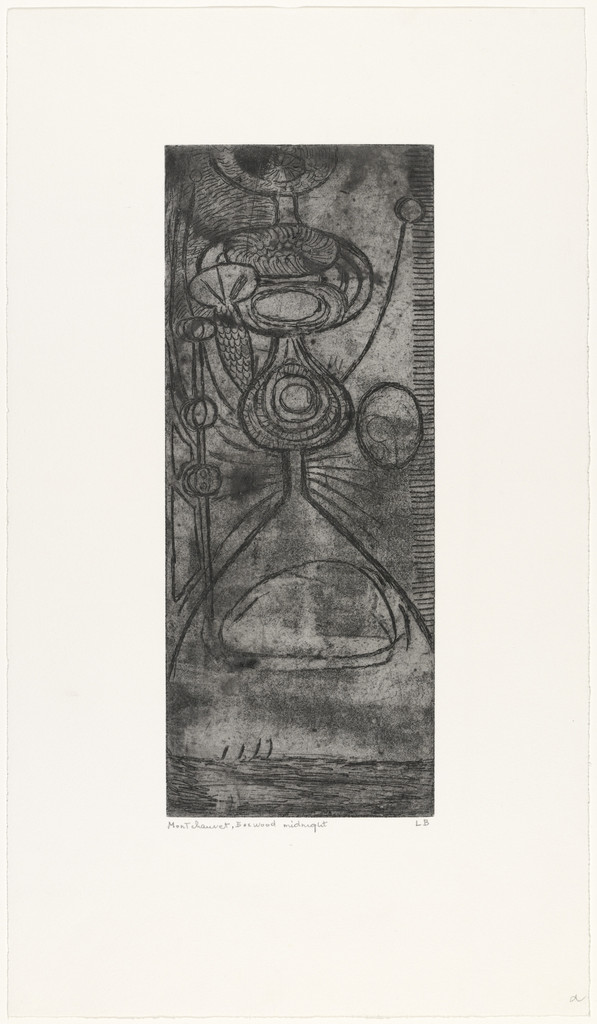
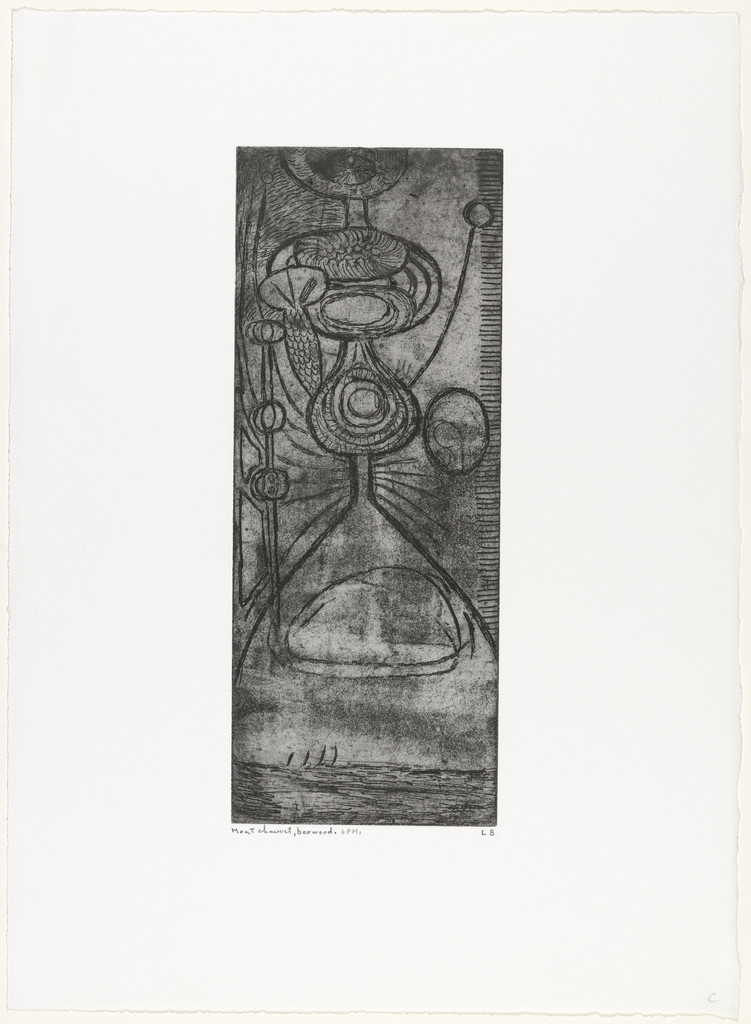
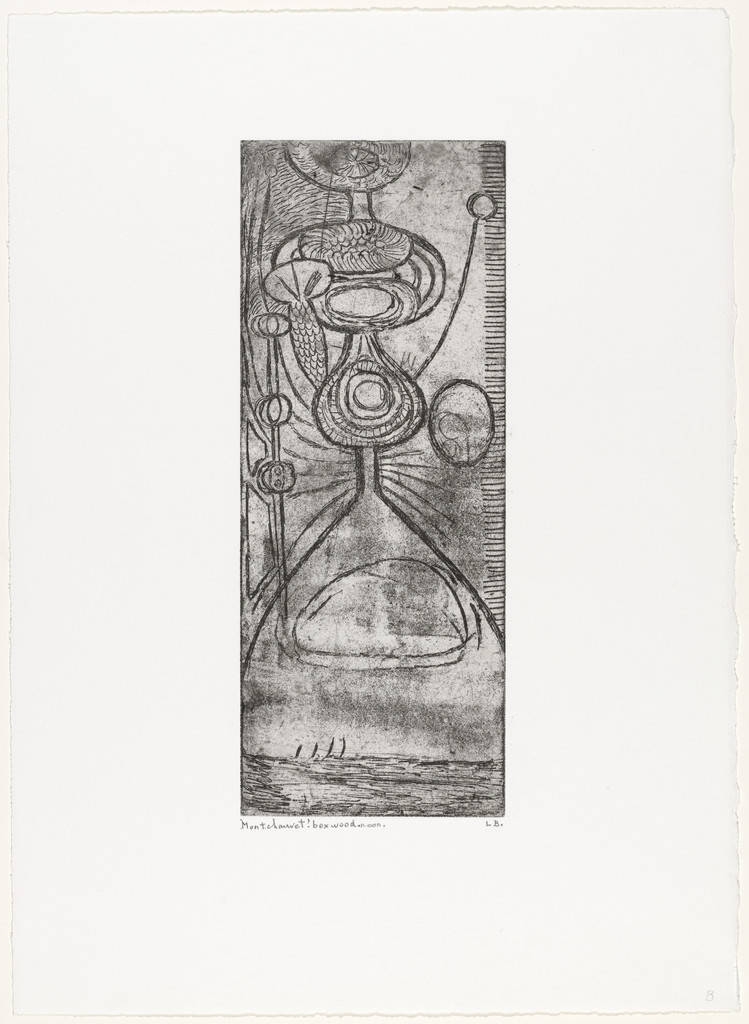
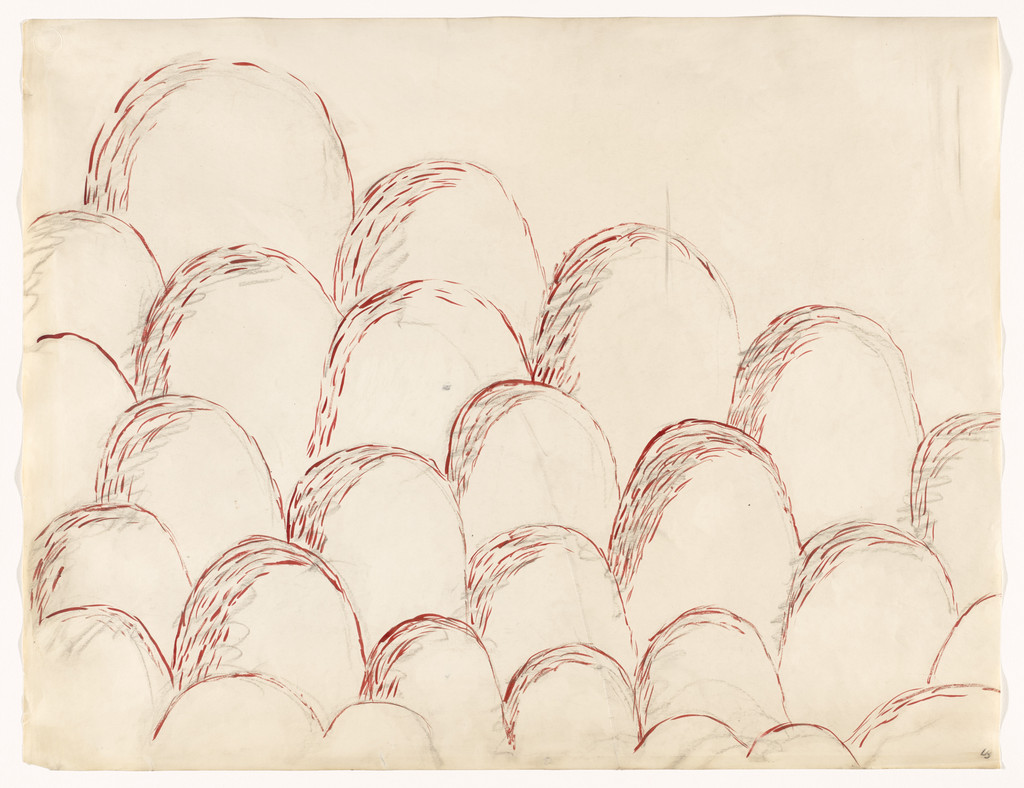
Cumuls
May one see it?
Not receiving at present

New York, United States
It belongs to the collection, but is not on display at present.
- Checked
- Source
- The museum
Particulars
- Accession number
- 560.2016
In the catalog
Sources
- The Museum of Modern Art
- Image: The Museum of Modern Art — © the artist or rights holder
Meanwhile, in the life of Louise Bourgeois
The whole life1938–2010 · Workplace
New York City
1960s
New materials: latex, bronze and stone
In the 1960s Bourgeois began using latex, bronze and stone; her works grew larger and increasingly referred to the central theme of her art, the traumatic experience of childhood.
early 1970s
The “Sunday, bloody Sundays” salons
In the early 1970s Bourgeois held gatherings at her home in Chelsea that filled with young artists and students whose work she critiqued. Her ruthlessness in critique and her dry sense of humour gave the meetings their name, “Sunday, bloody Sundays”.
1970s
Joins the Fight Censorship Group
Bourgeois aligned herself with activists and became a member of the Fight Censorship Group, a feminist anti-censorship collective founded by the artist Anita Steckel; in the 1970s the group defended the use of sexual imagery in art.
1972
The group exhibition “13 Women Artists”
In 1972 Bourgeois took part in the group exhibition “13 Women Artists” at the 117 Prince Street Gallery in New York City.
1972
Among the women artists in Mary Beth Edelson’s collage
In 1972 Mary Beth Edelson collaged the heads of notable women artists over the heads of Christ and the apostles in Leonardo’s “Last Supper”; Bourgeois was among them. The image became one of the most iconic of the feminist art movement.