John Singer SargentAmerican, 1856–1925
Crucifix Study in Profile
May one see it?
Not receiving at present

Cambridge, United States
It belongs to the collection, but is not on display at present.
- Checked
- In this state since
- Source
- The museum
About the work
This page has been cut from the sketchbook and is loose. There are thin spots on the support as if the page had had spots of tape or other adhesive removed.
Harvard Art Museums
Particulars
- Accession number
- 1937.7.15.8.C
In the catalog
Sources
- Harvard Art Museums
- Image: Harvard Art Museums — © President and Fellows of Harvard College
Meanwhile, in the life of John Singer Sargent
The whole lifeearly 1880s
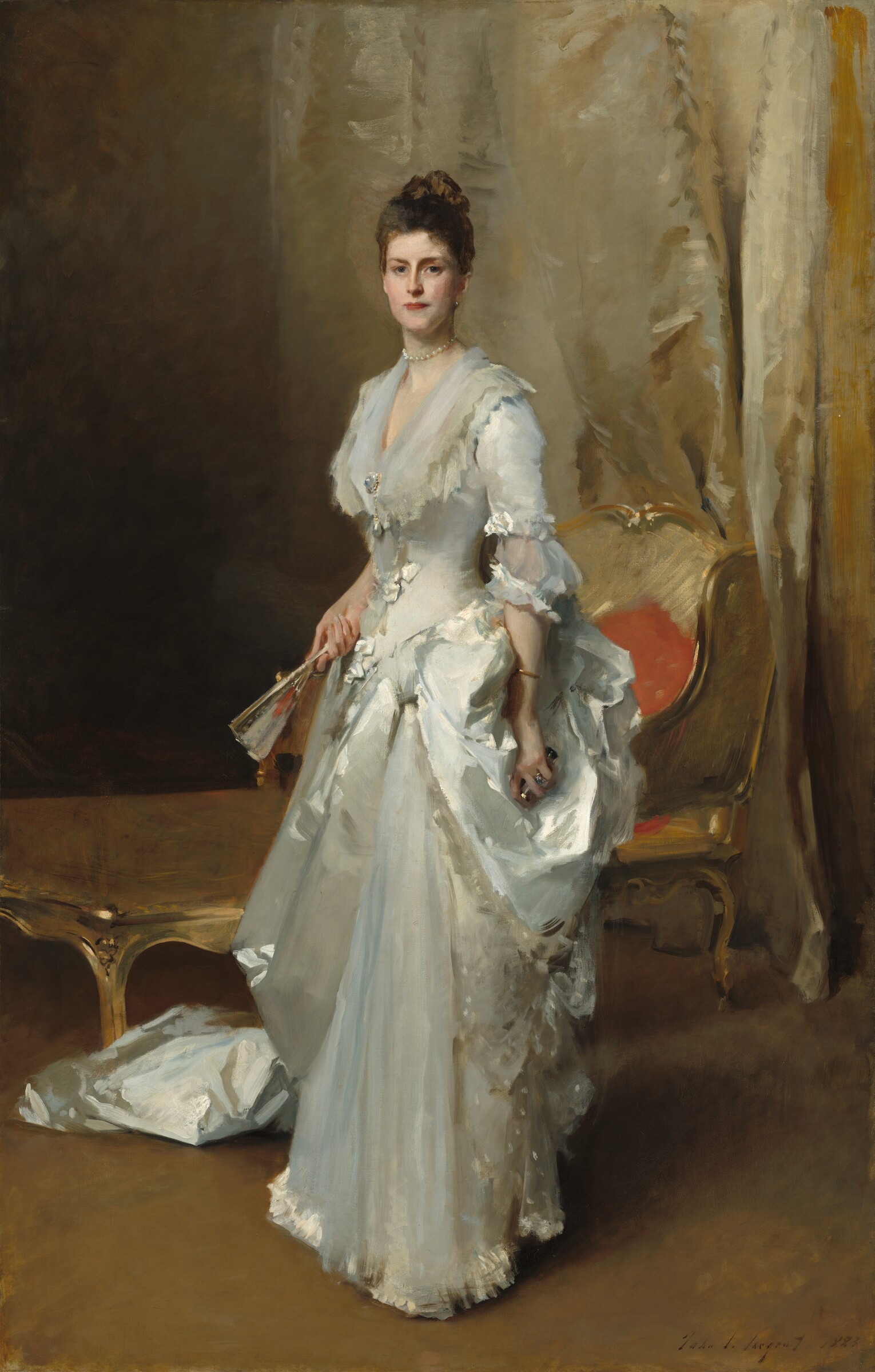
Full-length portraits of women at the Salon, year after year
Upon his return to Paris Sargent quickly receives several portrait commissions and his career is launched: in the early 1880s he regularly exhibits portraits at the Salon, mostly full-length portrayals of women such as “Madame Edouard Pailleron” (1880, done en plein air) and “Madame Ramón Subercaseaux” (1881), continuing to receive positive critical notice.
1884
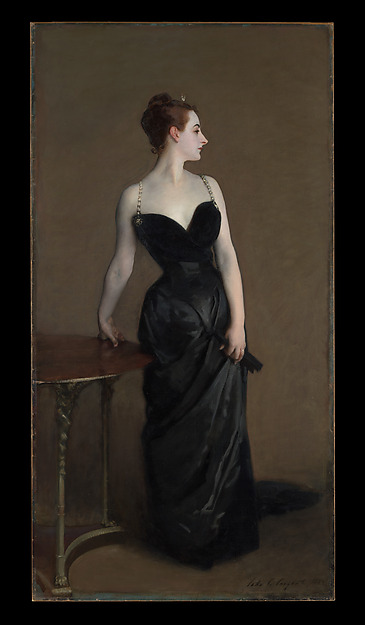
“Madame X” at the Salon: a scandal
Sargent himself pursued Virginie Gautreau for the opportunity to paint her and worked on the portrait for well over a year; unveiled at the 1884 Salon it arouses such a negative reaction that it likely prompts his move to London, and repainting the dress strap does not undo the damage: French commissions dry up.
1885
A visit to Monet at Giverny
On a visit to Claude Monet at Giverny in 1885 Sargent paints one of his most Impressionistic portraits, “Claude Monet Painting at the Edge of a Wood”, with Monet's new bride nearby; after that visit he begins to paint outdoors in the plein-air manner and buys four Monet works for his own collection.
1886
Moving to London, to artistic Chelsea
The portrait commissions that follow his Royal Academy showings encourage Sargent to complete his move to London in 1886, where he settles in the artistic community of Chelsea. English critics are not warm at first, faulting his “Frenchified” handling of paint, but with the help of Mrs. White, and with Henry James's push, he soon gains the admiration of English patrons and critics.
1887
“Carnation, Lily, Lily, Rose”: a triumph, bought by the Tate
Sargent's first major success at the Royal Academy comes in 1887 with the enthusiastic response to “Carnation, Lily, Lily, Rose”, a large piece painted on site of two young girls lighting lanterns in an English garden in Broadway in the Cotswolds; it is immediately purchased by the Tate Gallery.
1887–1888
His first solo exhibition in Boston
In Boston Sargent is honoured with his first solo exhibition, which presents 22 of his paintings; there he becomes friends with the painter Dennis Miller Bunker.