ART WIKI32,963 on view
MapCollectionArtistsMuseumsExhibitionsJournal
Sign in

ART WIKI

Where the masterpiece hangs, and when they let you in.

Collections: Art Institute of Chicago, Getty Villa, Harvard Art Museums, Hirshhorn Museum and Sculpture Garden, J. Paul Getty Museum, Minneapolis Institute of Art, Musée du Louvre, National Gallery of Art, National Museum of Asian Art, National Portrait Gallery (Smithsonian), Pushkin State Museum of Fine Arts, Rijksmuseum, Smithsonian American Art Museum, SMK — National Gallery of Denmark, State Hermitage Museum, State Russian Museum, The Cleveland Museum of Art, The Metropolitan Museum of Art, The Museum of Modern Art, Tretyakov Gallery, Victoria and Albert Museum, Whitney Museum of American Art, State Catalogue of the Museum Fund of Russia (274 museums), Europeana (19 museums), Wikidata (6 museums), Paris Musées (12 museums), and Joconde, the French Ministry of Culture's museum database (495 museums). Images belong to their rights holders.

Sections

  • Map
  • Search
  • Collection
  • Masterpieces
  • On view now
  • Artists

More

  • Museums & galleries
  • Exhibitions
  • Journal
  • Where the data comes from
  • Privacy & cookies
HomeMapBrowse
  1. Collection/
  2. Art Institute of Chicago/
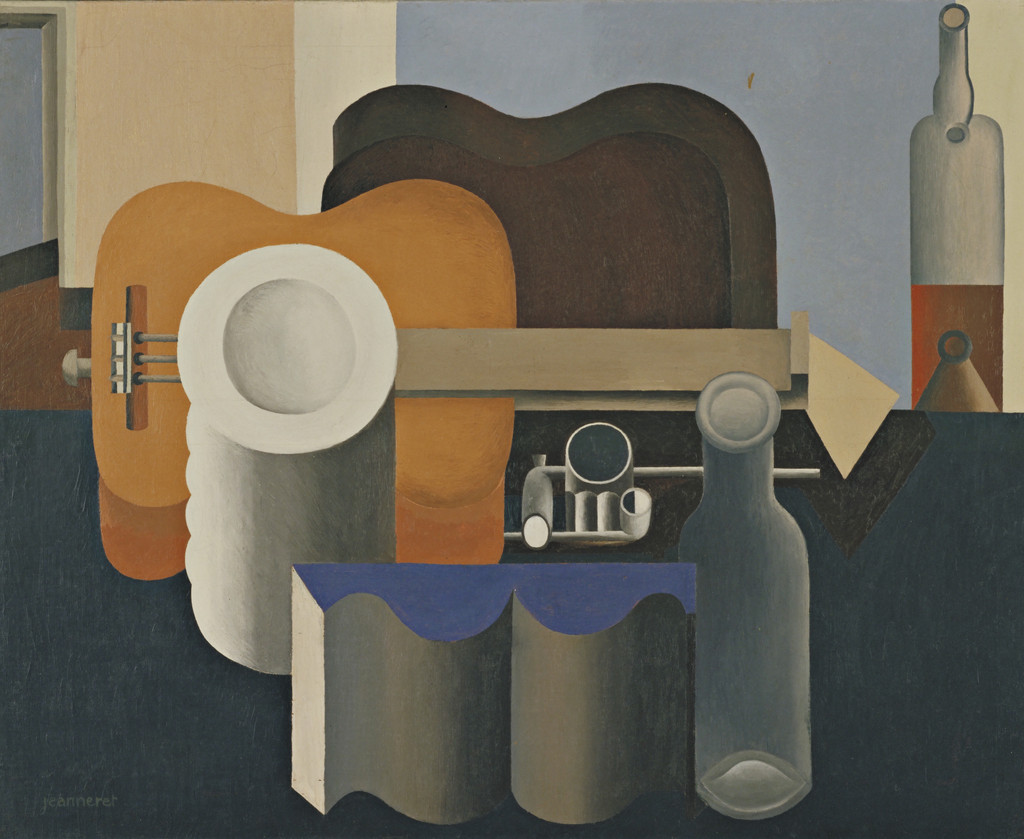
  3. Composition for a Painting
Composition for a Painting, Le Corbusier, 1922
Le Corbusier, portraitLe CorbusierSwiss, 1887–1965

Composition for a Painting

1922 · Drawing and Watercolor

May one see it?

Not receiving at present

Art Institute of Chicago

Chicago, United States

It belongs to the collection, but is not on display at present.

Checked
3 days ago
In this state since
Aug 19, 2026
Source
The museum
On the mapMuseum page

Particulars

1922 · aged 35
18871965
Accession number
1963.452

In the catalog

Drawings & watercolorsGraphiteModernism20th centuryFrance

Sources

  • Art Institute of Chicago
  • Image: Art Institute of Chicago — © the artist or rights holder

Meanwhile, in the life of Le Corbusier

The whole life
  1. 1920

    Adopts the name Le Corbusier

    In the first issue of L'Esprit Nouveau, Charles-Édouard Jeanneret signed himself Le Corbusier, an altered form of his maternal grandfather's name, Lecorbésier. The pseudonym reflected his belief that anyone could reinvent themselves.

  2. 1920

    The magazine L'Esprit Nouveau

    With financial backing from the Swiss businessman Raoul La Roche, Jeanneret and Ozenfant launched the art magazine L'Esprit Nouveau. Jeanneret ran its architecture section, where the first chapters of his book Towards an Architecture appeared.

  3. 1922

    The Ville Contemporaine at the Salon d'Automne

    At the Paris Salon d'Automne Le Corbusier presented his plan for the Ville Contemporaine, a city for three million people: identical towers among lower zigzag blocks and a large park. An imaginary city in an imaginary place, it did not attract the attention he had hoped for.

  4. 1922

    Opens his own office with his cousin Pierre Jeanneret

    Le Corbusier opened his own architectural office in Paris and took on his cousin Pierre Jeanneret, who became his permanent partner.

  5. 1923

    Publishes Towards an Architecture

    Le Corbusier gathered his articles from L'Esprit Nouveau into his first and most influential book. It carried his famous maxim “A house is a machine to live in”, and its cover showed not a building but the promenade deck of an ocean liner.

  6. 1924

    The studio at 35 rue de Sèvres

    Le Corbusier and Pierre Jeanneret rented a wing of an old Paris convent at 35 rue de Sèvres. Most of his projects were created in this makeshift studio, where young architects from many countries trained, among them Kunio Maekawa, Josep Lluís Sert and Maxwell Fry.
More by Le Corbusier

All works
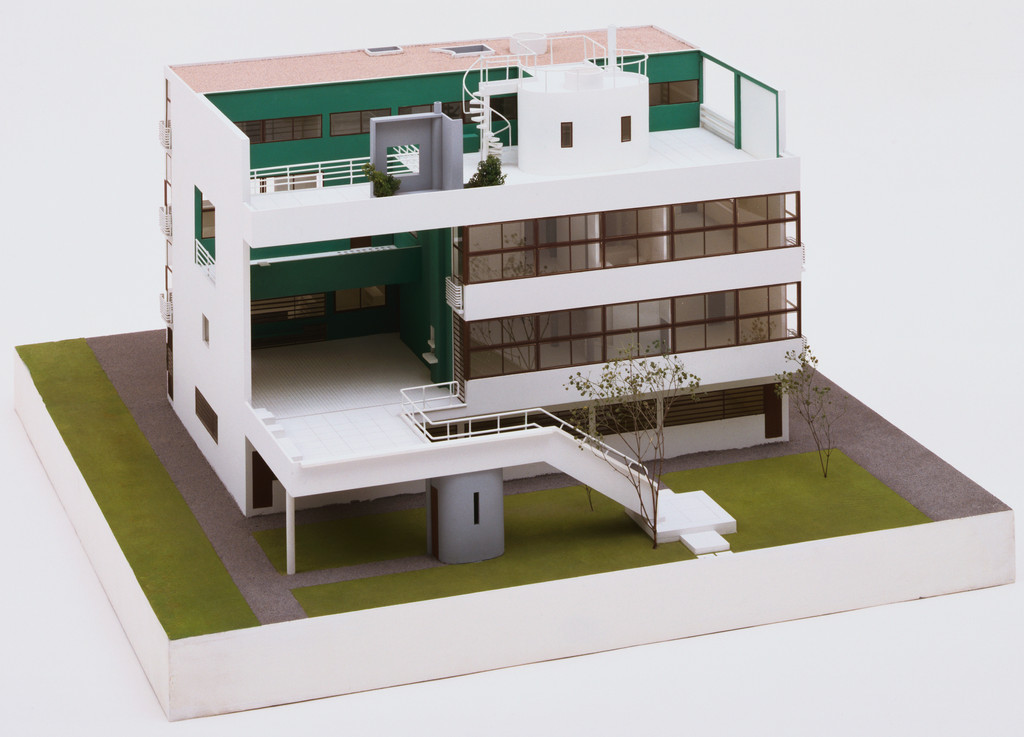
Les Terrasses, Villa Stein-de-Monzie, Garches, France (Scale model, 1:33.3), Le Corbusier (Charles-Édouard Jeanneret), Pierre Jeanneret, 1926–1928 (model 1970)

Les Terrasses, Villa Stein-de-Monzie, Garches, France (Scale model, 1:33.3)

1926–1928 (model 1970) · The Museum of Modern Art

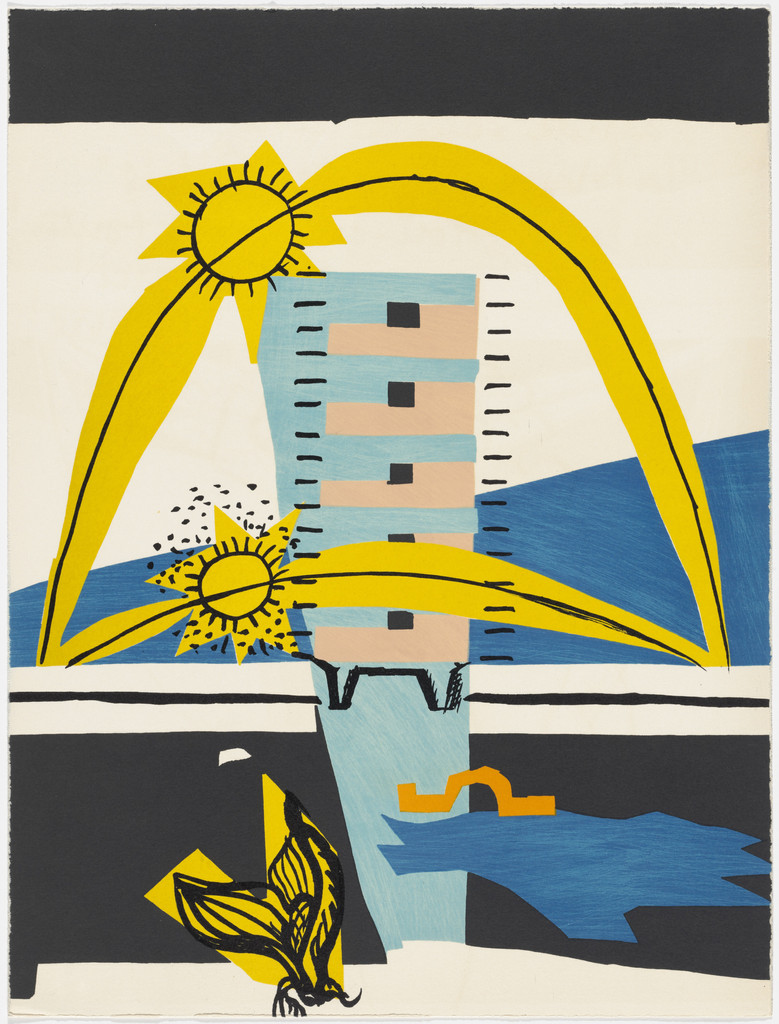
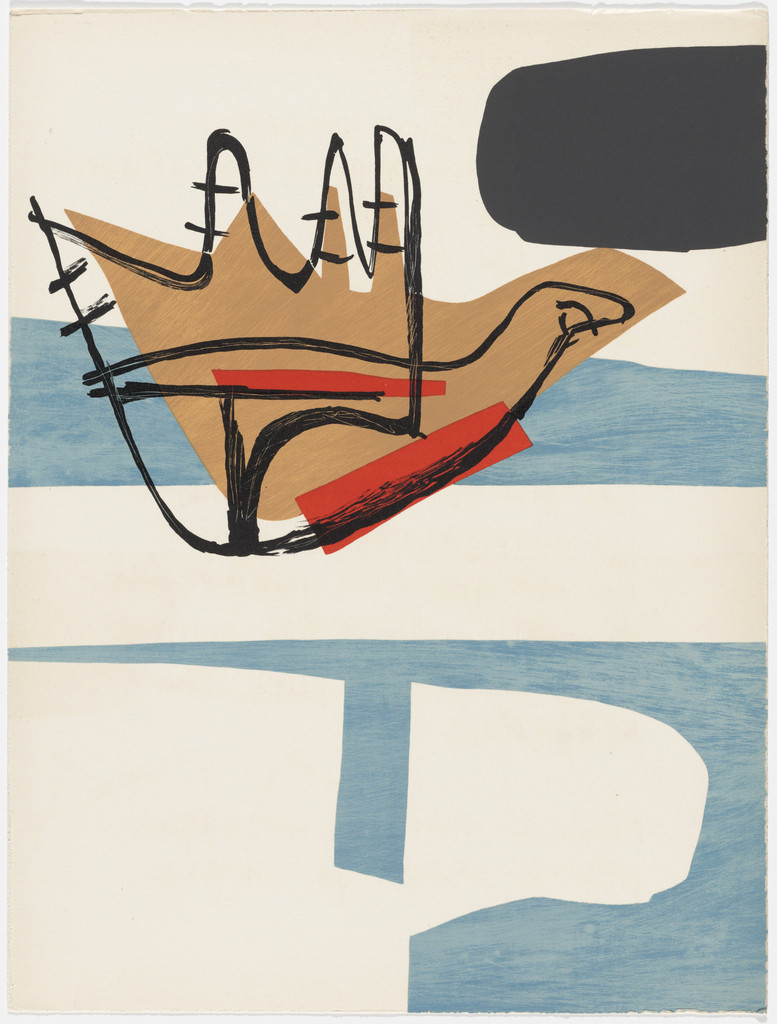
Plate (page 145) from Le Poème de l'angle droit (The Poem of the Right Angle), Le Corbusier, 1947–53, published 1955

Plate (page 145) from Le Poème de l'angle droit (The Poem of the Right Angle)

1947–53, published 1955 · The Museum of Modern Art

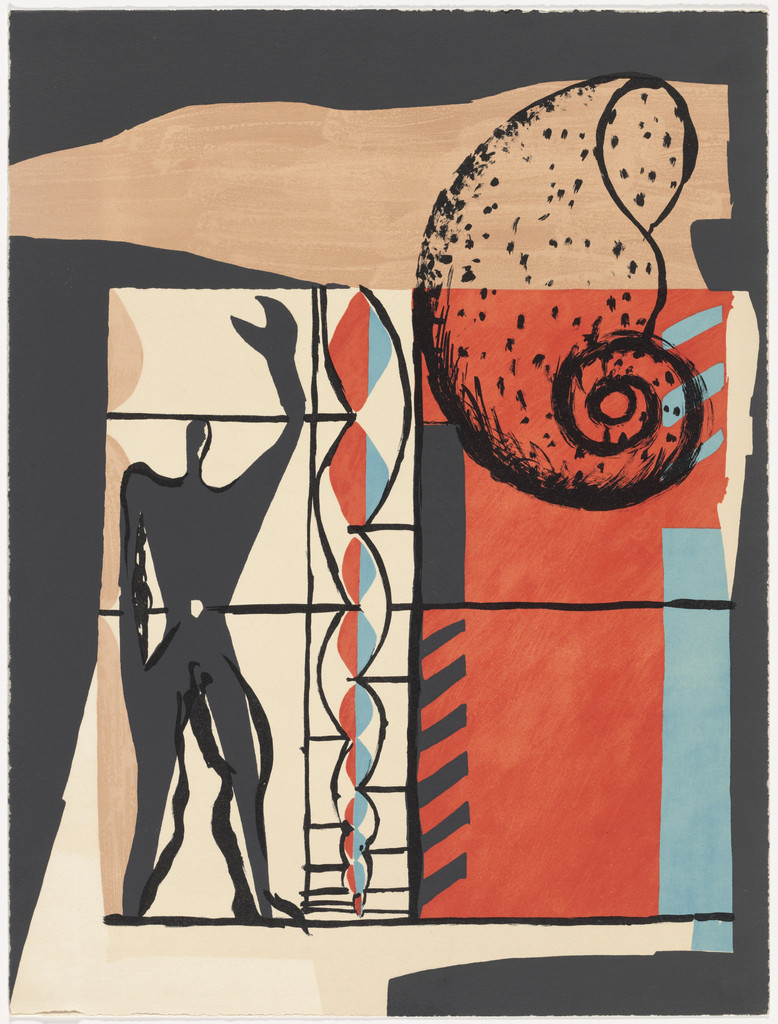
Plate (page 69) from Le Poème de l'angle droit (The Poem of the Right Angle), Le Corbusier, 1947–53, published 1955

Plate (page 69) from Le Poème de l'angle droit (The Poem of the Right Angle)

1947–53, published 1955 · The Museum of Modern Art

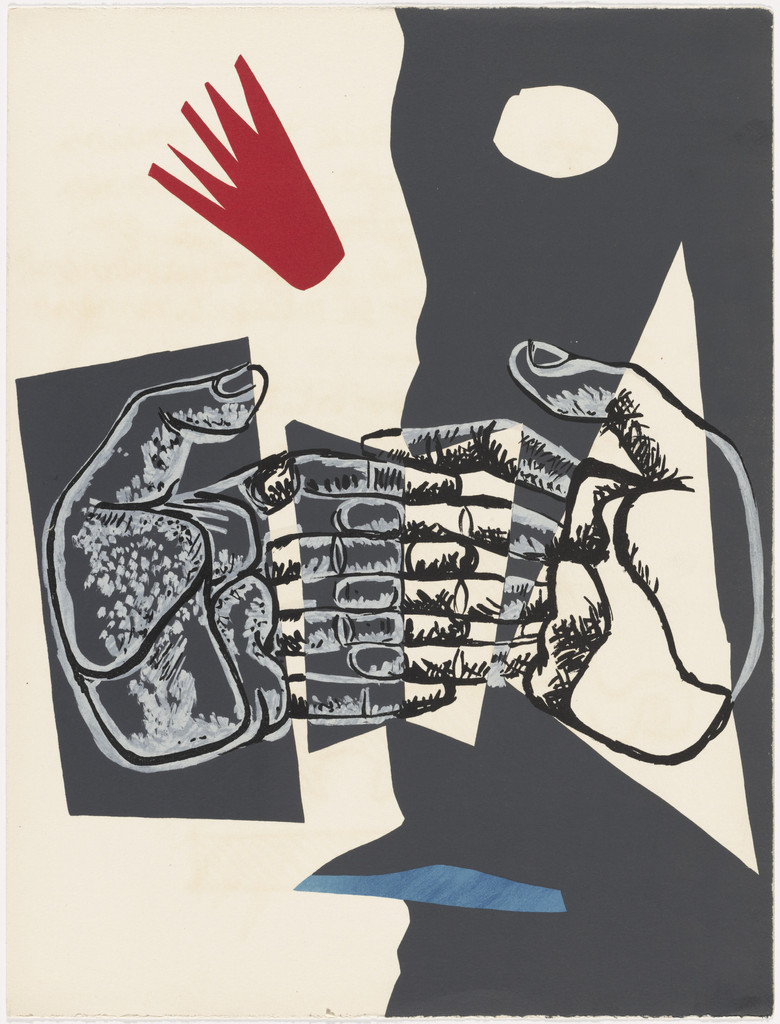
Plate (page 55) from Le Poème de l'angle droit (The Poem of the Right Angle), Le Corbusier, 1947–53, published 1955

Plate (page 55) from Le Poème de l'angle droit (The Poem of the Right Angle)

1947–53, published 1955 · The Museum of Modern Art

Plate (page 49) from Le Poème de l'angle droit (The Poem of the Right Angle), Le Corbusier, 1947–53, published 1955

Plate (page 49) from Le Poème de l'angle droit (The Poem of the Right Angle)

1947–53, published 1955 · The Museum of Modern Art

Abstract Composition, Le Corbusier, 1927

Abstract Composition

1927 · Art Institute of Chicago

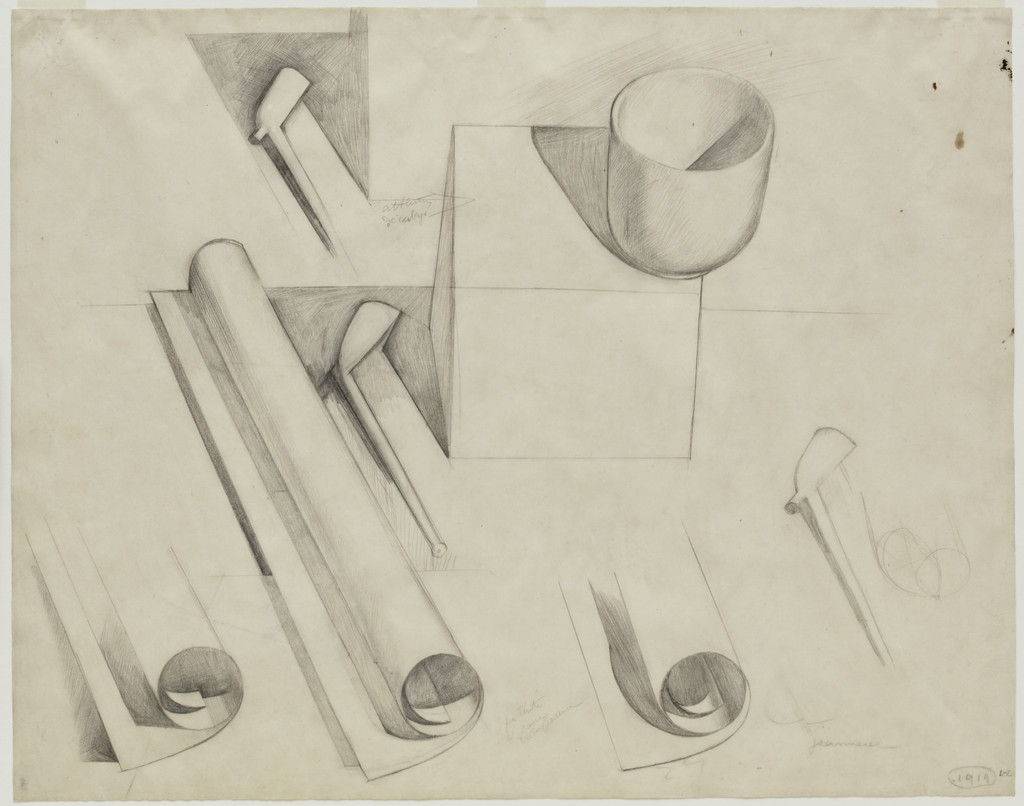
Bol, Pipes, et Papiers Enroulés (Cup, Pipes, and Paper Rolls), Le Corbusier, 1919

Bol, Pipes, et Papiers Enroulés (Cup, Pipes, and Paper Rolls)

1919 · Not on view · The Museum of Modern Art

Still Life, Le Corbusier, 1920

Still Life

1920 · Not on view · The Museum of Modern Art

Neighbors at Art Institute of Chicago

Museum page
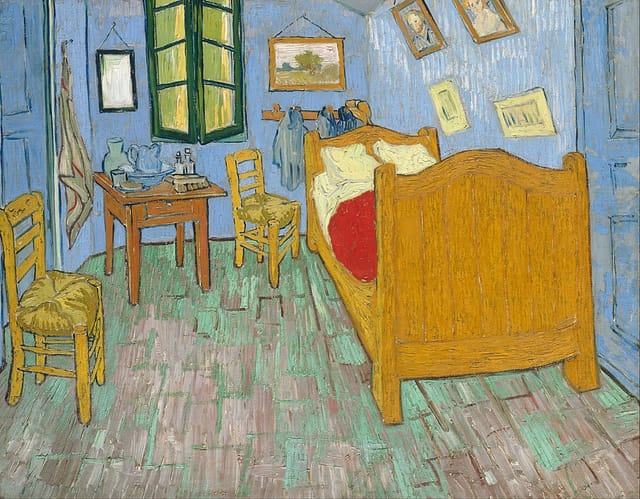
The Bedroom, Vincent van Gogh, 1889

Vincent van Gogh

The Bedroom, 1889

A Sunday on La Grande Jatte — 1884, Georges Seurat, 1884–86, border added 1888–89

Georges Seurat

A Sunday Afternoon on the Island of La Grande Jatte, 1884–86, border added 1888–89

Paris Street; Rainy Day, Gustave Caillebotte, 1877

Gustave Caillebotte

Paris Street; Rainy Day, 1877

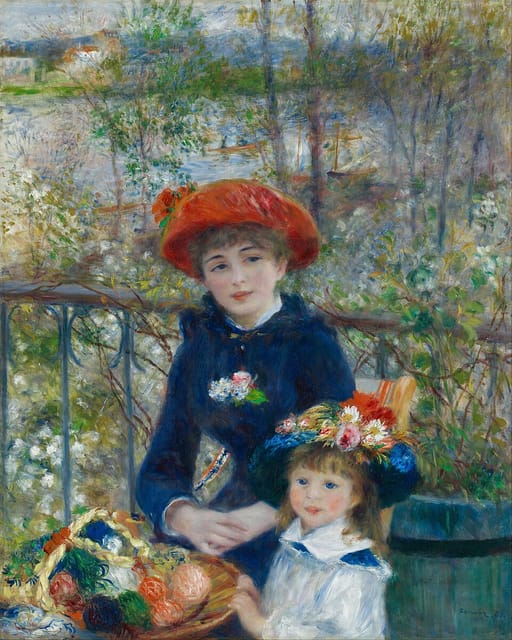
Two Sisters (On the Terrace), Pierre-Auguste Renoir, 1881

Pierre-Auguste Renoir

Two Sisters (On the Terrace), 1881

The Basket of Apples, Paul Cézanne, c. 1893

Paul Cézanne

The Basket of Apples, c. 1893

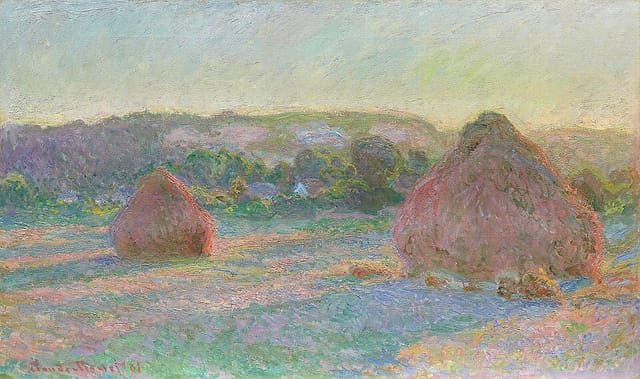
Stacks of Wheat (End of Summer), Claude Monet, 1890–91

Claude Monet

Stacks of Wheat (End of Summer), 1890–91

American Gothic, Grant Wood, 1930

Grant Wood

American Gothic, 1930

Nighthawks, Edward Hopper, 1942

Edward Hopper

Nighthawks, 1942