Bartolomeo Neroni1505–1571
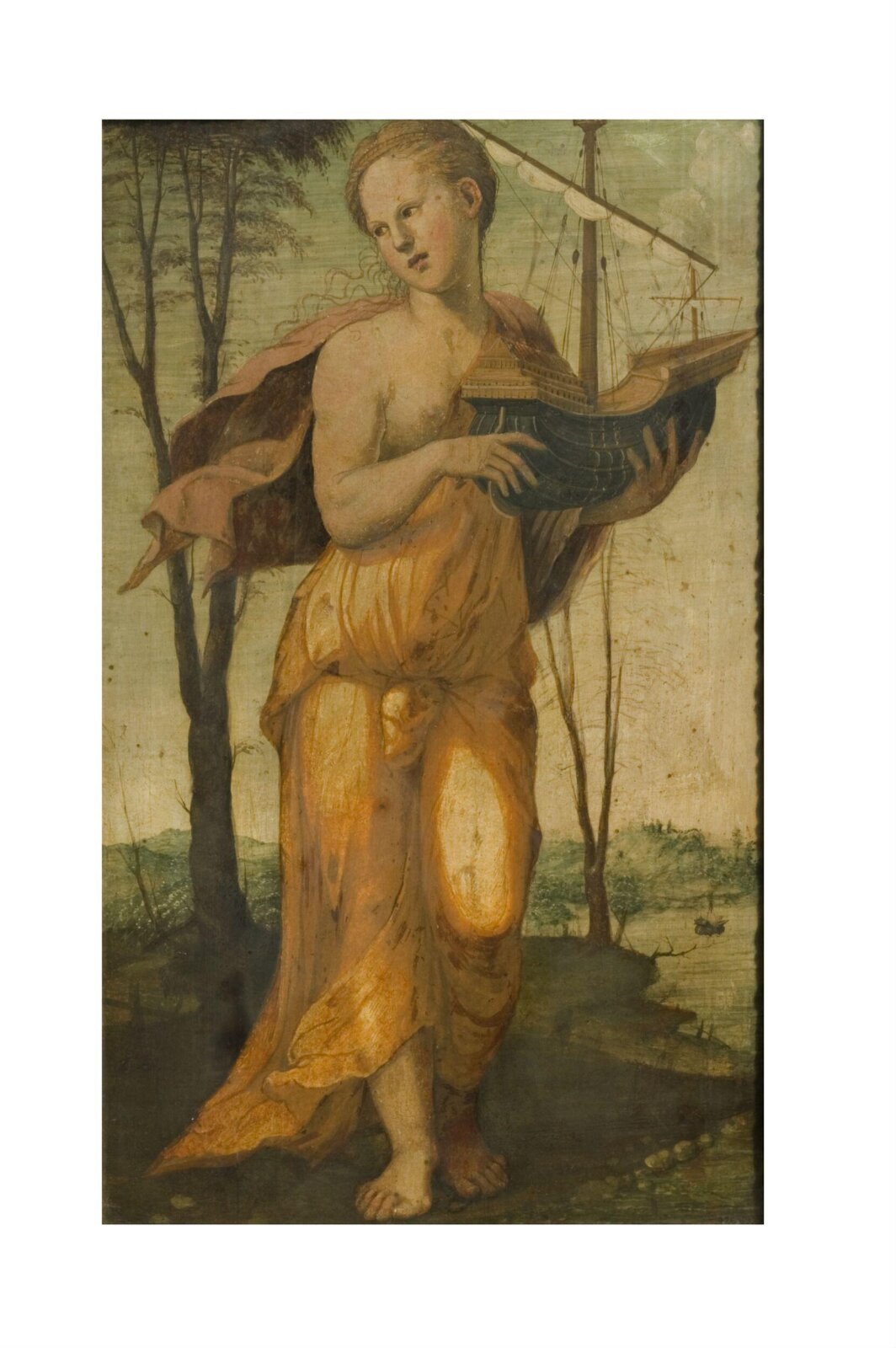
Claudia Quinta (Confidence)
May one see it?
Not receiving at present

Victoria and Albert Museum
London, United Kingdom
It belongs to the collection, but is not on display at present.
- Checked
- In this state since
- Source
- The museum's own collection data
About the painting
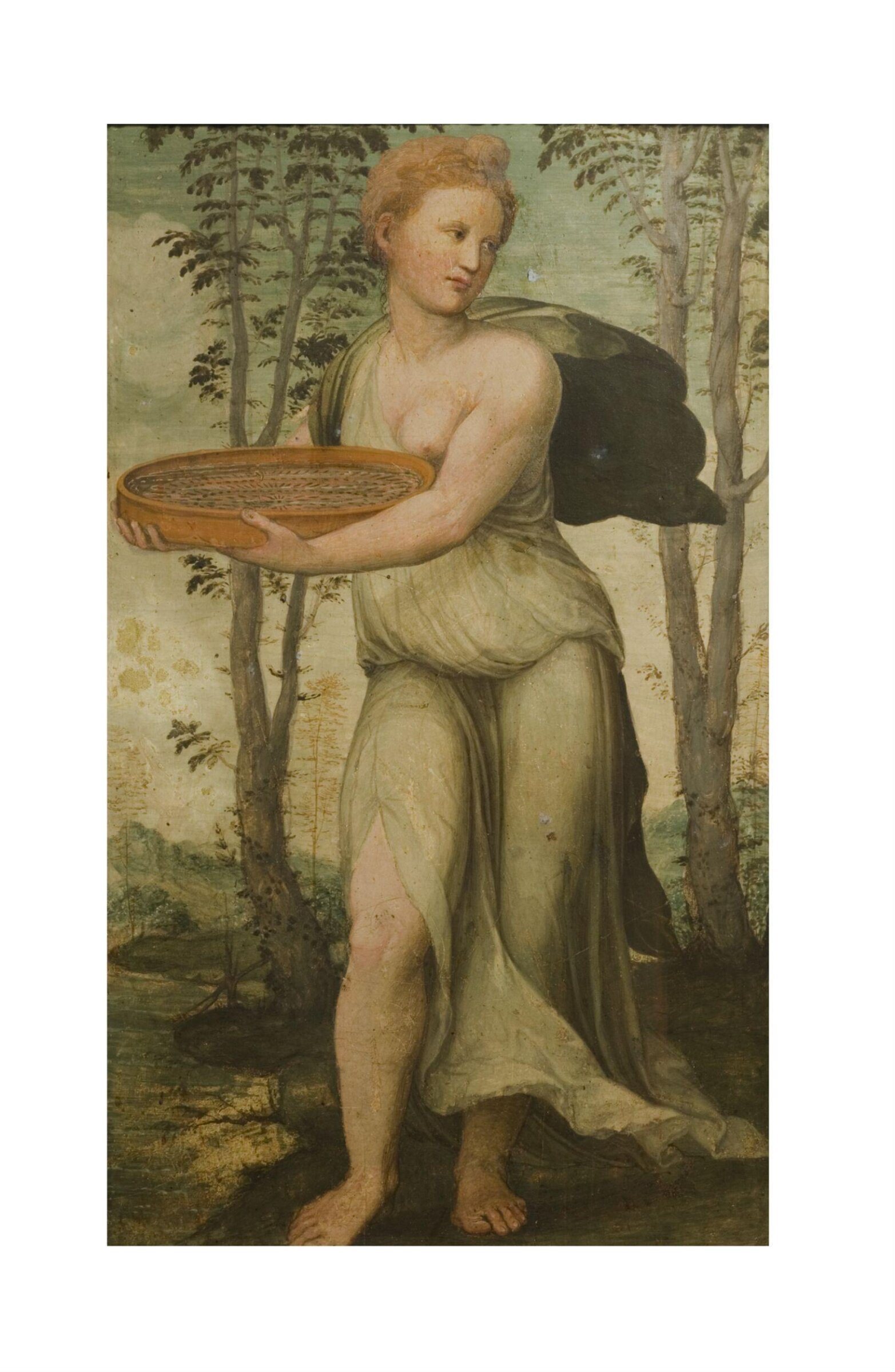
Bartolommeo Neroni, (known as il Riccio) (1505/15?- 1571) was a Sienese painter, illuminator, architect, stage designer and engineer. His earliest surviving documented works reveal the influence of Il Sodoma while his later paintings also demonstrate a close familiarity with works by Domenico Beccafumi and Baldassare Peruzzi who were also working in Siena at that time. His figures have the sharp-nosed features favoured by Beccafumi, the soft limpid eyes painted by Sodoma and the bodies and monumental spatial composition of Peruzzi. Neroni most likely painted the two panels depicting standing women holding attributes in the V&A collection (425-1869; 426-1869) as part of a series of three donne illustre or famous women in the poetic tradition of Petrarch and Bocaccio.
Read on
These panels probably formed part of a painted series of decorations for a room in a palace and may have originally formed the back of a cassapanca or bench chest such as those painted by Beccafumi ca. 1519 for Francesco Petrucci (National Gallery, London, Doria Pamphilj, Rome). 426-1869 has long been described as a personification of Confidence but she may be more precisely identified as the ancient Roman maiden Claudia Quinta and her pose suggests she originally formed the right hand panel of the series. Claudia is praised in Pliny's chapter dedicated to 'The Most Chaste Matrons' which recounts how, when the vessel conveying the statue of Cybele became stuck in the mud in the Tiber river, and the soothsayers declared that none but a chaste woman could move it, Claudia, previously accused of unchastity, high handedly pulled the ship to safety.
Victoria and Albert Museum
Particulars
- Accession number
- 426-1869
What it shows
In the catalog
Sources
- Victoria and Albert Museum: the museum's own open data · fetched 12 days ago
- Image: Victoria and Albert Museum — © Victoria and Albert Museum, London