
 William Henry Fox TalbotEnglish, 1800–1877
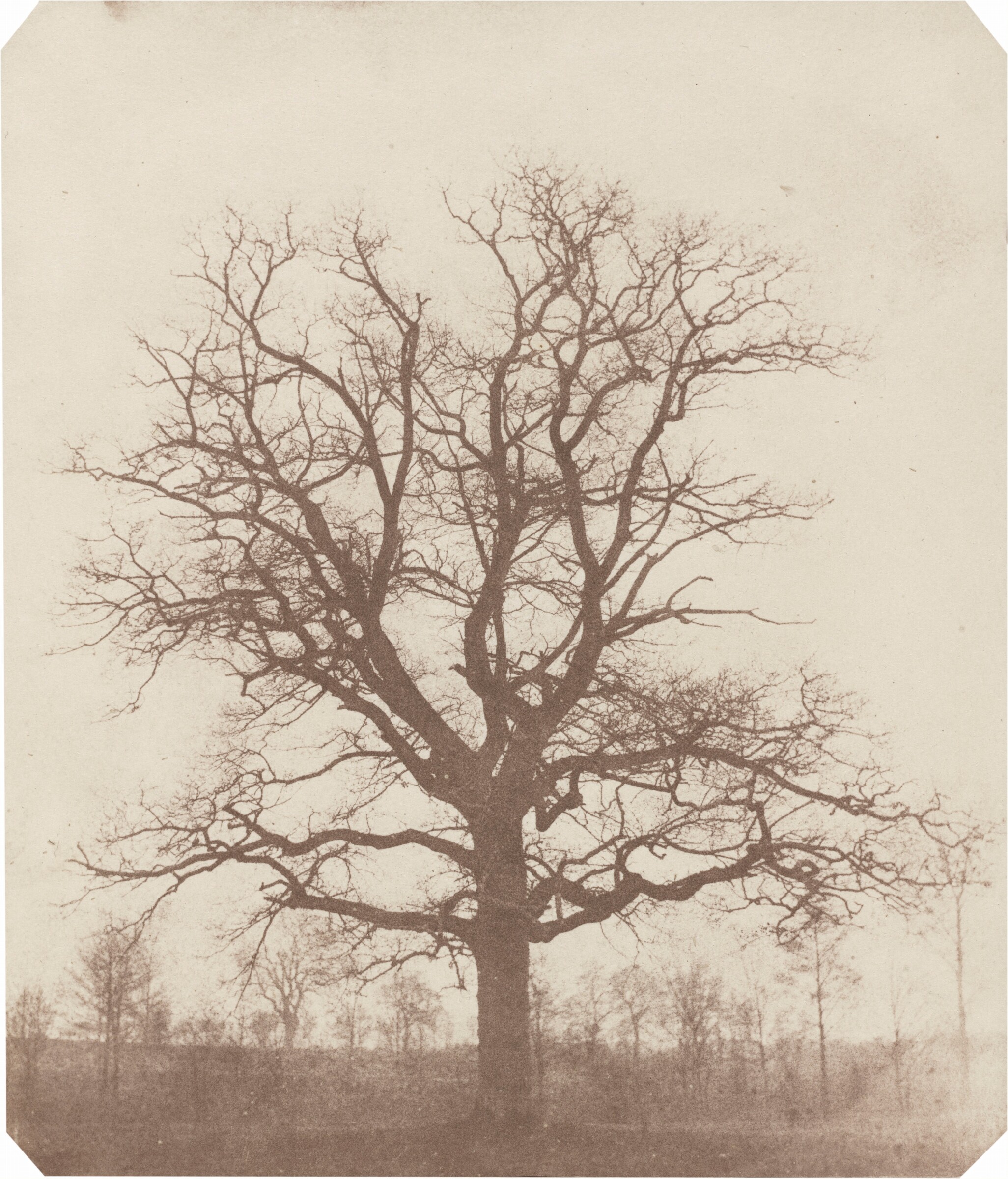
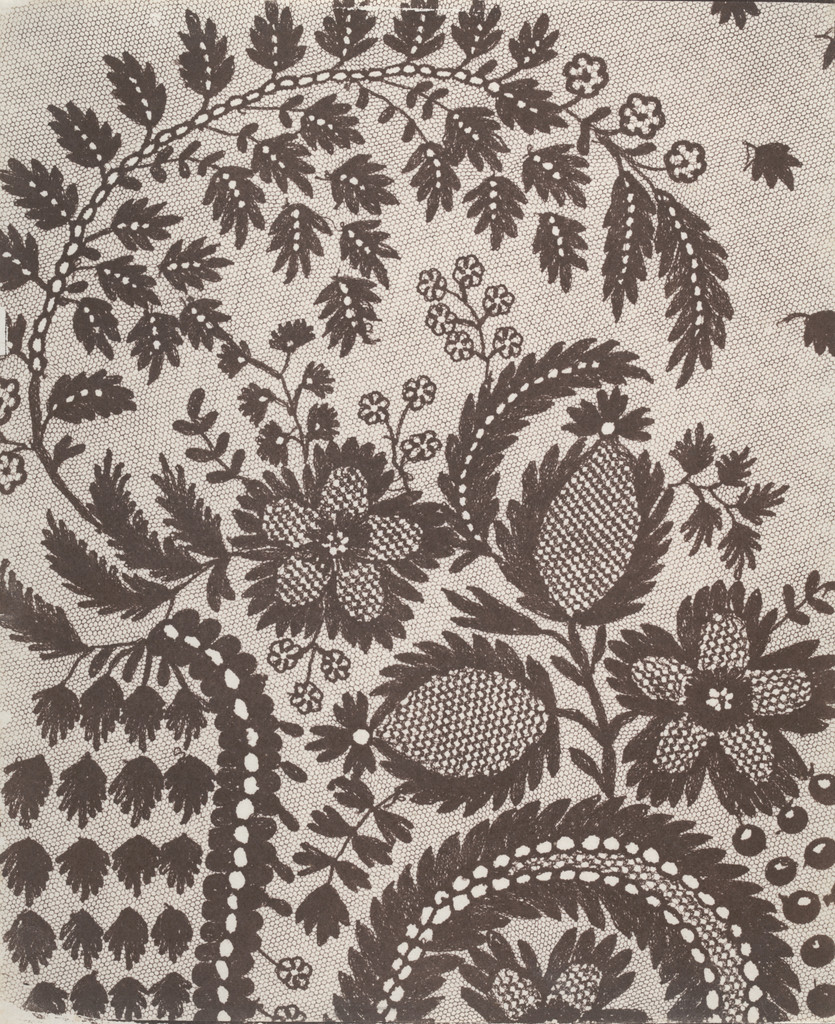
Botanical Specimen
May one see it?
Not receiving at present

Chicago, United States
It belongs to the collection, but is not on display at present.
- Checked
- In this state since
- Source
- The museum
Particulars
- Accession number
- 1972.324
In the catalog
Sources
- Art Institute of Chicago
- Image: Art Institute of Chicago — CC0
Meanwhile, in the life of William Henry Fox Talbot
The whole life10 December 1832 – 29 December 1834
Post: member of the 11th Parliament of the United Kingdom
1832–1835 · Career
Parliament for Chippenham
A moderate Reformer who generally supported the Whig ministers, Talbot sat in Parliament for Chippenham and retired from it in 1835.
early 1834
Photographic experiments begin
In early 1834 Talbot began the experiments on which he later based his claim to priority of invention. For his “photogenic drawing” he bathed writing paper in a weak solution of table salt and brushed it with a strong solution of silver nitrate; unlike Thomas Wedgwood and Nicéphore Niépce, he found ways to fix the image chemically so that it would not darken in daylight.
1835
The first negative on salted paper
Talbot made his first negative on paper soaked in silver nitrate and a salt solution, as he later recounted in “The Pencil of Nature”. Among his early pictures is the window of his own library, taken from inside with a camera whose optical lens measured only 8 centimetres.
1836
Daughter born: Ella Talbot
1836
Discovers the Talbot effect
In a paper in the Philosophical Magazine Talbot described how the image of a diffraction grating periodically changed colour as the focusing lens was moved away from it; the paper offered neither measurements nor an explanation. The self-imaging of a periodic grating is now called the Talbot effect.



![[Group of Trees from the American Walnut], William Henry Fox Talbot, June 1, 1840](https://media.getty.edu/iiif/image/e2239044-50e4-44d2-be46-db53cdc317f1/full/!1200,1200/0/default.jpg)








